Cold plunge, sauna, and breathwork in Denver and Boulder for 2026: a local's buyer guide
The Front Range treats recovery as a sport. That means real quality, and also a lot of hype to wade through. Here's how to find the good studios before you buy a membership.
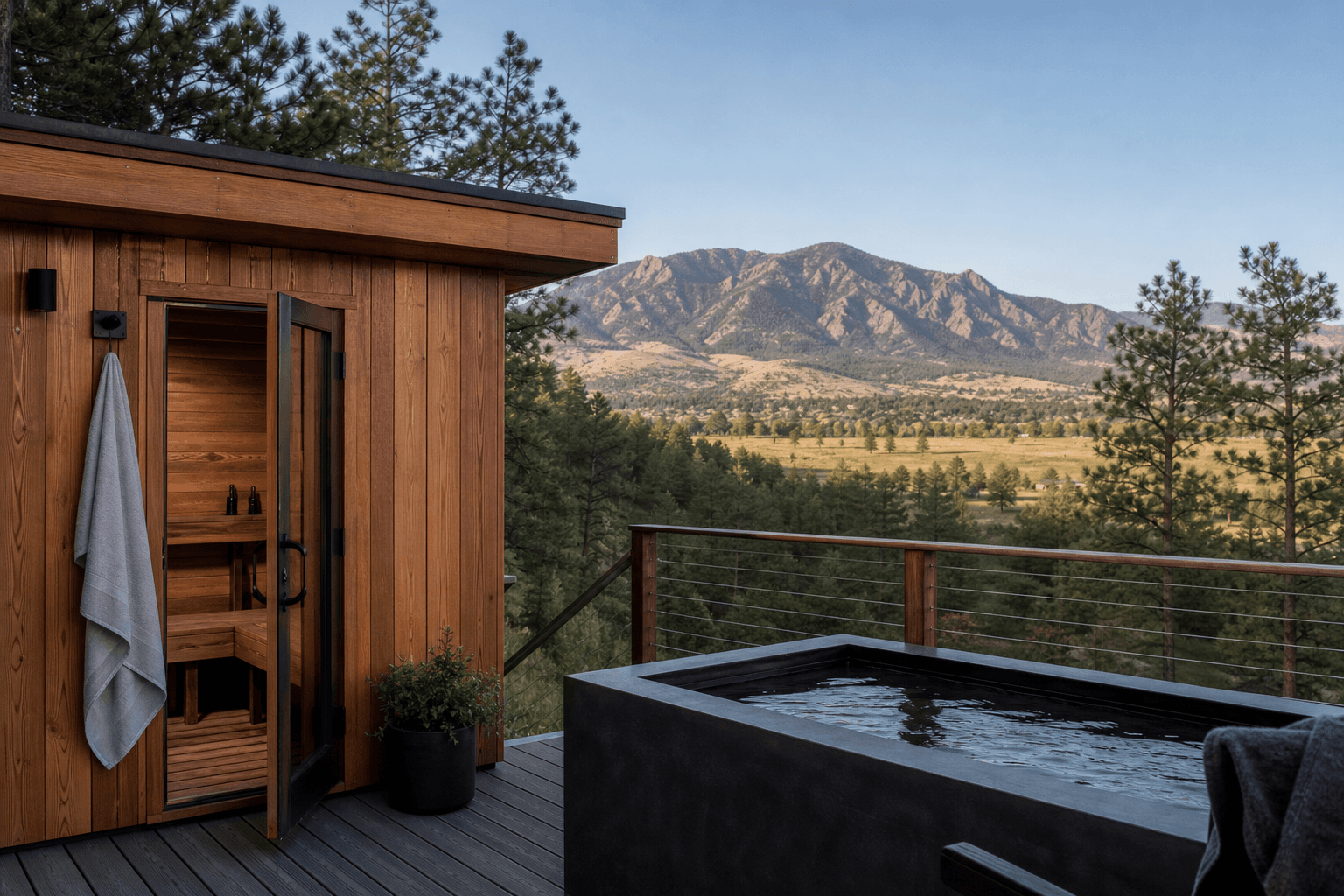
Short answer: The Front Range treats recovery as part of training, which built real depth and a lot of noise, and price often does not track quality. Judge a studio on genuine sauna heat, well-maintained plunge water and staff who coach. Altitude matters most for breathwork: hyperventilation-style sessions hit harder if you are not acclimated.
Why the Front Range takes this seriously
Denver and Boulder are full of people who ski hard, run trails, and treat recovery as part of training rather than a treat. That culture built a real depth of cold plunge, sauna, and breathwork studios, many of them genuinely excellent.
It also built a lot of noise. When a city loves a trend, every gym and juice bar adds an ice tub and a class. The quality gap between a thoughtful studio and a bandwagon one is wide, and the price often does not tell you which is which.
This guide helps you choose. We do not take placement fees, so nothing here is sponsored. The goal is a sharper first visit.
What the altitude actually changes
Mile-high air is the one thing that makes the Front Range different from sea-level cities. Two practical notes.
Breathwork hits harder at altitude, especially the intense, hyperventilation-style sessions. If you’re visiting from lower ground, go gentler than you think and tell the facilitator you’re not acclimated.
Cold plunging is the same practice as anywhere, but pair it with the dry mountain air and easy dehydration and you’ll want more water than usual around your sessions.
The kinds of studios
Dedicated recovery studios. Built around the cold and hot cycle, with proper sauna heat, well-maintained plunges, and staff who coach. This is what most people are looking for, and the Front Range has good ones.
Breathwork and ceremony spaces. Boulder in particular has a deep breathwork scene, from calm functional sessions to intense transformational ones. These are very different experiences, so read the description carefully before booking.
Athletic and climbing-gym add-ons. Convenient if you already train there. The plunge and sauna are a finisher, not the main event, so judge them accordingly.
Bathhouse-style and spa venues. Slower, more social, good for a recovery morning rather than a focused session.
Where to actually go on the Front Range
The venues below come from our mapped directories of Denver and Boulder listings, grouped by what each one is listed for. Treat them as a starting shortlist, not a ranking.
Denver saunas and contrast studios
- The Cove Sauna and Cold Plunge (1361 S Broadway). Listed under cold plunge and sauna in our directory. Official website
- Therma Haus° - Sauna Cold Plunge Socialize (2520 Wewatta Way Ste 120). Listed under cold plunge and sauna in our directory. Official website
- NAOSU SAUNA (3145 Larimer St). Listed under sauna in our directory. Official website
- Red Rock Sauna (4460 W 29th Ave). Listed under sauna in our directory. Official website
- SweatHouz South Broadway Contrast Therapy Studio (2101 S Broadway). Listed under cold plunge in our directory. Official website
Boulder saunas and recovery
- Puffin Sauna Club (9417 N Foothills Hwy). Listed under sauna in our directory. Official website
- beem® Light Sauna Boulder (2255 31st St Ste 110). Listed under sauna in our directory. Official website
- Isolate Float Center (643 S Broadway). Listed under float therapy in our directory. Official website
Float and breathwork
- Samana Float Center (1307 26th St). Listed under float therapy in our directory. Official website
- Easy Float (1855 S Pearl St b1). Listed under float therapy in our directory. Official website
These are mapped from public listings, not personal visits, so confirm hours, prices, and water temperature before you go. The complete maps live in our directory: all 128 venues in Denver and all 125 in Boulder.
What to check before you buy
Real heat and real cold. The sauna should get properly hot, the plunge genuinely cold. Lukewarm versions are the usual disappointment.
Water hygiene. Ask how often plunge water is filtered and changed. A good studio answers without hesitating.
The right breathwork for you. Ask whether a session is gentle and functional or intense and cathartic. Both are valid; the wrong one for your day is not.
Coaching, not pushing. Good staff tell you to ease in, never to power through dizziness or chest pain, and to skip cold immersion entirely if you’re pregnant or have a heart condition.
Real Front Range pricing in 2026
Drop-ins at dedicated studios sit in the boutique range, with class packs and memberships bringing the cost down for regulars. Breathwork sessions are usually priced per class. Gym add-ons are cheapest because the plunge isn’t the product. As everywhere, price reflects the room, not the quality of the heat.
Common recovery mistakes, and honest fixes
Booking intense breathwork while jet-lagged or unacclimated. Altitude plus a hard session is a lot. Start gentle.
Buying the membership before you drop in. Visit once, judge the water and heat, then commit.
Underestimating dehydration. Dry air, altitude, and heat add up. Drink more than feels necessary.
Ignoring the medical caveats. Cold immersion and intense breathwork are real physical stressors. If you’re pregnant, have heart or blood pressure conditions, or you’re unsure, ask a doctor first.
The bottom line on Denver and Boulder
Denver and Boulder reward people who know what they’re after. Decide between a focused recovery session, a breathwork practice, or a slow social soak, then choose the studio built for it and judge it on heat, water, and coaching rather than décor. The same buyer checklist works in Los Angeles and New York, and the modality guides explain each practice before you book.
What's actually in Denver, by the numbers
From our own mapping of 122 day-wellness venues in Denver, CO. Categories come from venue names, so a place that offers a plunge without saying so in its name is counted only as a general studio — treat these as a floor, not a census.
| Category | Venues | Share of city |
|---|---|---|
| General wellness & recovery | 34 27.9% | |
| Massage & bodywork | 28 23% | |
| Sauna & bathhouse | 24 19.7% | |
| Pilates | 19 15.6% | |
| Cold plunge / contrast | 18 14.8% | |
| Yoga | 17 13.9% | |
| Acupuncture | 16 13.1% | |
| Red light | 13 10.7% |