Best cold plunge and contrast therapy in Los Angeles for 2026: a no-hype buyer's guide
LA has more cold plunges than almost any city in the country. The quality runs from genuinely excellent to overpriced ice water in a parking lot. Here's how to tell them apart before you pay.
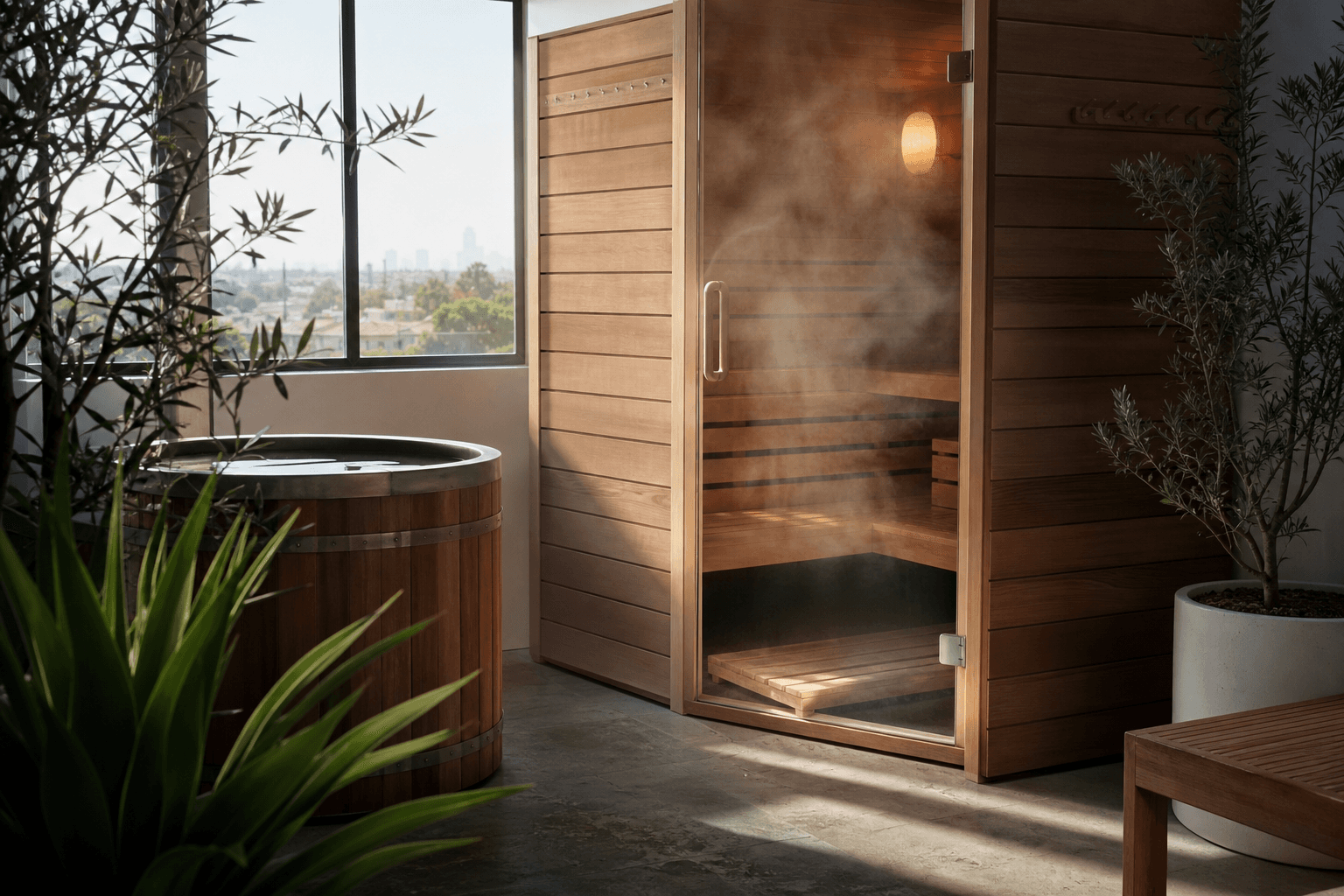
Short answer: Los Angeles has more cold plunges than almost any US city, and price tells you almost nothing about quality. Judge a studio on water hygiene and turnover, real measured temperatures (roughly 39 to 55°F), a sauna that actually gets hot, and somewhere to rest afterwards. Drop in before you commit.
Why this got confusing in LA
Cold plunging went from fringe to everywhere in about three years, and Los Angeles led the curve. On one drive through Venice or Silver Lake you can pass three or four places selling some version of contrast therapy. A few are thoughtfully run recovery spaces. Several are gyms that bolted a chest freezer to the wall and doubled the price.
This guide is for the person who wants the real thing. A clean, well-run session that leaves you genuinely better the next day, not a $60 novelty you do once for the photo.
We don’t take placement fees, so nobody paid to be described kindly here. The goal is simple. Make you a sharper buyer before you sign up for anything.
What contrast therapy actually is
Contrast therapy is deliberate cycling between hot and cold. Usually a sauna, then a cold plunge held somewhere between 39 and 55 degrees, then back again. The hot opens your blood vessels, the cold tightens them, and the back and forth is the point. A typical session is three or four rounds: a few minutes hot, one to three minutes cold, a short rest, repeat.
You do not need a studio to do this. You need a studio when you want consistent temperatures, clean water, a sauna that actually gets hot, and someone nearby who knows what they’re doing. That last part matters more than the marketing suggests.
The four kinds of LA studios
Knowing which one you’re walking into is the best single predictor of whether you’ll be happy.
1. Dedicated recovery studios
Built around the hot and cold cycle. Several plunges at different temperatures, a real sauna, water that’s filtered and cycled often, and staff who’ll walk a first timer through breathing and timing. This is the category most people actually want, and it’s where quality is worth paying for.
2. Bathhouse and spa-style venues
Bigger, social, often with steam rooms, multiple pools, and a relaxed two hour rhythm. Lovely for a slow morning or a date. The plunge is one feature among many, so check the water temperature and turnover before you assume it’s serious.
3. Gym and fitness add-ons
A plunge and sauna tacked onto a training floor. Convenient if you already train there. The risk is water that isn’t cycled often enough and a sauna that never gets properly hot. Fine as a post-workout finisher, rarely worth a separate trip.
4. Pop-ups and mobile setups
Event plunges, beach tubs, backyard rentals. Fun, communal, sometimes great. Hygiene and temperature control vary a lot, so treat a pop-up as an experience, not a standard.
Where to actually go in Los Angeles
The venues below come from our mapped directory of Los Angeles listings, grouped by what each one is listed for. Treat them as a starting shortlist, not a ranking.
Contrast and cold plunge studios
- IcePass Sauna & Cold Plunge Club (711 Hampton Dr). Listed under cold plunge and sauna in our directory. Official website
- Cryohealthcare Woodland Hills (22941 Ventura Blvd). Listed under cold plunge in our directory. Official website
- Flow State Cryo & Recovery (11404 Ventura Blvd). Listed under cold plunge and wellness studio in our directory. Official website
- Biohack Cryo & Wellness (5305 Topanga Canyon Blvd). Listed under cold plunge and wellness studio in our directory. Official website
Dedicated saunas
- Elev8 Infrared Sauna Studio (8130 W 3rd St). Listed under sauna in our directory. Official website
- Perspire Sauna Studio (3331 S La Cienega Blvd). Listed under sauna in our directory. Official website
- Pacific Spas & Sauna (2247 S Sepulveda Blvd). Listed under sauna and wellness studio in our directory. Official website
Float and recovery add-ons
- Float Lab (1025 Westwood Blvd Ste b). Listed under float therapy in our directory. Official website
These are mapped from public listings, not personal visits, so confirm the plunge is genuinely cold before you go. The complete map lives in our directory: all 129 venues in Los Angeles.
What actually matters in a session
Strip away the branding and a good contrast space comes down to a short, boring checklist.
Water hygiene. Ask how often the plunge water is filtered and changed, and whether it’s ozone or UV treated. A good studio answers instantly and specifically. A vague answer is your answer.
Real temperatures. The cold should be genuinely cold (high 30s to low 50s) and the sauna genuinely hot (a traditional sauna wants to be above 170). Cold-ish water and a warm box are the most common letdown.
Space to rest. The recovery happens between rounds. A studio that gives you somewhere calm to sit and breathe understands the practice. One that rushes you through does not.
Staff who coach, not hype. The best operators tell you to start slow, never to push through chest pain or dizziness, and to skip the plunge entirely if you’re pregnant or have a heart condition. Anyone selling extremes is selling risk.
Real LA plunge pricing in 2026
LA pricing is wide. A single drop-in at a dedicated studio tends to cost about as much as a nice dinner. Class packs and memberships bring the per visit price down a lot if you go weekly. Bathhouse day passes usually cost more but buy you hours, not minutes. Gym add-ons are cheapest because the plunge isn’t the product.
The trap is paying boutique prices for gym tier water and heat. Price tells you almost nothing about quality here. The checklist above tells you everything.
How to choose, in one paragraph
Decide what you’re actually after. If it’s a serious, repeatable recovery habit, pick a dedicated studio near home or your commute, drop in once before you commit, and judge it on water and heat, not the décor. If it’s a slow social reset, a bathhouse is the better buy.
If it’s curiosity, do a single drop-in somewhere reputable before you spend on a membership you may not use.
Common cold plunge mistakes, and honest fixes
Buying the annual membership on day one. Drop in first. The studio that looks best on Instagram is sometimes the worst in person.
Chasing colder and longer. More cold is not more benefit, and it raises the risk. A few controlled minutes beats a white knuckle endurance test.
Plunging alone when you’re new. Especially right after intense heat. Keep staff or a friend nearby until you know how your body responds.
Ignoring the medical caveats. Cold immersion is a real cardiovascular stressor. If you’re pregnant, have heart or blood pressure conditions, or you’re unsure, ask a doctor first. A studio worth its name will tell you the same.
The bottom line on LA contrast therapy
Los Angeles has genuinely excellent hot and cold recovery, and a lot of expensive noise wearing the same outfit. You don’t need insider knowledge to find the good stuff. Ask about water, feel the real temperatures, and refuse to confuse a high price with high quality.
If you’re building a day around it, our guide to Austin’s day wellness experiences and our Austin cold plunge and contrast studios guide use the same buyer’s checklist for a different city, so you can compare what good looks like before you book.
What's actually in Los Angeles, by the numbers
From our own mapping of 121 day-wellness venues in Los Angeles, CA. Categories come from venue names, so a place that offers a plunge without saying so in its name is counted only as a general studio — treat these as a floor, not a census.
| Category | Venues | Share of city |
|---|---|---|
| Massage & bodywork | 36 29.8% | |
| Sauna & bathhouse | 24 19.8% | |
| General wellness & recovery | 21 17.4% | |
| Yoga | 20 16.5% | |
| Pilates | 19 15.7% | |
| Acupuncture | 16 13.2% | |
| IV therapy | 15 12.4% | |
| Cold plunge / contrast | 13 10.7% |