The best saunas and cold plunge studios in Seattle for 2026
Cold water and a hot sauna feel made for the Pacific Northwest. Seattle has a deep, growing scene, from lakeside Nordic spas to neighborhood recovery studios. Here's how to find a real one.
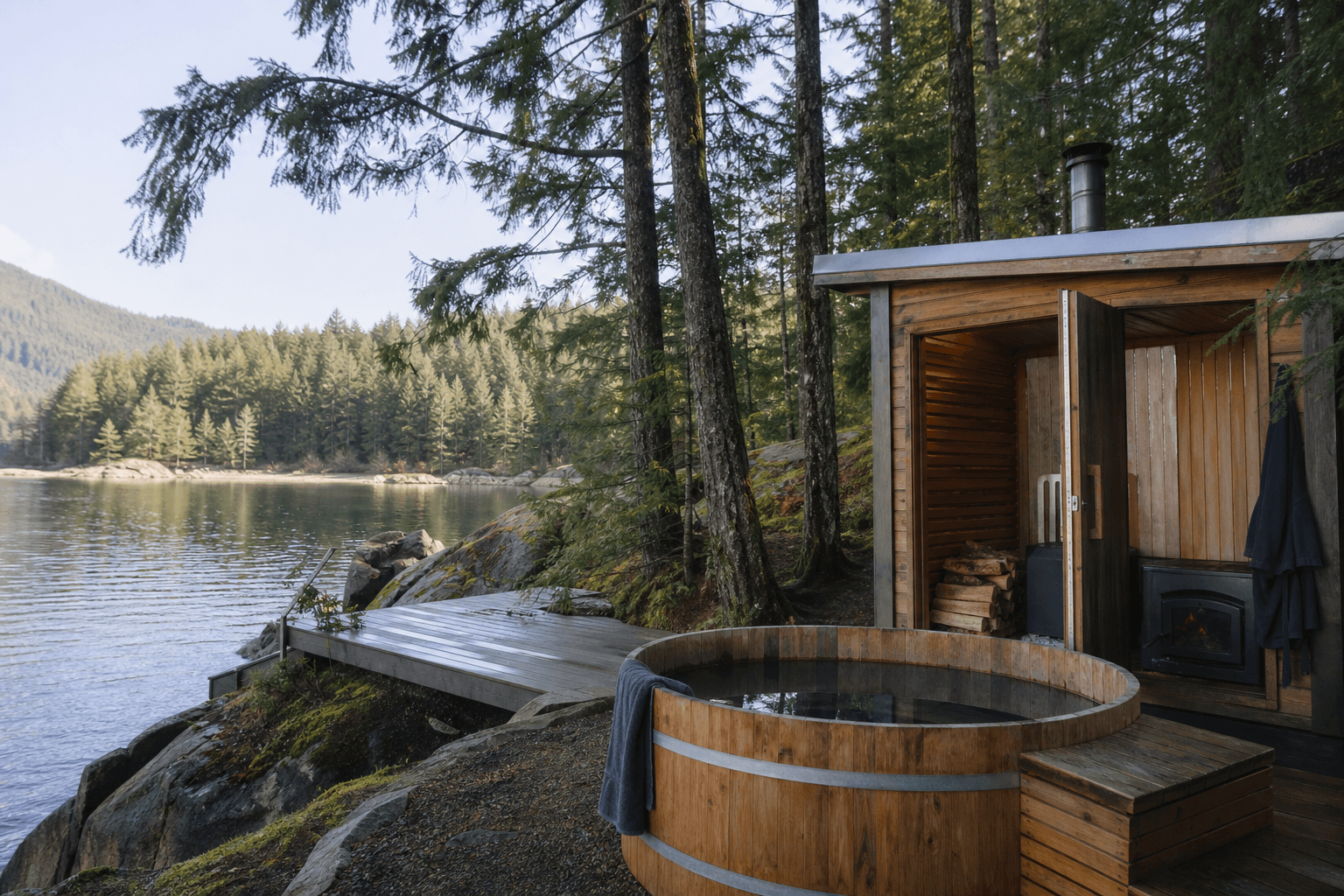
Short answer: Seattle suits hot-and-cold recovery: damp cool winters make a properly hot sauna feel essential, and the lakes and Sound stay genuinely cold most of the year, so a sauna-then-lake cycle is one of the best versions of contrast therapy anywhere. Venues run from lakeside Nordic spas to wood-fired mobile saunas and neighbourhood recovery studios.
Why Seattle was built for this
Few cities suit hot-and-cold recovery as naturally as Seattle. Cool, damp winters make a properly hot sauna feel essential, the lakes and Sound give you genuinely cold water for most of the year, and the outdoorsy culture treats recovery as part of an active life rather than a trend.
The scene has grown fast, with lakeside Nordic-style spas, wood-fired mobile saunas, and dedicated recovery studios across the neighborhoods.
The range is the good news and the catch. Alongside serious places are gyms that added an ice tub and a markup. This guide helps you find the real thing. We don’t take placement fees, so nothing here is paid placement.
What the climate and the lakes change
Two notes specific to Seattle.
The natural cold water is a real feature. Lake and Sound plunges run genuinely cold for much of the year, and a sauna-then-lake cycle is one of the best versions of contrast therapy anywhere. If you do it in open water, mind the safety basics: never alone, know your exit, and ease in.
The damp cool climate means a hot sauna does a lot of the work. Check that the sauna gets properly hot rather than just warm, because in a mild-but-damp city a lukewarm box is a common letdown.
The kinds of venues
Lakeside and Nordic-style spas. Larger, social, often with multiple saunas, steam, and cold pools, built for a slow visit. Lovely on a grey afternoon. Check the plunge temperature and turnover.
Dedicated recovery studios. Built around the hot and cold cycle, with real sauna heat, well-kept plunges, and staff who coach. This is what most people actually want, and Seattle has good ones across the city.
Wood-fired and mobile saunas. Trailers and floating saunas by the water, often paired with a lake plunge. Atmospheric and frequently excellent, though hygiene and temperature vary, so treat them as an experience.
Gym and bathhouse add-ons. Convenient if you already go there. The plunge and sauna are amenities, not the product, so judge them accordingly.
Where to actually go in Seattle
The venues below come from our mapped directory of Seattle listings, grouped by what each one is listed for. Treat them as a starting shortlist, not a ranking, drawn from the full set of venues we track in the city.
Dedicated saunas and bathhouses
- Banya 5 (217 9th Ave N). Listed under sauna in our directory. Official website
- Bywater Sauna (8498 Seaview Pl NW). Listed under sauna in our directory. Official website
- Hothouse Spa & Sauna (1019 E Pike St Hh). Listed under sauna and wellness studio in our directory. Official website
- Salt & Cedar Sauna Seattle (10 Dravus St). Listed under sauna in our directory. Official website
- Sauna Hut Green Lake (6847 Oswego Pl NE). Listed under sauna in our directory. Official website
- Sauna Moon Seattle (2701 Alki Ave SW). Listed under sauna in our directory. Official website
- Seattle Massage Sauna & Float (2818 E Madison St). Listed under sauna, float therapy and massage in our directory. Official website
- Seattle Sauna (2401 N Northlake Way Bldg G). Listed under sauna in our directory. Official website
- Steamworks Baths Seattle (1520 Summit Ave). Listed under sauna in our directory. Official website
- Wild Haus Floating Saunas (10 E Allison St). Listed under sauna and float therapy in our directory. Official website
Recovery studios and other options to check
- Float Seattle (Greenwood) (111 NW 85th St). Listed under float therapy in our directory. Official website
- Mindeo Brain Body Fitness and Red Light Therapy - Green Lake (7301 5th Ave NE). Listed under red light therapy in our directory. Official website
These are mapped from public listings, not personal visits, so confirm hours, prices, and whether the plunge is genuinely cold before you go. The complete map lives in our directory: all 130 venues in Seattle.
What to check before booking a Seattle sauna
Water hygiene. For indoor plunges, ask how often the water is filtered and changed, and whether it’s ozone or UV treated. A clear, specific answer is a good sign.
Real temperatures. The sauna should get genuinely hot and the cold genuinely cold. In a mild climate, a weak sauna is the usual disappointment.
Coaching, not hype. Good staff tell you to ease in, never to push through dizziness or chest pain, and to skip the plunge if you’re pregnant or have a heart condition. Anyone selling extremes is selling risk.
Real Seattle plunge and sauna pricing in 2026
Dedicated studios charge boutique drop-in prices, with class packs and memberships lowering the per-visit cost if you go weekly. Nordic and floating spas cost more but buy you hours. Gym add-ons are cheapest because the plunge isn’t the product. As everywhere, price reflects the setting, not the quality of the heat.
The bottom line on Seattle recovery
Seattle’s climate and cold water make contrast therapy feel genuinely worthwhile, and the city has real options if you judge a place on water, heat, and honesty rather than the view. Decide whether you want a slow lakeside soak or a focused recovery session, then choose the venue built for it.
Use the same buyer’s checklist we use for Los Angeles, New York, Miami, and Chicago, and read up on the practices behind the heat.
What's actually in Seattle, by the numbers
From our own mapping of 122 day-wellness venues in Seattle, WA. Categories come from venue names, so a place that offers a plunge without saying so in its name is counted only as a general studio — treat these as a floor, not a census.
| Category | Venues | Share of city |
|---|---|---|
| Massage & bodywork | 32 26.2% | |
| Yoga | 27 22.1% | |
| General wellness & recovery | 26 21.3% | |
| Sauna & bathhouse | 18 14.8% | |
| Acupuncture | 17 13.9% | |
| Pilates | 15 12.3% | |
| IV therapy | 10 8.2% | |
| Cold plunge / contrast | 8 6.6% |