Breathwork benefits: what the science actually says
Breathwork is sold as everything from a stress fix to a spiritual awakening. The real evidence is narrower, genuinely useful, and worth understanding before you try the intense stuff.
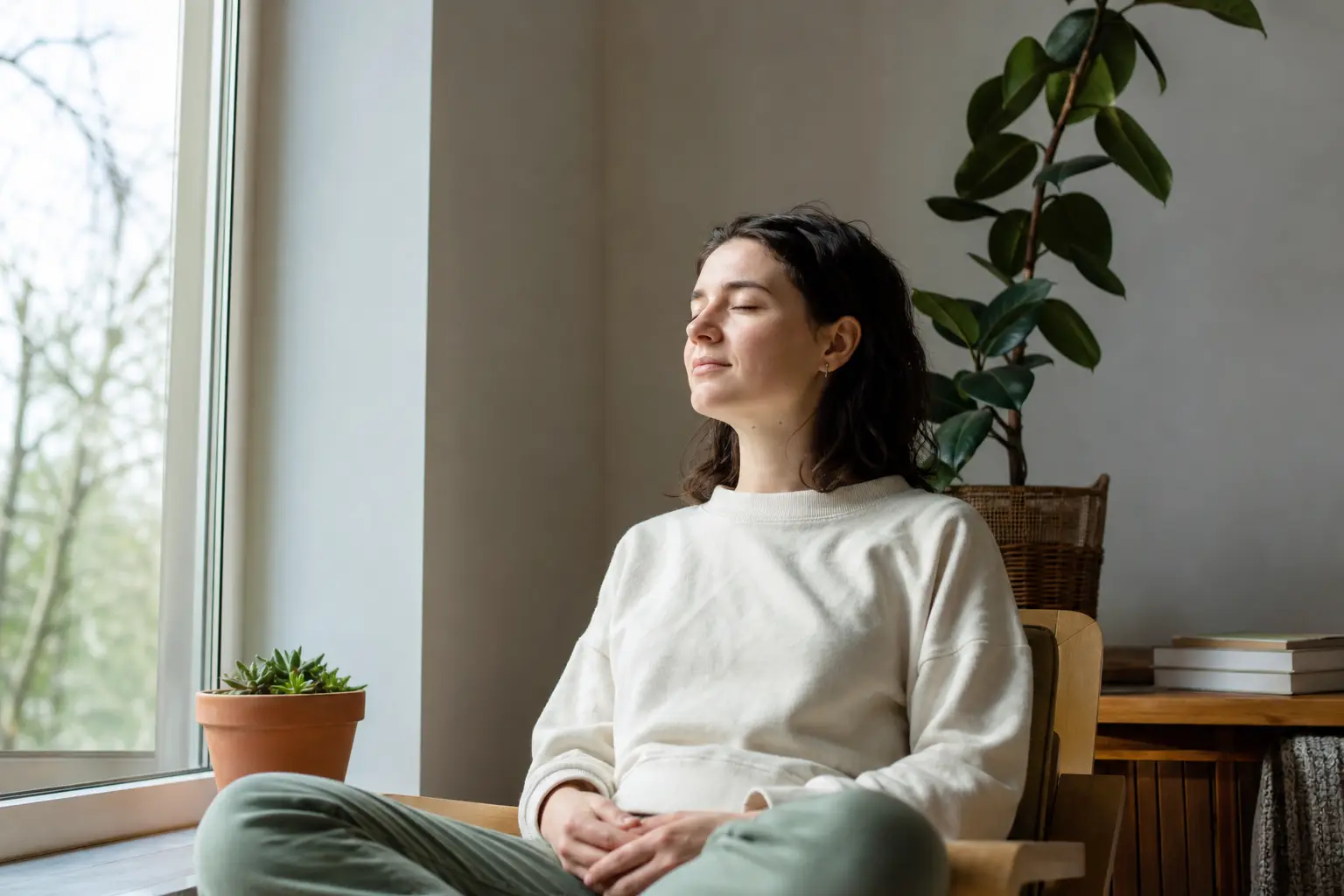
Short answer: Slow breathing, especially with a longer exhale, reliably calms the nervous system and takes the edge off stress within minutes, for free. That is the well-supported part. Detox, cure and replace-therapy claims are not supported, and the intense cathartic styles carry real risk and belong with a trained facilitator.
Breathwork’s proven benefit is real but narrow. Slow breathing, especially with a longer exhale, reliably calms the nervous system and takes the edge off stress and anxiety within minutes, and it costs nothing. The bigger claims (detoxing the body, curing disease, replacing therapy) are not supported by the evidence, and the intense cathartic styles carry real risks and belong with a trained facilitator.
That gap between the modest proven benefit and the enormous marketed one is the whole story here. Let’s walk through it.
What breathwork actually is
Breathwork means deliberately changing how you breathe to shift how you feel. That covers a wide range, from slow, calming techniques you can do at your desk to intense sessions that bring on strong physical and emotional states.
They are not the same thing, and lumping them together is where a lot of the confusion and the overselling starts. A four-count exhale at your desk and a two-hour holotropic session share a name and almost nothing else.
This explainer separates what the science genuinely supports from what gets oversold. We don’t sell anything here, so there’s no reason to inflate it.
What does the evidence actually support?
Slow breathing calms the stress response. This is the strongest, best-supported benefit. Slowing your breath, especially with longer exhales, shifts the nervous system toward its calmer “rest and digest” mode. Studies link slow breathing to lower stress, reduced anxiety, and a steadier heart rate.
It helps in the moment. Simple techniques like extending the exhale or steady-paced breathing are reliable, fast ways to take the edge off acute stress or anxiety. This is breathwork’s most practical, repeatable win, and it’s why it often beats meditation for immediate relief. Our comparison of meditation vs breathwork for calming down fast digs into exactly that question.
It supports focus and emotional regulation. Regular slow-breathing practice is associated with better emotional regulation and a greater sense of control, which fits the broader evidence on meditation and the breath. The effect sizes are modest, but they show up consistently across studies.
It’s one of the few tools you always have. No equipment, no membership, no side effects at the gentle end. That accessibility is itself a finding worth taking seriously: the technique you’ll actually use beats the perfect one you won’t.
Where the bigger claims outrun the evidence
The honest caveats matter. Much of the research is on slow, gentle breathing in controlled settings, often with small groups. The more dramatic, intense styles have far less solid evidence behind them.
Claims that breathwork can detox the body, cure disease, rewire trauma on its own, or replace mental-health treatment go well beyond what’s been shown. Powerful subjective experiences are real, and people genuinely have them in intense sessions. But a strong experience is not proof of a medical benefit.
The same caution applies to specific branded methods. Our look at whether the Wim Hof method actually works found the same pattern: some real physiology, wrapped in claims that run well past it. Treat the big promises with caution.
The main types of breathwork at a glance
| Type | Pace | Evidence | Best for | Risk level |
|---|---|---|---|---|
| Slow and regulating (box breathing, extended exhale, paced breathing) | Slow, gentle | Strongest | Everyday stress, anxiety, sleep wind-down | Low |
| Traditional pranayama | Varies, mostly slow | Moderate | Practice within yoga, focus | Low to moderate |
| Energizing or activating (fast-paced styles) | Fast | Thin | Alertness, pre-workout | Moderate |
| Intensive cathartic (holotropic-style, extended fast breathing) | Very fast, long sessions | Thin | Facilitated emotional work | Higher, needs a guide |
If the yoga-rooted end of that table interests you, pranayama breathing explained covers the traditional techniques in more depth. For the intense end, breathwork retreats explained compares holotropic, Wim Hof, and Soma-style formats honestly.
A real safety note
Fast or intense breathing can cause dizziness, tingling, or fainting, and isn’t suitable for everyone. That includes people who are pregnant or who have heart conditions, epilepsy, or certain mental-health conditions.
Slow breathing is gentle and low-risk for almost everyone. Intense breathwork is not, so save it for a qualified setting with a trained facilitator, never solo, and check with a doctor if you’re unsure. We’ve written a fuller piece on breathwork safety and who should be careful if any of those apply to you.
How to start tonight
Begin with the simplest thing: breathe in for a count of four and out for a count of six, for three to five minutes, and notice the shift. That one technique delivers most of the everyday benefit, and it works the first time you try it.
Build from there. A few minutes daily beats a long weekly session, and pairing it with an existing habit (after coffee, before bed) makes it stick. If you’d rather learn in a room with a teacher, your first breathwork session: what to expect walks through how a guided class actually runs.
FAQ: breathwork benefits
How long does it take for breathwork to work? For the calming effect, minutes. Slow breathing with a longer exhale shifts heart rate and the stress response within a single short session. The steadier benefits, like better emotional regulation, build over weeks of regular practice, the same way meditation does.
Is breathwork better than meditation? For fast, in-the-moment calming, breathwork usually wins because it works directly on the nervous system. For long-term attention and awareness training, meditation has the deeper evidence base. Many people do both; they’re complementary, not competing.
Can breathwork be dangerous? The slow styles are low-risk for nearly everyone. Fast, intense styles can cause dizziness, tingling, and fainting, and aren’t appropriate for people who are pregnant or who have heart conditions, epilepsy, or certain mental-health conditions. Do intense work only with a trained facilitator.
Does breathwork detox your body? No. Your lungs exhale carbon dioxide, and your liver and kidneys handle actual detoxification regardless of how you breathe. The detox framing is marketing, not physiology.
The bottom line on breathwork
Breathwork’s real benefit is well-established and modest: slow breathing reliably calms the nervous system and helps with stress and anxiety in the moment, for free, with no equipment. The bigger medical and spiritual claims aren’t proven, and the intense styles call for caution and a qualified guide.
For more evidence-led pieces, see does forest bathing actually work and cold plunge and the science, and what wellness retreats actually do applies the same honest lens to retreats.