Building a home cold plunge or sauna: an honest 2026 cost guide
The gap between a $150 stock-tank plunge and a $30,000 backyard sauna is enormous, and most of the marketing lives at the expensive end. Here's what each tier actually costs and delivers.
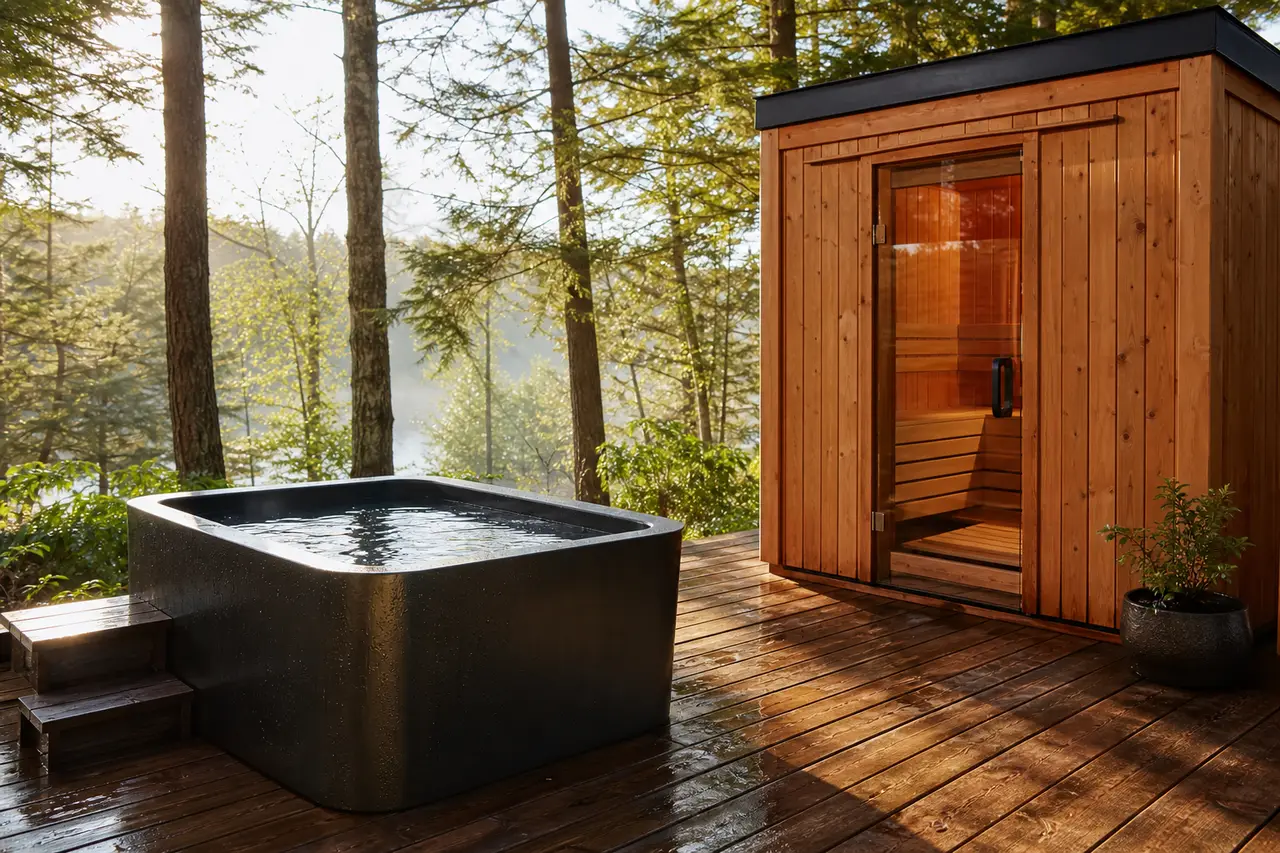
Short answer: A home cold plunge runs from about $150 for a DIY stock tank to $2,000 to $5,000 for a chiller-equipped tub. A home sauna runs from about $200 for a heat tent to $4,000 to $12,000 for a barrel or cabin, and $12,000 to $30,000 built in. The extra money buys convenience, not better results.
A home cold plunge can cost anywhere from about $150 for a DIY stock-tank setup to $5,000 or more for a chiller-equipped tub, and a home sauna runs from roughly $200 for a portable heat tent to $30,000 for a built-in cedar room.
The honest headline: you can get most of the real benefit at the cheap end, and most of the money at the expensive end buys convenience, aesthetics, and temperature control, not better results.
Before you buy anything, it is worth doing the math against a studio membership, because for a lot of people the membership quietly wins.
What does a home cold plunge actually cost?
Three tiers, and they are far apart.
DIY (about $150 to $500). A livestock stock tank plus bags of ice, or a chest freezer converted into a plunge. This genuinely works, cold water is cold water, but you are hauling ice or managing a converted appliance, and the water needs regular changing. Cheapest by far, most hands-on.
Mid-range tubs with a chiller (about $2,000 to $5,000). A purpose-built tub with a chiller unit that holds a set temperature and a filter that keeps the water clean for weeks. This is the tier most people actually want: no ice, consistent cold, low daily effort. The chiller is where the money goes.
Premium built-ins ($6,000 and up). Integrated cold plunges with heaters, sanitation, and app control, sometimes as part of a hot-cold setup. Beautiful, and mostly paying for finish and integration.
Running costs are the part nobody mentions: a chiller runs on and off all day to hold the temperature, adding a modest but real amount to your power bill, and filters and sanitizer are ongoing. Our running cost calculator prices the electricity for your state. For what the cold actually delivers, and what it does not, see our cold exposure and metabolism explainer; the mood and alertness benefits are real, the fat-loss claims are not.
What does a home sauna cost?
Portable and tent saunas (about $200 to $600). A one-person heat tent or a portable infrared unit. Limited, not a true high-heat experience, but a real low-cost entry, especially for infrared warmth.
Barrel and small cabin kits (about $4,000 to $12,000). A cedar barrel or small outdoor cabin with an electric or wood heater. This is a genuine sauna: proper heat, room for one to four people. The sweet spot for most serious home users.
Custom built-in saunas ($12,000 to $30,000+). A room built into or onto your home, often with premium wood, glass, and controls. A real investment in the house as much as in recovery.
Running cost is mostly the heater’s electricity or firewood. Harvia puts a two-hour visit with a 6 kW heater at 7 to 9 kWh, and our running cost calculator turns that into dollars at your state’s rate. If you are choosing between infrared and a traditional heater, our infrared vs traditional sauna comparison walks through the honest difference; they are different experiences, not better and worse.
If a hot tub is the other thing you are pricing, note that the weekly upkeep is where the two genuinely diverge rather than the purchase price. Our sauna vs hot tub comparison covers the chemicals, filters and standing heating cost a sauna simply does not have.
Does a home setup beat a studio membership?
Do the math before you buy. A studio contrast membership runs roughly $100 to $250 a month, so $1,200 to $3,000 a year.
A mid-range home plunge plus a barrel sauna is a few thousand dollars up front plus running costs, which pays back in one to three years of regular use, if you actually use it.
That “if” is the whole question: home equipment only wins when it removes enough friction that you use it far more than you would a studio. If you are not already a consistent two-to-four-times-a-week person, a membership is cheaper and you will not resent the closet full of unused gear.
Our how often should you sauna or cold plunge guide can help you gauge your real frequency honestly.
FAQ: home sauna and cold plunge costs
How much does it cost to run a home sauna? Harvia says a 6 kW heater uses about 7 to 9 kWh over a two-hour visit, heat-up included. At the July 2026 U.S. average of 18.31 cents per kWh, that is about $1.28 to $1.65 a visit. Our running cost calculator works it out for your state and heater.
How much does it cost to run a cold plunge? It depends on how long the chiller runs each day, which makers rarely publish. Renu lists 350 to 500 watts for two of its chillers when cooling; even at 500 watts around the clock, that is 12 kWh a day, about $2.20 a day at the U.S. average, the most it could cost.
Does a home sauna need a 240-volt circuit? A traditional heater usually does: Harvia’s 6 kW Kip60B for the US is a 240-volt model. Clearlight’s Premier IS-3 infrared cabin plugs into a 120-volt, 20-amp outlet. Have an electrician size the circuit.
The honest bottom line
Start cheap and prove the habit before you spend. A stock-tank plunge and a heat tent, or a studio membership, will tell you within a couple of months whether this is a real part of your life.
If it is, a mid-range chiller tub and a barrel sauna capture almost all the benefit without the premium-tier price. Most of the expensive gear is buying convenience and looks, both real, neither necessary. And before you build a full contrast setup, our sauna or cold plunge first guide covers how to actually use it.
For the format decision behind these numbers, our comparisons of home cold plunge setups and home infrared saunas cover what actually separates them.