Myofascial release: what it is, what a session is like, and what the evidence says
Foam rollers, massage guns, and hands-on fascia work all claim to 'release' tissue. What actually changes in a session is more interesting, and more honest, than the marketing.
Short answer: Slow, sustained-pressure bodywork on the fascia around your muscles, done by a practitioner’s hands or by yourself with a foam roller. It reliably produces short-term pain relief and improved range of motion, at 45 to 90 minutes and $80 to $160 a session. The mechanism is nervous-system sensitivity, not fascia being reshaped.
Myofascial release is slow, sustained-pressure bodywork aimed at the fascia, the connective tissue web around muscles, done either by a practitioner’s hands or by yourself with a foam roller or ball.
The honest evidence picture: it reliably produces short-term relief and improved range of motion, and reviews suggest modest benefit for some chronic pain, but the popular explanation, that you are physically breaking up or reshaping fascia, is almost certainly not what is happening.
The relief is real; the mechanism is mostly your nervous system, not remodeled tissue.
What is fascia, and can you really “release” it?
Fascia is the continuous sheet of connective tissue that wraps every muscle, bone, and organ. It is genuinely important, richly innervated, and it can become stiff or sensitive. What it is not is soft clay. Biomechanical work has estimated that meaningfully deforming dense fascia by hand would take forces far beyond what any therapist applies.
So when a tight spot “melts” under sustained pressure, the best-supported explanation is neurological: pressure and slow input change the nervous system’s sensitivity and muscle tone in that area. The result feels like release, which is why the name stuck, but you are being persuaded, not sculpted.
That distinction matters for one practical reason: if the effect is neurological, chasing more pain and more force is pointless. Heavier is not deeper.
What is a session actually like?
Hands-on myofascial work is slower than classic massage. Expect sustained holds, 90 seconds to several minutes on one area, slow gliding pressure without oil, and a therapist following what the tissue does rather than working through a routine.
It should feel intense but not sharp; a good practitioner works at “comfortably uncomfortable” and adjusts when asked. Sessions run 45 to 90 minutes, typically $80 to $160 depending on the city.
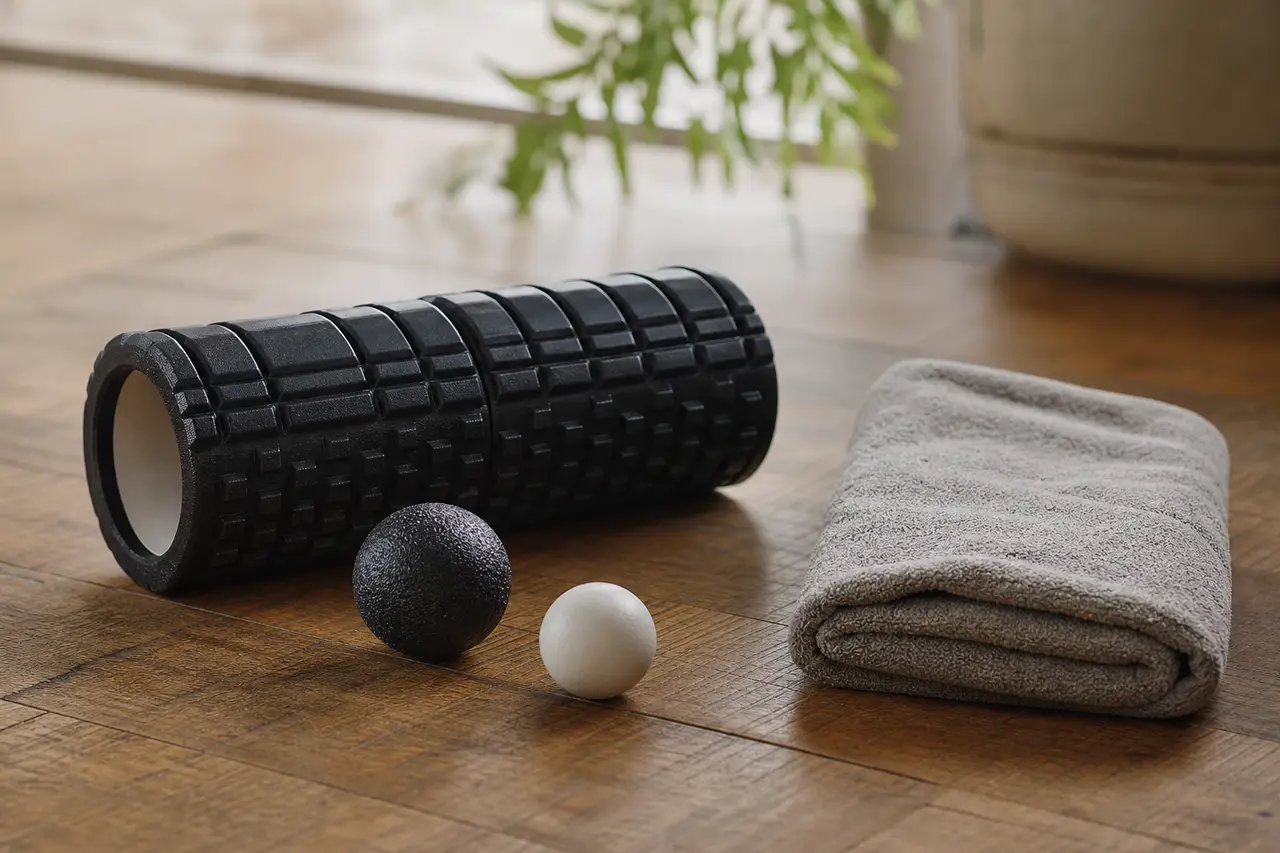
Self-myofascial release, foam rolling, is the budget version: research reviews (including work by Beardsley and Škarabot in the Journal of Bodywork and Movement Therapies in 2015) find it improves short-term flexibility without hurting performance, making it a reasonable warm-up and recovery tool.
What does the evidence support, honestly?
Reasonably supported: short-term reductions in pain and muscle soreness, improved range of motion, and general relaxation. Systematic reviews of myofascial release for chronic musculoskeletal pain, such as low back pain, tend to find modest positive effects but flag small samples and inconsistent methods, which is the polite way of saying it helps some people somewhat.
Not supported: permanent structural change to fascia, “breaking up scar tissue” by hand, releasing stored toxins, or treating disease. If a practitioner leads with those claims, choose another practitioner.
This places myofascial release alongside the other honest bodywork tools: worth trying for tight, achy, stressed bodies, especially if regular massage feels too surface-level, and not a medical treatment. Our types of massage guide shows where it sits among the alternatives.
Who is it for, and who should skip it?
It suits people with desk-body stiffness, athletes managing soreness, and anyone who responds well to slow, deep, sustained pressure. Skip or get medical clearance first if you have a clotting disorder, take blood thinners, have osteoporosis, or are working around a recent injury or surgery.
And if your pain is persistent and unexplained, a diagnosis comes before any table; bodywork manages symptoms, it does not investigate them.
The bottom line on myofascial release
Myofascial release delivers real short-term relief through a mechanism that is more brain than fascia, costs about the same as a good massage, and pairs naturally with the rest of a recovery routine, heat, cold, and actual rest. Treat it as maintenance, not medicine, and it earns its place.
Combine it with a sauna session, covered honestly in our sauna benefits explainer, and you have a genuinely pleasant recovery day with no overclaiming required.