Best wellness retreats in Colorado and the Rockies for 2026
Mountain air, altitude, and big wilderness make Colorado one of the best places in the US to reset. Here's how to choose a retreat that uses the landscape, and how to handle the altitude.
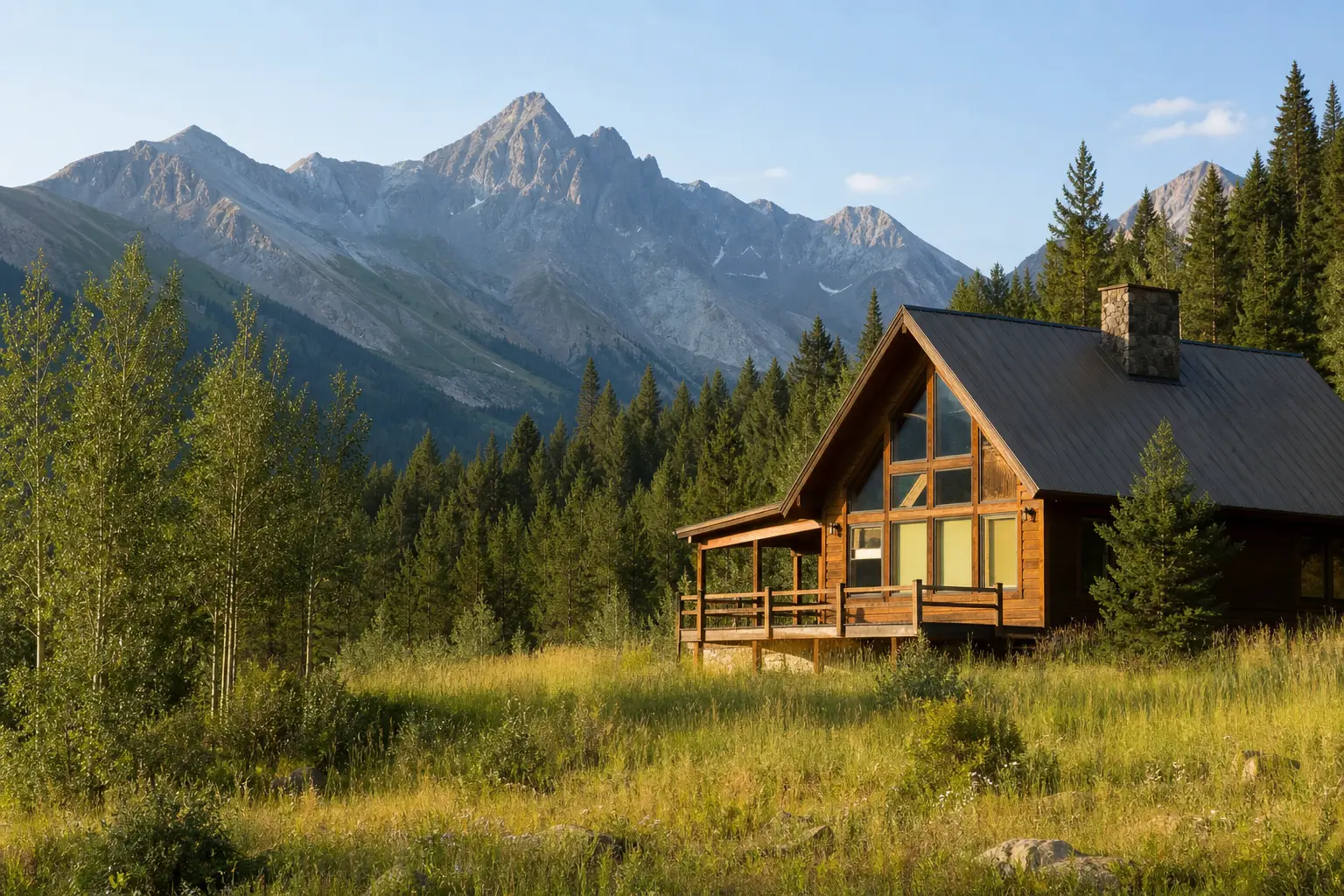
Short answer: Book Colorado for September if you can, arrive a full day before anything strenuous starts, and expect roughly $250 to $600 per person per night outside ski season. Altitude is the part people skip: Estes Park sits near 7,500 feet and the Summit County towns run 9,000 to 9,600, so treat the first 48 hours as gentle.
The longer answer
Book Colorado for September if you can, arrive a full day before anything strenuous starts, and expect roughly $250 to $600 per person per night for a decent mountain retreat, with resort towns in ski season running well above that.
Altitude is the part people skip, and it decides whether your first two days are restorative or miserable. Everything else about choosing a Rockies retreat is downstream of it.
We don’t take placement fees, so nothing here is paid for, and we only recommend what we’d send a friend to.
The altitude is the thing people underestimate
Denver sits at 5,280 feet before you have left the airport. Estes Park is around 7,500 feet, Vail sits near 8,150, and the Summit County towns (Breckenridge, Frisco, Keystone) run from roughly 9,000 to 9,600. A retreat advertised as being in the mountains may well have you sleeping two miles above sea level.
For most healthy people that means a predictable set of first day effects: getting winded on stairs, a mild headache, broken sleep for a night or two, and alcohol hitting noticeably harder. Dehydration comes faster in the dry air, and the UV at elevation will burn you through a cloudy afternoon.
It matters for the practices too. A hard vinyasa block or a hot room at 9,000 feet is genuinely harder than the same class at sea level, and if your retreat includes a cold plunge, breath control is the first thing altitude takes from you. If it is your first plunge, do it on day three, not day one, and read how to breathe during a cold plunge before you go.
The fixes are boring and they work. Arrive a day early, drink more water than feels necessary, go easy on alcohol, and treat the first 48 hours as gentle. If you have a heart or lung condition, are pregnant, or take medication that affects blood pressure, talk to your doctor before booking anything above 8,000 feet. Altitude illness is uncommon at Colorado resort elevations but it is not zero, and the evidence for the supplements sold to prevent it is thin.
When to go: Colorado’s seasons compared
| Window | What it is like | Worth knowing |
|---|---|---|
| Late June to early July | Wildflowers, long days, trails mostly clear | High passes may still hold snow |
| Mid July to August | Warm, busy, afternoon thunderstorms | Start hikes early, be off exposed ground by noon |
| September | Cool, dry, stable, aspens turning gold | The best window, and it books out first |
| October to November | Mud season, quiet, cheap | Many mountain properties close or run limited |
| December to March | Ski season, deep cold, highest rates | Retreats compete with skiers for beds |
| April to May | Second mud season, unreliable trails | Lowest prices, lowest certainty |
If you have flexibility, September is the answer. If you want value, the shoulder weeks cost far less, as long as you accept that a lot will be closed and the weather owes you nothing. Our guide to when to go on a wellness retreat covers the broader timing logic.
How Colorado’s mountain regions differ
Boulder and the Front Range. About 45 minutes from Denver International, at a manageable 5,400 feet, with the deepest concentration of studios and teachers in the state. The easiest first mountain retreat, and the one where altitude is least likely to flatten you. For day sessions rather than a residential program, see our Denver and Boulder sauna and cold plunge guide and the retreats near Denver roundup.
Estes Park and the Rocky Mountain National Park gateway. Roughly 90 minutes to two hours from the airport, at around 7,500 feet. Dramatic and close to serious wilderness, with real crowds in July.
Summit County and Vail. Around 90 minutes to two hours west on I-70, and high. Polished, well served, expensive in winter. Sunday afternoon eastbound traffic on I-70 is a genuine planning factor, so build slack into your departure.
Aspen and the Roaring Fork Valley. Three and a half to four hours by road, or a short flight into Aspen or Eagle. The most upscale end of the state, with prices to match.
Southwest Colorado and the San Juans. Durango is six hours or more from Denver, so fly into Durango or Montrose instead. Rugged, less polished, and the best of the state for genuine remoteness and nature immersion.
Ranch and valley settings. Scattered statewide, often the smallest groups and the best value per night, usually the hardest to reach.
Rockies retreat formats worth the trip
Nature immersion and reset retreats. Built around the mountains, hiking, and rest. What the Rockies do best, and the format that uses the setting rather than just sitting in it.
Yoga and movement retreats. Plentiful, from gentle to athletic. Read the level honestly and adjust down one notch for the elevation.
Hot springs stays. Colorado has a real hot springs corridor along the western slope that pairs well with hiking days. Our US hot springs guide covers the safety points nobody posts at the trailhead.
Therapeutic work and resort stays. The first is quieter and smaller, and needs the hardest vetting of facilitators. The second is comfort first in a mountain town, closer to a high end break than deep inner work.
What a Colorado retreat actually costs
Expect roughly $250 to $600 per person per night for a mid range mountain retreat with meals and sessions included. Rustic ranch and cabin programs sit below that. Resort town properties from December through March, and over the peak foliage weeks, can run double.
Then add what the headline price leaves out: the flight, a rental car or a mountain shuttle, a night near the airport if you are acclimating first, and the single supplement if you travel alone. Our retreat cost breakdown shows what each tier tends to include.
What to ask before booking in Colorado
How high is it, exactly? Ask for the elevation in feet, not “in the mountains.” It changes how you plan your first two days.
What does day one look like? A schedule that opens with a strenuous hike at 9,500 feet was written by someone who has not thought about arriving guests.
How long does it take to get there? Drive time from Denver International is the number that matters, and in winter it is longer than the map says. The first timer’s checklist covers the rest of the vetting.
FAQ: booking a Rockies retreat
Will I get altitude sickness? Most people at Colorado retreat elevations get mild symptoms at worst: headache, breathlessness, broken sleep. Genuine altitude sickness is less common below 10,000 feet but it happens, and it is not related to fitness. If symptoms worsen rather than settle, descending is the reliable fix.
Can I do a cold plunge at altitude? Yes, and plenty of Colorado retreats offer one. Just do not make it your first ever plunge on your first day at 9,000 feet. Give it a couple of days, and check who should avoid cold plunging first.
Do I need a rental car? For Boulder and the Front Range, not really. For the high country or a ranch, rent a car or confirm the retreat runs transfers, because rideshare coverage thins out fast off the I-70 corridor.
Is winter a bad time to go? Not bad, just different and more expensive. Winter suits indoor, restorative, sauna focused programs. For hiking and long days outside, wait for summer or September.
The bottom line on Colorado retreats
Colorado is one of the best places in the country to reset, as long as the retreat uses the mountains and you take the elevation seriously. Aim for September, arrive a day early, go gentle for the first 48 hours, and price the trip all in rather than by the nightly rate.
For other big nature options, our guides to the Pacific Northwest, Utah, Santa Fe and New Mexico, and Southern California use the same approach.