Solo vs group wellness retreat: which is right for you in 2026?
Going alone and going with people are two completely different trips. Here's an honest look at what each one gives you, and how to tell which you actually need.
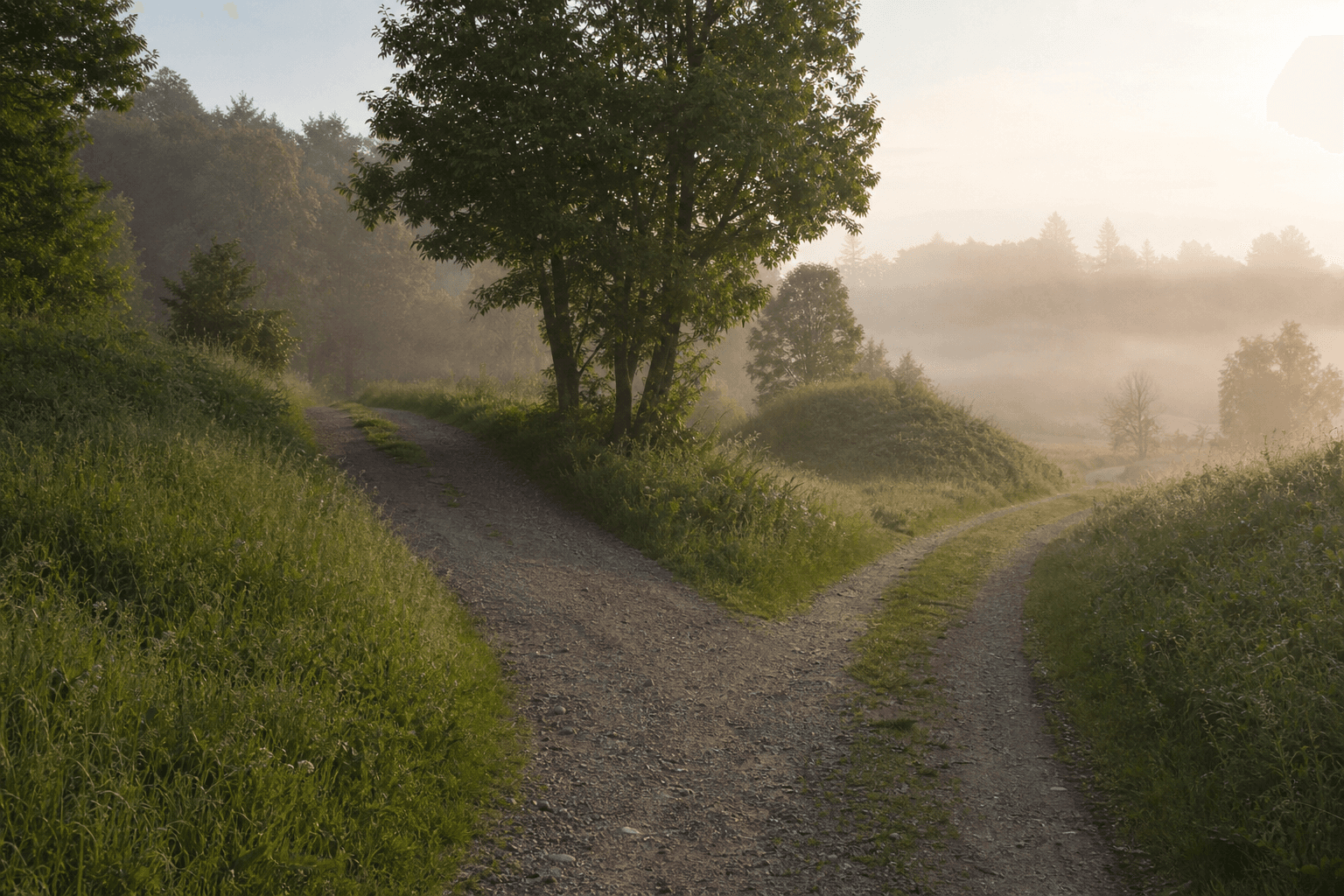
Short answer: Go solo if you want an internal shift, and go with people if you want a shared experience. The test is what you want to come home with: clarity, a reset or a decision points solo; connection, celebration or comfort points group. Budget a single supplement of roughly 30 to 60 percent either way.
Go solo if you want an internal shift, and go with people if you want a shared experience. Those are different trips wearing the same name, and neither is better. The decision rule that works is to ask what you want to come home with. If the answer is clarity, a reset, or a decision, book alone, even if that feels braver. If the answer is connection, celebration, or comfort while you try something unfamiliar, bring your people. Then budget honestly: solo usually means a single supplement of roughly 30% to 60% on top of the shared-room price.
Two different trips wearing the same name
Booking a retreat alone and booking one with friends or a partner are not variations on the same experience. They are different trips with different rewards. People often default to whichever feels less scary rather than choosing the one that fits what they actually want, and then wonder why it did not land.
Here is an honest comparison so you can pick on purpose. We do not take placement fees, so this is just the tradeoffs as we see them, and we only recommend what we would send a friend to.
Solo vs group at a glance
| Going solo | Going with a group | |
|---|---|---|
| What you get | Depth, your own pace, no performance | Shared memory, comfort, connection |
| Social side | Easy company on tap, solitude when you want | Your people from minute one |
| Main tradeoff | Single supplement, an unfamiliar first night | Harder to go deep, group pace wins |
| Best first retreat if | You want a genuine reset | You are nervous about the unfamiliar |
| Typical cost effect | 30% to 60% single supplement | Lower per person if you share a room |
Going solo
What it gives you. Full freedom to follow your own pace, rest when you want, and go as deep as you like without managing anyone else’s experience. Solo retreats are where the real internal shifts tend to happen, because there is no one to perform for.
The social side. You are rarely actually alone. Retreats are full of solo travelers, and the shared schedule, meals, and sessions make it easy to connect without effort. You get company when you want it and solitude when you do not.
The tradeoffs. You will usually pay a single supplement for a private room, or share with a stranger. The first night can feel unfamiliar. And there is no one to debrief with on the drive home, which some people love and others miss.
Best for. A genuine reset, a transition, processing something, or simply protecting your own pace. Also the better choice if your daily life is full of other people’s needs.
If this is your direction, our solo retreat guide covers the practicalities and the roundup of where solo feels safest is the shortlist we would start from.
Going with a group
What it gives you. Shared experience and someone to laugh with. A retreat with a partner or close friends can deepen the relationship, and a small group of friends can turn it into a memory you all keep.
The social side. Comfort and ease, especially for a first retreat. You arrive with your people, so the unfamiliar setting feels safer from the start.
The tradeoffs. You will naturally manage the group’s pace and moods, which pulls energy outward rather than inward. It is harder to go deep when you are half-tracking whether everyone else is okay. And group dynamics can follow you onto the retreat, for better or worse.
Best for. Connection, celebration, a shared first experience, or anyone who finds solitude draining rather than restoring.
The logistics get more complicated fast with three or more people, and our guide to booking wellness for a group covers the rooming and payment questions worth settling before anyone pays a deposit.
The honest test
Ask what you want to come home with. If the answer is an internal shift, more clarity, a reset, a decision, go solo, even if it feels braver. If the answer is connection, shared memory, or simply comfort while you try something new, go with your people.
A useful middle path for a first timer who is nervous: go solo, but pick a structured, well-established retreat with group sessions built in. You get the internal space of solo with the easy, low-pressure company of a cohort. Our guide to matching retreat type to goal helps narrow that down.
One more filter: how much silence is on the schedule. A silent retreat erases most of the difference between solo and group, because you are not talking to your friends anyway.
Going as a couple is its own category
A couple is not really a group, and it does not behave like one. You get the debrief and the shared memory without the committee, but you also get whatever is already happening between you, amplified by a week without distraction.
That can be excellent. Retreats designed around connection do genuine work, and our guide to couples retreats covers the formats built for it.
It can also go sideways if one of you is enthusiastic and the other was talked into it. If that sounds familiar, going with a skeptical partner is worth reading before you book anything with the word “ceremony” in the description.
A note on cost
Solo almost always means a single supplement for a private room, commonly somewhere between 30% and 60% on top of the shared rate depending on the property. Factor it in before you compare headline prices, because a retreat that looks cheaper per night can end up costing more once you are not sharing.
Going as a pair or group can lower the per-person room cost, but watch for shared-room assumptions in the headline price. Some retreats quote the per-person double occupancy rate by default, which makes them look cheaper than they are for a solo traveler.
Either way, confirm the room arrangement in writing before you book. Our buyer’s FAQ on refunds and single supplements covers the questions worth asking, and the retreat cost guide sets expectations for what each budget buys.
FAQ: choosing solo or group
Will I be the only person on my own? Almost certainly not. Solo travelers are a large share of most retreat bookings, and communal meals and shared sessions make it easy to fall into conversation. The awkward part is usually the first hour, not the week.
Can I go solo on a retreat where I know nobody and stay introverted? Yes, and good retreats protect that. Look for a schedule with real free blocks rather than back-to-back programming, and ask whether meals are communal or optional. Nobody will make you perform enthusiasm.
Is a group retreat a bad idea for a first timer who wants depth? Not bad, just harder. You will get more comfort and less depth. If depth is the point and the nerves are the obstacle, the better fix is a structured solo booking with a strong cohort, not bringing a friend along to make it easier.
What if my friend wants a different kind of retreat than I do? Take that seriously rather than compromising into something neither of you wants. A silent meditation week and a hiking-and-spa week are not close enough to split the difference. Two separate trips usually beat one mediocre shared one.
The bottom line on solo vs group retreats
Solo is for going inward. Group is for going through it together. Neither is better, they are answers to different questions, and the fastest way to decide is to name what you want to come home with.
If you are still unsure, our first-timer’s checklist and the FAQ cover the practical side, and you can browse options on the retreats page.