Solo wellness retreat: a guide to going alone in 2026
Going on a retreat by yourself sounds daunting, but it's often the most rewarding way to do it. Here's what to expect and how to choose one that's good for solo travelers.
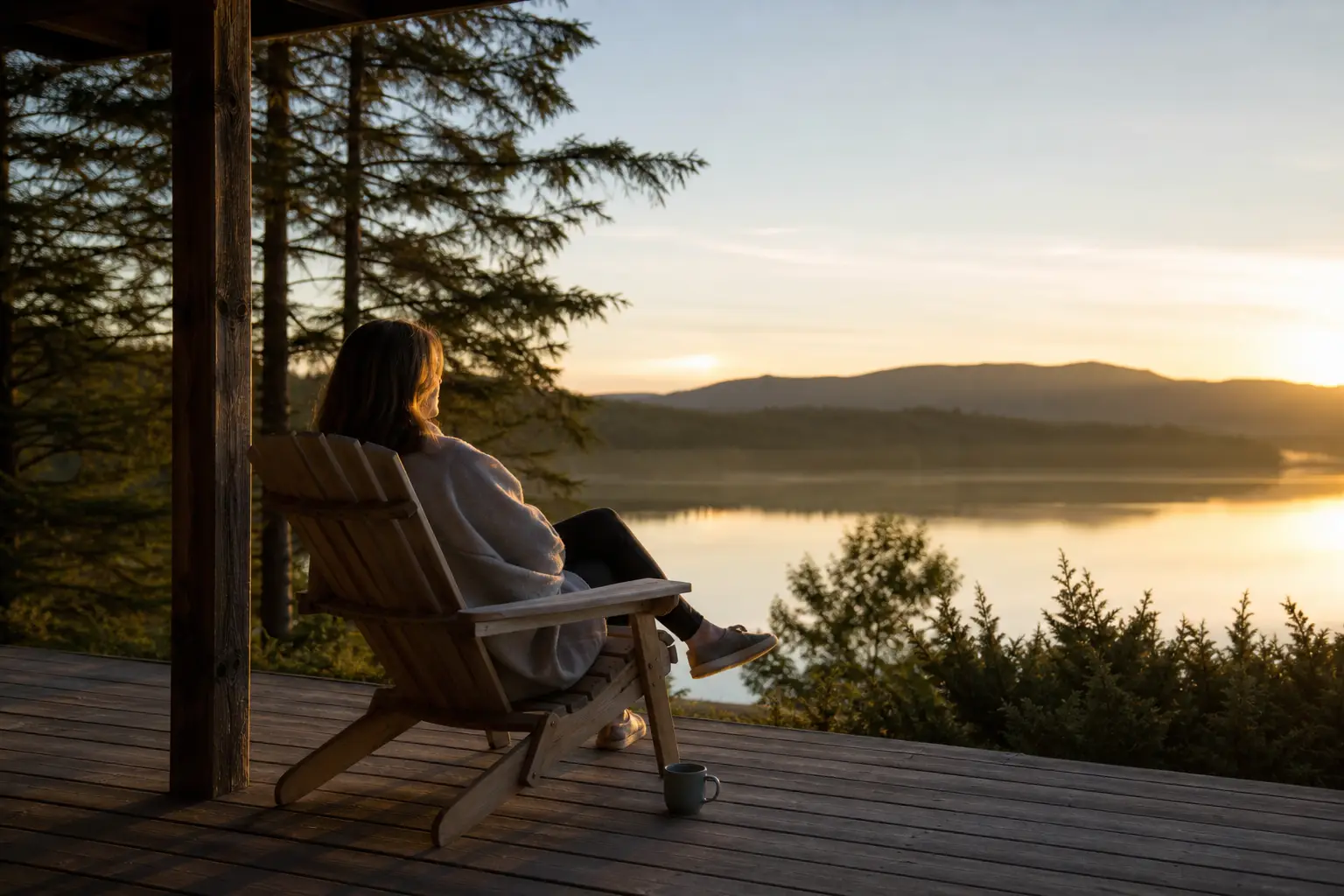
Short answer: Yes, go alone. Solo guests are a normal part of any retreat group, and the shared meals and sessions make connection optional rather than forced. Choose a retreat that explicitly welcomes solo travelers, budget for the single supplement, roughly 25 to 50 percent over the shared rate, and favor a group of eight to twenty.
Should you go on a retreat alone?
Yes. A large share of the people at any given retreat came by themselves, and many will tell you it’s the best way to do it. You keep your own pace, you go as deep or as light as you want, and the group structure of a good retreat means you’re never truly on your own unless you choose to be.
The practical decision comes down to three things: pick a retreat that explicitly welcomes solo guests, budget for the room setup you actually want (a private room usually costs more than the shared-room rate), and keep the group small enough that solo travelers blend in naturally. Get those three right and going alone is the easy version, not the brave one.
This guide covers what to expect and how to choose. We don’t take placement fees, so nothing here is paid for.
Why solo is often the best way
You don’t compromise. No negotiating the schedule or the intensity. You do what serves you, skip what doesn’t, and nobody’s disappointment follows you to dinner.
It’s easier to go inward. Real reflection is simpler without a familiar person beside you and the social habits that come with them. People who travel with a partner often report staying in their usual roles all week.
You meet people on your own terms. Shared meals and group sessions make it easy to connect when you want to, and easy to keep to yourself when you don’t. Retreats are one of the few travel formats where solo guests are the norm, not the exception.
It builds something. Doing it alone is quietly confidence-making in a way that traveling with company isn’t. If you’re weighing the tradeoff directly, our solo vs group retreat comparison breaks it down.
The honest hard parts
It’s not all easy, so let’s be straight. The first evening can feel lonely or awkward before the group settles. That almost always passes by the second day, once shared meals and sessions do their work, but expect it.
Quiet stretches can bring up more when there’s no one to distract you. That’s often the point, but it can still be hard, especially if you’re going through something. If anxiety or burnout is part of why you’re going, our guide to retreats for anxiety and burnout covers choosing for that.
And solo travel asks for a bit more attention to logistics and safety. None of this is a reason not to go. It’s a reason to choose a supportive, well-run retreat.
What going solo actually costs
The retreat itself costs the same whether you come alone or with someone. The variable is the room. Here’s how the options usually compare:
| Room setup | What it means | Cost reality |
|---|---|---|
| Shared room | You room with another solo guest, usually same gender | The listed per-person rate, the cheapest way in |
| Private room (single supplement) | Your own room at a surcharge | Expect a meaningful premium over the shared rate, sometimes 25 to 50 percent |
| Private room, flat pricing | Some retreats price rooms, not people | No penalty for coming alone, worth seeking out |
Sharing with a stranger sounds worse than it usually is: you’re mostly in the room to sleep. But if privacy is part of the reset for you, pay for it and don’t feel bad about it. For the bigger budget picture, our retreat cost guide covers what multi-day retreats run all in.
What to look for in a solo-friendly retreat
A welcoming setup for solo guests. Shared meals, group sessions, and a sociable rhythm make it easy to connect. Retreats built around couples or private bookings can feel isolating alone.
Single-room options and clear pricing. Check whether you’ll share a room or can get your own, and watch for single-occupancy surcharges buried in the fine print.
The right group size. Small enough to feel personal, large enough that you’re not the only solo guest. Roughly eight to twenty people tends to work well.
A safe, reputable setting. Especially traveling alone, the location, the hosts, and their track record matter. Read reviews from other solo guests specifically, check how the retreat handles arrivals and transfers, and share your itinerary with someone at home. Our guide to booking a retreat online safely covers vetting the business side, and our solo retreat safety guide looks at where solo travelers are well taken care of.
How to choose a solo retreat
Decide what you want from the time: rest, a practice, or space to think. Then pick a format that matches and explicitly welcomes solo travelers. Check the rooming and pricing, keep the group small, and favor places with a sociable shared rhythm so connection is easy when you want it.
If the description mentions solo guests, welcome dinners, or community meals, that’s a good sign. If every photo shows couples and the pricing assumes two people, keep looking.
FAQ: going on a retreat alone
Is it weird to go on a wellness retreat alone? No. Solo guests are a normal, often large part of any retreat group, and shared meals and sessions make connecting easy. Many regulars prefer going alone precisely because it lets them focus on themselves.
Is a solo wellness retreat safe? Generally yes, if you choose a reputable retreat with a track record. Vet the hosts, read solo-guest reviews, confirm airport or station transfers, and leave your itinerary with someone at home, the same basics as any solo trip.
Do solo travelers pay more at retreats? Often, yes. If you want a private room, expect a single supplement over the shared-room rate. Sharing with another solo guest avoids it, and some retreats price by room rather than per person.
Will I be forced to socialize? No. Good retreats make connection available, not mandatory. You can join shared meals and group sessions when you want company and take meals or free time alone when you don’t.
The bottom line on going alone
A solo wellness retreat is simply going by yourself, and far from a lesser option, it’s often the fullest way to experience one. Choose a supportive, solo-friendly retreat, budget honestly for the room you want, and go in willing rather than fearless.
To prepare, our first-timer’s checklist covers vetting, wellness retreat etiquette covers what to expect, and if you might go with a partner instead, our couples retreats guide weighs that.