Mindfulness meditation: what it is, what it isn't, and how to actually start
The practice behind the buzzword, what the evidence shows, and a beginner approach that sticks.
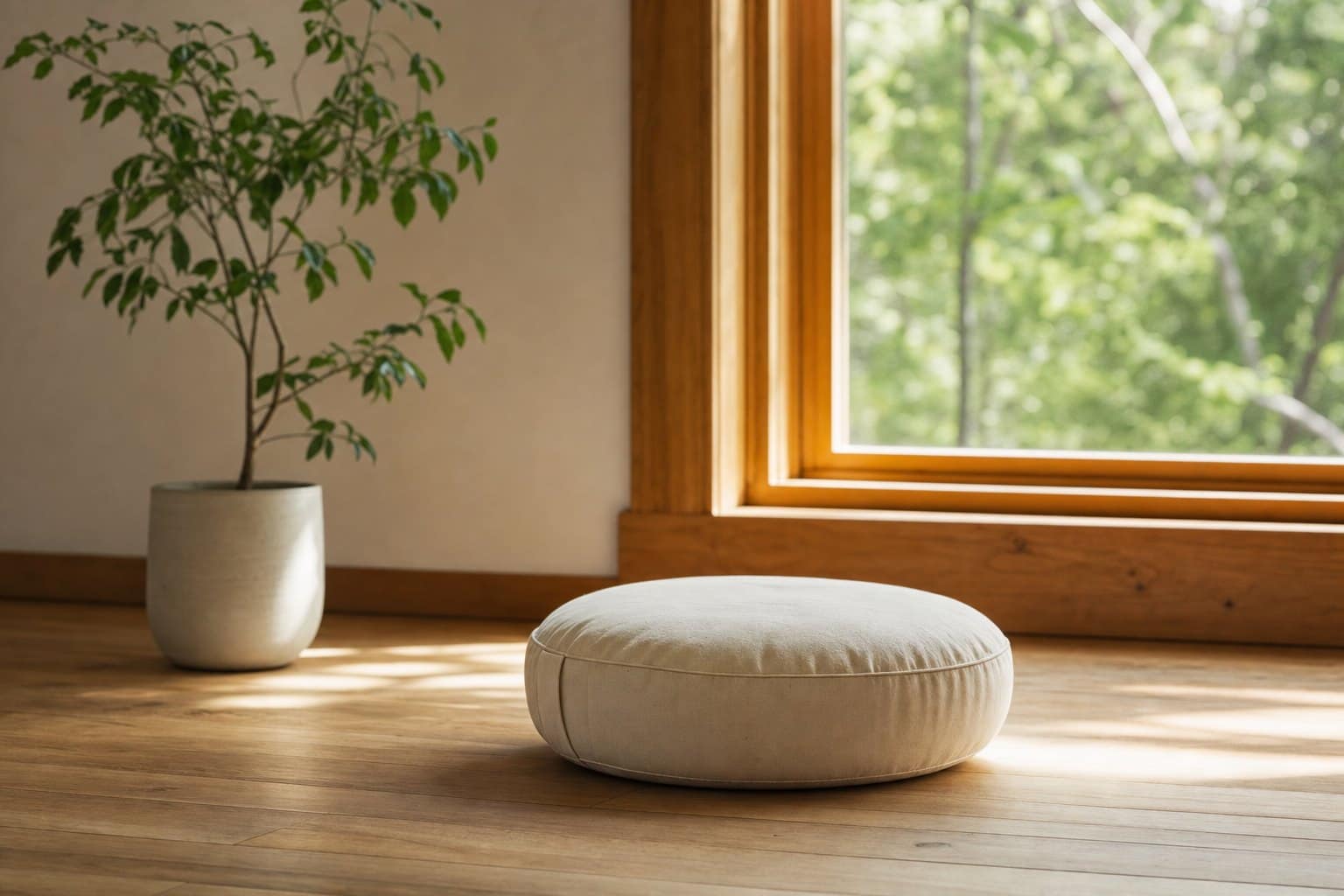
Short answer: Mindfulness meditation is deliberate attention to the present, usually the breath, noticing when the mind wanders and returning. That return is the exercise. Evidence is reasonable for stress, anxiety, attention and depressive relapse; the brain-rewiring and cure-all claims are not. Start with five guided minutes a day and judge it on consistency over weeks.
Mindfulness is the most-studied and most-misunderstood practice in wellness. It’s been flattened into a brand, an app, a workplace initiative, a aesthetic, while the actual skill sits quietly underneath, waiting. What follows is the grounded version: what mindfulness meditation really involves, what the research genuinely shows, and how to build a practice that survives contact with ordinary life.
What mindfulness meditation is
Mindfulness meditation is the deliberate practice of paying attention to the present moment, usually the breath, the sensations in the body, or ambient sounds, without trying to change what you notice. The moment the mind wanders (and it will, constantly), you notice that it has wandered, and you gently return. That return is the essential movement. It’s not a failure; it’s the actual exercise.
Formal mindfulness practice traces its roots to Theravada Buddhist meditation but was adapted into secular clinical settings beginning in the late 1970s, most notably through Jon Kabat-Zinn’s Mindfulness-Based Stress Reduction (MBSR) program. Today it encompasses a spectrum of related practices, from focused-attention breath work to open-monitoring (observing whatever arises) to walking and movement forms.
What a sitting session is like
In a typical sitting session, you find a stable, upright position, chair, cushion, or floor, close your eyes or soften your gaze downward, and direct your attention to the physical sensation of breathing: the rise and fall of the chest, the feeling of air at the nostrils. When a thought, emotion, or sound pulls your attention away, you note it without judgment and return.
A beginner session might run five to ten minutes. Structured programs like MBSR typically build toward 30 to 45 minutes of daily formal practice over eight weeks, combined with informal practice, bringing the same quality of attention to everyday tasks like eating or walking.
Many people find a guided audio session (an app or a recorded teacher) easier to sustain than sitting alone in silence, especially at first.
The texture of the practice varies: some sessions feel calm and anchored; others feel like doing nothing but chasing runaway thoughts. Both are valid. Progress in mindfulness isn’t linear, and it rarely feels as good as it looks on a wellness brand’s Instagram.
What the evidence says about mindfulness
- Reasonable evidence for: Reduced self-reported stress and physiological stress markers; reduced rumination; improved sustained attention and working memory; meaningful reduction in anxiety symptoms; reduced risk of depressive relapse in people with recurrent depression (MBCT, Mindfulness-Based Cognitive Therapy, has strong trial support here); modest improvements in chronic pain coping.
- Debated or mixed: Whether mindfulness produces structural brain changes beyond what other training produces; whether apps deliver comparable outcomes to in-person instruction; whether benefits persist long-term without continued practice.
- Not established / overstated: Claims that mindfulness “rewires the brain” in ways unique to meditation (most neuroimaging studies are small and often lack active controls); that it treats or prevents serious mental illness on its own; that more is always better, research suggests a point of diminishing returns for healthy adults, and some people with certain trauma histories find prolonged introspection destabilizing.
Benefits regular meditators report
Beyond what clinical trials measure, people who maintain a regular mindfulness practice consistently describe: a greater gap between impulse and reaction (less snapping, more choosing), reduced sense of being overwhelmed by a busy schedule, better sleep onset, a subtle but real shift in how they relate to chronic discomfort, and an improved ability to be genuinely present with other people. These are harder to quantify but worth taking seriously as signals.
Who mindfulness is for, and who should skip it
Mindfulness practice is accessible to most adults and requires no special equipment, belief system, or physical ability. It’s particularly well-suited to people dealing with everyday stress, anxiety, or attention difficulties, and to those exploring the yoga nidra guide or other contemplative practices who want a simple, foundational anchor.
Use caution, or work with a trauma-informed teacher, if you have a history of dissociation, PTSD, or psychosis. Some people find extended breath-focused practice destabilizing, particularly if they have unresolved trauma. “Meditation-induced adverse events” are documented and real, though uncommon in healthy populations doing moderate practice. If introspection consistently feels dysregulating rather than settling, that’s worth discussing with a therapist before continuing.
Mindfulness is not a replacement for psychiatric care, therapy, or medication for diagnosed mental health conditions, it’s an adjunct.
What meditation courses and apps cost
Free options: MBSR course recordings are widely available online; apps like Insight Timer offer free guided sessions. App subscriptions: $70 to $100/year (Headspace, Calm, Waking Up). In-person MBSR program: $300, 600 for the full eight-week course; reduced fees or sliding scale often available. Day retreats: $75, 200. Silent residential retreats: $100, 500+ for a weekend, though many vipassana meditation centers operate on donation (dana) after your first retreat.
How to choose your entry point
If you’ve never meditated before, a short guided practice (five minutes, audio-led) is the highest-probability starting point, not a retreat, not a month-long commitment. Anchor the session to an existing daily habit so you don’t rely on motivation to remember it. Build consistency before building duration.
If you want structured progression, an eight-week MBSR course (in-person or online with a qualified instructor) is the most evidence-supported pathway. If you’re specifically dealing with recurrent depression, MBCT is the form with the strongest clinical evidence and worth pursuing with a qualified therapist.
For those drawn to loving-kindness and compassion dimensions of the practice, loving-kindness meditation extends naturally from the concentration skills built here. For those who find sitting still genuinely difficult, walking meditation offers the same attentional training in motion.
FAQ: mindfulness meditation
Do I have to sit still and cross-legged? No. Any stable position where you’re unlikely to fall asleep works, chair, bench, floor with back support. The cross-legged cushion posture is cultural, not functionally required. Walking meditation, body scans done lying down, and movement practices all count.
How long before I notice anything? Most people report noticing subtle shifts in reactivity and stress within two to four weeks of daily practice (even five to ten minutes). The MBSR research shows meaningful changes at eight weeks. Individual variation is large, some people feel something after one session, others take months. Patience is not optional.
Is mindfulness the same as meditation? Mindfulness is a quality of attention; meditation is the formal training ground for developing it. All mindfulness meditation is meditation, but not all meditation is mindfulness (focused visualizations, mantra repetition, and loving-kindness are related but distinct practices with their own evidence profiles).
Can mindfulness make anxiety worse? For some people with trauma histories or panic disorder, focusing on the breath or body can trigger rather than soothe. If that’s your experience, it doesn’t mean you “can’t do it”, it means you need a trauma-informed teacher or a different entry point, like open-monitoring practice or movement-based forms.
The honest summary on mindfulness
Mindfulness meditation is simple, free, and supported by more high-quality research than almost anything else in wellness. The benefits for stress, anxiety, and attention are real and well-replicated. The hype, miracle brain rewiring, spiritual transformation, cure-all status, is not.
Start with five minutes a day, use guidance, and measure success by consistency over weeks, not by how calm any single session felt. That’s the whole practice.
If an app is how you will get that guidance, our honest comparison of the meditation apps covers Headspace, Calm, Waking Up, Insight Timer and the free options.