Rebirthing breathwork: what it is and what a session feels like
Connected conscious breathing, what actually happens, the states it can bring up, and how to do it safely.
Short answer: Rebirthing is 30 to 60 minutes of continuous connected breathing, exhale flowing straight into inhale with no pause, lying down with a facilitator. Expect tingling, tetany in the hands, temperature waves and emotional surges. It is not relaxation. Skip it with cardiovascular conditions, epilepsy, pregnancy or psychosis, and never do it alone.
Rebirthing breathwork, sometimes called conscious connected breathing, is one of the more intense breathwork practices available, and one of the least well understood outside the communities that use it. It’s not a relaxation technique. It’s a sustained, altered-state experience that can be deeply cathartic for some people and genuinely disorienting for others. Going in informed makes a real difference.
What rebirthing breathwork is
Rebirthing breathwork uses a specific breathing technique: a continuous, connected rhythm in which the exhale flows directly into the next inhale with no pause between them. You breathe in this circular pattern, usually through the mouth or nose, depending on the facilitator’s approach, for 30 to 60 minutes without stopping.
The sustained hyperventilation-adjacent pattern shifts the balance of oxygen and carbon dioxide in the blood (technically respiratory alkalosis), which is what produces the physical sensations people describe. This is not dangerous at the intensities used in a guided session, but it is physiologically significant.
The practice was developed in the 1970s by Leonard Orr, who believed the technique could release birth trauma held in the body. Most contemporary practitioners have moved away from that literal framework and describe the practice in terms of emotional release, nervous system regulation, and somatic processing, though the name sticks.
What a rebirthing session is like
You arrive and typically spend 10, 20 minutes with the facilitator talking through your intention, any concerns, and the physical sensations to expect. This intake matters; a good facilitator uses it to calibrate how they’ll support you.
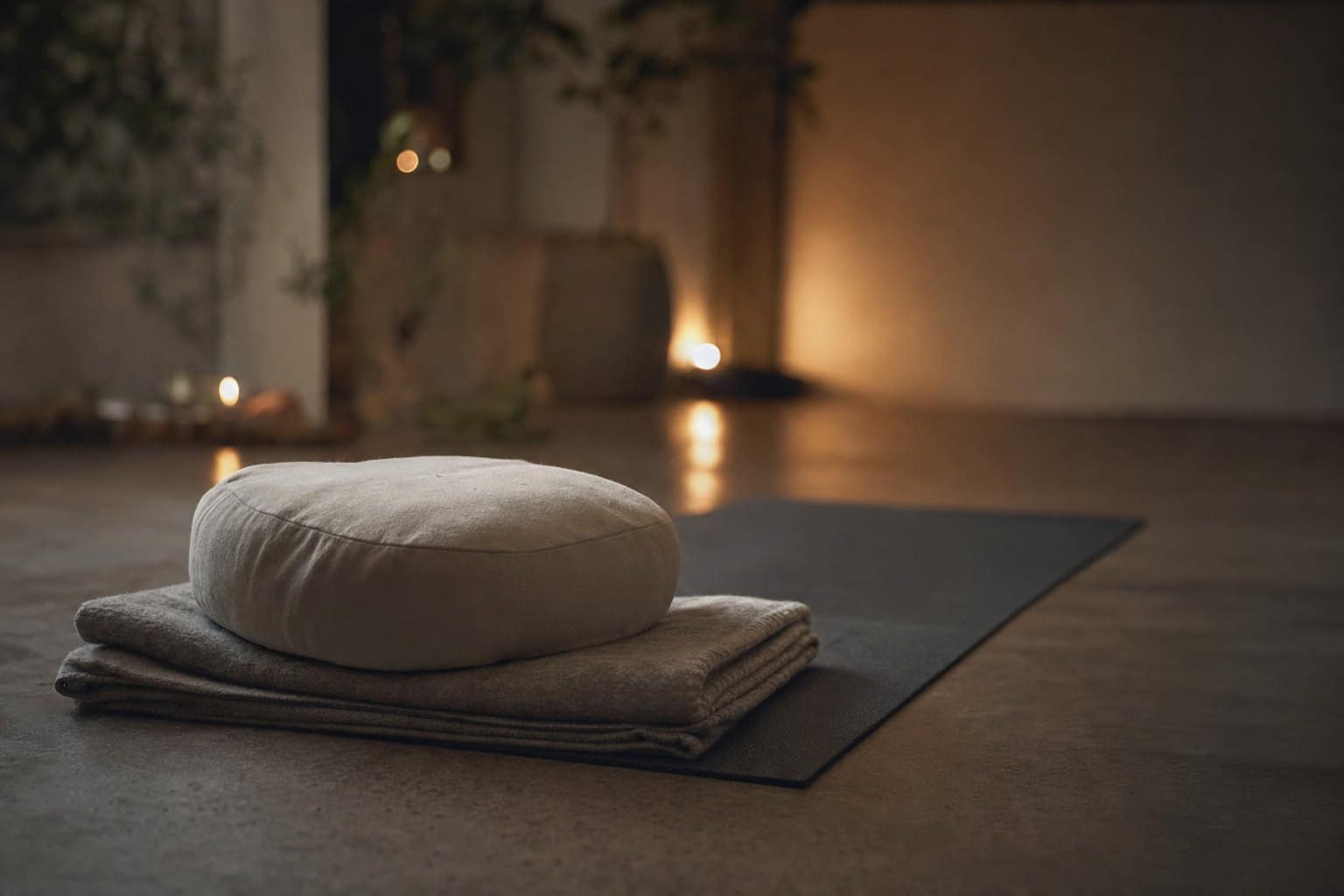
You lie down on a mat or cushioned surface, close your eyes, and begin the connected breathing pattern under the facilitator’s instruction. For the first several minutes it may feel awkward or effortful, the no-pause rhythm is counter to how we normally breathe.
Within 10, 20 minutes, most people start experiencing physical phenomena:
- Tingling or numbness in the hands, face, or feet
- Tetany, temporary involuntary muscle tightening, especially in the hands (forming a claw-like shape), normal, passes when breathing slows
- Temperature changes, waves of heat or cold moving through the body
- Emotional surges, grief, joy, fear, or relief can rise without obvious trigger
- Visual phenomena with eyes closed, colors, patterns, or impressionistic imagery
Some people cry. Some laugh. Some lie very still. Some experience what practitioners describe as a “release”, a wave of something shifting and settling. Not everyone has a dramatic session; some find the first experience more physical than emotional and build from there.
The facilitator stays close throughout, normalizing what comes up, offering physical grounding if tetany is strong, and guiding a gradual slowing of the breath toward the end. The close-down period, 10, 20 minutes of slow, natural breathing, is as important as the session itself. You leave with time to integrate; driving immediately after is not advisable.
What the evidence says about connected breathing
- Reasonable evidence for: breathwork generally (including slower-paced forms) showing measurable reductions in anxiety and stress markers, improved heart rate variability, and positive effects on mood. The physiological mechanisms, CO2 shift, vagal activation during the recovery phase, are well understood.
- Debated or mixed: whether rebirthing-style hyperventilatory breathing specifically produces better or more durable therapeutic outcomes than gentler breath practices like pranayama or mindfulness-based breathing. The research base for rebirthing specifically is thin; most good breathwork studies use different protocols.
- Not established / overstated: the literal “birth trauma release” framework that names the practice; claims that it heals specific physical diseases; guarantees of emotional transformation. The altered states are real; the explanatory framework around them is speculative.
Related somatic practices that work with nervous system activation and trauma stored in the body: somatic experiencing and TRE use movement and body sensation rather than breath to access similar material.
Benefits people report from a session
Regular practitioners and first-timers with positive experiences frequently report:
- Emotional release, a sense of having processed something that had been stuck, with lasting lightness afterward
- Reduced anxiety, the forced confrontation with intensity, followed by calm, can recalibrate the nervous system’s threat response
- Heightened body awareness, people often notice more about how they carry tension after a session
- A sense of clarity, similar to the post-meditation quality but more arrived-at than rested-into
- Grief or joy processing, useful for people in transition or carrying unprocessed loss
These are subjective and hard to verify. They’re also consistently reported enough across diverse populations to take seriously.
Who rebirthing is for, and who should skip it
Good fit: People drawn to somatic or body-based emotional work; those who’ve found talk therapy alone insufficient for processing held emotion; people comfortable with intensity who want something more active than meditation; individuals working with grief, stuck patterns, or a desire for cathartic release.
Skip or get medical clearance first if you have:
- Cardiovascular conditions, the physiological stress is real and significant
- Epilepsy, the altered brain states can be a trigger
- Pregnancy, not appropriate; the hypocapnia (CO2 reduction) affects fetal oxygen
- Active psychosis or schizophrenia, can intensify confusion and dissociation
- Recent trauma without therapeutic support, rebirthing can open material that requires professional containment; do not use it as a substitute for trauma therapy if you’re in an acute phase
- Asthma or respiratory conditions, consult a doctor; the sustained breathing pattern is demanding
Never do a rebirthing session alone. The intensity, the tetany, and the altered states are normal within a facilitated container, potentially frightening or dangerous without one.
What a rebirthing session costs
Sessions with a trained individual facilitator typically run $100, $250 for a 90-minute to two-hour appointment. Group rebirthing sessions or retreat contexts are often $40, $120 per session. Practitioners vary widely in background: some come from psychotherapy or somatic training; others come primarily from breathwork lineages. Price alone is not a quality indicator.
How to choose a rebirthing facilitator
- Ask about their training: breathwork-specific certifications (IBF, Rebirth International), somatic therapy background, or both are relevant
- A good facilitator conducts a thorough intake and is clear about contraindications, if they don’t ask about your health history, walk away
- They should be calm and grounded during the session, not dramatic or performative, not absent
- Look for someone with supervision or peer support in their own practice; this is emotionally demanding work
- First session: treat it as an assessment of fit as much as the session itself; you should feel safe with this person before breathing
FAQ: rebirthing breathwork
Will I relive being born? Some people experience something that feels like it; most don’t. The “rebirthing” framing is the origin story of the practice, not a guaranteed content of the experience. What you experience is real regardless of how you interpret it.
Is the tetany (hand cramping) dangerous? No, it’s temporary muscle tightening caused by the CO2 shift, not a sign of injury. It resolves when you slow your breathing. A good facilitator will have told you to expect it.
How is rebirthing different from Holotropic Breathwork? Both use hyperventilatory connected breathing for emotional and altered-state effects. Holotropic Breathwork (Stanislav Grof) is longer (2, 3 hours), uses music more deliberately, and involves a partner/sitter model. Rebirthing tends to be shorter and one-on-one. The physiological mechanism is similar.
How many rebirthing sessions do people need? There’s no standard course. Some people find a single session genuinely useful; others work with a facilitator over months. It depends entirely on what you’re bringing to it.
The honest summary on rebirthing
Rebirthing breathwork is a powerful, body-based practice with real physiological and emotional effects, closer to deep somatic work than to a calming routine, and definitely not the right entry point for everyone. Done with a trained facilitator and proper contraindication screening, it can be a meaningful and sometimes profound release.
The evidence base is thin for its specific claims, but the experience is real, and many people find it useful where gentler practices have not been. Approach it informed, with a practitioner you trust, and with reasonable expectations about what it can and can’t do.