Cold plunge benefits: what the science actually shows in 2026
Cold plunging is sold as a cure for almost everything. The real evidence is narrower, more interesting, and worth knowing before you sit in an ice bath three times a week.
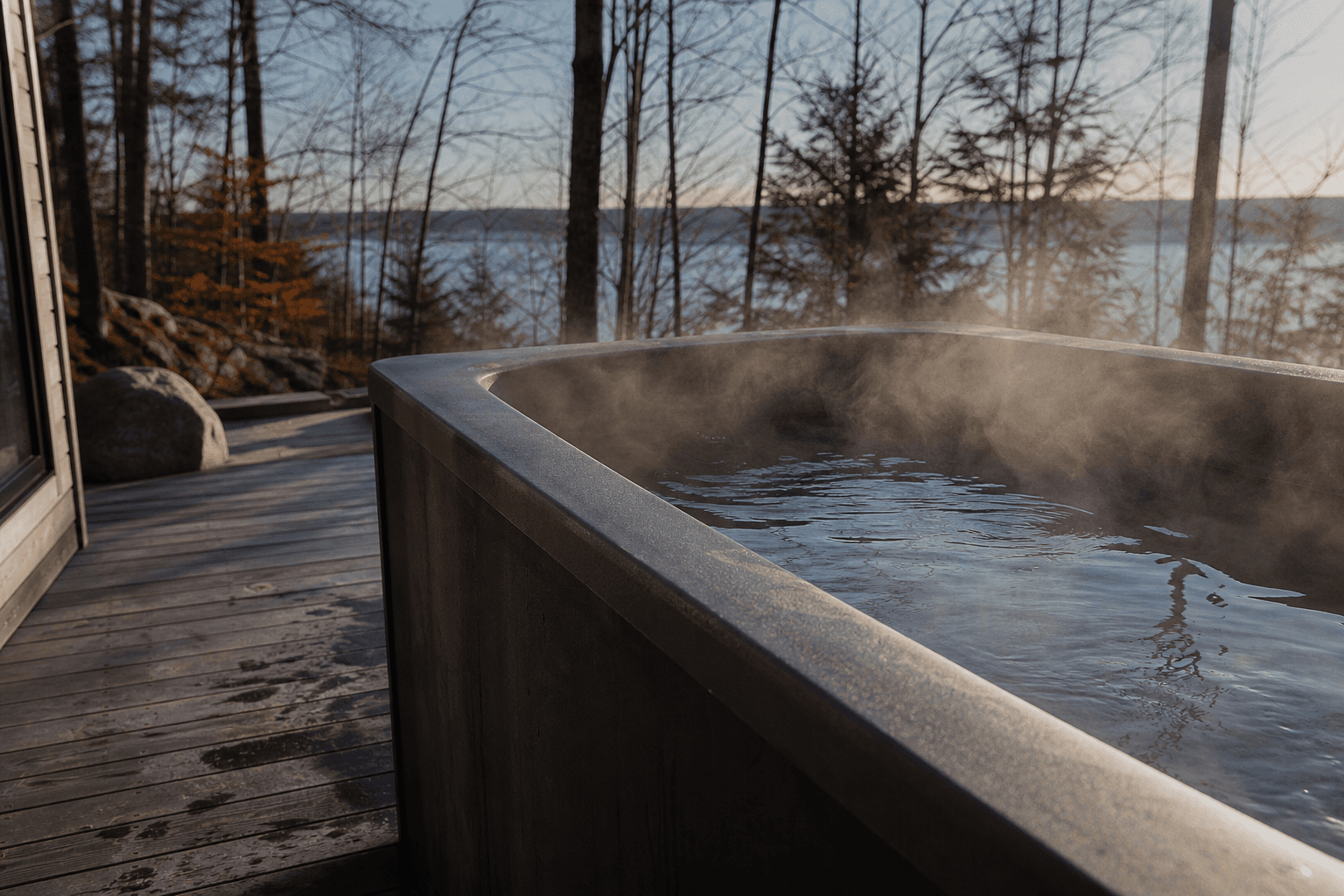
Short answer: Cold plunging lifts mood and alertness for a few hours and makes recovery from training feel better. That is most of what holds up. It is not a treatment for any condition, the fat-loss claims are weak in humans, and it is a real cardiovascular stressor. Two or three short weekly sessions, high 40s to low 50s.
Cold plunging gives most people a real, reliable lift in mood and alertness for a few hours, and it makes recovery from training feel better. That is most of what the evidence supports. It is not a proven treatment for any medical or mental-health condition, the large metabolic and fat-loss claims are weak in humans, and it is a genuine cardiovascular stressor rather than a gentle add-on. Two or three short, calm sessions a week in water in the high 40s to low 50s is where the sensible version of this practice lives.
What the hype gets wrong
Cold plunging is having a long moment, and the claims have run ahead of the evidence. You will see it sold as a fix for inflammation, metabolism, immunity, depression, and more. Some of that has real support. A lot of it is extrapolation from small studies, animal research, or one charismatic podcast.
Here is an honest read of what cold water immersion actually does, what it probably does not, and how to approach it sensibly. We are a curation marketplace, not a clinic, so we will be straight about the limits.
What the evidence reasonably supports
A genuine mood and alertness lift. Cold immersion triggers a sharp rise in noradrenaline and dopamine, and most people feel clearer, more awake, and lifted for a few hours after. This effect is well documented and is probably the most reliable benefit. It is a big part of why people keep going back. Our deeper look at cold exposure and dopamine covers what that research does and does not establish.
Subjective recovery and feeling better after training. Athletes have used cold for soreness for decades, and people consistently report feeling less beaten up. The feeling is real, even where the deeper physiology is still debated.
A trainable stress response. Voluntarily staying calm in a strong, safe stressor seems to help some people regulate their response to stress more broadly. The research here is early, but the mechanism is plausible and the lived experience is common.
Notice what those three have in common. They are all about how you feel and how you respond, and none of them are disease claims. That is the honest shape of this evidence base.
Where each claim actually sits
| Claim | How the evidence looks | What to do with that |
|---|---|---|
| Mood and alertness lift for a few hours | Well documented, most reliable | The main reason to bother |
| Feeling less sore and better recovered | Consistently reported, physiology debated | Real enough to be useful |
| Better tolerance of stress generally | Early, plausible mechanism | Promising, not proven |
| Large metabolic or fat-loss effects | Weak in humans | Do not plunge for this |
| Treatment for a medical or mental-health condition | Not established | Not a substitute for care |
| Right after strength training | May blunt some adaptations | Move it away from lifting |
What the evidence does not clearly support
It is worth being equally honest about the overreach.
Cold plunging is not a proven treatment for any medical or mental-health condition, and anyone selling it that way is ahead of the science. The claims about large metabolic or fat-loss effects are weak in humans, and our review of cold exposure and metabolism walks through why the brown fat story got oversold.
There is also an important nuance for athletes: cold immersion right after strength training may actually blunt some muscle-building adaptations, so timing matters if growth is your goal. That question gets its own guide on whether a plunge after a workout blunts muscle gains.
The immune claims deserve the same caution. People repeat them confidently, and the honest position is that the evidence is thinner than the enthusiasm, as our piece on cold plunge, sauna and immunity explains.
In short, the mood and recovery-feeling benefits are solid. The grand medical claims are not.
The real risks
Cold water immersion is a genuine cardiovascular stressor, not a gentle wellness add-on. The cold-shock response spikes heart rate and blood pressure in the first seconds.
Skip it, or talk to a doctor first, if you are pregnant, have heart or blood-pressure conditions, or any cardiac history. Never plunge alone when you are new, especially right after intense heat. And more is not better: a few controlled minutes is plenty, and a white-knuckle endurance test mostly adds risk, not benefit.
The full list of who should be careful is longer than most studios advertise, and our guide to whether cold plunging is safe and who should avoid it goes through it properly. If you are on medication or managing a condition, that conversation belongs with your doctor rather than a comment section.
How to do it sensibly
Start short and not too cold. A minute or two in water in the high 40s to low 50s is plenty to get the effect. Breathe slowly and stay calm rather than gasping, which is a skill worth practicing deliberately, as our guide to breathing during a cold plunge covers.
Warm up naturally afterward rather than jumping straight into a hot shower if you want the adaptation, though comfort is a fine reason to warm up too. What you do in the ten minutes after a plunge matters more than most people expect.
Consistency beats intensity. Two or three short sessions a week, done calmly, will do far more for you than an occasional brutal one. If you are still working out where to put them in the week, our guide to how often to sauna or cold plunge is a reasonable starting frame.
FAQ: cold plunge benefits and evidence
How cold does the water actually need to be? Colder is not automatically better. Water in the high 40s to low 50s for a minute or two is enough to produce the effect most people are after, and pushing lower mainly raises the risk rather than the return. Our guide to temperature and time covers the ranges in more detail.
Is a cold shower good enough? For the mood and alertness lift, a cold shower gets you some of the way, and it is far easier to do daily. Full immersion is a stronger stimulus. If the practical choice is a cold shower you will actually take versus a plunge you will not, take the shower. The cold plunge versus cold shower comparison lays out the tradeoffs.
Can cold plunging help with depression or anxiety? The short-term mood lift is real and many people find it genuinely useful. That is not the same as treatment, and the evidence does not support using it in place of therapy or medication for a diagnosed condition. Treat it as something that may help you feel better, not as care.
When should I plunge if I lift weights? Not immediately after a strength session, if muscle growth is the goal, because cold right after lifting may blunt some of the adaptation. Moving it to a different time of day, or to a rest day, sidesteps the problem entirely.
The bottom line on cold plunging
Cold plunging gives you a real, reliable mood and alertness lift, a genuine sense of recovery, and for many people a useful practice in staying calm under stress. It is not a cure for conditions, and the biggest claims outrun the evidence.
Go in with that honest frame, respect the cardiovascular caveats, and keep it short and regular. If you want to try it properly, our beginner’s walkthrough covers the first session, our city guides to day experiences in Los Angeles and New York cover how to find a real studio, and the modality guides explain the related practices.