When to go: the best time of year for a wellness retreat
The right timing depends on where you're going and why. Here's how to pick a season that fits your goal, your destination, and your budget, instead of just booking when you're desperate.
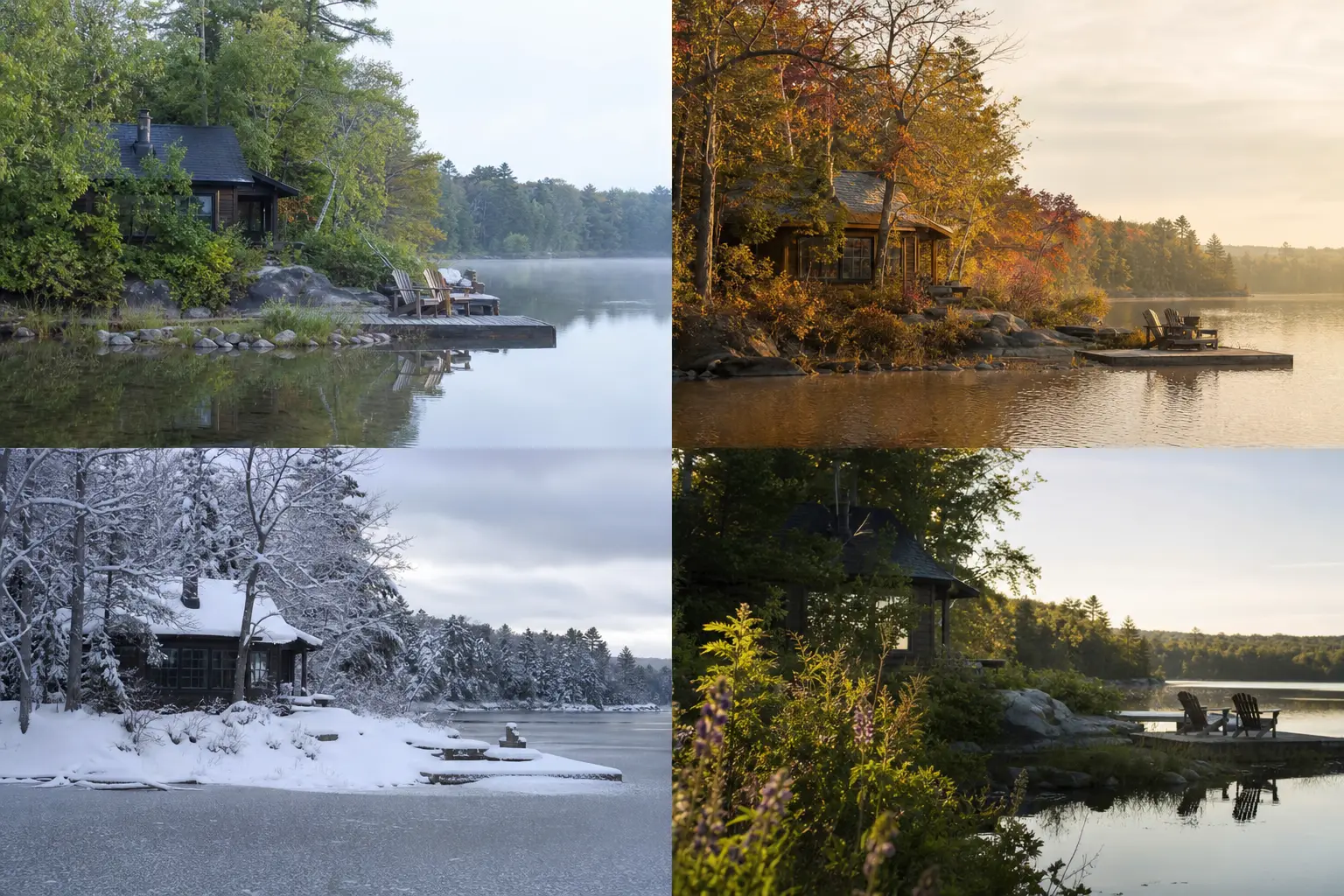
Short answer: No single best month. The right window is where three things overlap: the season that suits your destination, the timing that suits your reason for going, and a price you’ll accept. For most US retreats that means shoulder season, late April to early June or September into early November, at 10 to 30 percent below peak.
The longer answer
There is no single best month. The right window is wherever three things overlap, the season that suits your destination, the timing that suits your reason for going, and a price you’re willing to pay.
For most US retreats that lands in a shoulder season, roughly late April to early June or September into early November. Weather is usually still good, the crowds have thinned, and rates tend to sit noticeably below peak. Expect savings in the range of 10 to 30 percent versus the same property in its busiest weeks, though the gap varies a lot by region and property.
Book outside that window when you have an actual reason: a program that only runs once a year, a landscape that only works in one season, or a burnout situation where going soon beats going perfectly. We don’t take placement fees, so nothing here is timed to suit anyone’s calendar but yours.
Match the season to your destination
Where you go usually decides the smart window before anything else does. A desert retreat in July and a mountain retreat in April are both technically available, and both are usually a mistake.
| Destination type | Best window | Window to avoid | Why |
|---|---|---|---|
| Beach and tropical (Florida, Hawaii, the Caribbean) | Late fall through spring | Peak storm season and the most humid weeks | Comfortable heat, lower disruption risk |
| Desert (Arizona, New Mexico, southern Utah) | October through April | Midsummer | Daytime heat makes outdoor sessions unpleasant and sometimes unsafe |
| Mountain (Colorado, the Rockies, the Sierra) | Late June through September | Mud season in spring | Trails open, weather settled, long evenings |
| Temperate forest and coast (Pacific Northwest, New England) | Late May through mid October | Deep winter, unless snow is the point | Daylight, drier weather, fall color |
| Indoor-led city and spa stays | Year round | Nothing in particular | Indoor programming doesn’t care about the weather |
The last row matters more than people expect. If your retreat is mostly indoors, bodywork, breathwork, sauna, meditation, then season is mainly a pricing question, not a comfort question. That’s part of why a local retreat is easier to schedule than a far one: you’re not building the trip around a weather window.
Match the timing to your goal
Once the destination narrows the season, your reason for going narrows it further.
Rest and reset. A quieter shoulder week beats a peak one almost every time. Fewer guests usually means smaller groups, easier access to the sauna or the pool, and staff who aren’t stretched.
A fresh start or a decision. Natural turning points carry real weight: the new year, a birthday, the start of a season, the week after a job ends. The date isn’t magic, but a marked line between before and after is genuinely useful.
Recovery from burnout. Sooner is almost always better than waiting for the ideal window, as long as the destination’s season isn’t actively working against you. A good-enough retreat in three weeks beats a perfect one in seven months.
Building a habit. If the goal is a practice you keep, timing matters less than repeatability. Pick something you can do again, then go back. Our look at whether retreats actually work covers why the repeat matters more than the setting.
When retreat prices actually drop
Three levers move the number, and all three are about timing.
Shoulder season. The weeks just before or after peak are the reliable saving. Same property, same staff, often the same weather, less demand.
Midweek starts. A Monday to Thursday stay frequently undercuts a Friday to Sunday one at the same place, sometimes by a full price tier.
Unsold spots. Smaller retreats with fixed group sizes would rather fill a bed than hold it. If you’re flexible on dates, it’s worth asking directly whether anything is open close in. Nobody advertises this; you have to ask.
What doesn’t reliably save money is booking absurdly early. Early booking buys you the room you want, not a discount. If price is the priority, our guide to retreats on a budget has more levers, and the honest cost breakdown shows where the money actually goes.
How far ahead to book
For a specific place on a specific date, two to six months ahead is the sane range. Small retreats with eight or twelve spots can fill faster than that, especially if a named teacher is leading.
For a flexible trip where you care more about the reset than the postcode, four to eight weeks is usually plenty, and you’ll see more of the late openings. For a private or customized retreat, reach out early, because the schedule is built around you rather than a published calendar. Our booking lead time FAQ goes into the deposit and payment side.
The timing mistakes worth avoiding
Booking only at breaking point. Waiting until you’re wrecked means you take whatever is available, which is how people end up in the desert in August.
Ignoring travel days. A three-night retreat with two flight days is really one retreat day. If the trip is short, stay close. Our comparison of retreat lengths breaks down where the cutoff sits.
Scheduling it against a deadline. Coming home to a launch, a move, or a court date undoes most of the benefit within days. Leave a buffer on the back end if you can.
Forgetting what the season means for packing. Shoulder season often means wide temperature swings between morning and afternoon. The packing checklist covers layering for that.
FAQ: timing a wellness retreat
Is winter a bad time for a wellness retreat? Not at all, it just changes the destination list. Winter is excellent for warm-weather stays, sauna and cold-focused retreats, and indoor-led programs, and it’s often the cheapest season for temperate regions. It’s a poor fit for hiking-heavy mountain retreats outside dedicated snow programs.
How far ahead should I book? Two to six months for a specific place or date, four to eight weeks if you’re flexible. Small group retreats and named-teacher programs sit at the longer end.
Are shoulder season retreats really cheaper, or is that just marketing? The discount is real and it’s the most consistent saving available, but the size varies. Compare the same property across two or three date ranges rather than trusting a general claim, and check whether the cheaper week also drops any programming.
Should I wait until I feel ready to go? No. Feeling ready isn’t a prerequisite, and waiting for it tends to mean waiting indefinitely. Pick a window that works logistically and book it, then use the time before it to sort out the practical side.
The bottom line on retreat timing
The best time for a wellness retreat is when the season fits your destination, the timing fits your reason for going, and the price fits your budget. Decide where and why first, then pick the window, and lean toward shoulder season unless something specific pulls you to peak.
To plan the rest, our honest cost breakdown covers budgeting, the first-timer’s checklist covers vetting a place, and what wellness retreats actually do keeps expectations honest.