Location guide: Best wellness retreats near Asheville, North Carolina for 2026
Where to reset in the Blue Ridge, who each kind of retreat suits, and how to pick one without the usual decision fatigue.
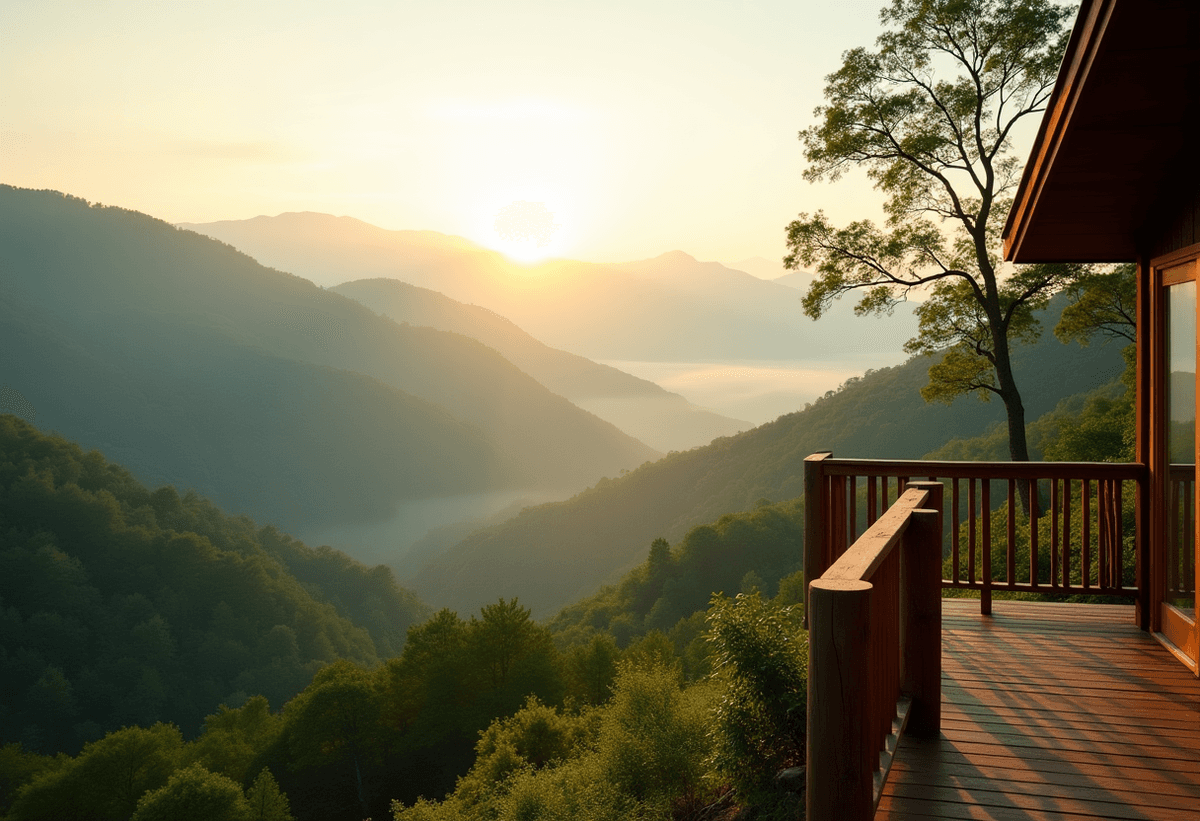
Short answer: Asheville suits a Blue Ridge reset with real practitioner depth rather than a single headline property. A weekend runs $600 to $1,200 per person and a week $1,800 to $3,500. Fall is the busiest and priciest window, so book months ahead; spring rain is constant but the land is at its best.
Asheville is one of the easiest places in the eastern US to actually slow down. The mountains do half the work for you. Cell service drops in the right hollows, the air smells like rain and rhododendron, and the town itself has quietly built a deep bench of practitioners, from somatic therapists to old-school sauna keepers.
This guide is for someone close to booking. Not a list of every retreat that paid to be listed somewhere, but a clear way to think about which kind of reset near Asheville fits your week, your budget, and your nervous system.
We research these places and only recommend what we’d recommend to a friend. Where we haven’t been on the ground, we’ll say so.
Why Asheville works for a reset
The geography matters more than the marketing. Asheville sits in a bowl ringed by the Blue Ridge and the Great Smoky Mountains, which means short drives get you to genuinely remote land. You can be in a downtown coffee shop at 9am and barefoot on a creek bank by 10.
The town also has a long, unhurried wellness culture that predates the current retreat boom. That shows up in the quality of the people running things. You tend to meet practitioners who have been doing the work for fifteen years, not influencers who pivoted last spring.
Practically, it is reachable. Asheville Regional Airport (AVL) is small and calm, and Charlotte is about two hours by car if you want more flight options. For most of the East Coast and Midwest, you can be on a retreat property the same day you leave home.
The main retreat styles near Asheville
Most retreats in the region fall into a few clear buckets. Knowing which one you actually want saves you from booking the wrong week.
Mountain yoga and meditation retreats
These are the backbone of the area. Expect early movement, sitting practice, simple vegetarian food, and a lot of unstructured quiet. Properties range from rustic cabins to comfortable lodges with private rooms.
Good fit if you want rhythm and stillness more than activity. Less good if silence makes you restless and you’d rather be hiking all day.
Nature-immersion and forest retreats
Less about the mat, more about being outside. Guided walks, river time, foraging, sit spots. The Blue Ridge is one of the most biodiverse temperate forests on the planet, so the land itself is the program.
Good fit if you reset by moving through landscape rather than sitting in a room. Bring real shoes and rain gear regardless of the forecast.
Sauna, cold, and bodywork-focused stays
Asheville has a strong heat-and-cold culture. Wood-fired saunas, creek cold dips, and skilled massage and bodywork are easy to find here. Some retreats build a whole arc around the contrast: warm, cold, rest, repeat.
Good fit if you carry tension in your body and want something physical rather than purely contemplative.
Women’s, couples, and creative retreats
The region runs a lot of small, themed retreats: women’s circles, couples weekends, writing and art intensives. These tend to be intimate (often under twelve people) and led by someone with a specific point of view.
Good fit if you want a focused container with people in a similar season of life.
When to go
Season changes the experience more than almost anything else near Asheville.
Spring (April to early June) brings wildflowers, full waterfalls, and mild days. It is one of the best windows, though spring rain is real and constant.
Summer (June to August) is green and warm, cooler than the lowlands but humid. Book properties with elevation if you want to sleep well without air conditioning.
Fall (mid-September to early November) is the headline season. The leaf color is genuinely worth the trip, which also means it is the busiest and priciest window. If you want fall, book months ahead.
Winter (December to March) is quiet, often foggy, sometimes snowy. Rates drop and the introspective retreats feel right. Pack for cold and check road conditions in higher elevations.
What an Asheville retreat costs
Prices vary widely, but here is a realistic frame for 2026.
A weekend group retreat (two to three nights, shared accommodation, meals included) usually lands between 600 and 1,200 dollars per person. Private rooms push that higher.
A week-long retreat with private accommodation and a full daily program commonly runs 1,800 to 3,500 dollars per person, depending on the property and how much one-on-one work is included.
Watch what is and isn’t covered. Meals, airport transfers, and any bodywork or private sessions are the line items that quietly move the total. Ask before you book, not after.
How to choose without the decision spiral
A search engine will hand you forty options and rank them by who spent the most on ads. That is the opposite of helpful when you’re tired and trying to choose well. A few honest questions cut through it.
What do you want to feel like on the drive home? Calmer and slower, or stronger and more capable? That single answer points you toward the contemplative retreats or the active ones.
How much structure do you actually want? Some people relax inside a full schedule. Others need open afternoons or they feel managed. Read the sample day before booking.
Who is leading it, and have they been doing it a while? Bios and photos of the actual people running a retreat tell you more than the property photos do. If a retreat hides who’s teaching, that’s a flag.
What is the cancellation policy? Life happens. Know the terms before you pay, especially for the high-demand fall weeks.
Booking a wellness retreat online without regret
When you book a wellness retreat online, the gap between the listing photos and the real experience is where disappointment lives. Close it with specifics.
Ask for a sample daily schedule, the exact meal style, the real group size, and a clear picture of the sleeping setup. Ask whether the price is all-in. Ask what happens if the weather turns, because in the Blue Ridge it will.
If a place answers those plainly and warmly, that’s a good sign. Vague answers usually mean a vague experience.
A note on how we cover Asheville
We’re building Tendground as a small, curated set of retreats we’d actually point a friend toward, not a directory that ranks by who paid. We research providers carefully and we may visit, but we won’t claim we’ve inspected a place we haven’t.
As we bring Asheville partners online, you’ll see them here with the honest detail above: who’s leading, what a real day looks like, what it costs all-in, and who each retreat is genuinely for. If you run a retreat near Asheville and want that kind of coverage, we’d love to hear from you.
The Blue Ridge has been helping people exhale for a very long time. The only real task is picking the version of that which fits your week, then actually going.