Meditation vs breathwork: which calms you down faster?
Both aim at a quieter mind, but one works on your nervous system almost immediately and the other builds over time. Here's which to reach for, and when.
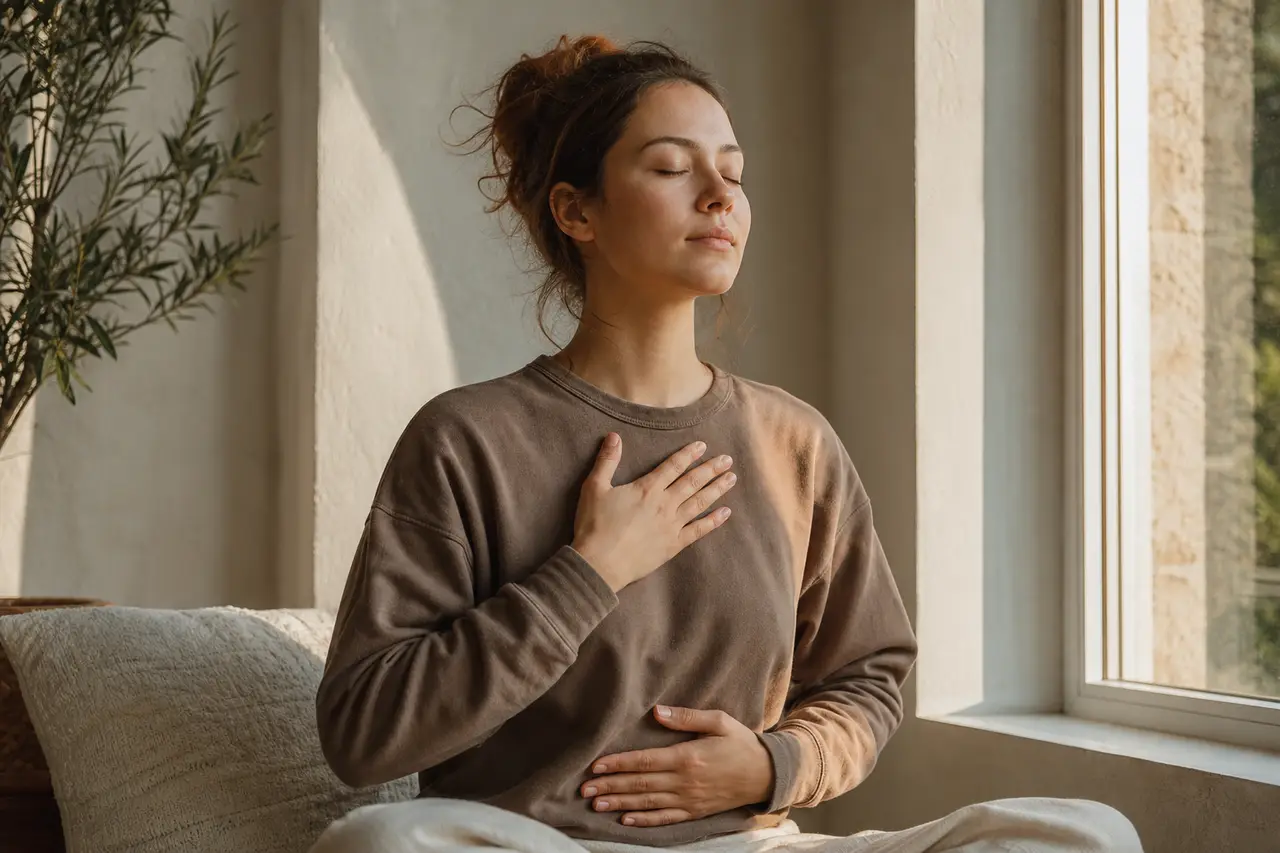
Short answer: Breathwork calms you faster: slow breathing, especially long exhales, shifts the nervous system toward rest within a minute or two. Meditation works slower but lowers your baseline reactivity over weeks. They aren’t rivals. Use breathwork as the emergency brake for an acute spike, meditation as the daily practice that means you need it less.
For fast, in-the-moment calm, breathwork usually wins: slow, controlled breathing can shift your nervous system toward relaxation within a minute or two, faster than most people can settle into meditation. For lasting change in how reactive and stressed you are day to day, meditation has the deeper track record.
They are not really rivals, breathwork is a fast-acting tool you can reach for the second you feel stress rising, and meditation is a slower training that changes your baseline. The honest move is to use both: breathwork when you need to calm down now, meditation to need it less often.
Why does breathwork calm you faster?
Because it acts directly and mechanically on your nervous system. Slow breathing, and long exhales in particular, stimulate the vagus nerve and shift you toward the parasympathetic “rest and digest” state, lowering heart rate and the feeling of stress within a minute or two.
You are not waiting for your mind to quiet; you are physically steering your physiology. That is why a simple pattern like extending your exhale, or box breathing, is the classic tool for an acute stress spike, a panicky moment, pre-presentation nerves, trouble falling asleep.
Our breathwork benefits explainer covers the evidence, which is strongest for exactly this fast, calming effect of slow breathing.
What does meditation do better?
It changes your baseline over time. Meditation, especially mindfulness practice, trains your relationship with your own thoughts: noticing them, not getting swept away, returning your attention.
The payoff is less about a single calm session and more about becoming, over weeks and months, less reactive, less anxious, and more able to stay steady when life pushes. Our meditation benefits explainer covers the honest evidence, which supports meaningful effects on stress, anxiety, and focus with consistent practice, alongside realistic effect sizes. Meditation is the long game; breathwork is the quick fix.
Are they really separate?
Not entirely, which is part of why the “versus” is a bit artificial. Many meditation practices use the breath as their anchor, and slow breathwork often produces a meditative, present state.
The useful distinction is intent and speed: breathwork is typically an active, deliberate manipulation of the breath to change your state fast, while meditation is usually a practice of open, non-forcing attention that works gradually.
You can absolutely do both in one sitting, a few minutes of slow breathing to settle, then meditation, and many teachers structure sessions exactly that way.
Which should you use, and when?
Reach for breathwork when you need to calm down right now: acute stress, anxiety spikes, anger, insomnia, or before something nerve-wracking. It is your emergency brake.
Practice meditation when you want to lower your overall stress and reactivity over time. It is your maintenance, done regularly, ideally daily, even for a few minutes.
For a beginner: breathwork gives a faster, more obvious payoff, which makes it encouraging to start with, and its success can build motivation to take up meditation for the deeper work. Our meditation for beginners guide covers starting the practice, and note that intense fast-breathing styles are a different thing from calming breathwork, our first breathwork session guide explains the split.
The bottom line on meditation vs breathwork
Breathwork calms you faster in the moment; meditation changes how often you need calming. They complement rather than compete, so the honest answer is both: slow breathing as the tool you grab under acute stress, meditation as the practice that lowers your baseline over time. Start with breathwork for the quick win, and add meditation for the lasting one.
If box breathing is the pattern you keep hearing about, our step by step guide to box breathing covers the counts, the dose, and when it actually helps.