How to choose a sauna or cold plunge studio: a quality and hygiene checklist
The listing photos all look the same. What separates a good recovery studio from a mediocre one is water hygiene, honest temperatures, and how they treat a first-timer.
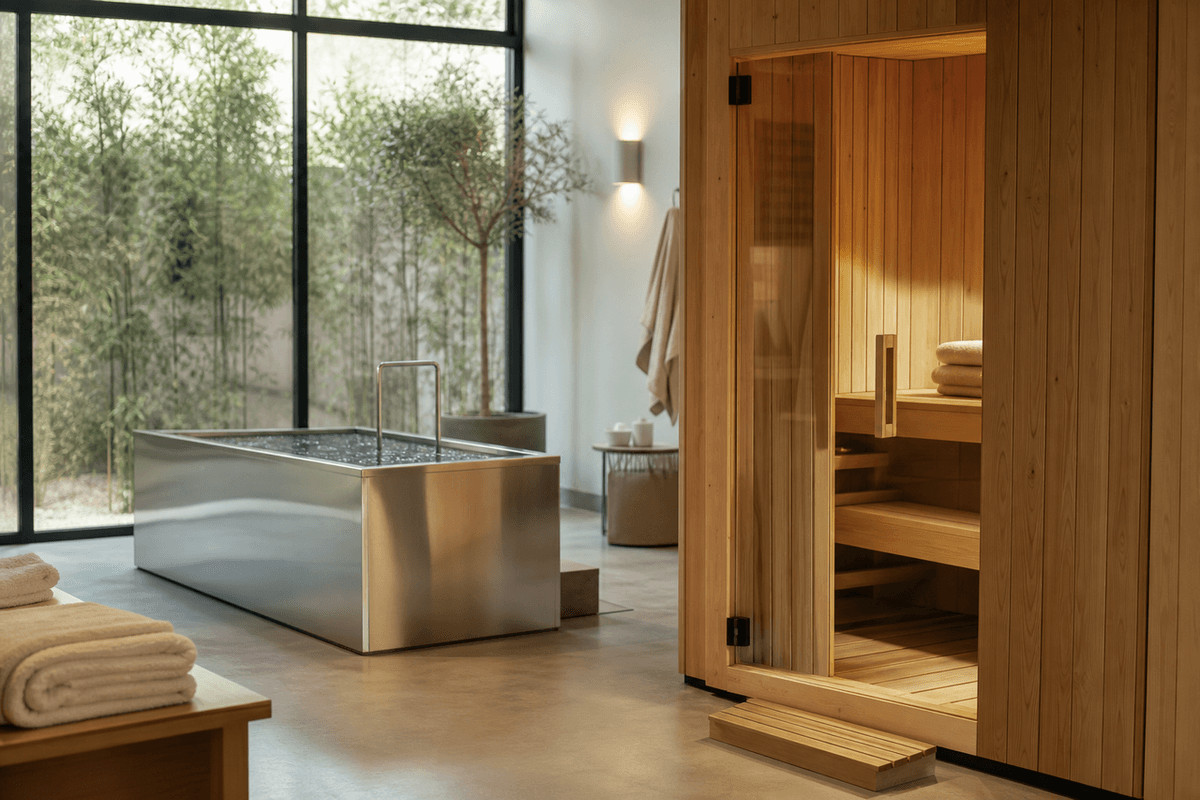
Short answer: Judge a studio on three things photos hide: how the cold plunge water is filtered and how often it is changed, whether the sauna really hits the 160 to 190 F it claims (120 to 150 F for infrared), and how staff handle a first-timer. Ask before booking; evasion is the answer.
Pick a studio on three things that photos will not show you: how they keep the cold plunge water clean, whether their temperatures are real or just marketing numbers, and how they treat someone walking in for the first time.
Everything else, the lighting, the branding, the eucalyptus, is atmosphere.
Call or message before you book and ask two or three direct questions. A good studio answers them plainly. A vague or defensive answer is itself the answer.
What matters most in a cold plunge studio?
Water hygiene, and it is the thing most first-timers never think to ask about.
A cold plunge is a shared tub of cold water, and cold does not sterilize anything. What keeps it clean is filtration and sanitation: a real circulation and filtration system, ozone or UV treatment, or chlorine, plus a schedule for testing and changing the water. Ask how the water is filtered and how often it is changed.
Good answers sound specific: continuous filtration, ozone, tested daily, drained and refilled on a set schedule. A worrying answer is a shrug, or “it is cold, so it is fine.”
A rinse-before-you-plunge rule is a green flag, not an inconvenience. It means they care what goes into the water everyone shares.
How do you judge a sauna’s quality?
By honest heat, real ventilation, and clean wood.
Ask the actual temperature. A traditional sauna should genuinely reach the range it claims, often 160 to 190 F, and an infrared cabin runs cooler by design, around 120 to 150 F, which is a different experience, not a broken one. Our infrared versus traditional guide explains why the numbers differ.
A good sauna has a working ventilation setup so the air does not go stale, benches that are clean and not sticky, and a rule that everyone sits on a towel. Peeling wood, a sour smell, or a cabin that never quite gets hot are all signs of a room that is not maintained.
If they cannot or will not tell you the temperature, that tells you how closely they watch it.
Private, communal, or membership: which suits you?
It depends on how self-conscious you are and how often you will actually go.
A private room, booked by the hour for you or you and a friend, costs more but removes the social hurdle entirely. It is the gentlest way to try your first session. Communal or drop-in studios are cheaper and have a good social energy, but you share the space, which some people love and some find off-putting.
Memberships only pay off if you genuinely go three or more times a month. Below that, drop-ins are cheaper. Our session cost guide shows exactly where that break-even sits.
Be honest about the version of you who has to drive there in January, not the aspirational one. Our habit guide covers making it stick.
What should the staff be able to tell you?
The basics of safe use, without you having to pry.
A good studio will, unprompted or when asked, tell a first-timer roughly how long to stay in, how to breathe in the cold, when to get out, and who should be cautious. If you mention a heart condition, pregnancy, or that you are new, a decent front desk points you toward the right first session rather than upselling the coldest, hottest, longest option.
You do not need a physiologist behind the counter. You do need someone who treats safety as normal rather than as a buzzkill. Our cold plunge safety guide covers the contraindications worth knowing yourself.
Staff who wave off every safety question with “just push through it” are a reason to look elsewhere.
What questions should you ask before booking?
Keep it to a short, direct list.
Ask how the cold plunge water is filtered and how often it is changed. Ask the real sauna temperature. Ask whether first sessions are guided or whether you are left to it. Ask about their cancellation and refund terms so a missed booking does not sting.
For a first visit, ask if they have a beginner or intro session, which is usually shorter, calmer, and sometimes discounted. Our first cold plunge walkthrough and first sauna guide cover what to expect once you are in.
If the answers are clear and unbothered, book. If they are evasive, that is useful information too. If you have a health condition, our guide to wellness with a health condition tells you which question to ask for yours.
The bottom line on picking a studio
Choose on hygiene, honest heat, and how they treat a beginner, and let the mood lighting be a bonus rather than the deciding factor.
The good studios do not mind the questions. The ones that do are telling you something.
To see the saunas and cold plunge studios near you and start comparing, use our city wellness maps. If you are choosing in a specific city, our honest guides to Boston, Washington DC, and Minneapolis apply this checklist locally.
How much choice you have depends heavily on where you live. Our US recovery index ranks metros by verified recovery venues per 100,000 people, computed from the same dataset behind our city maps. Our guides to Dallas-Fort Worth, Los Angeles, Seattle cover the markets that ask us about cold plunges most.