Ice baths & cold plunges: what they do, and how to start without hurting yourself
Cold water immersion, the real benefits, the overstated ones, and a beginner's protocol.
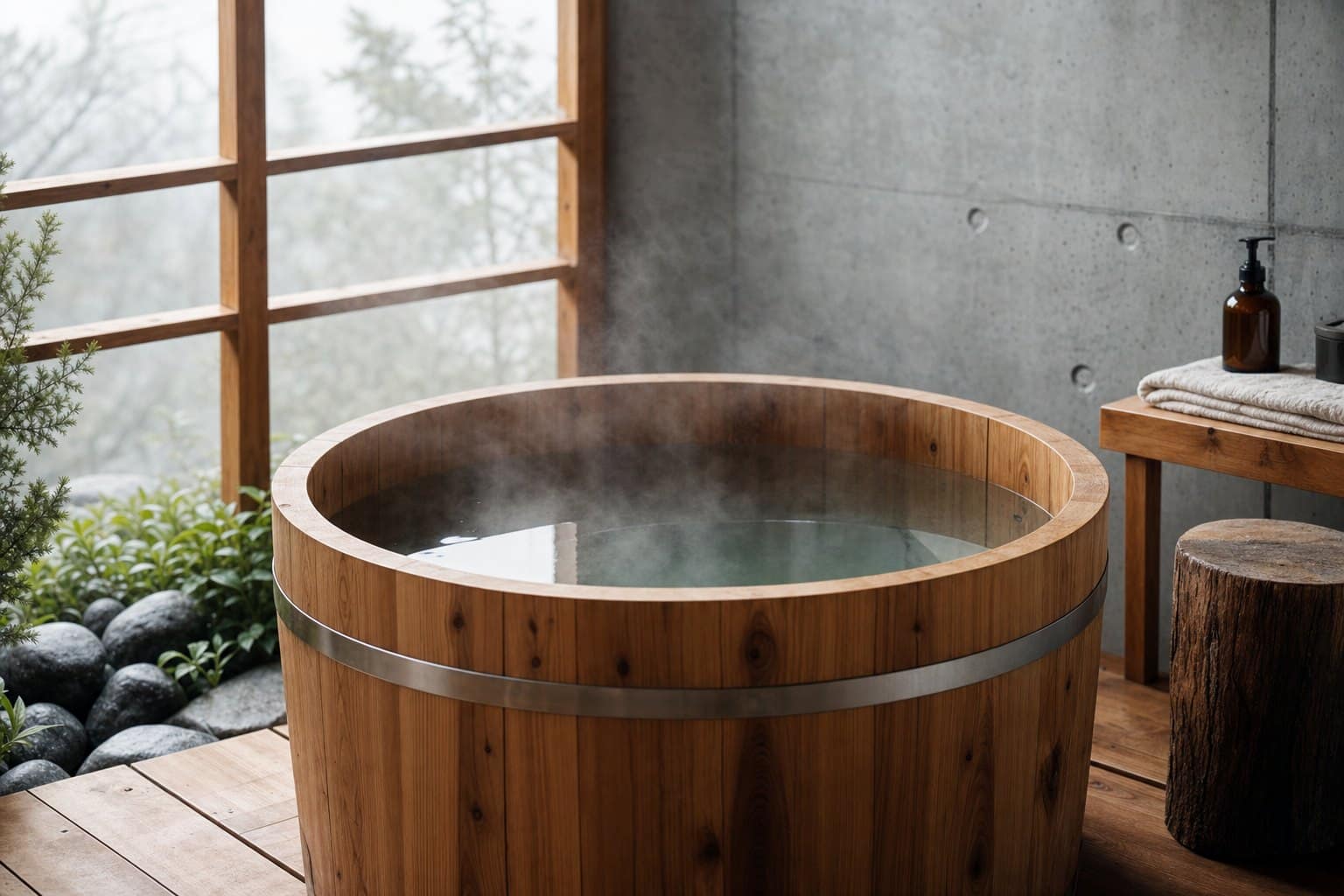
Short answer: Cold water immersion reliably spikes norepinephrine, by 200 to 300 percent, which is why mood and alertness lift for hours. Start at 55°F for 30 to 60 seconds and build. It is not a detox or a fat-loss tool, and plunging within hours of lifting blunts muscle growth.
Cold plunges went from elite-athlete recovery rooms to wellness studio staples almost overnight. That speed of adoption is always worth a pause, because some of what gets said about ice baths is solidly supported, and some of it is not.
Here’s what cold water immersion actually does, what you need to know before stepping in, and how to start sensibly without scaring yourself off on day one.
What cold water immersion is
Cold water immersion (CWI), sometimes called a cold plunge, ice bath, or cold-water therapy, means submerging most of the body in water that’s cold enough to produce a significant physiological response. Beginner protocols typically start around 50, 55°F (10, 13°C); more advanced practitioners work in the 45, 50°F range.
The immersion lasts anywhere from 1 to 10 minutes depending on experience and tolerance. The discomfort is real, intentional, and the point, the body’s response to that thermal stress is where the benefits come from.
Cold plunging is closely related to cryotherapy, which uses air rather than water, and is often paired with heat as part of contrast therapy. Some people pursue it in natural settings through wild swimming.
What a cold plunge session is like
You’ll typically encounter a plunge tub, a chest freezer converted to a cold bath, a natural body of cold water, or a dedicated cold-plunge unit. Water is chilled (often with ice or a cooling system) to the target temperature and kept circulating to prevent a warm layer forming around your skin.
Before entering, most practitioners recommend a few slow, deliberate breaths to calm the nervous system pre-shock. Entry is gradual, feet first, then legs, then torso, and the first 20, 30 seconds are the hardest. The initial gasp response is involuntary and normal.
After that, the acute discomfort usually plateaus, and many people describe settling into a focused, almost meditative state by the 60, 90 second mark.
Sessions typically run 2, 5 minutes for beginners and rarely exceed 10, 15 minutes even for experienced practitioners. You exit, warm up with movement or a towel (many people prefer to air-dry and let the body rewarm naturally to extend the afterglow effect), and then go about your day. The lifted, alert feeling can last several hours.
What the evidence says about cold plunges
- Reasonable evidence for: A single cold plunge reliably spikes norepinephrine, sometimes by 200, 300%, which correlates with improved mood, alertness, and a felt sense of sharpness for hours afterward. This is the most consistently reported effect and has solid mechanistic support. Cold water immersion also reduces perceived muscle soreness and fatigue, making it popular in athletic recovery contexts. Repeated exposure builds tolerance and is associated with a psychological resilience benefit, practicing voluntary discomfort has real carry-over effects on stress response.
- Debated or mixed: Cold’s benefit for reducing acute inflammation is real, but that same effect can work against you if you’re trying to build muscle or strength, studies show that cold plunging within a few hours of a resistance training session blunts muscle protein synthesis. The timing matters. Some research also links regular cold exposure to improved metabolic markers, but effect sizes in healthy people are modest.
- Not established / overstated: “Detox” from cold exposure is not a thing, the liver and kidneys handle detoxification and cold water does not speed that up. Large testosterone boosts from cold plunges are not well supported in human trials. Significant fat loss from a few minutes of cold per week is implausible given the caloric math. Claims about “activating brown fat” to meaningfully change body composition require sustained, repeated cold exposure over months, not a daily two-minute plunge.
Benefits people report from cold plunging
Beyond what the research directly supports, people who practice cold plunging regularly consistently report: a strong sense of mental clarity after sessions, reduced anxiety on plunge days, improved ability to tolerate general discomfort and stress, better sleep when sessions happen in the morning (not close to bedtime), and a sense of accomplishment and agency that carries into the rest of the day. These are subjective but coherent and commonly described, worth taking seriously even where the mechanism isn’t fully mapped.
Who cold plunging is for, and who should skip it
Cold plunging is broadly accessible, but it carries real physiological risks for specific populations.
Who should check with a clinician first: Anyone with a diagnosed heart condition, arrhythmia, or uncontrolled high blood pressure, the cold shock response sharply raises heart rate and blood pressure within the first seconds of immersion. Pregnant people. Anyone on medications that affect circulation or blood pressure. People with Raynaud’s disease or cold urticaria (cold-triggered hives).
Who should skip it entirely until stable: Anyone acutely ill, running a fever, or recovering from cardiovascular surgery or a recent cardiac event.
Who it’s especially good for: People dealing with low mood, stress-driven fatigue, or looking for a drug-free alertness and focus boost. Athletes managing soreness and recovery (with the timing caveat above). People who want a structured daily practice that builds mental toughness.
Never plunge alone in open water. Never plunge in a body of water where you cannot easily exit. If you feel faint, chest pain, or numb to the point of losing limb function, exit immediately.
What an ice bath costs
- DIY (chest freezer or cold tap): $0, $400 one-time setup; ongoing electricity cost is low.
- Dedicated cold plunge unit: $1,000, $6,000 depending on brand and cooling system.
- Drop-in at a wellness facility or spa: $20, $50 per session; many gyms and bathhouses include it in membership.
- Cold plunge as part of a contrast therapy circuit: typically $35, $90 per session at dedicated facilities; see contrast therapy and therapeutic sauna for what that combination looks like.
How to choose your entry point
If you’re new, start at a facility or spa with trained staff and a monitored tub rather than an unsupervised DIY setup. This lets you learn your response to cold under safer conditions. Start at 55°F for 30, 60 seconds; progress to colder temperatures and longer durations only after several sessions at the starter range.
Consistency over intensity is the right principle, a 2-minute plunge three times a week beats a 10-minute heroic plunge once a month. If you want to combine with heat, schedule the cold plunge after the sauna, not before.
FAQ: ice baths and cold plunges
Does cold plunging first thing in the morning make a difference? Morning sessions appear to work well for most people, the norepinephrine spike is a natural replacement for a caffeine hit and sets an alert, focused tone for the day. Avoid plunging within 2, 3 hours of bedtime, as the alertness effect can disrupt sleep onset.
How cold does the water actually need to be? There’s no single magic temperature, but most research on mood and norepinephrine effects uses water in the 50, 59°F range. You don’t need ice-water to get the main benefits, consistent cool-water exposure (even 60°F) produces physiological responses in most people.
Can I plunge every day? Yes, with appropriate duration and temperature. Daily short plunges (2, 4 minutes) at moderate cold are common and generally well-tolerated. The main caveat is post-strength-training timing, separate your plunge from resistance training by at least 6 hours if muscle growth is a priority.
What if I panic during the plunge? The gasping/panic response in the first 30 seconds is involuntary and normal. Controlled, slow exhales during that window help the nervous system downshift faster. If you cannot slow your breathing after 30, 45 seconds, exit calmly, this is not failure, it’s data about where your current threshold is.
The honest summary on cold plunges
A cold plunge is one of the more reliable, drug-free tools for mood, alertness, and mental resilience available, and the mechanism (norepinephrine) is well understood. It is not a detox, not a fat-loss shortcut, and not a substitute for strength training. Start warmer and shorter than you think you need to. Build gradually.
Separate it from resistance training. And appreciate it for what it genuinely delivers: a sharp, clear-headed feeling that’s hard to replicate any other way.
If you are thinking about setting one up at home, our home cold plunge setups comparison covers ice, freezer conversions, chillers and the sanitation nobody mentions.
And if the naming has you confused, our short read on cold plunge vs ice bath settles whether they are actually different things, while our cold plunge vs cryotherapy comparison covers the chamber version your studio will try to upsell you to.