Wellness with lupus: sun, heat, shared water and what is actually safe
The rooftop yoga class, the beach retreat and the vitamin D pitch are sold as the healthiest things on the menu. For a body with lupus, sunlight is the trigger with the best evidence, and the sunscreen is part of the treatment.
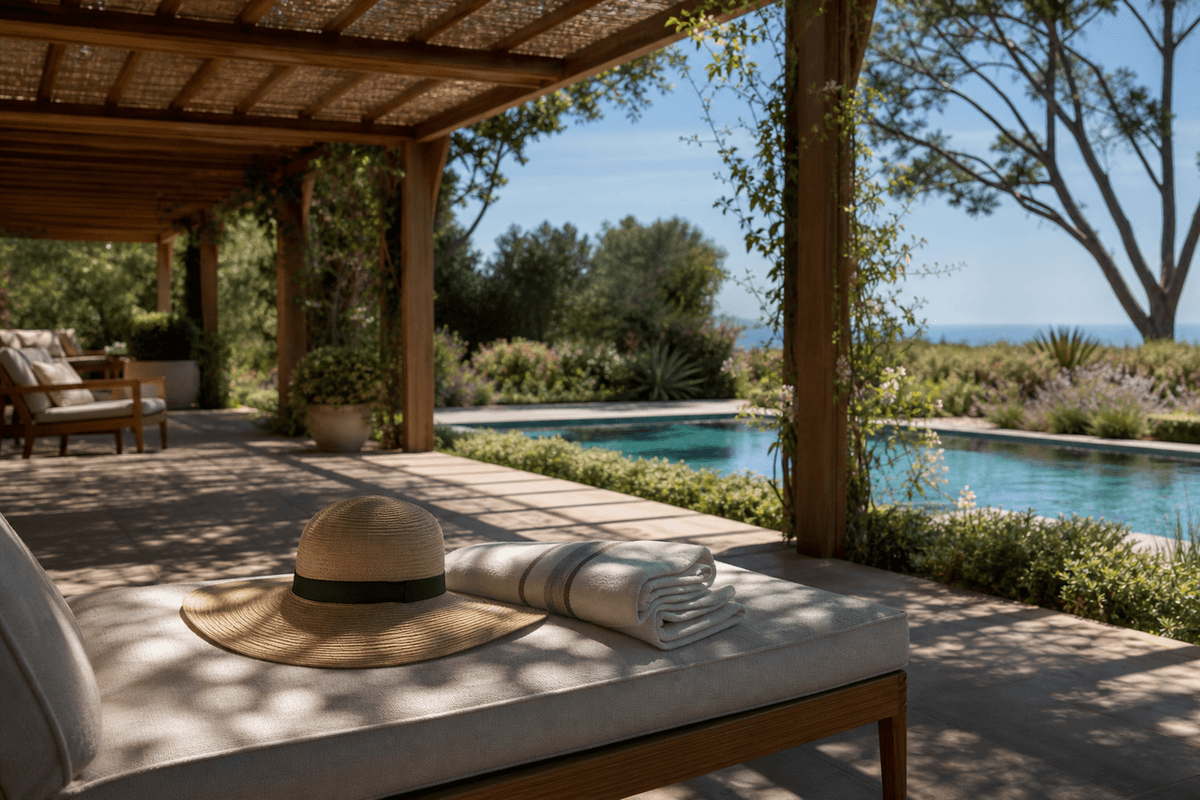
The honest verdict first: lupus is a systemic autoimmune disease that can involve the skin, joints, kidneys, blood and more, and its best-documented environmental trigger is ultraviolet light. That inverts a good part of the wellness menu. The rooftop yoga class, the beach retreat, the sunbed and the “get your vitamin D from the sun” pitch are the risk for this reader, and sun protection is written into the treatment guidelines rather than offered as a tip.
Around that the picture is more open than most people expect. Exercise is safe and helps the fatigue that defines the condition for many. Massage is fine with a few adjustments. Heat is a personal question, cold water is a Raynaud’s question, and shared water depends on the medication.
This is general information, not medical advice. Lupus is managed by a rheumatologist, often with a team, and flares, new symptoms and any change in medication belong with them.
What lupus actually is
An immune system attacking the body’s own tissue, in flares, managed rather than cured.
Systemic lupus erythematosus is an autoimmune disease in which the immune system produces antibodies against the body’s own cells, causing inflammation that can reach the skin, joints, kidneys, blood cells, heart, lungs and nervous system. It runs in flares and quieter periods, affects women far more often than men, and is managed with medication that ranges from an antimalarial most people with lupus take long term, to steroids and immune-suppressing drugs during flares or for organ involvement.
The 2019 update of the EULAR recommendations by Fanouriakis and colleagues in Annals of the Rheumatic Diseases sets out that management, and it names the non-drug foundations plainly: protection from ultraviolet light, not smoking, exercise, and the antimalarial for everyone unless there is a reason not to. Two of those four are wellness questions, and one of them is the reason this guide exists.
Sunlight, the trigger with the evidence
Ultraviolet light flares the skin and, in some people, the whole disease.
Photosensitivity is one of the recognised features of lupus, and Ahluwalia and colleagues in Lupus in 2019 review how ultraviolet exposure provokes both skin lupus and systemic flares, and why photoprotection, broad-spectrum sunscreen, clothing, shade and timing, is part of treatment rather than advice. The flare can arrive days after the exposure, which is why people do not always connect the sunny weekend with the week that followed.
On the wellness menu that means the outdoor yoga deck at midday, the beach or desert retreat, the sunbed, the poolside afternoon and any “light therapy” that involves ultraviolet. It does not mean staying indoors: early and late hours, shade, a hat, long sleeves and sunscreen applied properly make most outdoor practice possible. Ask a retreat where the sessions happen and when. Our guide to wellness with eczema or psoriasis covers a different skin story where sun is treatment, which is the opposite of this one.
Red-light and infrared devices are not ultraviolet, so they are not the same question, but a body that reacts to light deserves a conversation with a rheumatologist or dermatologist before any light-based treatment. Our read on red light and infrared therapy covers what those devices are.
Exercise, fatigue and the retreat trap
Movement is safe, helps fatigue, and does not replace the medication.
Fatigue is one of the commonest and most disabling features of lupus, and the instinct to rest through it runs against the evidence. O’Dwyer and colleagues in Seminars in Arthritis and Rheumatism in 2017 reviewed the trials of exercise in lupus and found it safe, with improvements in fatigue, depression and physical function, without worsening disease activity. That makes a regular, moderate program one of the few things on the menu that treats the symptom rather than merely not harming it.
The trap is the retreat sold as a cure for fatigue, particularly one built around sun, fasting or an “immune-boosting” protocol. Our guide to wellness with an autoimmune condition explains why immune boosting is the wrong frame for a system that is already overactive, and our guide to chronic fatigue and long COVID covers pacing, which applies here on flare days. Our tai chi and qigong explainer covers a practice that is regular, indoor and gentle by design.
Heat, saunas and hot yoga
A personal question, and often a fatigue question.
There is no trial of saunas in lupus, and people report both directions: some find dry heat eases joint stiffness, others find heat drains them for a day. The honest approach is a short first session, well hydrated, never alone, and attention to how the next day feels. Hot yoga adds exertion and a long standing sequence to heat, which is harder on a fatigued body, and our comparison of sauna and hot yoga covers why the milder-sounding option is often the harder one. Our guide to feeling faint in a sauna covers the sequence for everyone.
Two things change the heat answer. Lupus that involves the kidneys makes dehydration a more serious matter, so hydration and a nephrologist’s view come first. And steroid medication affects how the body handles heat and fluid, which is a prescriber’s conversation.
Cold water and Raynaud’s
Common in lupus, and the reason a plunge needs thought.
Raynaud’s phenomenon, fingers and toes turning white and numb in the cold, is common in lupus, and a cold plunge is the most direct way to provoke it. If you have Raynaud’s, cold immersion is a rheumatologist’s question and cool water is a better experiment than an ice bath. Our guide to who should avoid cold plunging already puts Raynaud’s on its list. For people with lupus and no Raynaud’s, the ordinary cardiovascular cautions apply and nothing lupus-specific does.
Massage, joints, skin and shared water
Fine, with three adjustments and one medication question.
Massage is welcome with lupus. The adjustments: any joint that is actively inflamed is left alone rather than worked, which our guide to rheumatoid and psoriatic arthritis explains in detail; skin that is currently flaring, especially on the face or sun-exposed areas, is worked around and oils are kept plain; and long-term steroids thin the skin and affect bone, which argues for lighter pressure. Tell the therapist what you have and what you take. Our guide to the types of massage covers which styles rely on deep pressure.
The medication question is shared water. Immune-suppressing drugs make communal hot tubs, plunge pools and skin infections more of a concern than the heat itself, and our autoimmune guide covers that side in full rather than repeating it here. The antimalarial most people with lupus take is not immune-suppressing, so the answer depends on what else is in the cabinet, and your rheumatologist knows.
Lupus and wellness at a glance
| Practice | Fine as is | Needs adjusting | Avoid |
|---|---|---|---|
| Outdoor classes, retreats | Early, late, shaded, covered | Sunscreen, hat, sleeves, ask when sessions run | Midday sun, sunbeds, ultraviolet light treatments |
| Exercise, classes | Regular and moderate, helps fatigue | Pace on flare days | Nothing specific |
| Sauna, steam | A short trial for many | Hydrate, especially with kidney involvement | Long sessions when fatigued or unwell |
| Hot yoga | Some tolerate it | Shorter, cooler, hydrated | Stacking heat and exertion on a flare |
| Cold plunge | Without Raynaud’s, ordinary cautions | With Raynaud’s, a rheumatologist’s question | Ice baths with Raynaud’s |
| Massage | Yes | Lighter on steroids, plain oils, flaring skin worked around | Inflamed joints worked on |
| Communal hot tubs, pools | Not on immune-suppressing drugs | Ask what you take | Shared water on immunosuppressants |
| ”Immune boosting”, detox, sun cures | Nothing | Nothing | The whole category |
What is oversold
Sun cures, immune boosting, and detox.
The vitamin D pitch is the most dangerous one here, because it wraps the best-documented trigger in the language of health; whether you need vitamin D is a blood test and a tablet, not an afternoon in the sun. “Immune boosting” is the wrong direction for an immune system that is attacking its owner, and detox programs, anti-inflammatory cleanses and supplement stacks address nothing about the disease. Our guide to spotting a nonsense wellness claim is the filter, and anyone suggesting a practice could replace the antimalarial has told you what they know.
What belongs to your rheumatologist
Flares, organs, medication, and the heat and water answers.
Diagnosis, medication, monitoring of the kidneys and blood, and any change in either belong to a rheumatologist and the team around them. Ask them the practical questions this guide cannot answer for you: what your medication means for shared water, what heat and hydration mean if your kidneys are involved, and whether cold immersion is sensible with your Raynaud’s.
Contact them promptly for a flare that does not settle, a new rash after sun, fever, chest pain or breathlessness, swelling of the legs or face, foamy urine, or new numbness, weakness or confusion. If you book classes or bodywork alongside proper care, check whoever you see with our credential-checking guide. We only recommend what we would send a friend to, and here that means a retreat that tells you where the shade is before it sells you the sunrise.
FAQ
Can I go on a wellness retreat with lupus? Yes, with the sun managed: sessions in the early or late hours or in shade, sunscreen, a hat and sleeves, and a straight answer from the venue about where and when things happen. A beach or desert retreat built around midday sun is the wrong one.
Is a sauna safe with lupus? Often, as a short, hydrated trial with attention to the next day. Kidney involvement and steroid medication change the answer, so ask your team first.
Can I cold plunge with lupus? If you have Raynaud’s, it is a rheumatologist’s question and cool water is the better experiment. Without Raynaud’s, the ordinary cardiovascular cautions apply.
Does exercise help lupus fatigue? A review of the trials found exercise safe and helpful for fatigue, mood and function without worsening disease activity. Regular and moderate, paced on flare days, is the version to copy.
The bottom line on lupus
Lupus is a systemic autoimmune disease managed by a rheumatologist, and its best-documented trigger is the thing the wellness industry sells as health: sunlight. Photoprotection is part of the treatment, so the sunny retreat and the rooftop class are the risk, and the shade, the hat and the early session are how they become possible.
Exercise is safe and helps fatigue, massage is fine with inflamed joints and flaring skin left alone, heat is a short personal trial, cold water is a Raynaud’s question, and immune-suppressing medication decides the shared-water rule.
Flares, new rashes after sun, fever, chest symptoms, swelling or foamy urine belong with your team, and a venue that plans around the sun before it sells you the sunrise is the one to book.