Wellness with an autoimmune condition or on immunosuppressants
The entire industry markets 'boost your immune system', which is precisely the wrong pitch for someone whose immune system is the problem or is being deliberately suppressed. The practical cautions are different too, and mostly about shared water.
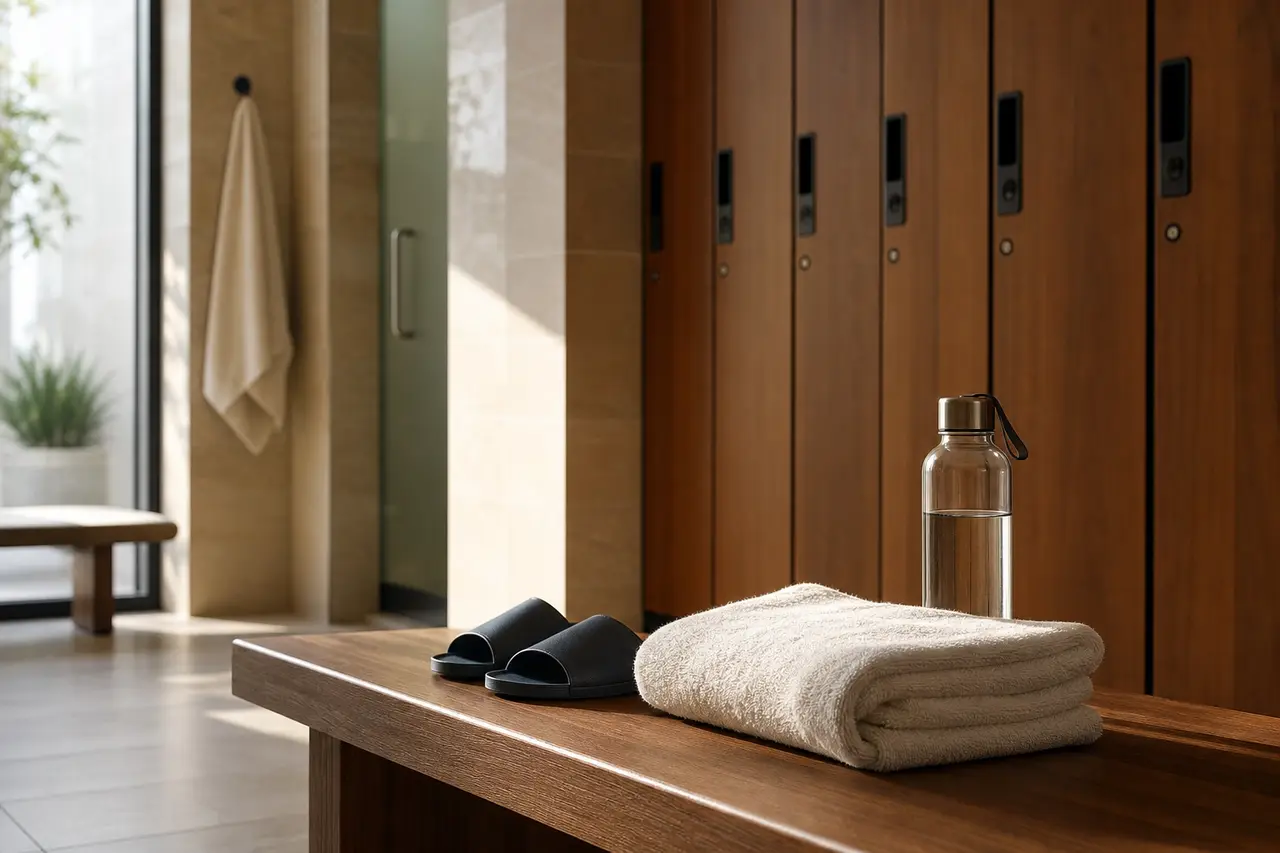
Short answer: The main practical risk on immunosuppressants is infection from communal warm water and shared wet areas, not the heat: sandals everywhere, skip the shared hot tub, prefer a private cabin. Whether heat helps depends on the condition, so test briefly. Anything sold as immune boosting is aimed at the opposite problem.
Wellness marketing runs almost entirely on the idea of strengthening your immune system. If you have an autoimmune condition, your immune system is attacking your own tissue. If you take immunosuppressants, it is being deliberately damped down for good medical reasons.
In both cases the standard pitch is aimed at the opposite of your situation, and occasionally the products attached to it are actively unhelpful.
None of this means saunas, massage, or bathhouses are off-limits. It means the risk profile is different, and the differences are specific enough to plan around. Your rheumatologist or specialist knows your condition and your medication, and their answer beats anything here.
Why is “immune boosting” the wrong frame?
Because more immune activity is not what you need.
Immune function is a regulated system, not a dial that goes up. In autoimmune conditions the problem is misdirected activity, not insufficient activity. Immunosuppressive medication exists to reduce that activity, which is why it works.
So a supplement, protocol, or session sold on the promise of stimulating your immune system is at best marketing noise and at worst working against your treatment. This is particularly worth watching with high-dose supplement stacks and with practitioners who position their approach as an alternative to your medication.
The honest position on the underlying claim is that almost nothing you can buy meaningfully changes immune function in a healthy person either. Our guide on whether sauna or cold plunge boosts your immune system covers the general evidence, and whether anything reduces inflammation covers the adjacent claim.
What is the main practical risk?
Infection from shared water and wet areas.
If you are on immunosuppressants, biologics, methotrexate, or long-term steroids, your ability to fight off an ordinary exposure is reduced, and this is where communal facilities genuinely matter. Our guide to saunas and hot tubs on prednisone covers steroid tablets in detail.
Hot tubs and plunge pools are the specific concern, because warm shared water is a favourable environment for bacteria, and hot tub folliculitis affects people with intact immune systems too. Shared wet floors are a common route for fungal infections.
Practical steps: sandals everywhere in wet areas including showers, avoid communal hot tubs and plunge pools if your counts are low or you are newly on treatment, rinse and dry thoroughly afterwards, and skip any venue where the water clarity or general cleanliness looks poor. Our guides on choosing a studio and reading studio reviews cover assessing hygiene, which is worth more scrutiny in your case.
Autoimmune cautions at a glance
| Approach | |
|---|---|
| Dry sauna, own towel | Usually the lowest-risk heat option |
| Steam room | Warm wet surfaces; more caution |
| Communal hot tub or plunge pool | The main infection risk on immunosuppressants |
| Private cabin or private plunge | Lower shared-water exposure |
| Sandals in all wet areas | Non-negotiable |
| Massage | Generally fine; flag medication and any skin involvement |
| Heat during a flare | Often makes symptoms worse; judge by condition |
| ”Immune boosting” add-ons | Wrong frame for you; skip |
| Live vaccines, unrelated but relevant | Ask your team; same class of caution |
Does heat help or hurt?
It depends heavily on the condition.
There is no single answer, and this is where individual advice matters most. Some people with inflammatory arthritis find warmth genuinely eases joint stiffness and pain, and heat is a long-standing symptomatic comfort measure. Our guide to rheumatoid and psoriatic arthritis works through that condition specifically, between flares and during one.
Others react badly. Heat intolerance is well recognised in multiple sclerosis, where a rise in core temperature can temporarily worsen symptoms, and that is a clear reason to be cautious with saunas and hot tubs, which our guide to wellness with multiple sclerosis covers in full. Some skin conditions flare with heat and sweating. Lupus in particular often comes with photosensitivity, which matters for sun exposure rather than saunas, but is worth mentioning alongside; our guide to wellness with lupus covers that condition on its own terms.
The sensible approach is a short, cool, single test exposure rather than committing to a routine, and paying attention to how you are the next day rather than only in the room. Our guide on what to do if you feel faint in a sauna covers the general warning signs, which apply more if you fatigue easily.
What about massage?
Generally good, with things to mention.
Massage is well tolerated and there is no general reason to avoid it. It has reasonable evidence for pain, tension, and stress, all of which are common companions to a chronic condition.
Tell the therapist what you have and what you take. Long-term steroids can thin skin and affect bone density, which changes appropriate pressure. Skin involvement, from psoriasis to rashes, changes where and how they work, and our guide to wellness with eczema or psoriasis covers the skin side in full. Any joint that is actively inflamed should be left alone rather than worked.
Ask for lighter pressure than you might otherwise choose, at least initially. Our guides on checking a practitioner’s credentials and types of massage cover finding the right person and style, and massage during cancer treatment covers a related set of adjustments.
What should you ask your care team?
Three specific questions, not a general one.
Ask whether your current medication or counts make communal water a problem right now, because the answer changes with treatment phase and is not fixed.
Ask whether heat exposure is a concern for your specific condition, since the MS answer and the inflammatory arthritis answer differ substantially. Hashimoto’s thyroiditis is autoimmune too, and our guide to wellness with a thyroid condition covers its very different heat question.
Ask what to do if you get an infection, because the threshold for seeking care is lower when you are immunosuppressed and knowing that in advance saves a weekend of hesitating.
Those three are far more useful than asking “is a sauna okay”, which invites a shrug. Bring specifics: which venue, which facilities, how often.
What about fasting, cleanses and elimination protocols?
The area to be most sceptical about.
Autoimmune conditions attract an enormous amount of protocol marketing: elimination diets, extended fasting, cleanses, and retreat programmes promising remission. Some of it comes wrapped in the language of reversing the condition.
Extended fasting and aggressive elimination protocols can interact badly with medication and with nutritional status, and should not be undertaken without medical involvement. Our guides on fasting retreats and Ayurveda and panchakarma cover what those programmes involve and their red flags.
The clearest warning sign is anyone suggesting you reduce or stop your prescribed medication. That is not an alternative approach; it is a reason to leave.
FAQ: autoimmune conditions and wellness
Can I use a sauna on biologics? Often yes, and the shared-water question matters more than the heat. Ask your team, especially in the first months of treatment.
Is a private sauna cabin safer than a bathhouse? For infection exposure, generally yes, since you are not sharing water or benches with a crowd. Our comparison of private vs communal sauna covers the trade-offs.
Will cold plunging help my autoimmune condition? There is no good evidence for that, and the Wim Hof endotoxin research is frequently misused to imply it. Our guide on whether the Wim Hof Method works covers what that study did and did not show.
Should I go during a flare? Usually not. A flare is a reason to rest and speak to your team, not to push through a routine.
The bottom line on autoimmune conditions
The industry’s core promise, boosting your immune system, is aimed at the opposite of your situation, and any practitioner suggesting their protocol can replace your medication is a reason to walk out.
The real practical risk is infection from communal warm water and shared wet areas, which is manageable with sandals, private options, and timing around your treatment. Whether heat helps or hurts depends on your specific condition, so test it briefly rather than committing, and ask your team the three specific questions rather than a general one.