Best wellness retreats in Hawaii for 2026: choosing well across the islands
Hawaii sells wellness harder than almost anywhere, and the gap between a deep, rooted retreat and an expensive resort with a yoga mat is enormous. Here's how to tell them apart.
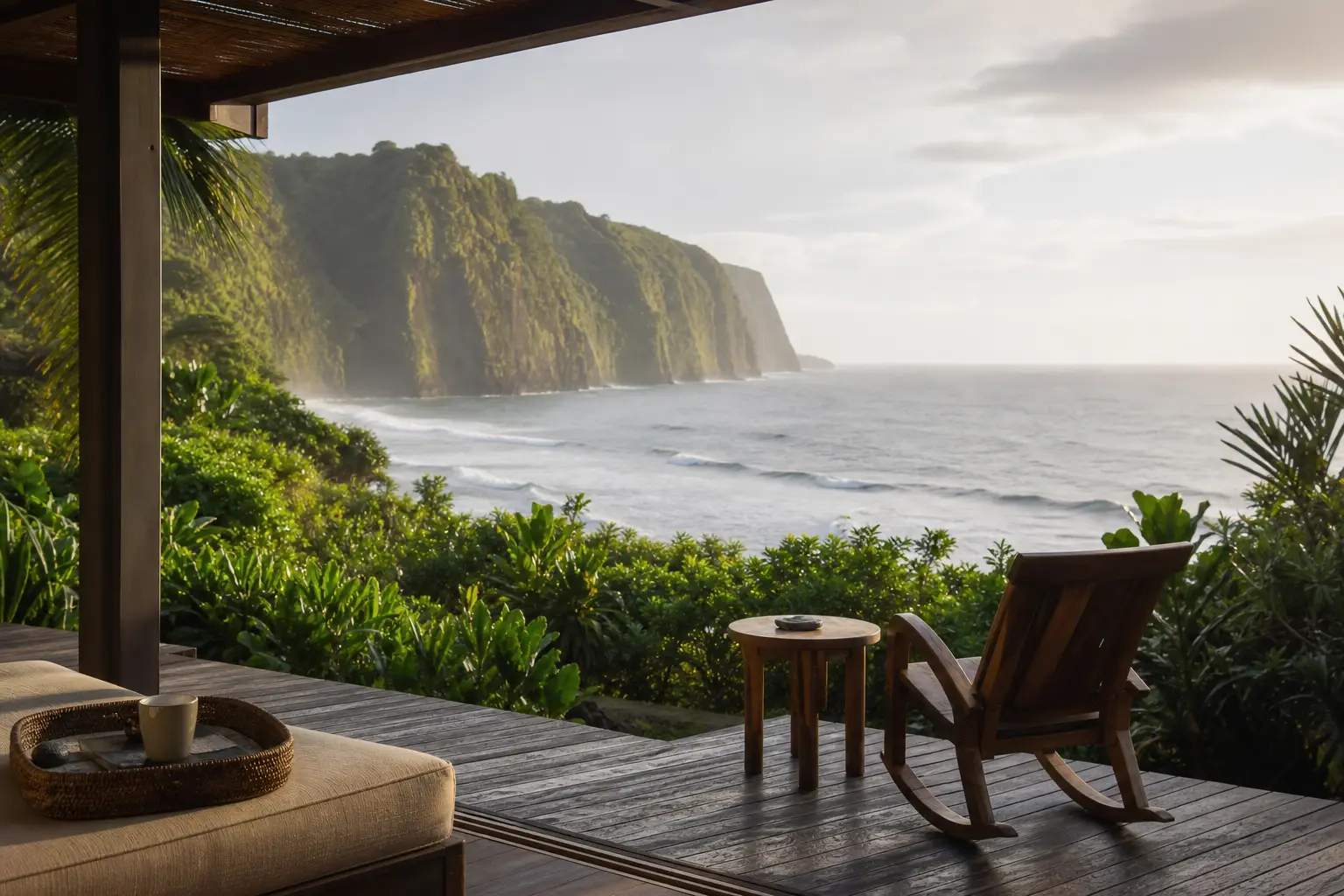
Short answer: Pick one island and stay there; inter-island hops cost the better part of a day at both ends. Go April through October for drier weather, and check whether you are on the wet windward side. Budget $300 to $800 per person per night, plus a flight that costs more than you think.
The longer answer
Pick one island and stay there. Go between April and October if you want reliable weather. Budget roughly $300 to $800 per person per night for a real retreat, plus a flight that will cost more than you think.
And be honest with yourself about what you are buying. Hawaii has genuine, rooted retreats and it has resorts that price a massage as a transformation. The flight is long enough that getting this wrong is expensive.
We don’t take placement fees, so nothing here is paid for, and we only recommend what we’d send a friend to.
Which island for which kind of reset
| Island | Main airport | Feels like | Best for |
|---|---|---|---|
| Oahu | Honolulu (HNL) | Urban, accessible, busy | Short trips, surf and yoga, easy logistics |
| Maui | Kahului (OGG) | The widest range, the most marketing | Choice, if you can filter the noise |
| Kauai | Lihue (LIH) | Lush, slow, dramatic | Quiet, rest focused, small group retreats |
| Big Island | Kona (KOA) or Hilo (ITO) | Elemental, remote, varied climates | Deep nature immersion and longer resets |
Oahu takes the most direct flights, so it is often the cheapest to reach. The Big Island is the most geographically extreme: you can drive from dry lava coast to cool upcountry ranch land in an hour, which makes it the strongest choice for a retreat that genuinely uses the landscape.
On Maui, be thoughtful. Parts of West Maui are still recovering from the 2023 wildfire, and local guidance about where and how to visit has changed over time. Check what the community is asking of visitors before you book, not after.
Flights, jet lag, and why not to island hop
From the West Coast the flight runs roughly five to six hours. From the East Coast it is a full travel day with a connection.
Hawaii keeps no daylight saving time, so it sits two or three hours behind the Pacific coast and five or six behind the East Coast. You are traveling west, so the jet lag mostly shows up as waking early and fading by 8pm. For a retreat that is close to ideal: the sunrise sessions everyone dreads at home are easy for the first few days. The harder adjustment is the flight home.
Resist the urge to see two islands. Inter island flights are short (about 30 to 45 minutes) and cheap, but a hop costs the better part of a day at both ends, and the point of a retreat is not to keep moving. Our piece on local versus destination retreats is worth reading if the travel itself is the main appeal.
When to go, and which side of the island
Hawaii has two seasons rather than four. Roughly April through October is drier and warmer; November through March is wetter, with more rain and bigger surf.
Which side of the island you stay on matters as much as the month. Windward sides (facing the trade winds, generally east and northeast) are green, cooler, and far wetter. Leeward sides (west and south) are dry and sunny. Hilo on the Big Island is one of the wettest cities in the United States, while Kona on the same island is arid. A retreat photographed in constant sunshine may sit somewhere that rains most afternoons.
Winter surf on north facing shores is large and serious: beautiful to watch, not a place for a casual ocean swim unless you are a strong, experienced swimmer. Summer flattens those same beaches out.
Two other honest notes. Hurricane season runs June through November, and direct hits are rare but disruption is not, so travel insurance is more worthwhile here than on the mainland. And volcanic haze, known as vog, drifts across the Big Island and beyond, which matters if you have asthma.
The formats worth the flight
Nature immersion and reset retreats. Built around the land and ocean, with hiking, water, and unstructured rest. The islands do this better than almost anywhere, and it is the format that uses Hawaii rather than just sitting in it.
Yoga, surf, and movement retreats. Hawaii has a deep surf and yoga culture. These range from gentle to athletic, so match the description to your level. Our US yoga retreats guide covers what to look for in a teacher.
Somatic and plant medicine adjacent retreats. Present across the islands, and the category needing the most scrutiny. Check the facilitators’ training, what is legally on offer, and what aftercare exists. Our explainer on what “plant medicine adjacent” really means is the honest version.
Resort spa stays. Comfortable and beautiful, but a spa week is a spa week. The hotel spa versus retreat comparison covers the difference plainly.
Respecting Native Hawaiian practices, and spotting the fakes
This deserves more care than most destination guides give it.
Lomilomi is a Native Hawaiian healing practice with a lineage and a context. It is not a massage style, and much of what appears on spa menus under that name is a standard massage with a Hawaiian word attached. Hoʻoponopono is a practice of reconciliation within a family or community, not a personal meditation technique to be sold by the hour.
None of that puts these things off limits to visitors. It means the retreats worth your money are the ones that work with Native Hawaiian practitioners, name the lineage they draw on, say plainly what they are offering, and put money back into the community rather than extracting from it.
Practical tests: ask who taught the practitioner, and where. Be skeptical of anyone marketing themselves to tourists with the title kahuna. Treat cultural sites as places, not backdrops. Our guide to checking a practitioner’s credentials applies here as anywhere.
One small local thing: Hawaii restricts sunscreens containing oxybenzone and octinoxate because of reef damage, so bring a mineral sunscreen.
What a Hawaii retreat actually costs
Expect roughly $300 to $800 per person per night for a mid to upper range retreat with meals and sessions included. Small, community run programs come in below that. Resort based wellness weeks run well above it.
Then add the flight, the transfer (some retreats sit an hour or more from the airport, and the Road to Hana on Maui is a slow two and a half hours by design), a rental car if you want independence, and the single supplement if you travel alone. Our retreat cost breakdown shows what each tier tends to include.
FAQ: booking a retreat in Hawaii
How far in advance should I book? For the dry season and any small retreat, three to six months is sensible, and popular weeks go earlier. Off season you can often book inside a month. See how far ahead to book for the general rule.
Do I need to be able to swim? For most retreats, no, but ocean sessions are common and Hawaiian water conditions are not forgiving. Tell the organizers your comfort level honestly and ask what the alternative is.
Is a week long enough to feel the benefit? Given the flight, it is close to the minimum worth doing. Three nights in Hawaii is mostly travel. Five to seven nights stops the arriving and adjusting days from counting against you.
How do I tell a real retreat from a resort with a schedule? Read the daily timetable rather than the photographs. A real retreat tells you what happens each hour, who leads it, and how big the group is. A resort package tells you about the infinity pool. Our guide to spotting a nonsense wellness claim covers the language to distrust.
The bottom line on Hawaii retreats
Hawaii can give you one of the best resets of your life, on one condition: the retreat has to use the land and respect the culture rather than borrow the aesthetics.
Pick one island, go in the drier half of the year, check which side of it you will be staying on, vet the people leading it, and price the whole trip rather than the nightly rate.
For other big nature options, our guides to the Pacific Northwest, Big Sur and the California coast, and Southern California use the same approach, and the first timer’s checklist covers how to choose well.