Wellness for older adults: starting sauna, cold, and movement safely
Age is a reason to start, not to skip it, and much of the strongest evidence comes from older people. It is also a reason to start gently, get a doctor's nod, and respect a few adjustments the marketing never mentions.
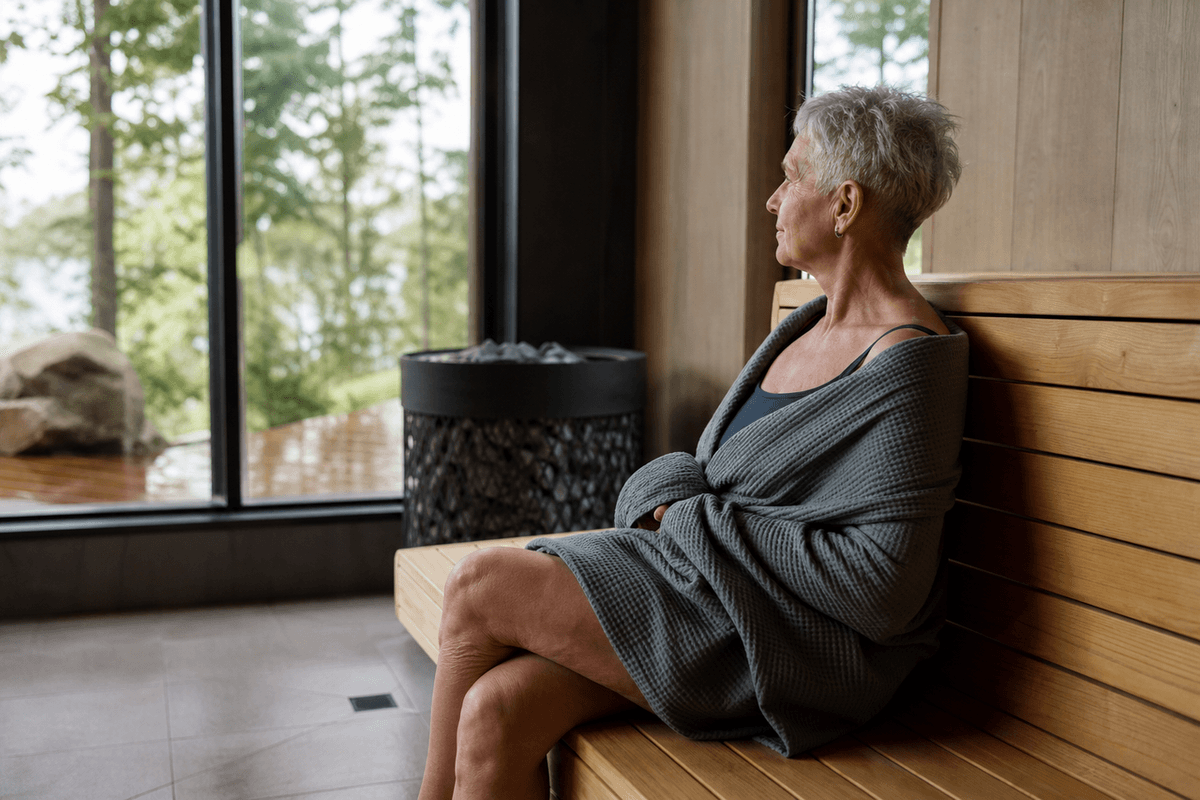
Short answer: Starting in later life is fine and often especially worthwhile: much of the Finnish sauna evidence comes from older adults. Get your doctor’s clearance first, favour shorter and slightly cooler sauna sessions, stand up slowly, and pick low-impact balance work like tai chi. Cold plunges need the most caution and clearance.
Later life is a good time to start, not a reason to hold back, and much of the strongest evidence for practices like sauna use actually comes from older adults. The sensible approach is to begin gently, get your doctor’s clearance first, favour the gentler versions of heat, cold, and movement, and pay extra attention to balance, hydration, and how you feel.
Wellness for older adults is less about intensity and more about consistency, comfort, and safety. The gentle, sustainable version is not a lesser one, it is the right one, and it is where the benefits live.
Here is how to start well, with the adjustments that matter and the cautions worth taking seriously.
Is it safe to start wellness practices later in life?
Usually yes, and often especially worthwhile, with a check-up first.
There is no age limit on benefiting from gentle movement, heat, and relaxation, and in many cases the benefits are most valuable later in life, for mobility, balance, cardiovascular health, and mood. Notably, the well-known Finnish sauna research linking regular use to better heart outcomes was conducted in a population that included plenty of older adults.
The important first step is a conversation with your doctor, especially if you have any heart condition, blood pressure issue, diabetes, balance problems, or take medications, so you start with a clear picture of what suits you. Our practitioner credentials guide covers finding qualified instructors too.
With that clearance, most older adults can safely enjoy gentle versions of most of what this site covers. Start there, not from fear.
What about saunas and heat?
Well-suited, with a few sensible adjustments.
Heat is generally gentle and well-tolerated, and sauna use has a strong evidence base for cardiovascular health that applies across ages. The adjustments for older adults are about moderation and awareness: consider slightly cooler temperatures and shorter sessions to start, since heat tolerance and the ability to regulate temperature can change with age.
Stand up slowly when leaving a sauna, because the drop in blood pressure from heat plus standing quickly is a common cause of dizziness and falls, and that risk is higher later in life. Hydrate well, and be aware that some medications, including those for blood pressure and heart conditions, interact with heat. Our sauna and heart guide covers the cardiovascular side.
Get out if you feel faint, and treat the gentle, moderate sauna as the goal rather than an endurance test.
And cold plunges?
Approach with more caution, and clear it with a doctor.
The cold shock response, a sharp spike in heart rate and blood pressure in the first seconds of cold immersion, is a real cardiovascular stressor, and its risks are higher for anyone with heart or blood pressure conditions, which become more common with age. This is the practice to be most careful with.
That does not mean older adults cannot enjoy cold, but it does mean getting medical clearance first, starting far gentler and warmer, keeping it brief, never doing it alone, and stopping at any sign of chest discomfort, severe dizziness, or distress. Our cold plunge safety guide and what to do after a cold plunge guide cover the specifics, including the afterdrop that follows.
For many older adults, gentle heat and movement offer most of the benefit with far less risk than intense cold, which is a reasonable choice.
What kinds of movement suit older adults best?
Gentle, joint-friendly, and balance-building.
Low-impact practices are ideal: gentle yoga, Pilates, tai chi, and simple walking build strength, mobility, and crucially balance, which directly reduces fall risk, one of the most important health factors later in life. Tai chi in particular has good evidence for improving balance in older adults. Our yoga benefits guide and yoga styles guide cover choosing a gentle style, and our does yoga help back pain guide covers a common later-life complaint. If a scan has shown low bone density, our guide to wellness with osteoporosis covers which movements need adjusting.
Look for classes labelled gentle, beginner, chair, or specifically for older adults, and tell the instructor about any conditions or limitations so they can modify. A good teacher will adapt every movement. Our yoga class versus app guide covers why in-person teaching is especially valuable when safety and correction matter.
Consistency and enjoyment matter more than intensity. The best practice is the gentle one you will keep doing.
What safety basics matter most?
Balance, hydration, temperature, and listening to your body.
Mind your balance getting in and out of saunas, pools, and plunge tubs, since wet floors and changes in temperature raise fall risk, so move slowly and use handrails. Stay well hydrated, especially around heat. Rise slowly from lying or sitting to avoid the dizziness that causes falls. And be aware of how your medications interact with heat, cold, and exertion, which is exactly what to ask your doctor.
Above all, listen to your body and do not push through faintness, chest discomfort, breathlessness, or unusual symptoms, which deserve stopping and medical attention rather than perseverance. Our weekly recovery routine guide covers building a sustainable, gentle routine.
These basics let you enjoy the benefits while keeping the small risks small.
The bottom line for older adults
Later life is a good time to start gentle wellness, and much of the sauna evidence comes from older adults. Begin gently, get medical clearance, favour gentler heat and low-impact balance-building movement, be more cautious with cold, and mind hydration and balance.
The gentle, consistent version is not a compromise. For older adults it is the whole point, and it is where the real benefits are.
To find gentle, welcoming studios near you, start with our city wellness maps.