Wellness on sedating medication: gabapentin, trazodone, benzodiazepines, opioids and the hot room
The sauna, the float tank and the plunge all rely on you noticing when to leave. Gabapentin, trazodone, Xanax, Ambien and opioid painkillers blunt exactly that, and the falls research says the wet floor is the hazard, not the water.
Short answer: Sedating drugs dull the one thing a sauna, float or plunge depends on: noticing when to leave. The falls research puts the wet floor at the top of the hazard list. Heat and water stay open with company, shorter sessions, a slow exit and sessions timed away from a dose. Never alone, never with alcohol, never stacked.
A sauna, a hot tub, a float tank and a cold plunge all rely on one thing, that you notice when it is time to leave, and sedating medication blunts exactly that. Gabapentin and pregabalin, trazodone, the benzodiazepines such as alprazolam and diazepam, sleep tablets such as zolpidem, and opioid painkillers from tramadol to oxycodone all slow reaction, dull the internal alarms, and, in the research on falls, put the wet floor between the changing room and the pool at the top of the hazard list.
None of that closes the menu. Heat and water are fine with company, shorter sessions, a slow exit and no alcohol. Massage is fine and often welcome. The rules that matter are never alone, never combined with drink, and never with a second sedative stacked on the first, which is the combination the death statistics are built from.
This is general information, not medical advice. The drug, the dose and any change belong with the prescriber, and the benzodiazepines and opioids in particular are never stopped abruptly, on a retreat or anywhere else.
What these drugs share, and why the sauna cares
Different prescriptions, one common effect.
These drugs are prescribed for very different reasons: gabapentin and pregabalin for nerve pain and anxiety, trazodone for sleep and mood, benzodiazepines for anxiety and panic, zolpidem and its relatives for insomnia, opioids for pain. What they share is sedation, in varying degrees, and with it slower reactions, poorer balance, and a blunted response to the body’s warnings, including the light-headedness that precedes a faint and the breathlessness that precedes trouble.
The wellness menu is built on those warnings. A sauna is safe because you leave when you feel you should. A float is safe because you can sit up when you want to. A plunge is safe because the gasp tells you what is happening. Sedation quiets all three, which is the reason this guide exists.
Falls, wet floors and the research that names the drugs
The hazard is the floor, and the evidence is specific.
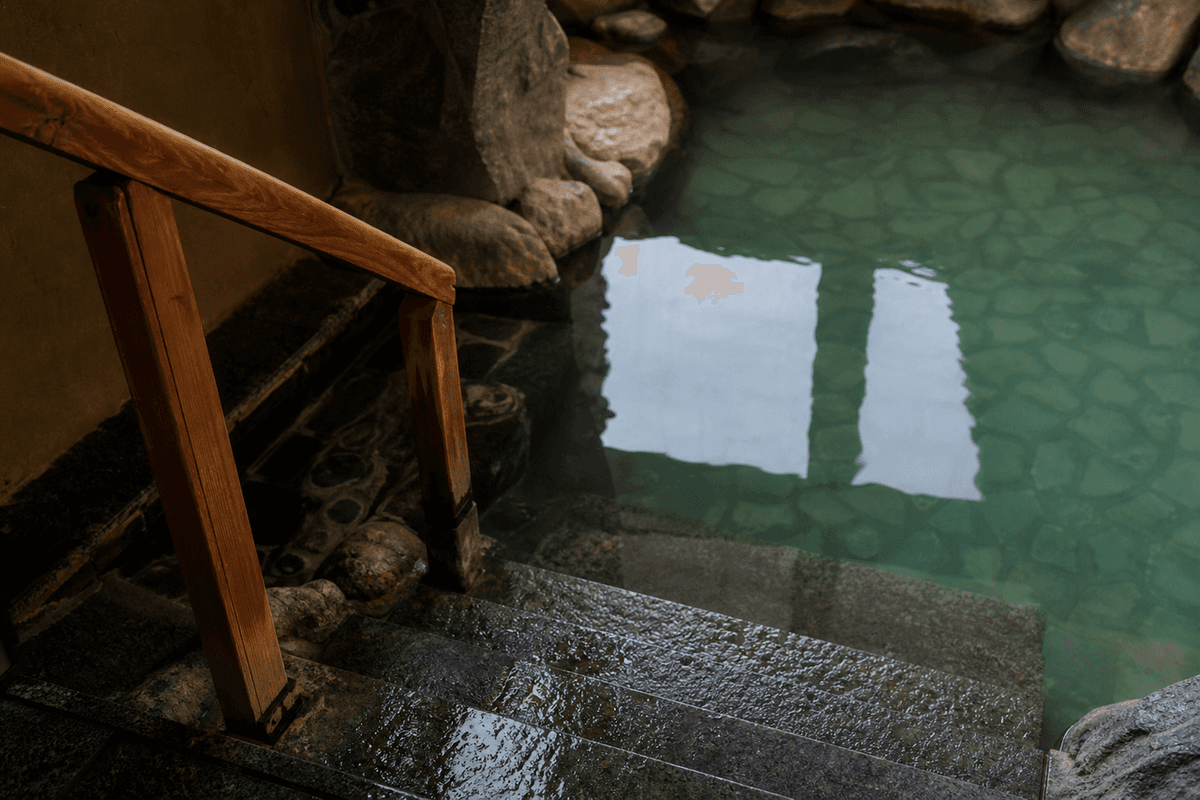
Woolcott and colleagues in Archives of Internal Medicine in 2009 pooled the studies of nine drug classes and falls in older adults and found sedatives and hypnotics, benzodiazepines and antidepressants among the classes most strongly associated with falling. A wellness venue is a sequence of wet, warm floors, hot benches to stand from and tubs to climb out of, and a body with slower reactions and heat-lowered blood pressure is the body that goes down on them.
That reframes the venue rather than the modality: rails, non-slip floors, a bench to sit on while changing, staff nearby, and a slow seated exit from any heat. Our guide to accessible wellness with a disability covers exactly what to ask, and our guide to feeling faint in a sauna already lists sedatives among the drugs that make the faint more likely.
Heat, floats and the signal that never arrives
Shorter, cooler, accompanied, and timed away from the dose.
A sauna or a hot tub on a sedating drug is fine with adjustments, and the adjustments are all about the missing signal. Shorter sessions than you would otherwise take, a lower bench, water before and after, never alone, and timing the session away from the peak of the dose, since a sauna an hour after a sleep tablet or a strong painkiller is a sauna you may not leave when you should. Opioids add a specific concern: they depress breathing, and heat, dehydration and any alcohol deepen that.
A float tank is the quiet version of the same problem. Lying in warm water in the dark on a sedative is a fine way to fall asleep, and a float centre that checks on you, that you have told, is the one to book. Our float tank guide covers the session, and our guide to wellness with epilepsy covers water alone as a hazard for a different reason.
Cold plunges and the gasp
The reflex is intact. The judgement around it is not.
The cold shock response, the gasp and the surge in heart rate and blood pressure, happens on any drug, and on a sedative the judgement that would normally get you out of the water in time is slower. Cold water is not off the menu; icy immersion alone is. Cool showers and the gentler formats our guide to which cold format suits which goal covers are the sensible start, and a plunge, if at all, is short, supervised and never straight after a dose. Our guide to who should avoid cold plunging covers the cardiovascular side.
Combinations, alcohol and the death statistics
The danger is never one drug. It is two.
The serious harm from sedating medication comes from stacking. Gomes and colleagues in PLOS Medicine in 2017 found that people prescribed gabapentin alongside opioids had a substantially higher risk of opioid-related death than those on opioids alone, and the CDC opioid prescribing guideline by Dowell and colleagues in 2022 warns specifically against combining opioids with benzodiazepines and other sedatives because of the respiratory risk. Alcohol is a sedative too, and the spa with a wine list is where the stacking happens without anyone calling it that.
On the wellness menu that means: one sedative at a time as prescribed, no alcohol with any of them, and no “relaxing” extra, a sleep aid, a CBD tincture, a kava tea at the retreat, added on top without the prescriber knowing. Our guide to alcohol in a sauna covers why heat and drink are a bad pair for anyone, and here they are a worse one.
Massage, breathwork and the classes that fit
Fine, welcome, and the slow kind.
Massage is welcome and often what a body in pain or anxiety wants; tell the therapist what you take, expect to feel drowsy afterwards, and rise slowly from the table. Gentle yoga, tai chi, walking and swimming with company suit this reader, and our tai chi and qigong explainer covers a practice that is slow and upright by design. Breathwork should stay on the slow side: the intense hyperventilation styles alter consciousness on their own and are not a sensible addition to a drug that already does. Our breathwork safety guide covers the general picture.
For people taking these drugs for anxiety or sleep, the practices that address the underlying problem, sleep habits and calm regular movement, are worth more than any single treatment, and our ranking of what actually helps you sleep is the honest version.
Sedating medication and wellness at a glance
| Practice | Fine as is | Needs adjusting | Avoid |
|---|---|---|---|
| Sauna, steam, hot tub | With company | Shorter, lower, away from the dose peak, slow exit | Alone, or with alcohol |
| Float tank | A centre that checks on you | Tell them what you take | Alone with a sleep tablet on board |
| Cold plunge | Cool showers, gentle formats | Short, supervised, not after a dose | Icy immersion alone |
| Massage | Yes | Rise slowly, expect drowsiness | Nothing specific |
| Gentle yoga, tai chi, swimming | Yes | Company, footing | Nothing specific |
| Intense breathwork | Nothing specific | Prescriber’s view | Hyperventilation styles on a sedative |
| Alcohol at the spa | Nothing | Nothing | With any sedating drug |
| Extra “relaxers”: kava, CBD, sleep aids | Nothing without the prescriber | Ask first | Stacking on a prescribed sedative |
| Stopping or skipping doses | Nothing | Nothing | Abruptly, ever, for benzodiazepines or opioids |
What is oversold
The natural relaxer on top, and the retreat that gets you off the tablets.
Kava, CBD, valerian, “sleep stacks” and the herbal relaxers sold at retreats are sedatives sold as harmless, and on a prescribed sedative they are the stacking the research warns about. The retreat that promises to get you off benzodiazepines or opioids in a week is the more dangerous pitch: both are stopped by slow, supervised tapering, abrupt withdrawal from benzodiazepines can cause seizures, and our guide to bathhouses and spas in addiction recovery covers why the wellness language around this is part of the problem. Our guide to spotting a nonsense wellness claim is the filter.
What belongs to your prescriber
The drug, the dose, the taper, and the combination question.
Which drug, at what dose, for how long, and how to come off it belong with the prescriber, and so does the question of what else you can safely take alongside it. Ask them specifically about heat if you sauna regularly, about timing sessions around doses, and about any supplement or tea before a retreat.
Seek urgent care for extreme drowsiness, slow or shallow breathing, blue lips, a fall with a head knock, or confusion after heat. If you book alongside proper care, check whoever you see with our credential-checking guide. We only recommend what we would send a friend to, and here that means a venue where staff are near the sauna door and nobody hands you a glass of wine on the way in.
FAQ
Can I use a sauna on gabapentin or pregabalin? Yes, with company, shorter sessions, a lower bench, a slow exit and no alcohol. The drug dulls the signal that tells you to leave, so time the session away from the peak of a dose.
Is a float tank safe on a sleep tablet or trazodone? At a centre that checks on you and that you have told, and not with a dose recently taken. Falling asleep in warm water in the dark is the specific risk.
Can I cold plunge on benzodiazepines or opioids? Icy immersion alone is the thing to avoid; your judgement around the gasp is slower. Cool showers and gentle formats are the sensible start, and a supervised short plunge only with the prescriber’s okay.
Can I have a glass of wine at the spa on these drugs? No. Alcohol is a sedative and stacking sedatives is the combination behind the serious harm, especially with opioids and benzodiazepines, and heat makes it worse.
The bottom line on wellness with sedating medication
Sedating drugs dull the one thing a sauna, a float and a plunge depend on, noticing when to leave, and the falls research puts the wet floor at the top of the hazard list. Heat and water stay open with company, shorter sessions, a slow exit and sessions timed away from a dose.
The rules that matter are never alone, never with alcohol, and never a second sedative stacked on the first, which is where the death statistics come from. Massage, gentle movement and slow breathing are welcome; the intense styles and the herbal relaxers are not.
Slow breathing, extreme drowsiness or a head knock belong with urgent care, the taper belongs with the prescriber, and a venue with staff at the sauna door is the one to book.