The Journal, page 3
Back to the full journal (with category filters).
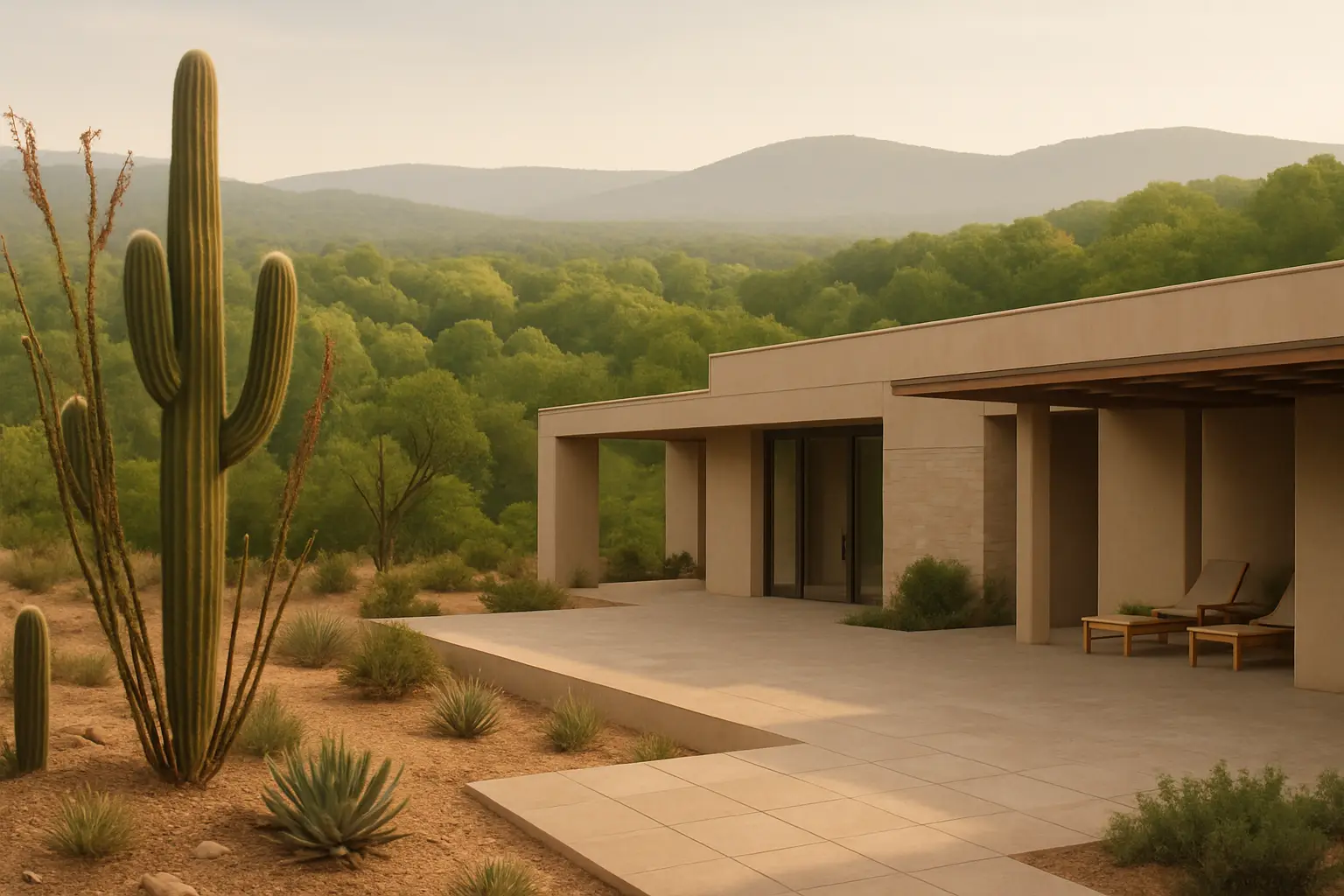
Canyon Ranch Tucson vs Lenox: which campus fits you?
Canyon Ranch Tucson sits on 150 acres of Sonoran desert below the Santa Catalina Mountains. Canyon Ranch Lenox occupies a nineteenth-century Berkshires estate. Same inclusive model, opposite weather, and the weather is the decision.

Esalen vs 1440 Multiversity: which California center fits you?
Esalen and 1440 Multiversity are both California nonprofit learning centers, not spas. Esalen publishes every accommodation rate and is hard to reach; 1440 is easy to reach and publishes none. That gap says more than the scenery does.

Golden Door vs Rancho La Puerta: which week fits you?
Golden Door runs Sunday-to-Sunday weeks on 600 California acres where every room is single occupancy and the rate is quoted by phone. Rancho La Puerta runs Saturday-to-Saturday weeks on 4,000 Baja acres at a published per-person price. Same founder, opposite answers.

Hilton Head Health vs Pritikin: which health programme fits?
Both sell a stay meant to change your health, but only one is built around physicians, blood panels and cardiometabolic testing. Here is how Pritikin in Miami and Hilton Head Health in South Carolina actually differ, and who each one is for.

Kripalu vs Omega Institute: which retreat center fits you?
Kripalu and Omega are both large nonprofit learning centers, not spas. Both bundle meals and daily classes into the room rate and bill programme tuition separately. The real split is subject depth versus subject breadth, and how rough you will sleep.

Mii amo vs Miraval: which Arizona wellness stay fits you?
Mii amo is a 23-room spa in Sedona's Boynton Canyon selling fixed-length Journeys with set arrival days. Miraval Arizona is a 400-acre inclusive resort outside Tucson. Same state, opposite shapes, and the shape is the decision.

Miraval Austin vs Miraval Arizona: which one fits you?
Miraval Arizona opened in 1995 on 400 acres of Sonoran desert. Miraval Austin opened in 2019 on 220-plus acres of Hill Country preserve with a working farm. Same inclusive model, different land, different week.

Rancho La Puerta vs Canyon Ranch: which one suits you?
Rancho La Puerta is one place with one rhythm: a Saturday-to-Saturday week in Baja at a published per-person rate. Canyon Ranch is five American destinations with a two-night minimum and nightly credits you spend on treatments. Commitment versus flexibility.

Red Mountain Resort vs Civana: this choice no longer exists
Red Mountain Resort in Ivins, Utah announced a closing date of November 26, 2025, and its website now redirects elsewhere. Civana in Carefree, Arizona is the surviving half of this comparison, and it replaces only part of what Red Mountain did.

Sensei Lanai vs Miraval: measurement or immersion?
Sensei Lanai publishes four package tiers built around measurement, from a self-guided room rate to a five-night programme with a VO2 max test. Miraval bundles meals, unlimited classes and a nightly credit and publishes nothing. Here is who each suits.
Wellness on antidepressants: saunas, sweating, retreats and what is actually safe
Most of the wellness menu is open on an antidepressant. The exceptions are specific: SSRIs increase sweating and heat, rarely, sodium loss in older adults; St John's wort interacts with them; bupropion lowers the seizure threshold; and a retreat is never the place to stop.
Wellness on blood pressure medication: amlodipine, losartan, metoprolol and the sauna exit
Heat lowers blood pressure and so does the tablet, and the two meet when you stand up. Calcium channel blockers and ACE inhibitors deepen the drop, beta blockers hide the warning, diuretics drain the electrolytes, and clonidine rebounds if a dose is missed.
Wellness on blood thinners: massage pressure, cupping, wet floors and what is actually safe
Anticoagulants such as Eliquis, Xarelto and warfarin make bleeding and bruising the thing to plan around. Cupping, gua sha and deep tissue work mark the skin, wet floors and faints risk a head injury, and herbal supplements interact. Heat and cold are otherwise fine.
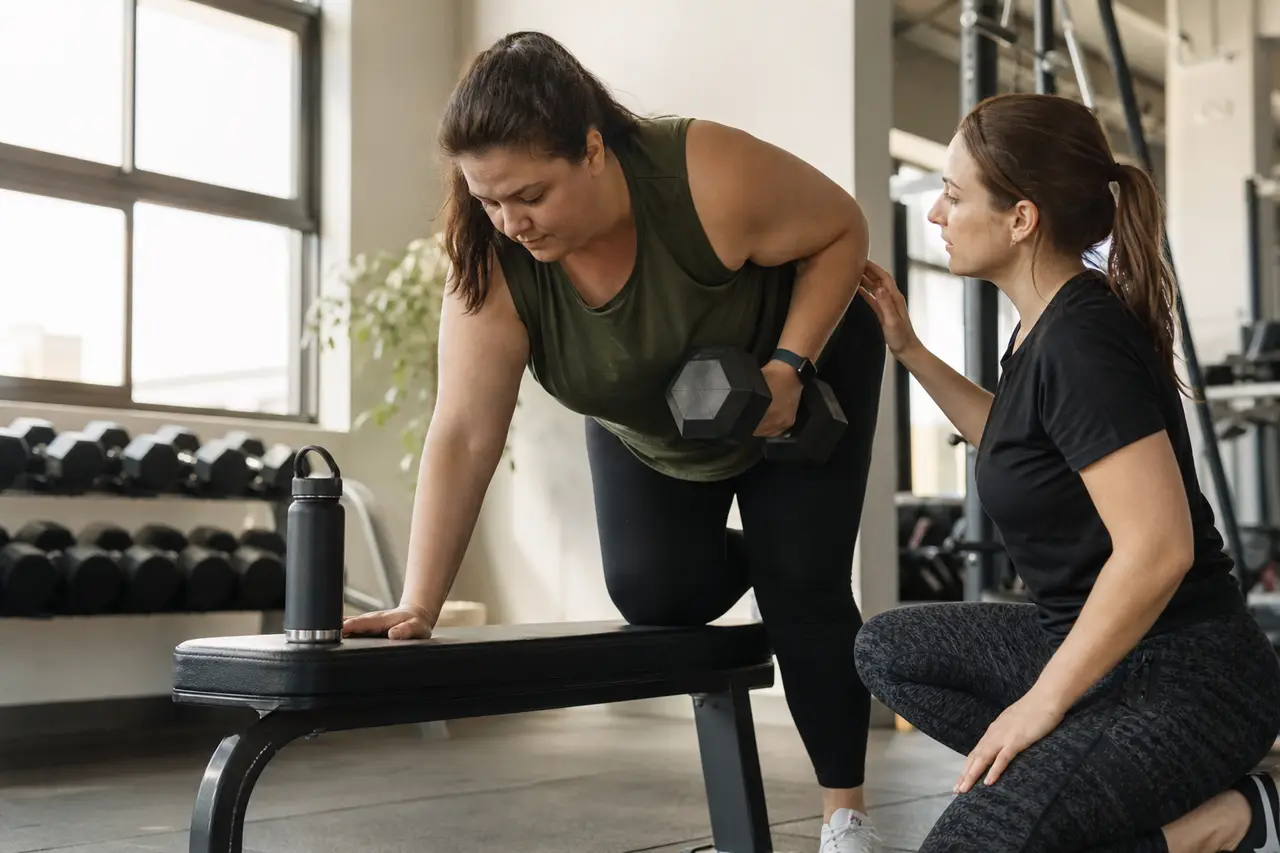
Wellness on Ozempic, Wegovy or Mounjaro: saunas, massage, muscle and what is actually safe
GLP-1 drugs suppress appetite and thirst and slow the stomach, so dehydration in a sauna and nausea lying flat are the real risks, and a cleanse is the wrong buy. Heat is fine with water on a schedule, and strength training protects the muscle the scale hides.
Wellness on sedating medication: gabapentin, trazodone, benzodiazepines, opioids and the hot room
Sedating drugs, gabapentin, pregabalin, trazodone, benzodiazepines, sleep tablets and opioids, dull the signals a sauna, float or plunge depends on and raise the risk of a fall. Heat and water are fine with company, shorter sessions and no alcohol. Never alone, never combined.
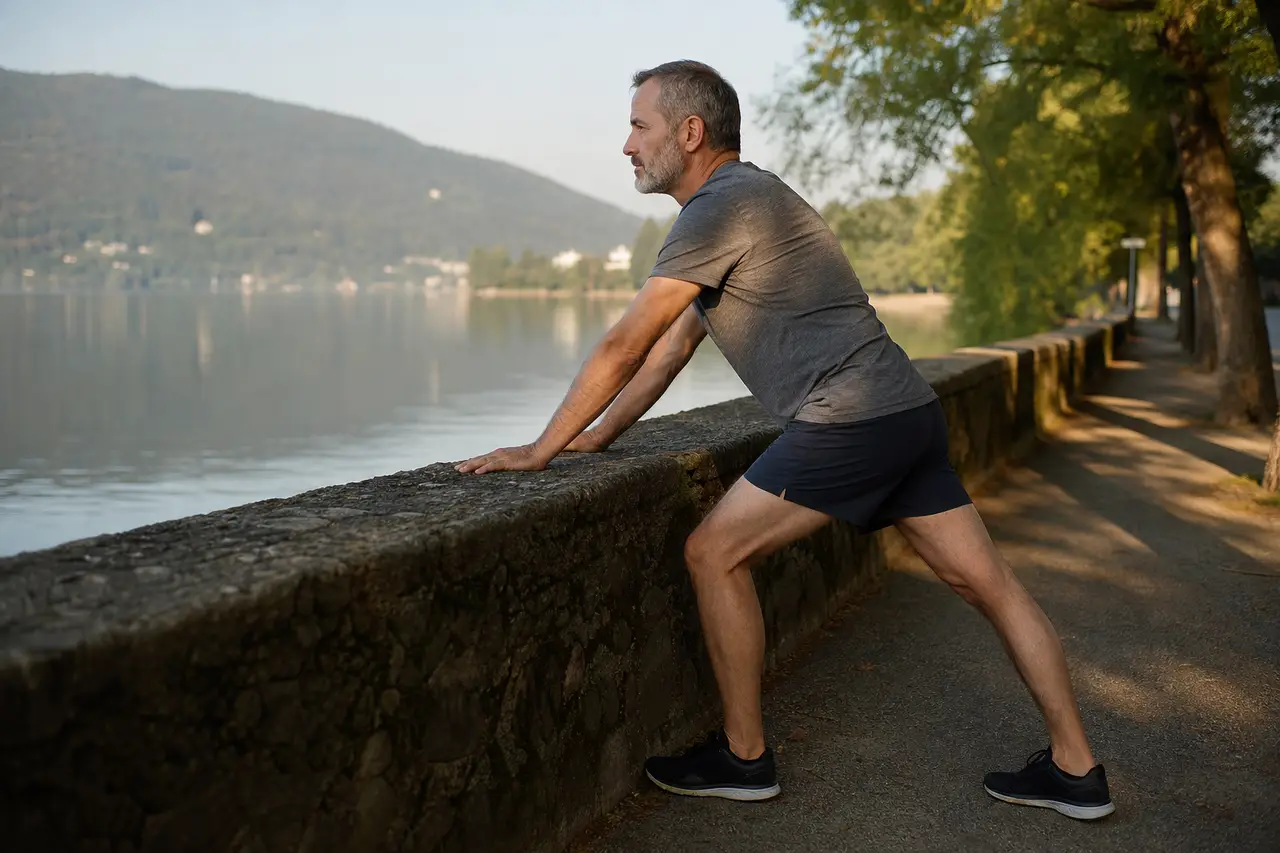
Wellness on statins: muscle aches, hard exercise, saunas and the CoQ10 pitch
Statins are safe to exercise on, and the muscle ache most people attribute to them is usually not the drug. The rare true muscle injury is a blood test, not a sauna. Heat, cold and massage are fine, hard new exercise deserves a gradual start, and CoQ10 failed its meta-analysis.

Wellness with COPD: breathwork, steam, cold air, altitude and what is actually safe
COPD narrows the airways for good, and the practices with evidence are slow breathing training, pulmonary rehabilitation and, surprisingly, singing. Hyperventilation breathwork, mountain retreats and cold air are the traps, and a sauna is fine with oxygen left outside.
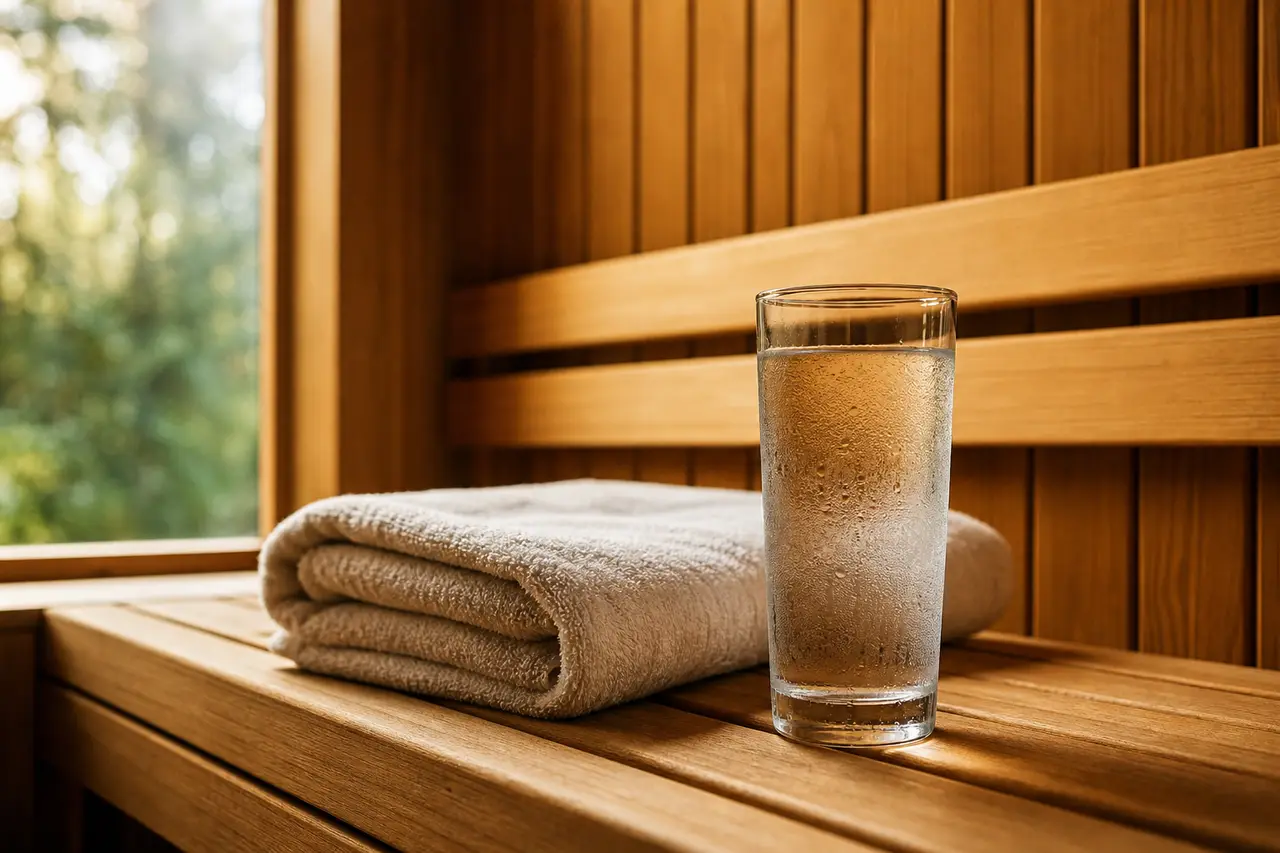
Wellness with kidney stones: saunas, hot yoga, hydration and what is actually safe
Kidney stones form when urine is concentrated, and heavy sweating concentrates it, so the sauna sold as a detox is the risk. A randomized trial found that keeping urine dilute cut recurrences. Heat is fine with the water to match, and a moving stone is an emergency.

Wellness with glaucoma: the yoga poses that raise eye pressure, and what is actually safe
Glaucoma is damage to the optic nerve, usually driven by pressure inside the eye, and head-down yoga poses raise that pressure while held. Inversions, breath-holding and pressure on the eyes are the things to refuse. Saunas, massage and most classes are fine.
Wellness with IBS: yoga, hypnotherapy, massage and the cleanse that makes it worse
IBS is a disorder of how the gut and brain talk to each other, not a dirty colon. Gut-directed hypnotherapy has trials behind it, yoga has smaller ones, and a calmer nervous system helps. Cleanses, colonics and juice fasts have no evidence and can make it worse.
Wellness with lupus: sun, heat, shared water and what is actually safe
Lupus is a systemic autoimmune disease and ultraviolet light is its best-documented trigger, so the rooftop class and the beach retreat are the risk. Exercise is safe and helps fatigue, massage is fine with adjustments, and immune-suppressing drugs set the shared-water rule.
Wellness with multiple sclerosis: heat, cooling, movement and what is actually safe
Multiple sclerosis makes most people heat-sensitive: a rise in body temperature brings symptoms back within minutes and cooling reverses them. Saunas, hot tubs and hot yoga are the traps. Exercise has strong evidence, cool water often helps, and massage is fine.

Wellness with a health condition: which guide to read first
The wellness menu is written for a body with nothing wrong with it. This page sorts every guide we have written for a specific condition or situation by the question that decides what is safe for you: heat, pressure, breath, water, sleep, or the door.
Wellness with a thyroid condition: heat, cold, the neck, and the detox that is not one
An overactive thyroid runs hot and fast, so saunas and hot yoga wait for treatment. An underactive one runs cold and slow, so a cold plunge is miserable rather than dangerous. No pose, detox or supplement changes a hormone level, and a neck lump is a doctor's question.