The Journal, page 4
Back to the full journal (with category filters).
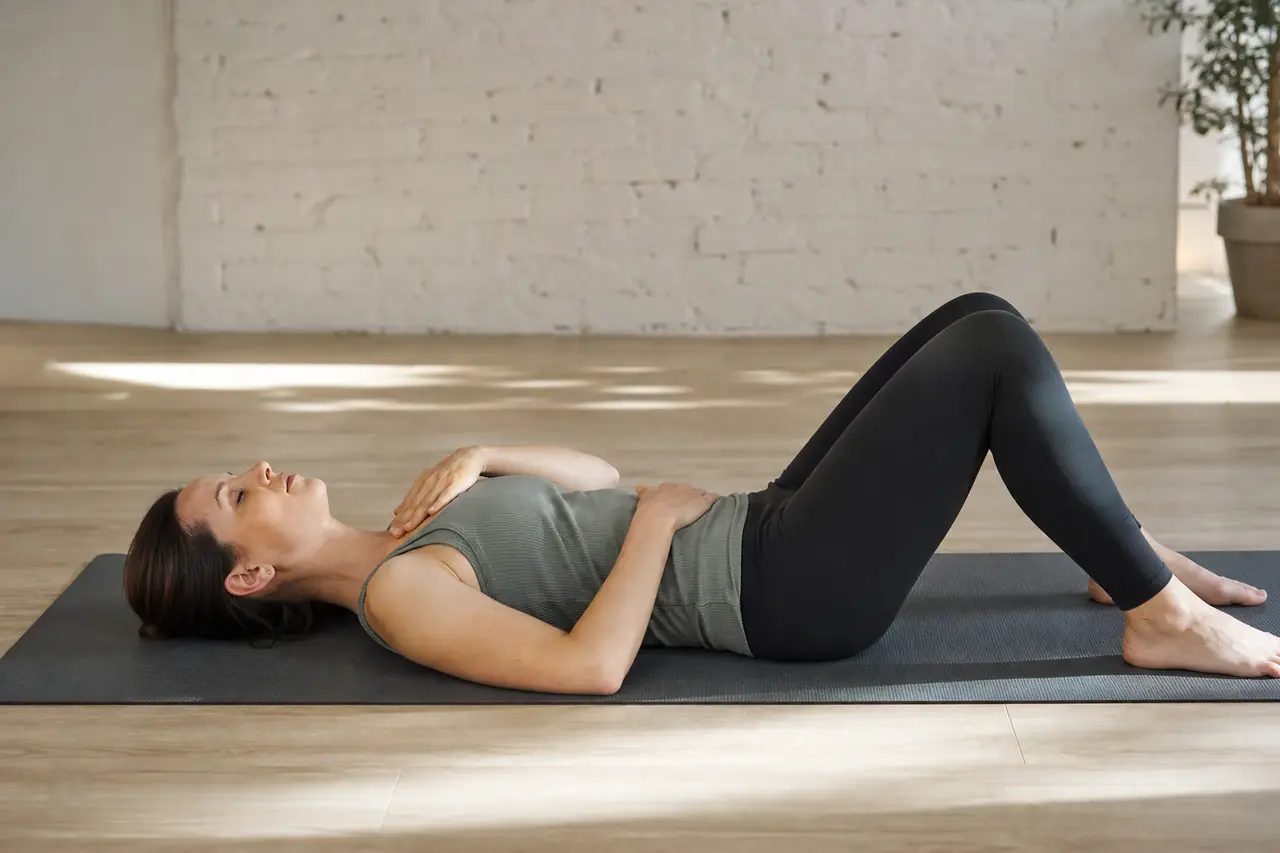
Wellness with acid reflux or a hiatal hernia: inversions, massage, breathing and timing
Reflux is acid rising from the stomach, and a hiatal hernia is the stomach slipping through the diaphragm. Inversions, deep folds, abdominal pressure and a full stomach make both worse. Breathing training has a trial, timing does the rest, and hands cannot push a hernia down.

Wellness with atrial fibrillation: saunas, cold plunges, alcohol and what is actually safe
Atrial fibrillation is an irregular heart rhythm, and its documented triggers are the wellness menu's headline items: heat, dehydration, cold shock and alcohol. What helps is moderate regular exercise, gentle yoga and less alcohol. Blood thinners change massage and cupping.

Wellness with ADHD: why sitting still is the wrong door, and what actually helps
For ADHD the practice with the best evidence is exercise, meditation helps modestly and works better in moving forms, floats divide people, and stimulant medication turns saunas, hot yoga and cold plunges into a question for the prescriber. Sitting still is not the test.

Wellness with bipolar disorder: sleep, retreats, breathwork and the reset that is not one
Bipolar disorder is a condition of mood episodes, and the retreat sold as a reset is built from its triggers: lost sleep, a moved clock, fasting, intensive silence. Movement, daylight and routine are safe and helpful. Sleep is the thing to protect, and the medication stays.

Wellness with eczema or psoriasis: saunas, salt water, floats and what to tell a therapist
Eczema and psoriasis are inflammatory skin conditions, not dirty skin. Heat and sweat can trigger eczema, skin injury can seed new psoriasis plaques, and salt water and sun are treatments with a dose. Scrubs, wraps and detox pitches are the things to skip, not the sauna.
Wellness with lymphedema: heat, massage, exercise and what the spa version gets wrong
Lymphedema is chronic swelling from a damaged lymph system, usually after cancer treatment. Spa lymphatic drainage is not the treatment. What helps is a certified therapist, compression, skin care and supervised strength training. Heat and deep pressure on the limb need care.
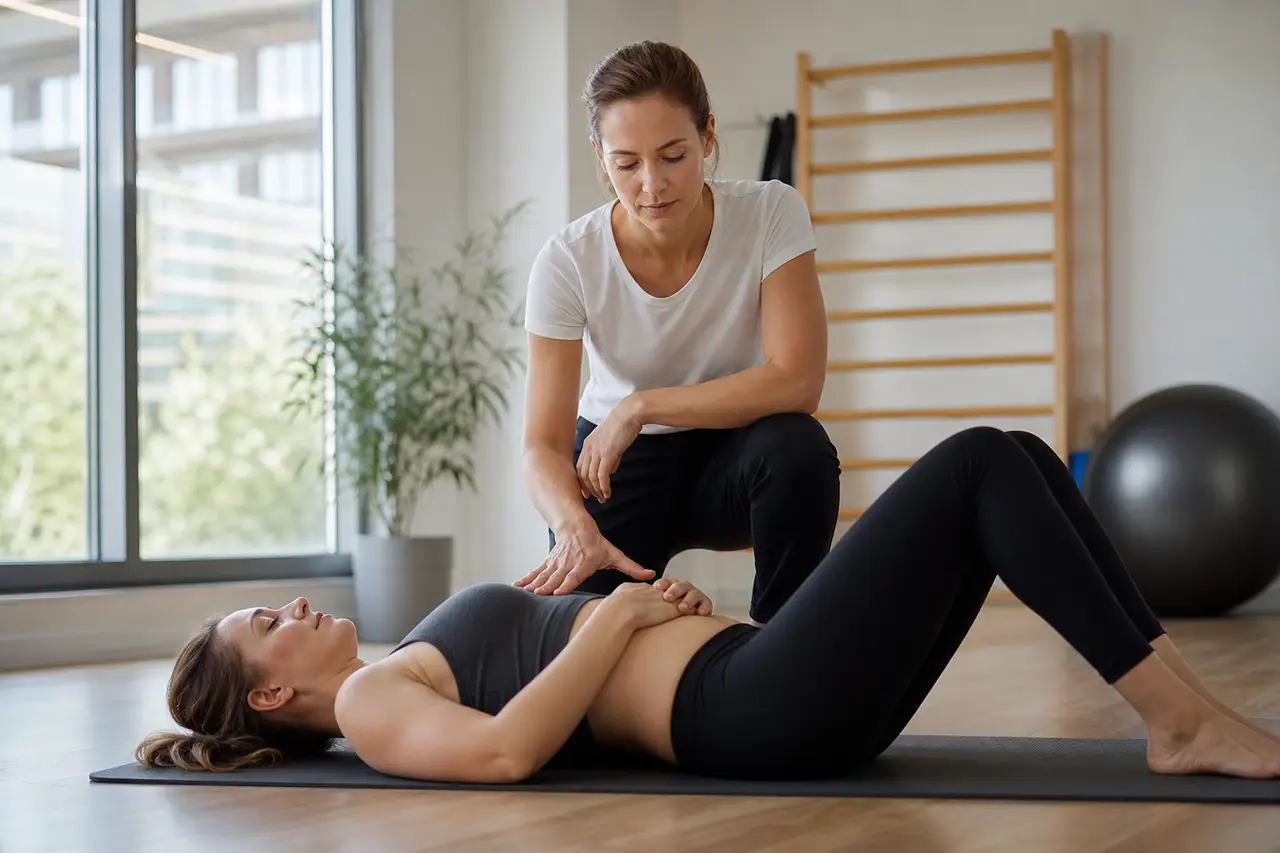
Diastasis recti: what actually helps, and the crunch ban a trial overturned
Diastasis recti is a widening of the midline between the abdominal muscles, near universal in late pregnancy and common a year on. It is not a tear or a hernia. What helps is progressive trunk loading with a pelvic health physio, and a trial found curl-ups did not widen the gap.
Osteoarthritis: what actually helps, and where wellness fits
Exercise is the first-line treatment for osteoarthritis in every major guideline, alongside education and, where relevant, weight management. Heat, hot water and massage ease stiffness and comfort without changing the joint. Nothing sold as joint repair comes close.
Rheumatoid and psoriatic arthritis: what wellness can and cannot do
Rheumatoid and psoriatic arthritis are immune-driven diseases, and specialist-managed medication is what changes their course. Around that, movement is recommended, warmth eases stiffness between flares, and moderate massage helps comfort if inflamed joints are left alone.
Scoliosis: can yoga, Pilates or massage help?
Two questions hide inside this one. For how the back feels, yoga, Pilates and massage are reasonable. For the curve itself, only scoliosis-specific physiotherapy exercise and, in growing adolescents, bracing have trial evidence. A studio class does not change a curve.
Wellness with epilepsy: breathwork, water, heat and sleep, honestly
Epilepsy is a tendency to recurrent seizures, and most people with it are well controlled on medication, so nearly everything in a wellness venue is open to them. The specific risks are intense breathwork, cut sleep, flashing lights for a minority and, above all, water alone.
Hypermobility and Ehlers-Danlos: why flexibility is the trap, not the goal
Hypermobile joints reach end range easily and get hurt there, and the industry prizes exactly that range. What helps is strength, control and proprioception within a managed range, built with someone who knows the condition. No levered stretching, no adjustments.
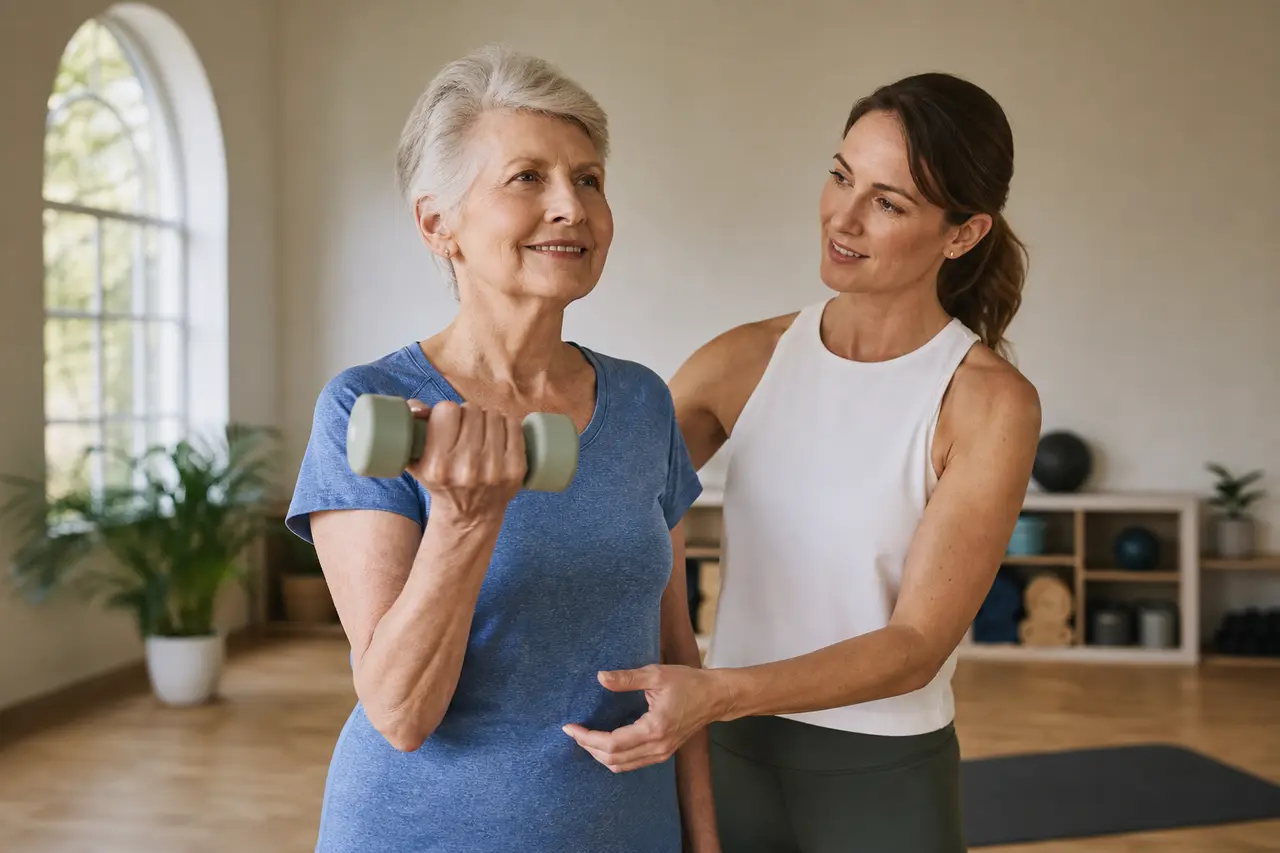
Wellness with osteoporosis: what is safe, what to avoid, and what helps bone
Osteoporosis is a reason to be specific about movement, not to stop. The hazard is loaded or fast spinal flexion, which can fracture a vertebra even in a gentle class. What helps bone is supervised resistance and impact training, plus balance work to prevent the fall.
Wellness with POTS or dysautonomia: heat, standing, and what is actually safe
POTS is an autonomic disorder in which standing sends the heart rate climbing. The industry's defaults, heat, standing classes and fasting, are its triggers. What helps is supervised exercise that starts reclined, fluids and salt under a clinician, and knowing how to stand up.
Bursitis: what it is and what actually helps
Reducing the specific load that keeps irritating the area, then building strength back gradually, is the mainstream route for the shoulder and hip presentations. Massage and heat ease guarding and comfort. A hot, red, swollen bursa is a different problem and needs prompt care.
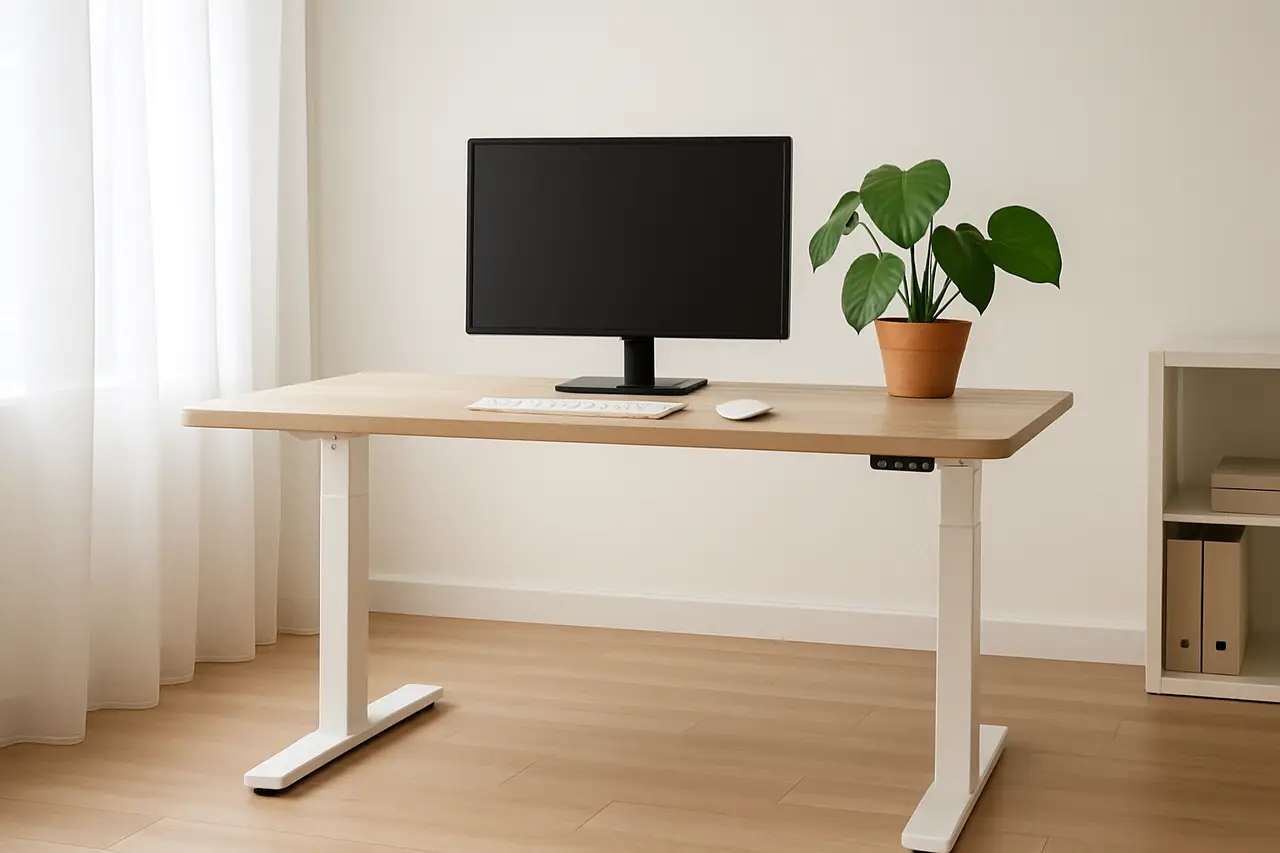
Do standing desks actually work? The honest answer
Prolonged uninterrupted sitting is linked to worse outcomes. It does not follow that standing is the fix. The real benefit of a sit-stand desk is that it makes changing position easy, and someone who stands rigidly all day has swapped one static posture for another.

Knee pain: what actually helps
Front-of-knee pain, the IT band pattern and osteoarthritis feel different and need different handling. For most non-traumatic knee pain, movement and loading beat rest. Massage, heat and cold change how the knee feels, which is worth having and is not the fix.
Lower back pain: what actually helps
Most low back pain is non-specific, meaning no one structure can be blamed, and most episodes improve substantially within weeks. Staying active beats resting, massage and heat buy real comfort without fixing the cause, and a handful of symptoms need a clinician the same week.
Jaw pain, TMJ and teeth grinding: what helps
Most jaw pain is muscular rather than structural. Massage of the jaw, temple and neck muscles can ease that half, and stress and sleep are real contributors. Grinding is dentist territory, and locking or a changed bite needs a clinician.
Shoulder pain and the rotator cuff: what helps
Cuff-related pain, frozen shoulder and referred neck pain are three different problems that all present as a sore shoulder. Exercise-based rehabilitation is the mainstream route for most cuff pain. Massage and heat ease guarding, which is worth having and is not repair.
Shin splints, IT band and Achilles: what helps
Shin splints, IT band syndrome and Achilles tendinopathy are overwhelmingly load-management problems. Massage, heat, cold and rolling change how the leg feels, which is worth having. The training change and progressive loading are what actually resolve them.
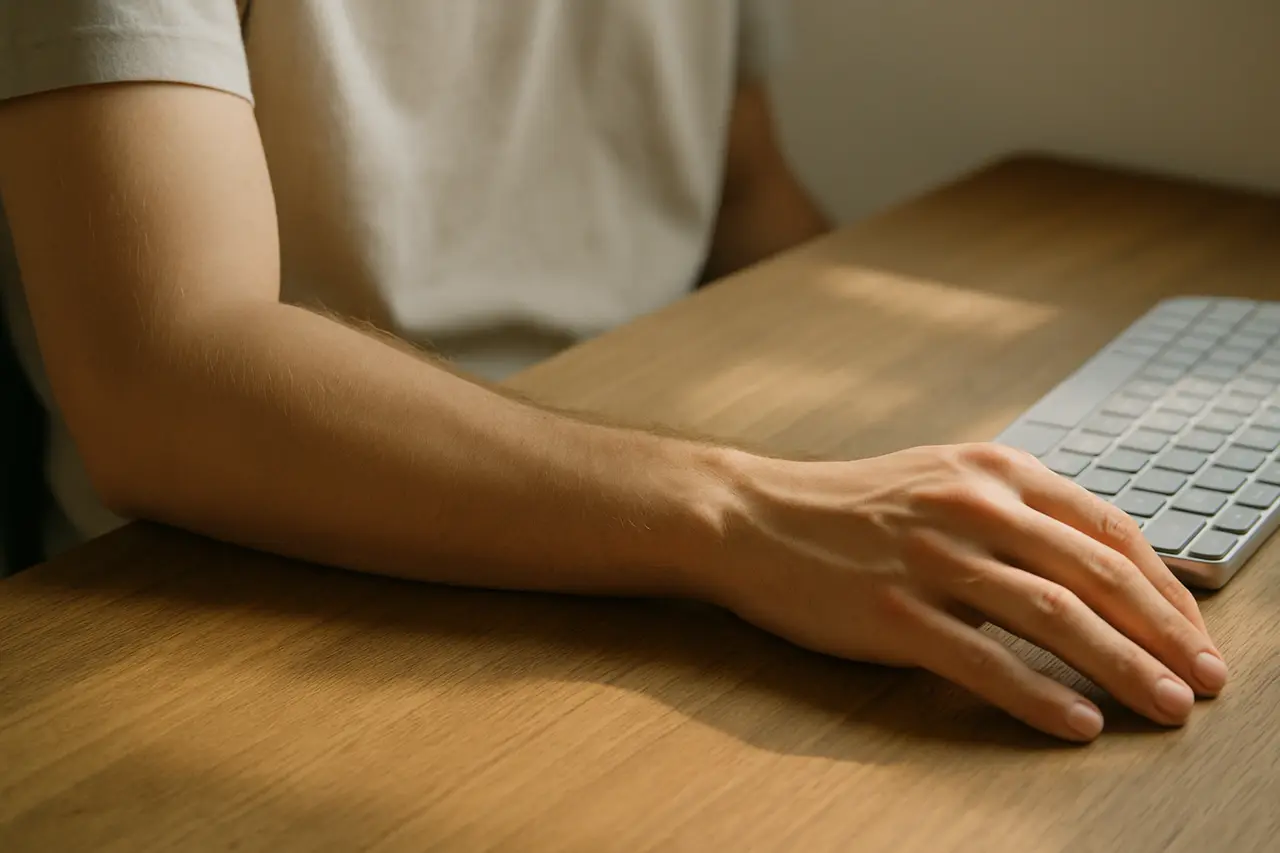
Tennis elbow and golfer's elbow explained
Tennis elbow is on the outside, golfer's elbow on the inside, and most people with either have never played the sport. They are tendon problems driven by load, which is why rest and anti-inflammatory thinking tend to disappoint.
Carpal tunnel: what actually helps
Carpal tunnel syndrome is median nerve compression at the wrist, and its signature is numbness in the thumb, index, middle and half the ring finger, worse at night. Aching forearms from typing are usually something else, and treating them as carpal tunnel goes nowhere.
Do blue light glasses work? Eye strain vs sleep
Two claims, two answers. For digital eye strain, blue-filtering lenses have generally not beaten clear lenses in trials, because blue light is not the cause. For sleep, the light mechanism is real but the lenses do less than dimming the room.