The Journal, page 5
Back to the full journal (with category filters).
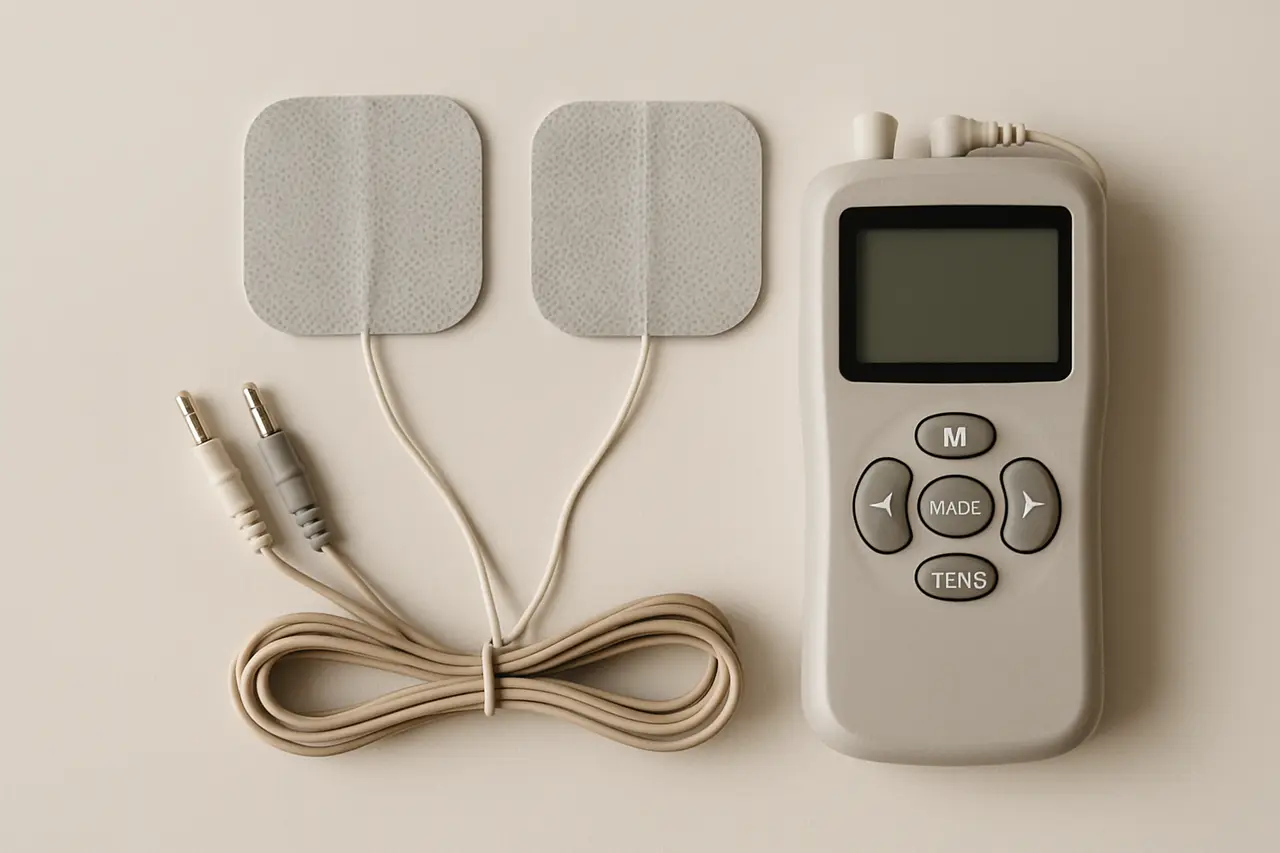
Do TENS units actually work? The honest answer
TENS is a genuine clinical modality, not a wellness fad. It can reduce pain while it is running and for a period afterwards, but the relief is symptomatic, the effect size is contested, and it does not heal anything.
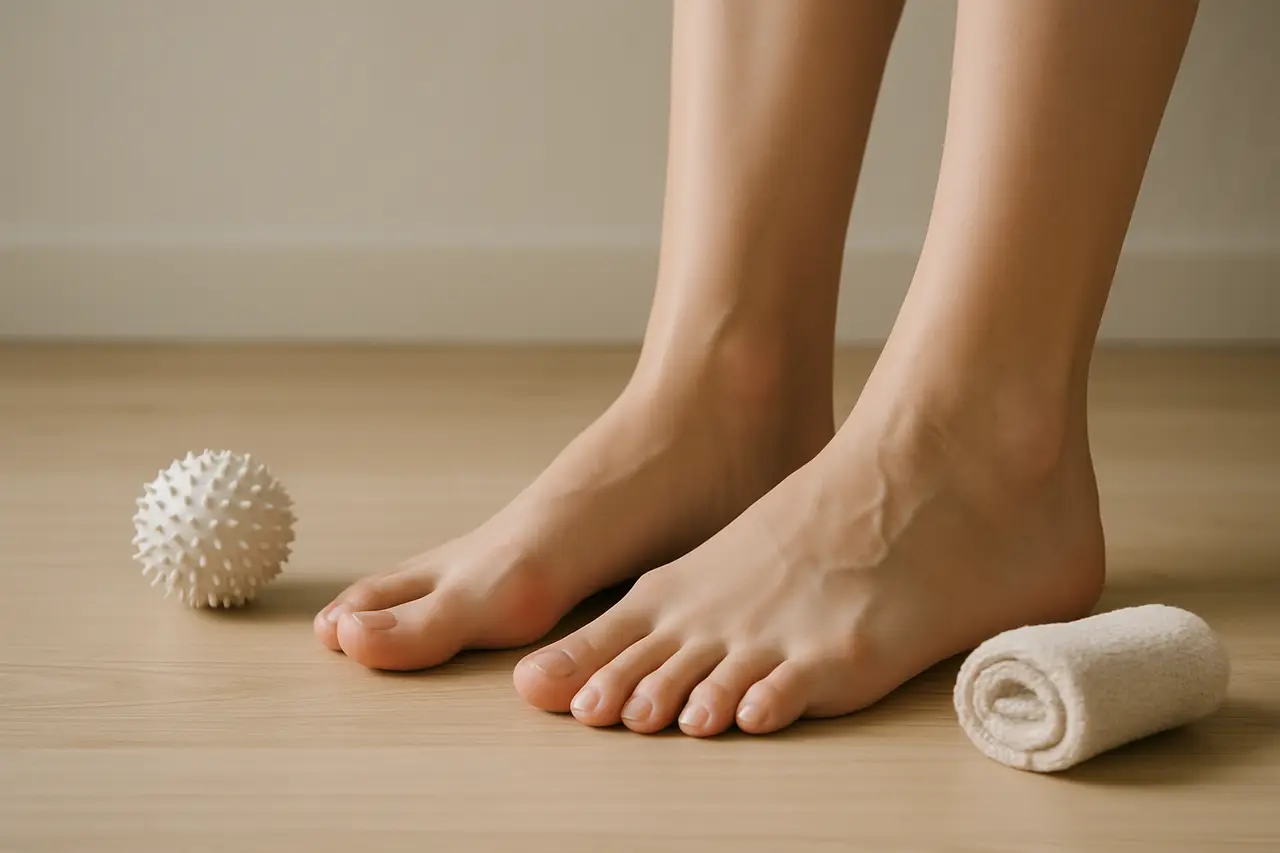
Plantar fasciitis: what actually helps
Calf and plantar stretching, gradually loading the tissue rather than resting it, sensible footwear and time are what the evidence supports. Massage and rolling the sole help how the foot feels, which is worth having and is not the thing that resolves it.
Progressive muscle relaxation: how to do it properly
Tense a muscle group hard for five seconds, release it completely, rest for twenty, then move on. A full pass takes ten to fifteen minutes. Here is the sequence, the short version, what it is genuinely good for, and who should ease off.
Sciatica: what wellness can and cannot do
Sciatica describes pain traveling down the leg from an irritated nerve root, and it is a symptom rather than a diagnosis. Massage, heat, and gentle movement can make it more bearable without touching the cause, and some popular stretching advice reliably makes it worse.

What actually helps you sleep: an honest ranking
A consistent wake time, morning daylight and a dark cool bedroom outperform everything sold for sleep. The evening bath or sauna is the one wellness practice with a genuinely good rationale. Massage and weighted blankets sit lower, and persistent insomnia needs a clinician.
Box breathing: how to do it, and when it helps
Box breathing is inhale four, hold four, exhale four, hold four. Four to five minutes settles most people. Here is how to do it properly, what it does physiologically, how it compares with the other slow patterns, and who should check first.
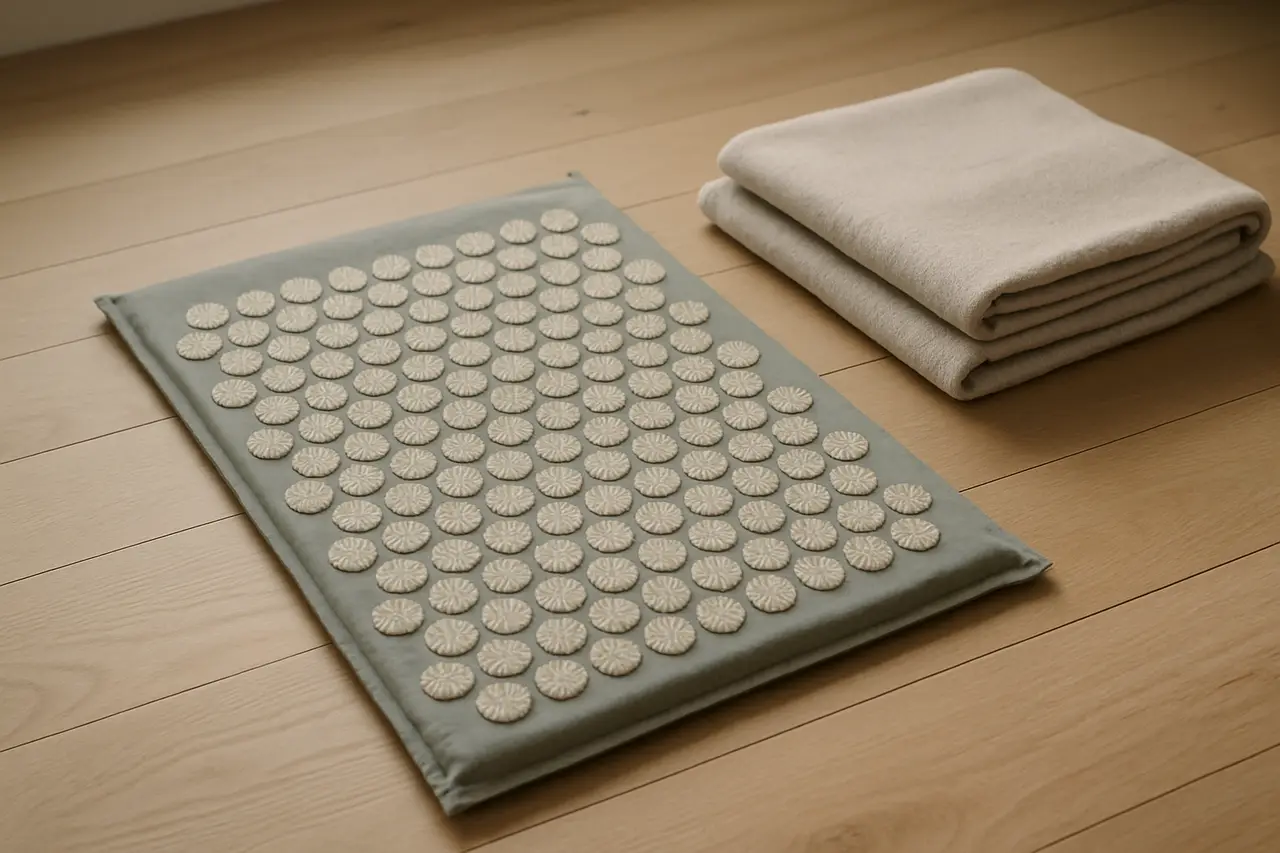
Do acupressure mats actually work? The honest answer
Acupressure mats reliably deliver a strong sensory experience that ends in relaxation. The trials on back pain and sleep are few, small, and nearly impossible to blind. It is a legitimate relaxation tool with a fanciful explanation attached.

Do posture correctors work? An honest answer
A posture corrector can remind you to change position. It cannot retrain your alignment, because a strap doing the work is the opposite of muscles learning to do it. The bigger problem is the premise: one correct posture that you must hold.

Mouth taping: is it safe, and does it work?
The honest answer runs safety first: mouth taping has thin, low quality evidence behind it, and taping the mouth of someone with undiagnosed sleep apnea can both worsen the night and hide the symptom that would have led to a diagnosis.
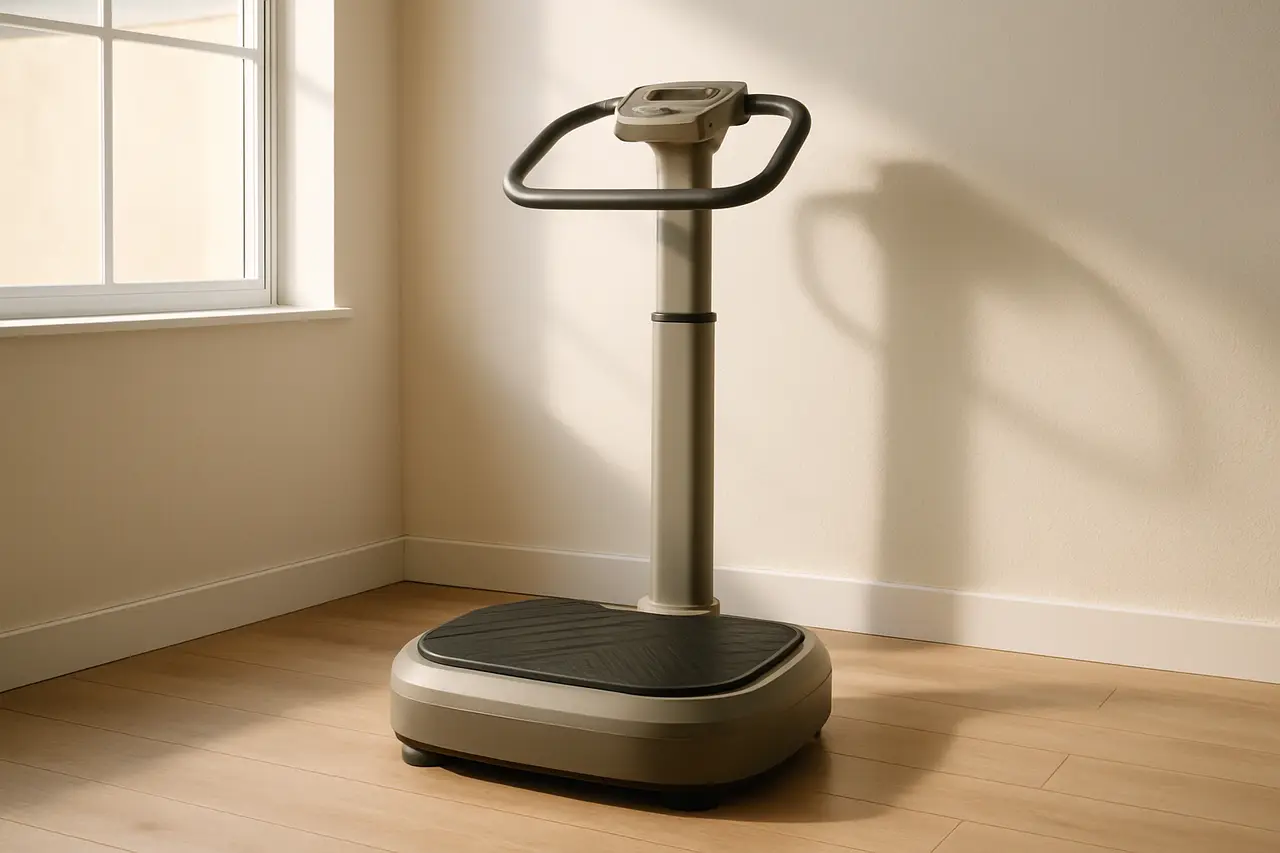
Do vibration plates actually work? The honest answer
Whole body vibration has a narrow real evidence base: balance and mobility in older adults, mixed research on bone density, a short-term circulation effect. Fat loss, gym equivalence, detox and cellulite claims are marketing ahead of the science.

Does an Epsom salt bath do anything?
The bath works and the salt probably is not why. Warm water immersion reliably eases muscle tension and helps you sleep. Magnesium absorption through skin rests on thin evidence, and the detox claims on none.

Accessible destination spas, compared honestly
Below the four-figure tier sits a real middle: destination spas with structured programs, daily classes and a coherent week at a fraction of the nightly rate. What you give up is attention and clinical depth, not the schedule.

Civana vs Miraval: which Arizona resort fits you?
Miraval Arizona bundles meals and programming into a four-figure nightly rate and takes the decisions away from you. Civana, north of Scottsdale, costs far less and expects you to build your own week. Same desert, different deal.
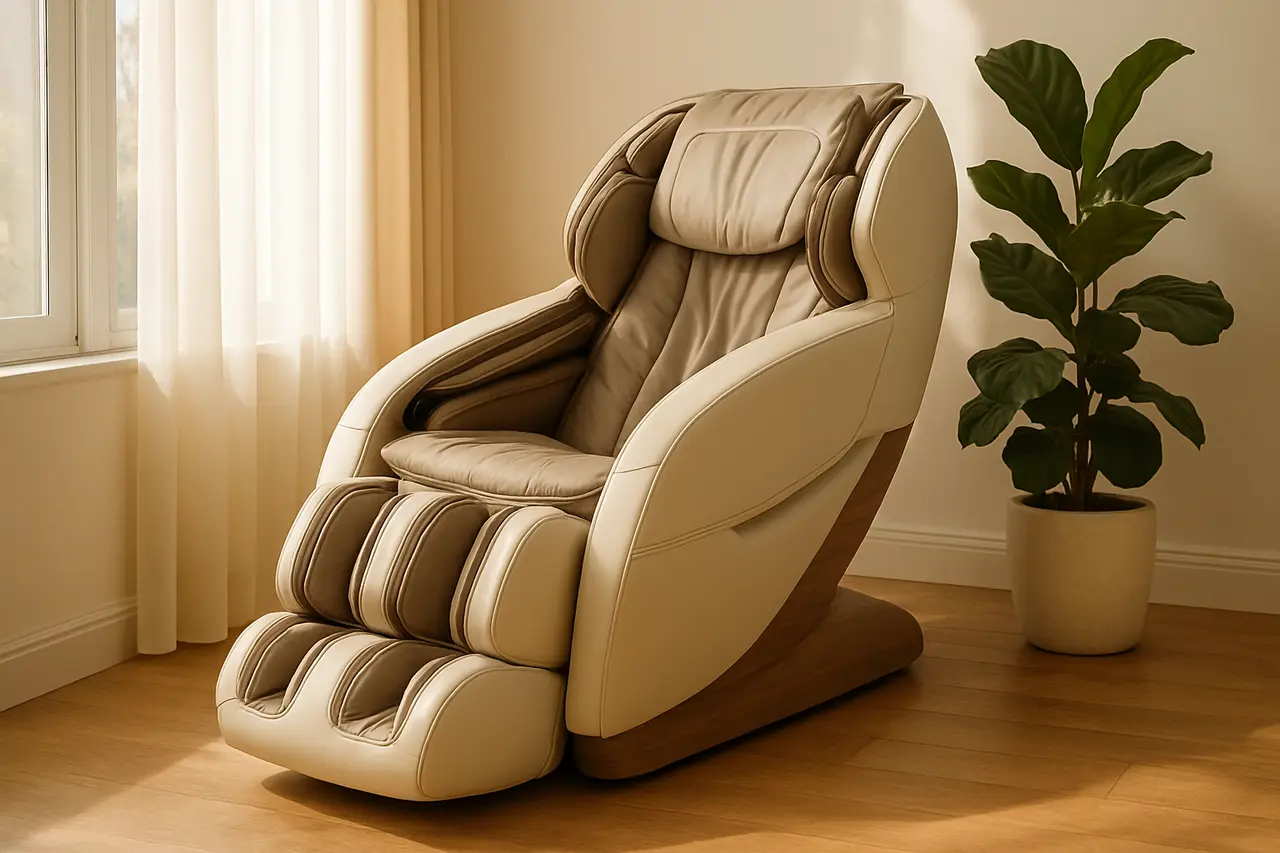
Is a massage chair worth it? The honest arithmetic
A massage chair is a comfort purchase, not a therapeutic one, and it is worth it for people who will use it several times a week. Measure the reclined footprint before you fall in love with a model.
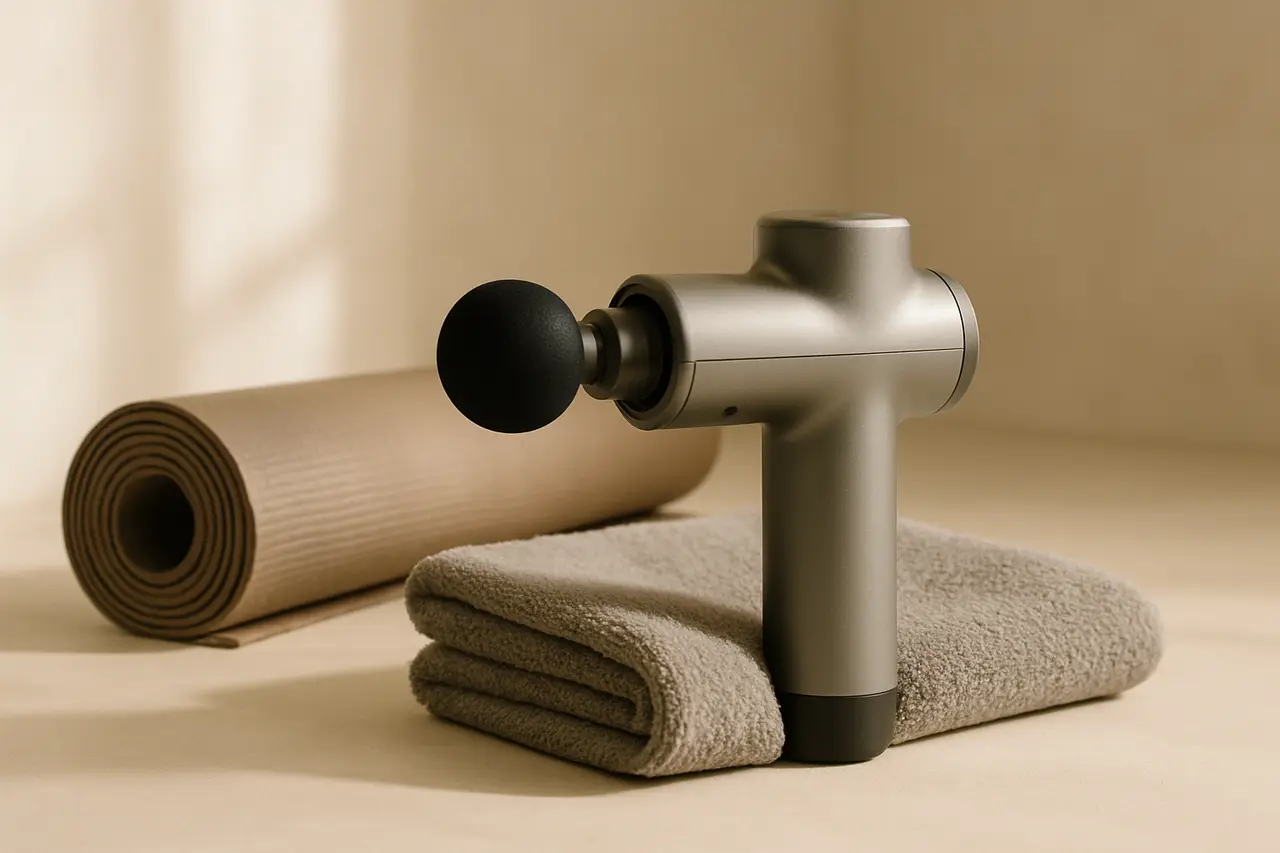
Massage guns compared: what actually separates a good one
Amplitude and stall force separate a real percussion device from a vibrating toy, and neither appears in most marketing. The evidence caps what any of them deliver, which is why the six-hundred-dollar one is not four times better.

Wellness on a business trip: what actually survives three nights
Three nights is not enough to keep a routine and long enough to wreck one. Pick one habit, use morning light rather than supplements for the clock, and check what the hotel spa actually has before you book.
The best meditation apps, compared honestly (including free)
Headspace teaches structure, Calm sells calm, Waking Up treats meditation as an argument worth following, and Insight Timer is an enormous free library. Pick by what will get you to open it on a bad day.
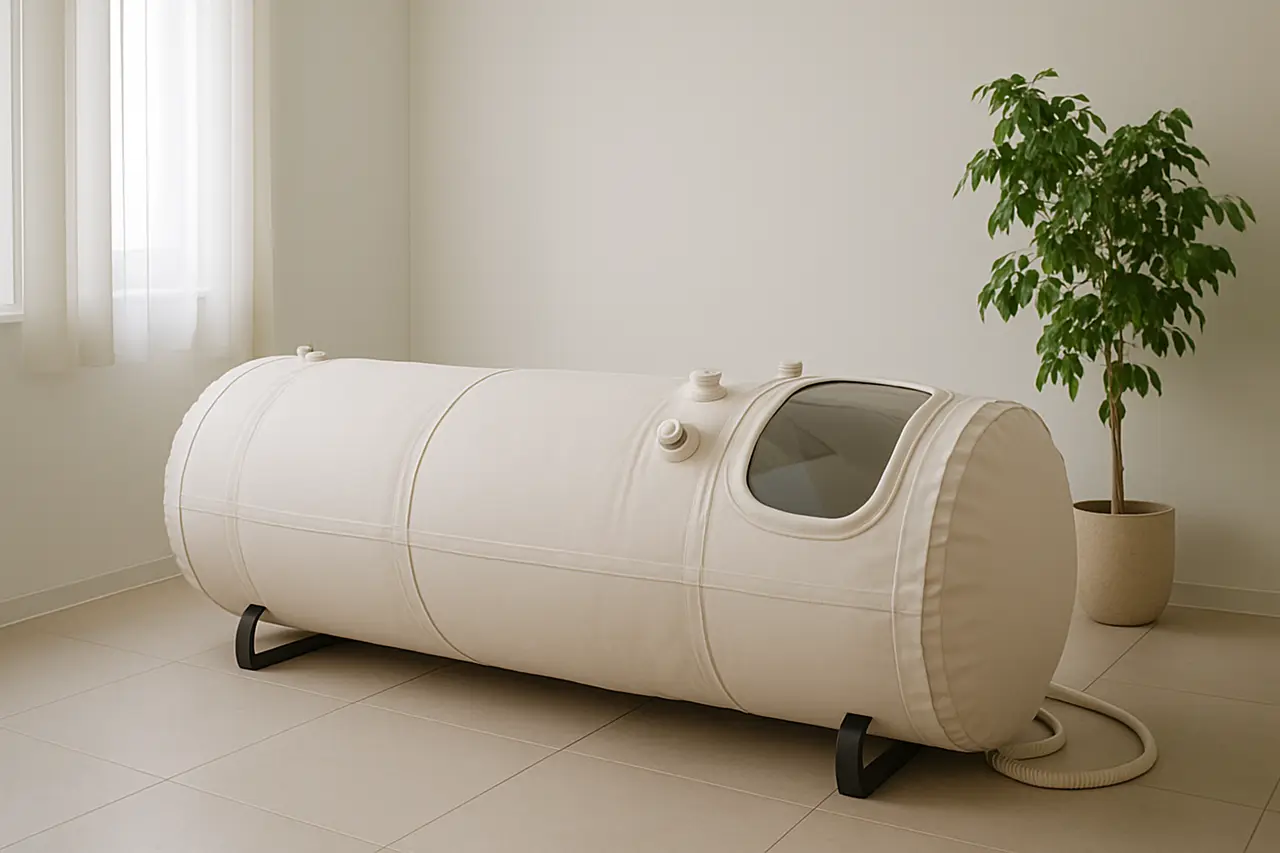
Home hyperbaric chambers: what the pressure difference means
Medical hyperbaric oxygen treats a specific approved list at 2.0 to 3.0 atmospheres. Soft-sided home chambers operate around 1.3, which is not the treatment that was studied, and the marketing rarely makes that distinction.
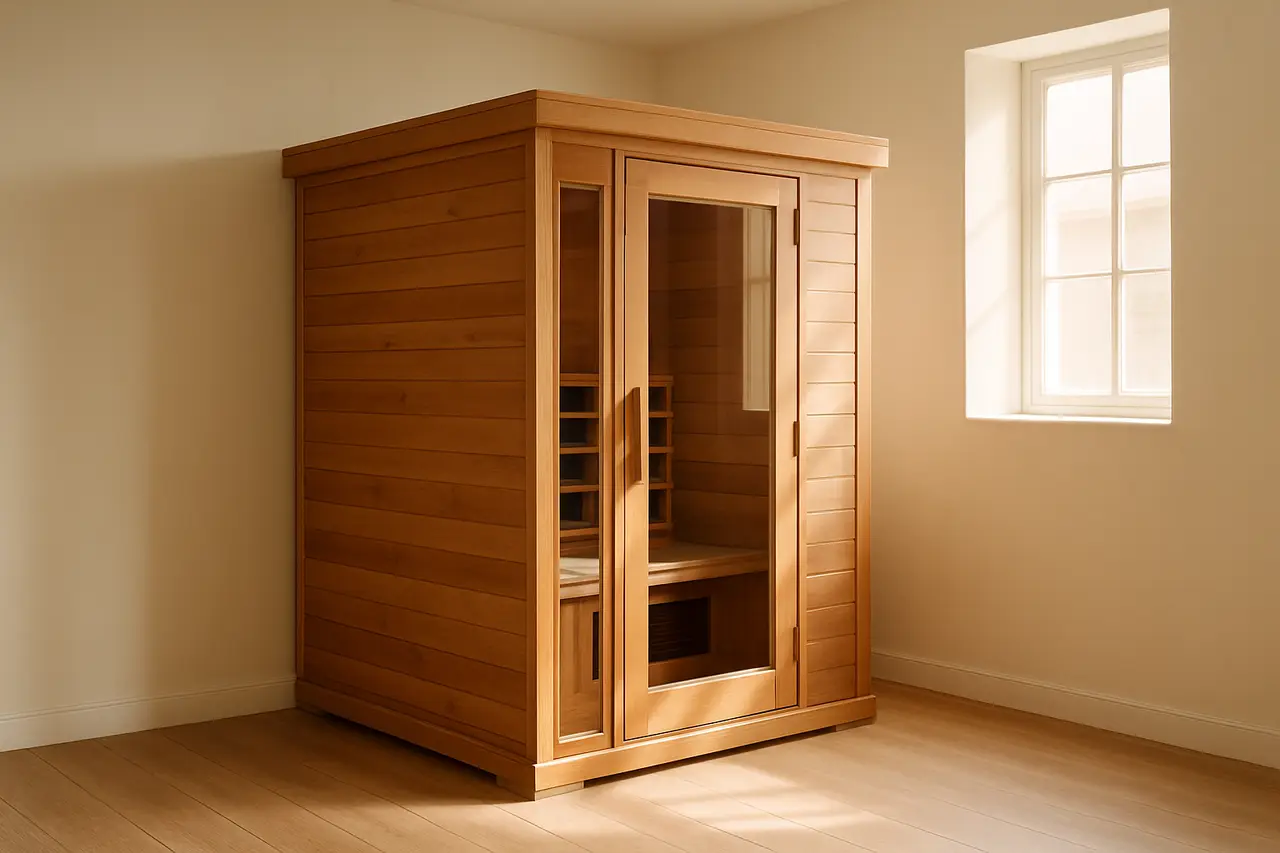
Home infrared saunas compared: cabins, blankets and the EMF question
Cabins, one-person units, blankets and tents solve different problems at very different prices. The specs that decide it are the heater type, the wood, and whether your outlet can actually run the thing.
Home cold plunge setups compared: freezer, barrel, tub or chiller
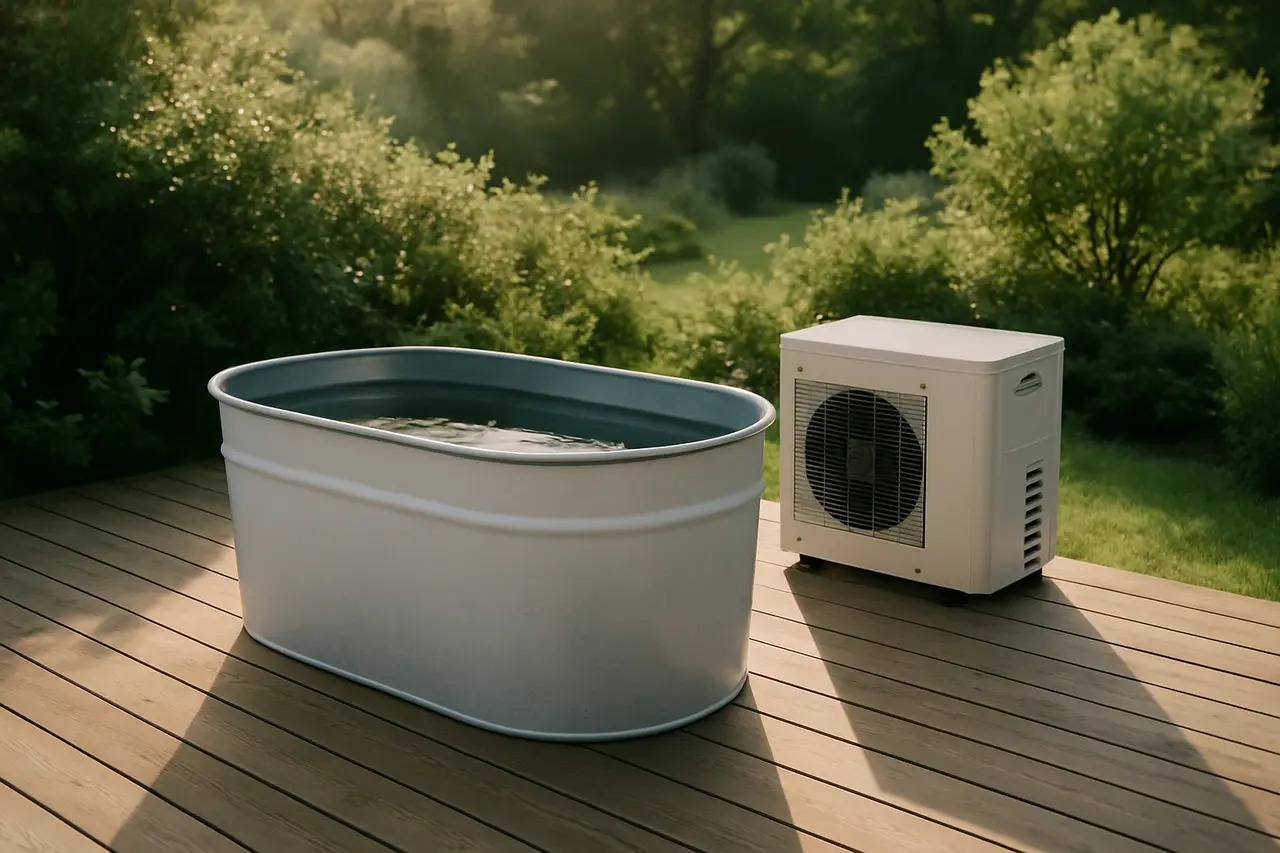
Ice is cheapest to start and most expensive to keep. A chiller is the real product and everything else is a container. Sanitation, not cold, is what quietly ends most home plunge habits.
A home steam room: what it really takes to build one
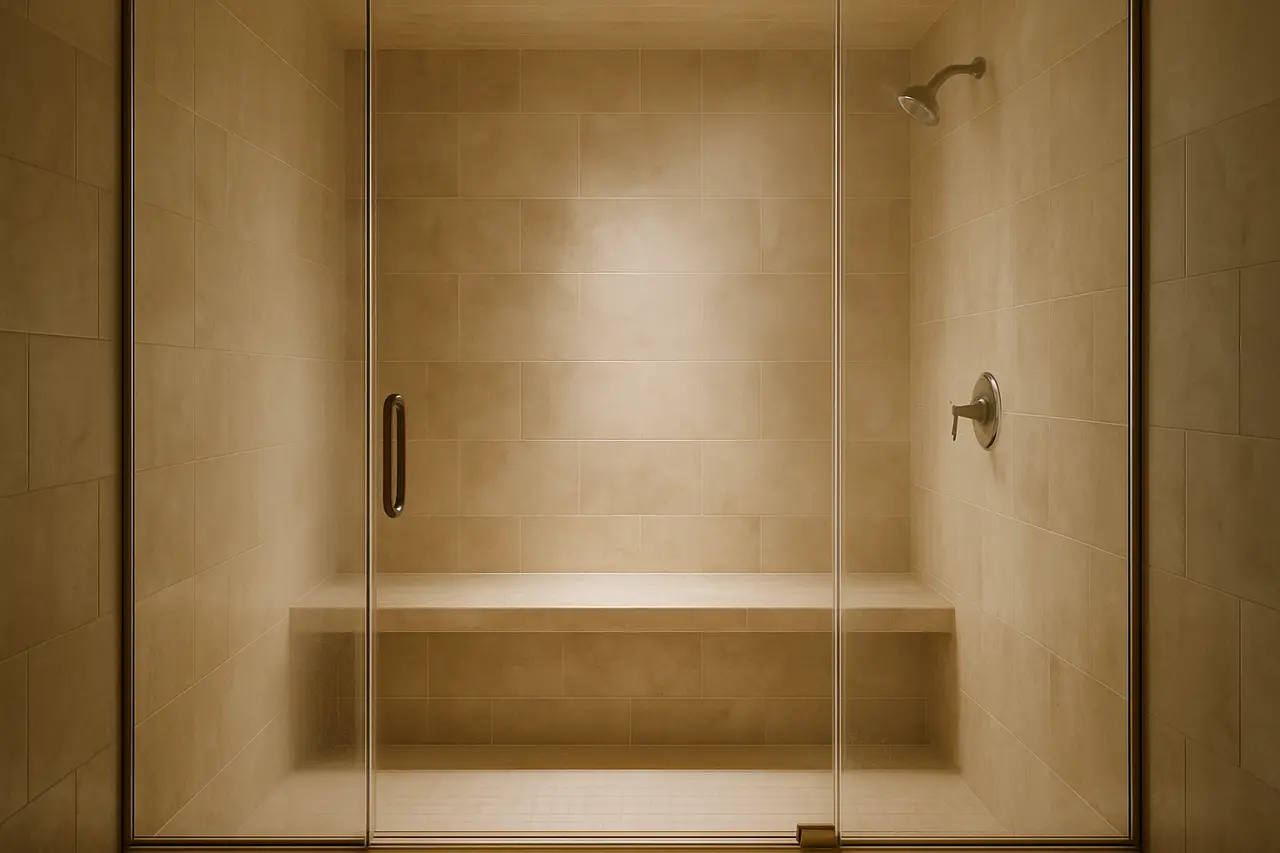
A steam generator is a few thousand dollars and the easy part. The sealed, sloped, fully waterproofed enclosure is the actual project, and getting it wrong shows up as mould rather than as a fault code.

Sauna, cold plunge and blood pressure: what is actually safe
Heat and cold do opposite things to blood pressure: a sauna dilates vessels and leaves pressure lower, cold immersion spikes it. For controlled hypertension the sauna is the safer half, and standing up too fast is how either goes wrong.
The best yoga apps, compared honestly (including free)
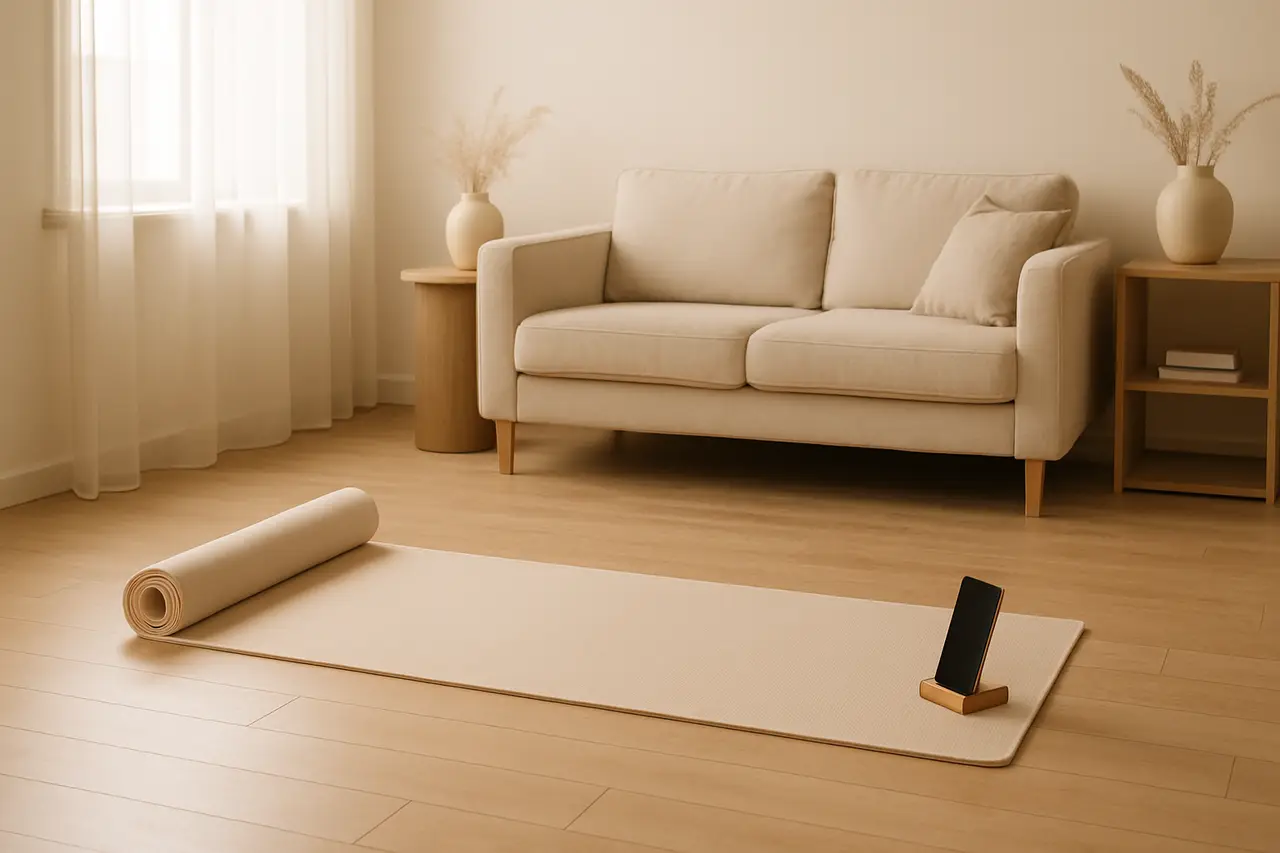
Down Dog generates a fresh practice to your settings, Alo Moves and Glo sell teaching depth, the Peloton app bundles yoga into general fitness, and YouTube is free and vast. The right pick depends on whether you need structure, teachers or just a mat and momentum.
ClassPass vs Mindbody: which actually gets you into classes?
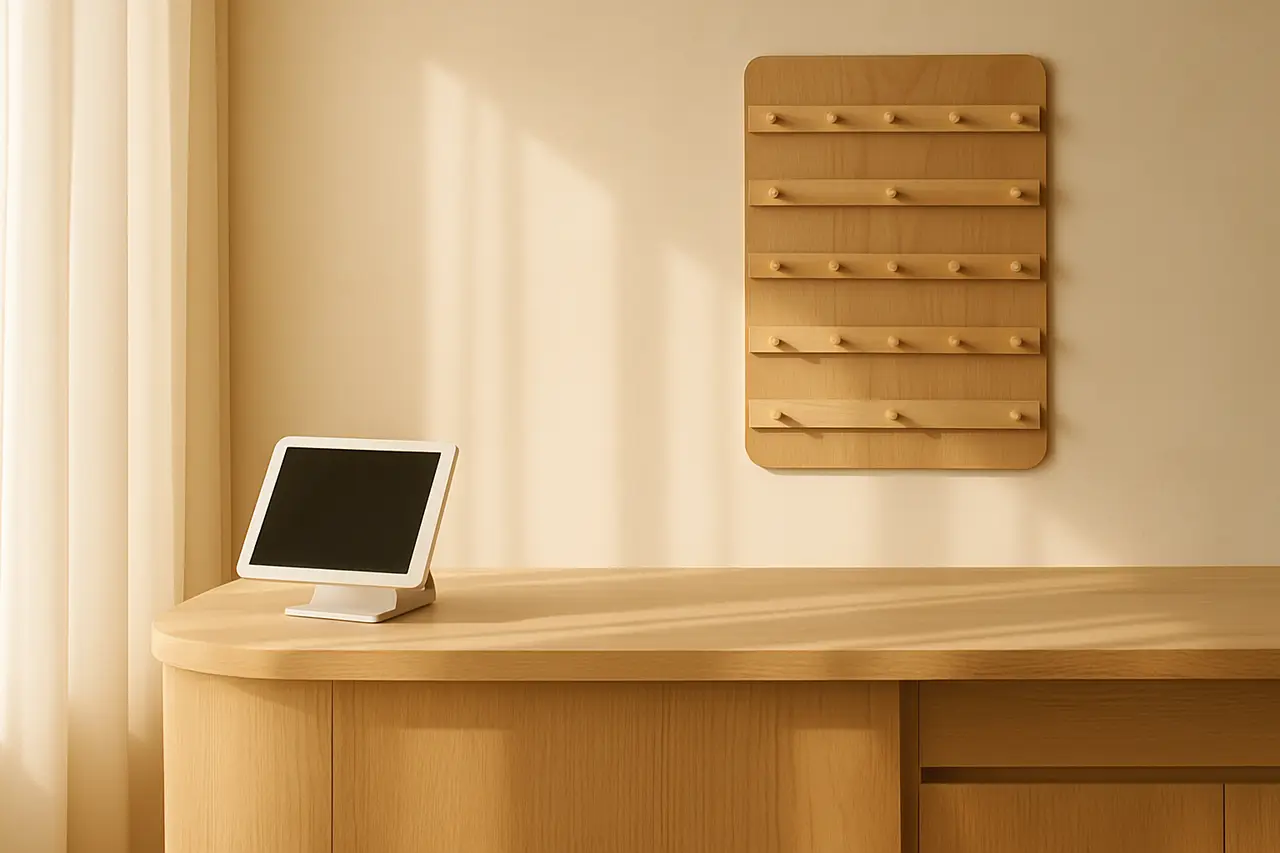
ClassPass sells flexibility: a monthly credit bundle spent across many studios. Mindbody is mostly the booking layer studios themselves use, plus a marketplace. Samplers do better on the first, regulars usually do better booking direct.