The Journal, page 8
Back to the full journal (with category filters).
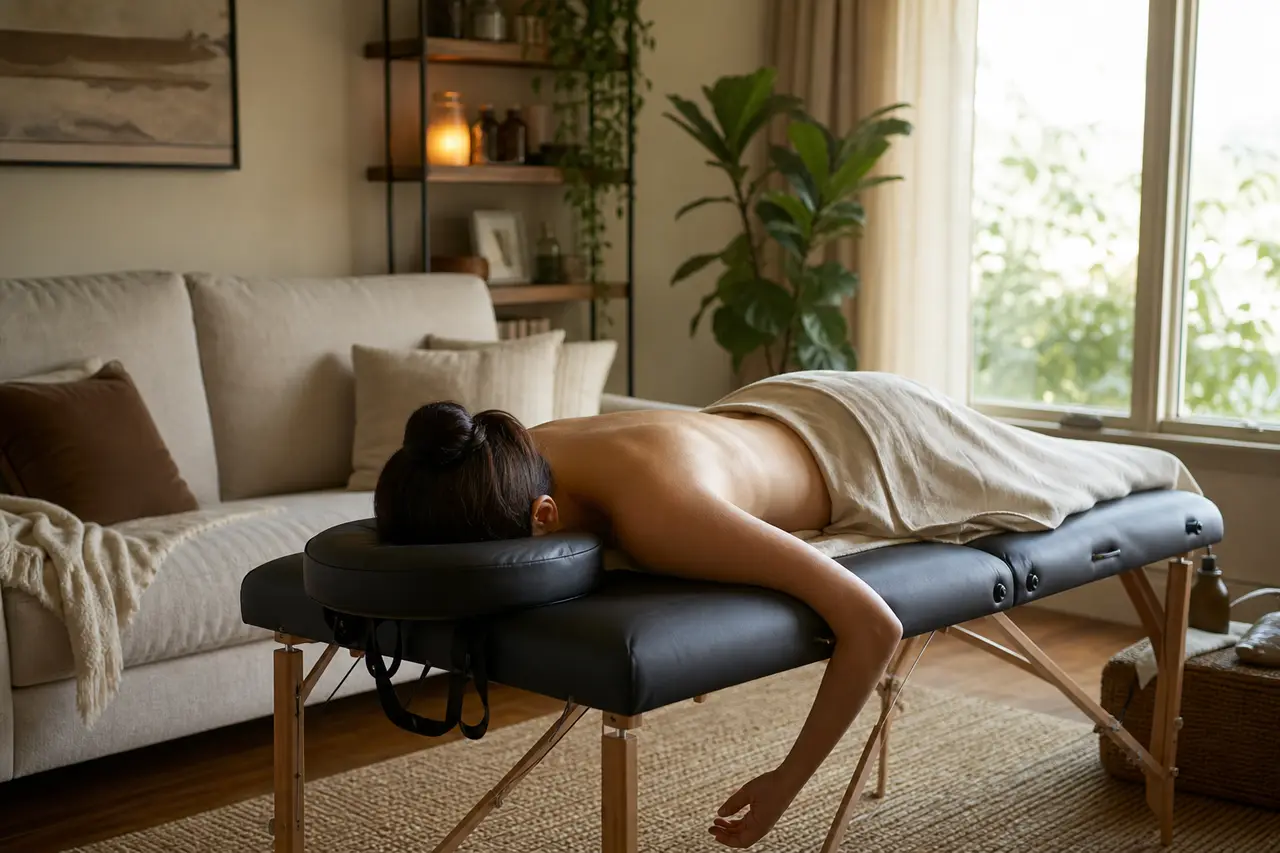
Mobile massage vs going to a studio: which is worth it?
At-home massage buys convenience and the ability to stay put afterwards, which is its real advantage. Studios buy better equipment, a controlled environment and easier vetting. Verify licensing yourself with a mobile booking.
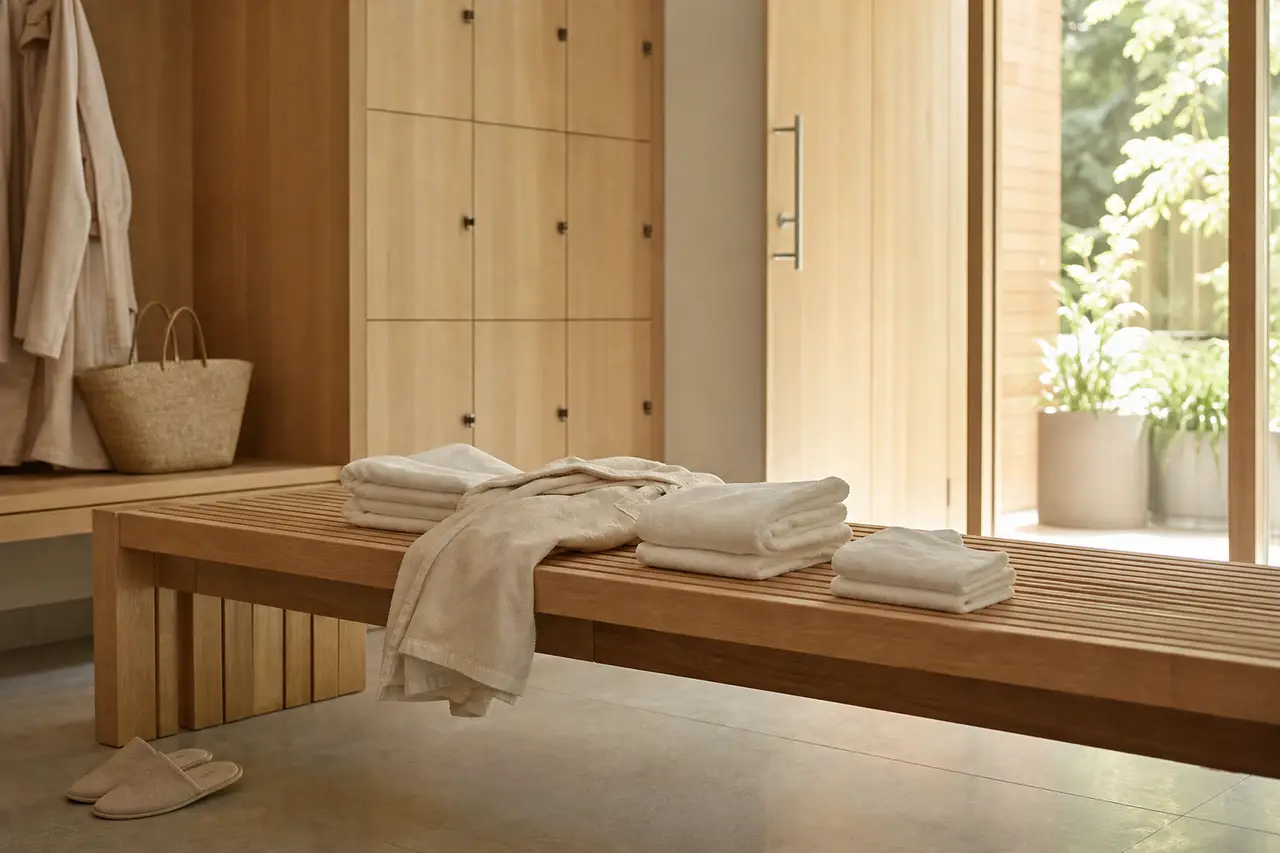
Saunas, spas and studios in a larger body: what to expect
The practical obstacles are robes, table weight limits, bench width and changing room layout, and all of them are answerable by phone before you book. Heat and cold themselves carry no size-specific rule beyond the standard cautions.
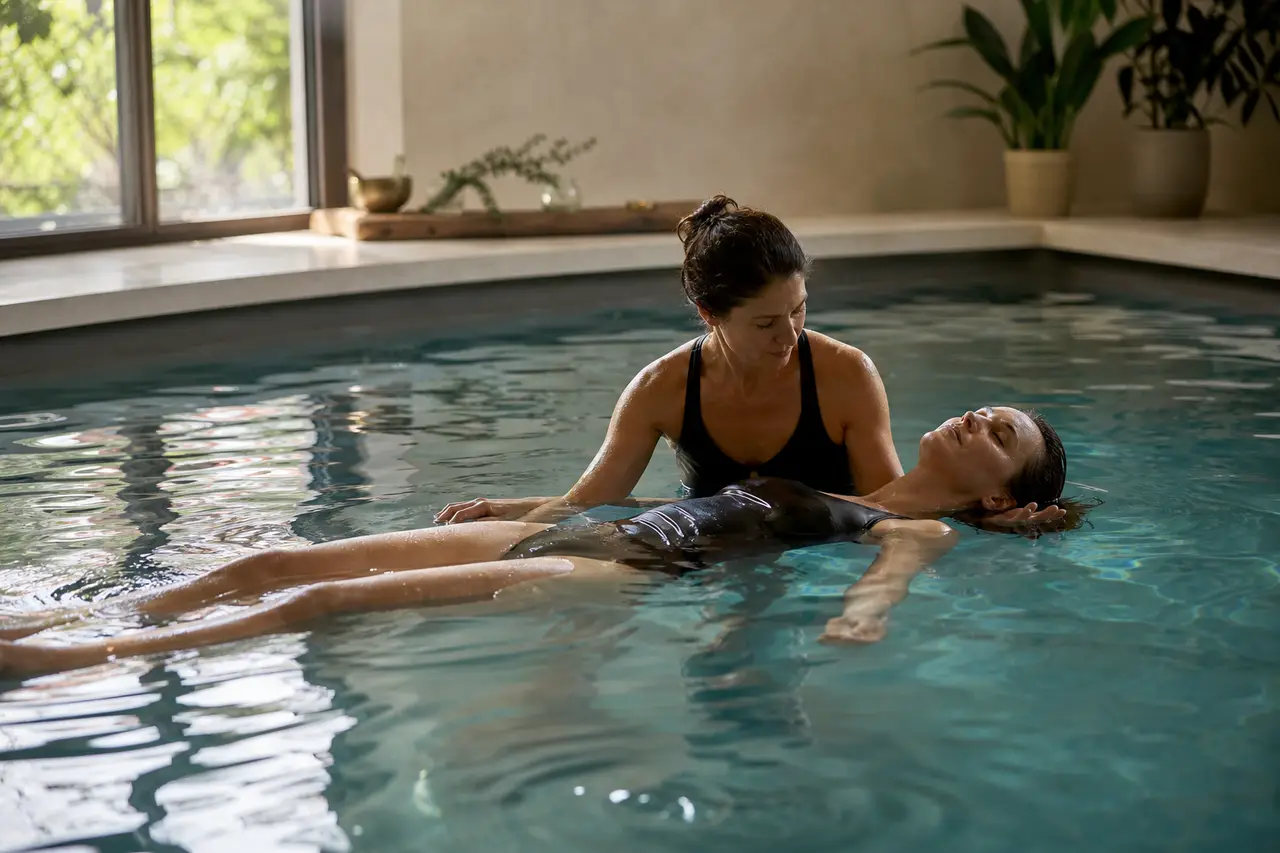
What is Watsu? Aquatic bodywork, explained honestly
Watsu is passive bodywork performed while you float in body-temperature water, supported entirely by the practitioner. A systematic review found effects on pain, mobility and wellbeing, from a small and mostly low-quality evidence base.
What to do if a treatment goes wrong
Speak up during the session, because most problems are pressure and are fixable in five seconds. Afterwards, ask for a refund rather than a rebooking. For injury or misconduct, the state licensing board is the route that actually matters.
Can you use a sauna with a tattoo? New ink and old
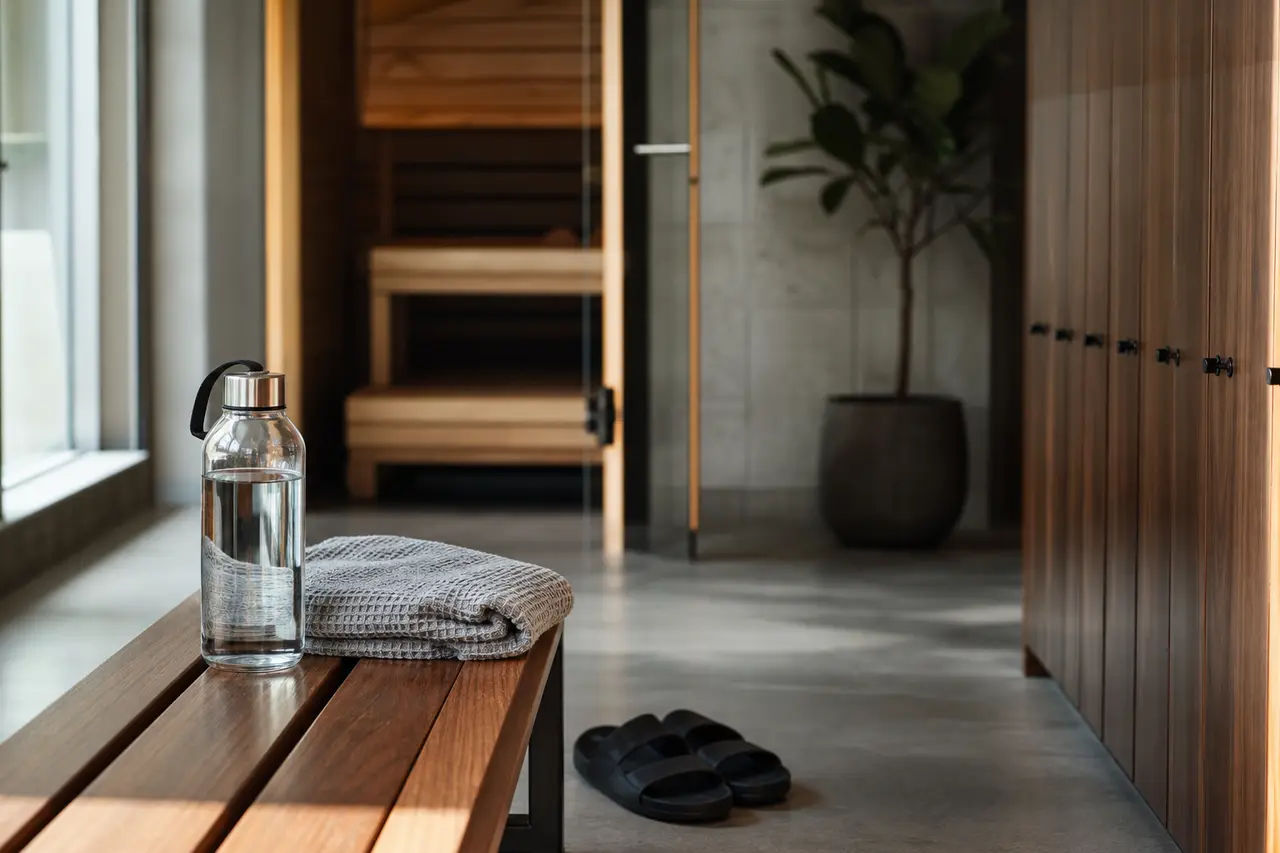
Wait until a new tattoo is fully healed, usually two to four weeks for the surface and longer for the deeper layer, before any sauna, steam or shared water. Healed tattoos are fine; sun does the fading, not the sauna.
Does anything you can book actually reduce inflammation?
Acute inflammation is repair and you usually do not want it suppressed. Chronic low-grade inflammation is the real health concern, and the things that move it are sleep, exercise, weight and smoking, not a session you can book.
Massage vs physical therapy: which do you actually need?
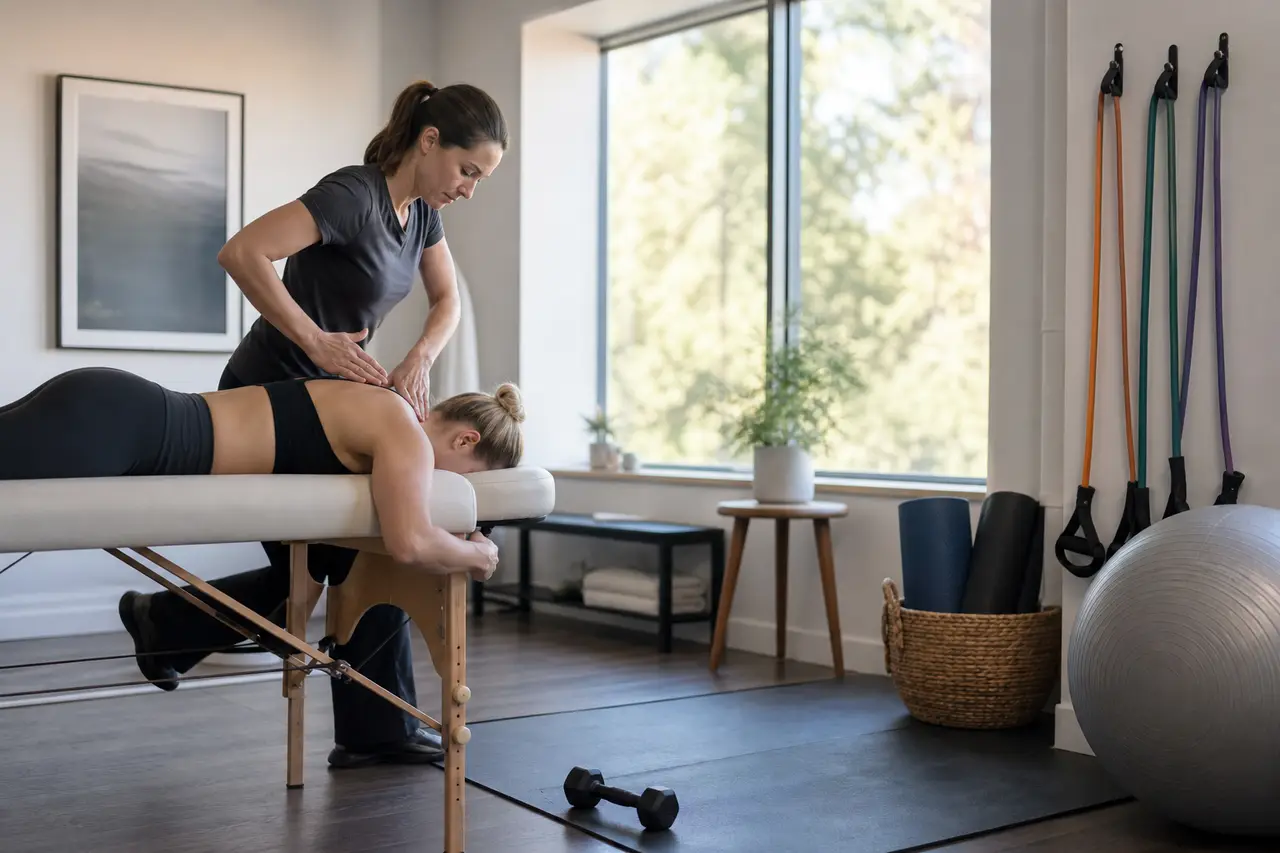
Massage treats how you feel; physical therapy diagnoses and rehabilitates why. Pain with numbness, weakness, or that has lasted months needs assessment, and no amount of massage substitutes for loading the tissue properly.
Sauna, steam and asthma: what's safe and what to avoid
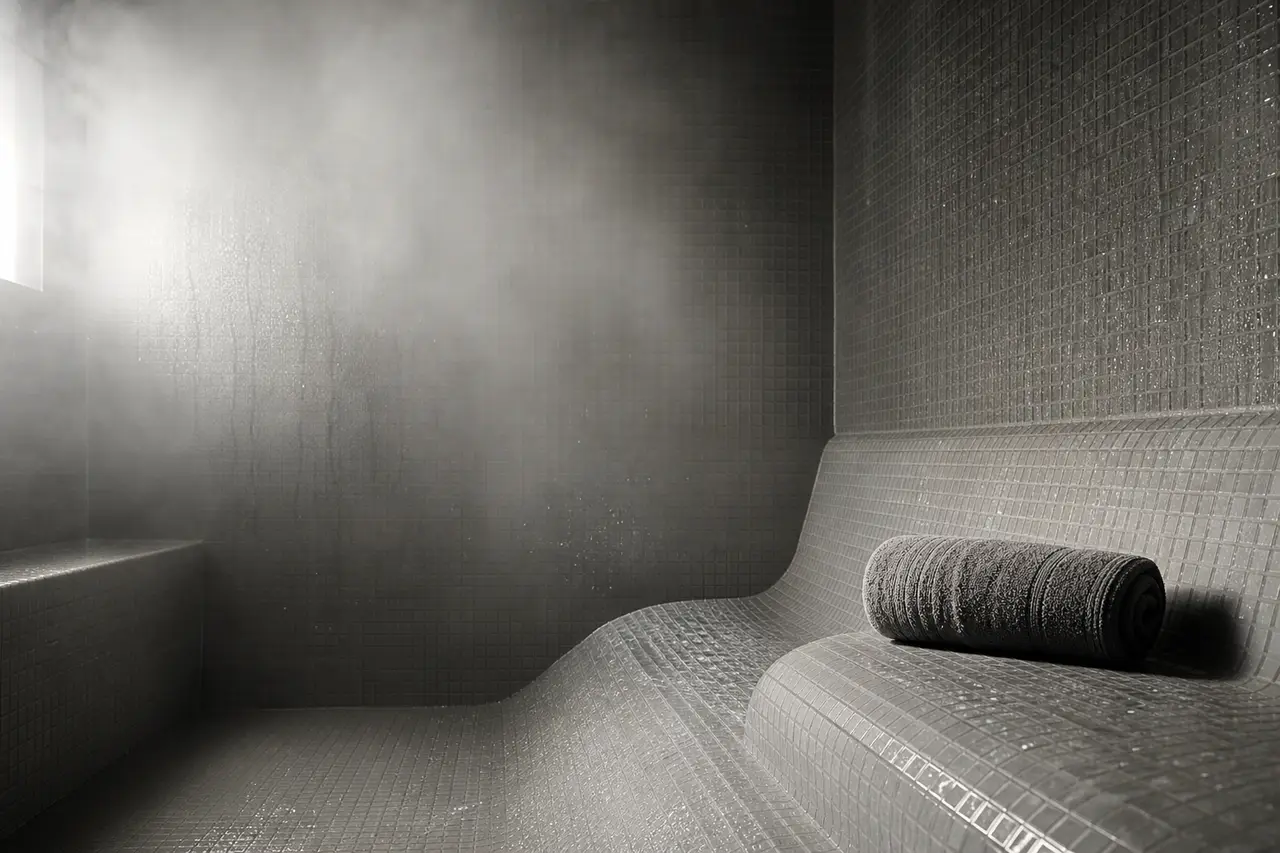
Warm humid air is usually well tolerated and often comfortable; cold is the more common trigger, since cold dry air is a classic cause of bronchospasm. Bring your reliever inhaler, avoid strong eucalyptus, and never do breath-holds in water.
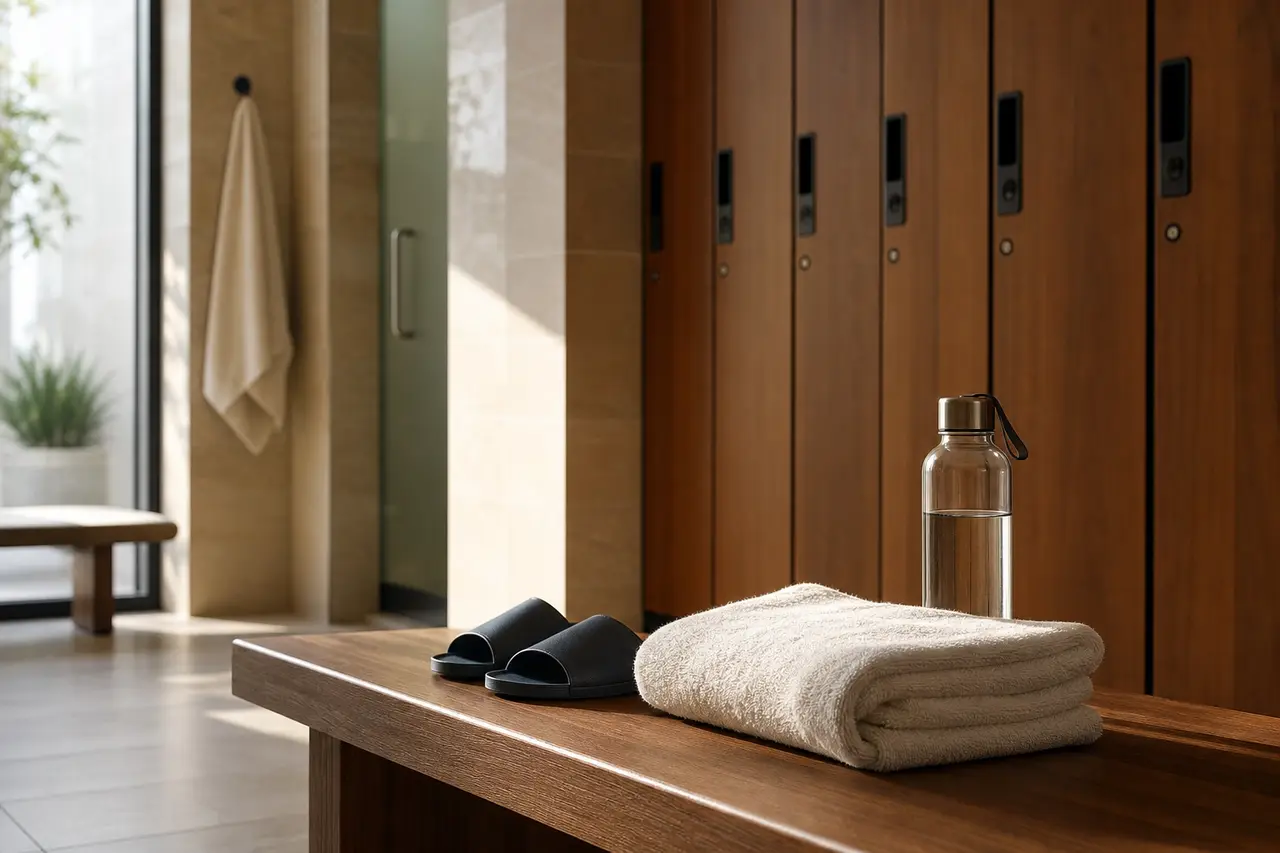
Wellness with an autoimmune condition or on immunosuppressants
If you take immunosuppressants, communal warm water and shared wet areas are the main practical risk, not the heat itself. 'Immune boosting' marketing is aimed at the opposite problem from yours, and some conditions react badly to heat.
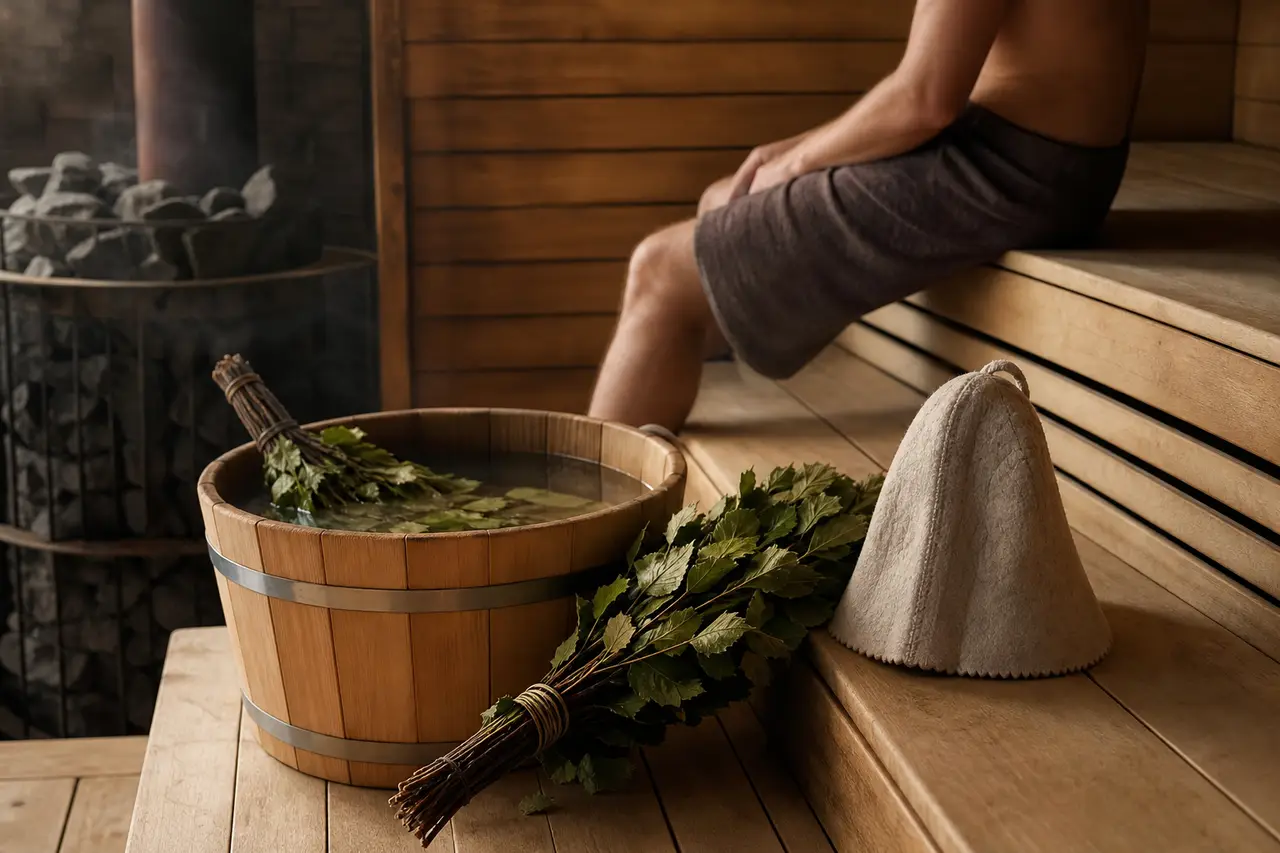
Your first banya: what to expect, including the venik
A banya runs hotter and wetter than a Finnish sauna, and the venik treatment uses soaked leafy branches to move heat against your skin. Wear the felt hat, take the lowest bench first, and treat the cold plunge as part of the cycle.
Does anything actually cure a hangover? Sauna, cold and IV drips
A systematic review of randomised trials found no compelling evidence that any intervention effectively cures a hangover. A sauna is actively counterproductive, IV drips mostly sell you saline, and the honest answer is fluids, food, and time.
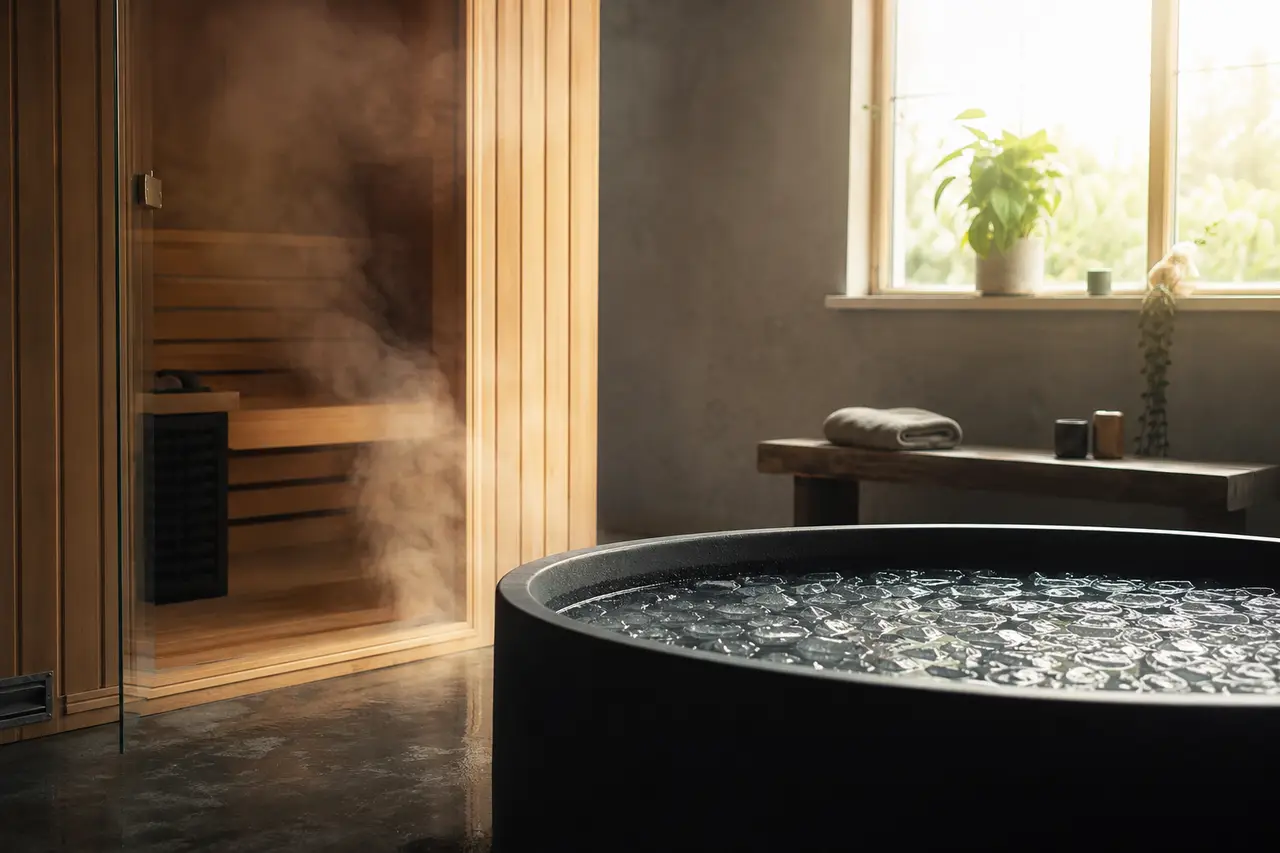
Does a sauna or cold plunge lower cortisol?
Heat and cold are physiological stressors and both raise cortisol acutely rather than lowering it. That is normal and not harmful, and cortisol is a poor way to judge whether a wellness habit is doing you good.

How to plan a wellness day: what order to do things in
Do movement first, then heat and cold, then massage, then rest. Booking the massage first forces everything else around it and wastes the effect, and stacking heat all day is the most common way people leave feeling worse.

The vagus nerve: what's actually real, and what isn't
The vagus nerve and heart rate variability are real and well studied. What is not established is that humming, gargling, or a cold plunge durably 'tone' it, or that doing so treats the conditions marketing attaches to it.
Sauna, cold and massage with diabetes: what's safe
Heat can lower blood glucose and speed insulin absorption, so hypoglycaemia is the main risk. Reduced foot sensation makes hot surfaces and communal floors a second one. Neither rules out wellness, but both change how you plan a session.

Your first hammam: what to expect
A hammam is a warm steamy room where you soften your skin, then get scrubbed with a coarse mitt and washed with foam. It is a service performed on you rather than a room you sit in, and it is milder in heat than a sauna.
Booking a couples massage: what to expect before you go
You get two therapists working simultaneously in one room, and you can request different pressure and styles. The common disappointments are a shorter session than expected, mismatched therapists, and add-ons that arrive as a surprise at checkout.
Does massage help you sleep? What the evidence supports
Meta-analysis found massage improved sleep quality in critically ill patients, where stress and disruption are extreme. Evidence in ordinary insomnia is much thinner, and massage is best treated as a stress lever rather than a sleep treatment.
Is neck manipulation safe? What the stroke evidence says
The largest study found stroke was equally associated with visiting a family doctor as with visiting a chiropractor, suggesting people were already having a dissection and sought care for the neck pain it caused. The events are very rare either way.

Postpartum wellness: what's safe, and when
Six weeks is when you get assessed, not when everything becomes safe. Bleeding, healing tissue, a caesarean incision, and loosened joints each set their own timeline, and heat and shared water are the two things worth delaying longest.
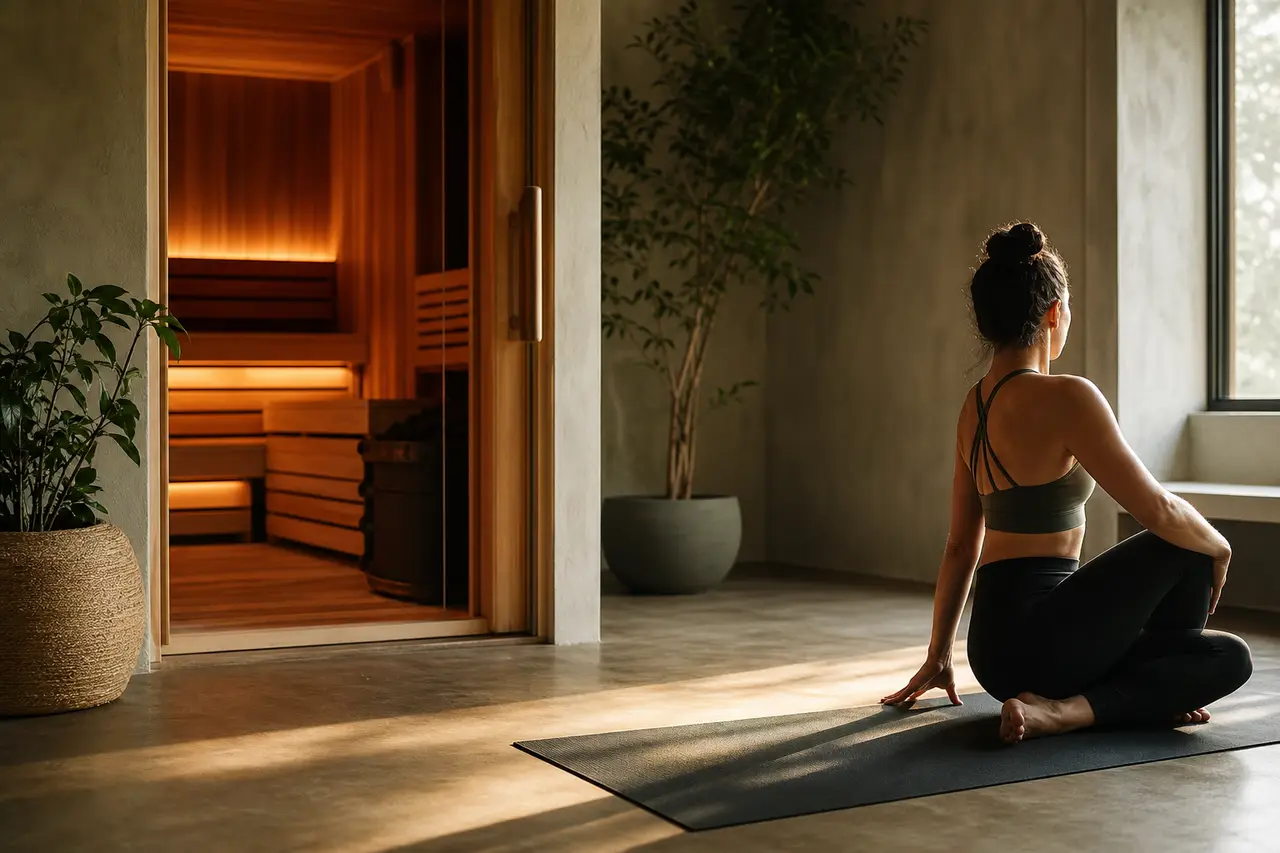
Sauna vs hot yoga: which kind of heat is right for you?
A sauna is short passive heat with a cardiovascular evidence base; hot yoga is prolonged exercise in heat, which loads you far more despite the lower temperature. Choose by whether you want movement or stillness, and hydrate for the yoga.
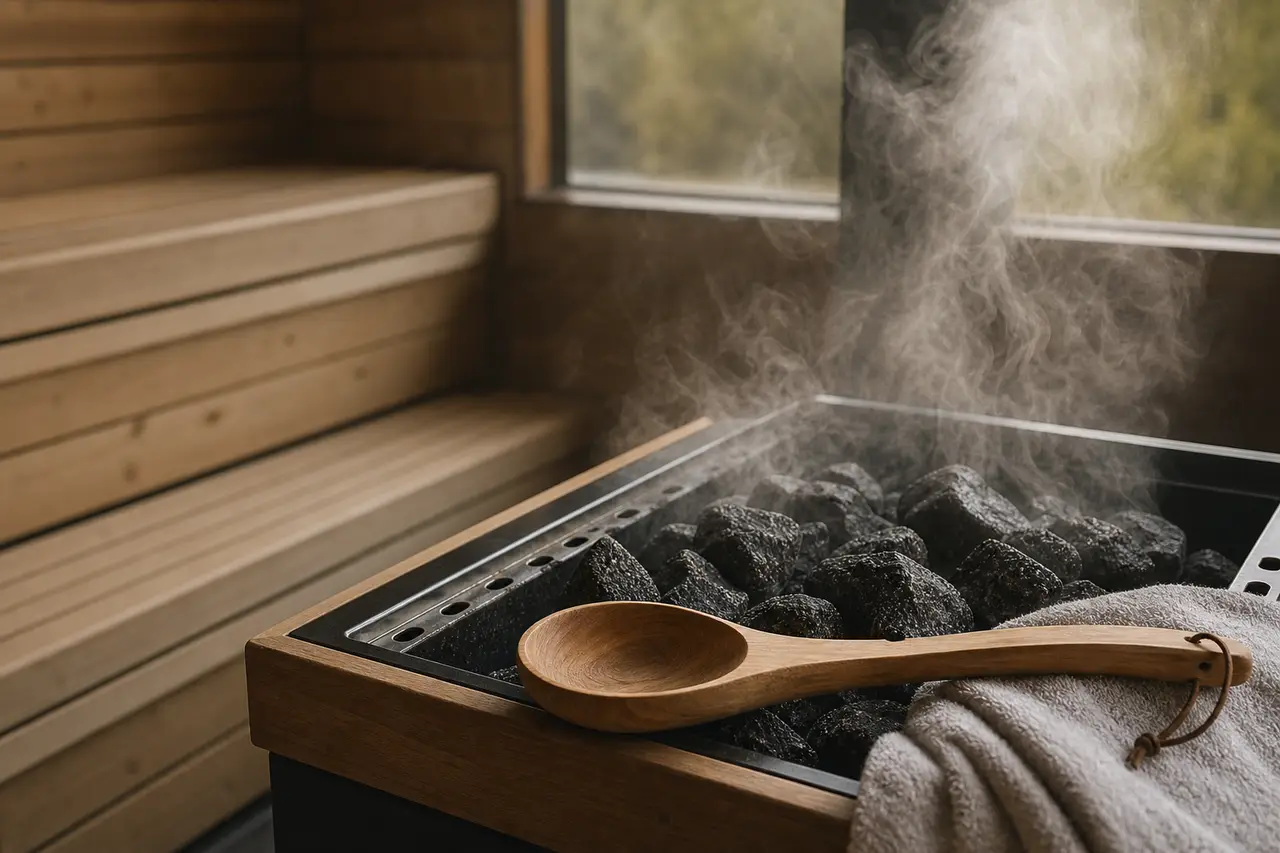
What is Aufguss? The sauna ceremony, explained
Aufguss is a guided sauna round where a host pours scented water on the stones and circulates the heat with a towel. The air temperature barely changes; what changes is how fast heat reaches your skin, which makes it feel far more intense.
Does massage release toxins? The lactic acid myth, examined
Measured directly, massage reduced muscle blood flow and slowed lactate clearance rather than speeding it. Lactic acid clears on its own within an hour anyway, and there is no toxin to flush. Massage still helps, just not by the mechanism you were told.
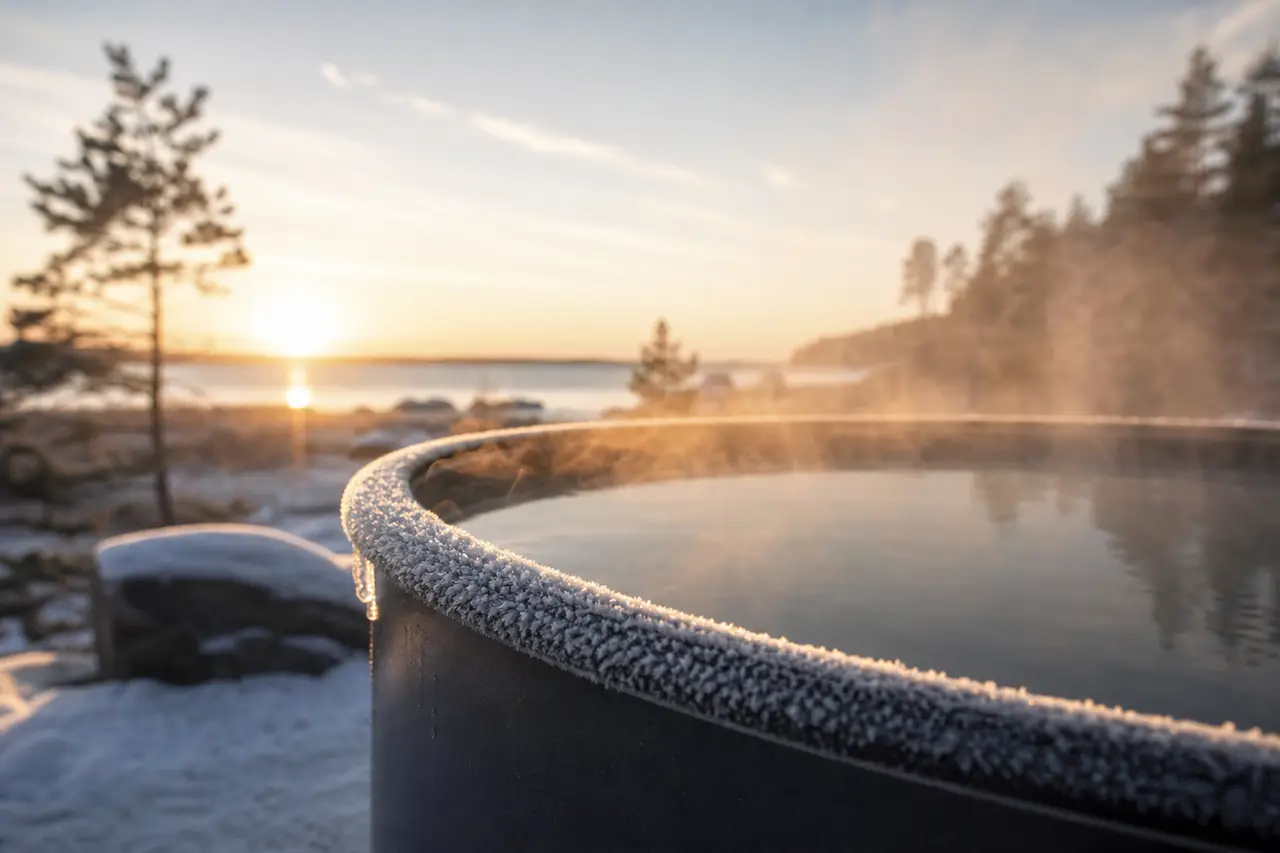
Does the Wim Hof Method actually work? The honest evidence
A controlled study found trained participants could voluntarily blunt their inflammatory response to an injected toxin, which is a real and surprising result. It does not show the method cures illness, and the breathing must never be done in or near water.