The Journal, page 2
Back to the full journal (with category filters).

Sauna on metformin, Jardiance or Farxiga: dehydration is the risk to plan for
No label here bans saunas. The metformin leaflet lists getting dehydrated, including by sweating a lot without drinking enough, among the risks for lactic acidosis, and Jardiance and Farxiga warn that dehydration can cause dizziness and fainting. Drink, eat and stand up slowly.

Sauna on spironolactone: fluids, potassium and the electrolyte drink question
The Aldactone label has no sauna warning. It warns that too much fluid loss can cause dehydration and low blood pressure, and that spironolactone can raise potassium, so patients should avoid potassium supplements and salt substitutes. Drink water and check electrolyte drinks.
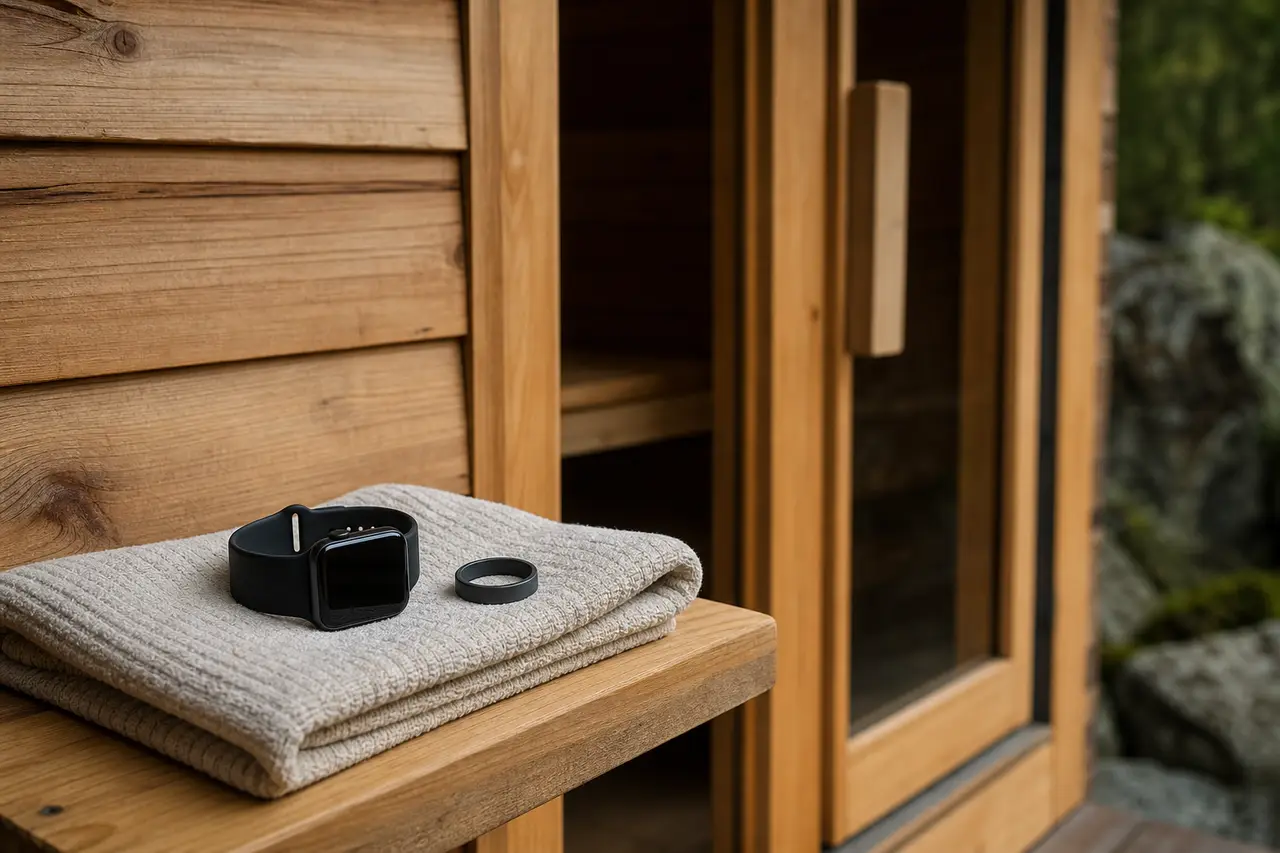
Can you wear an Apple Watch or Oura Ring in a sauna? What each maker says
Apple says to keep every Apple Watch out of steam rooms and every model but Ultra out of saunas, with Ultra fine up to 130°F. Oura says its ring can go in saunas and hot tubs but warns of battery damage above 140°F. Fitbit advises against both. Most saunas run hotter.

Miraval Austin vs Lake Austin Spa Resort: which one fits you?
Miraval Austin is device-free and 18 and over, and calls itself inclusive, not all-inclusive: treatments come out of a nightly resort credit. Lake Austin Spa Resort is all-inclusive on the water, 16 and over and dog-friendly, with treatments booked separately.
Sauna or hot tub with a Dexcom, Libre or insulin pump: what the makers say
Omnipod and Tandem say to take the pump off before hot tubs, whirlpools or saunas, Medtronic says insulin degrades above 98.6°F, and the FDA says pump insulin exposed above 98.6°F should be discarded. Dexcom says sauna use has not been tested. Plan with your diabetes team.

Sauna on Abilify, Risperdal or Zyprexa: what the labels say about heat
The Abilify, Risperdal and Zyprexa labels all warn that antipsychotics can disrupt the body's ability to cool itself and advise care with extreme heat and dehydration. A sauna is not forbidden, but keep sessions short, drink water, stand up slowly and ask your prescriber first.

Sauna on Lamictal: heat rash, drug rash and what the label says
The Lamictal label has no sauna or heat warning. It warns that lamotrigine can cause a serious rash, that a mild rash cannot be told apart from a serious one, and that the risk peaks in the first 2 to 8 weeks. Never write off a new rash as heat rash: call your prescriber.
Sauna and hot tub with an HRT, nicotine or pain patch: what heat does
It depends on the patch. The fentanyl and Butrans labels warn against saunas, hot tubs and hot baths because heat raises opioid absorption. A sauna raised nicotine levels in a small study. Estrogen patches held up to frequent sauna use in a Finnish study.

Sauna on doxycycline or other antibiotics: heat, sun and being ill
Doxycycline's label warns about an exaggerated sunburn from sunlight or ultraviolet light, not about heat, and a review found heat had minor effects on tetracycline. A sauna is usually fine on the drug; tanning beds and long sun are not, and a fever means skipping heat.

Sauna and hot tub on prednisone: what the steroid label changes
Prednisone's label has no heat or sauna warning. It does warn that steroids can lower resistance to infection, thin and bruise the skin, and weaken bones. So a sauna is usually fine, a shared hot tub deserves more caution, and deep massage and wet floors need care.

Sauna and hot yoga on topiramate (Topamax): the sweating warning
Topiramate (Topamax, Qsymia) can reduce sweating and raise body temperature, and its label says to watch for both in hot weather, especially in children. A sauna or hot yoga class leans on sweating to cool you, so keep sessions short, never go alone and ask your prescriber first.
Sauna on tretinoin or another retinoid cream: what the labels say
No tretinoin, tazarotene or adapalene label we read mentions saunas or heat. They warn about ultraviolet light, including sunlamps and tanning beds, hard scrubbing, weather extremes and, for adapalene, waxing treated skin. A sauna is fine for most; skip the spa's scrubs and wax.
Sauna or hot tub on Viagra or Cialis: what the labels say
Neither label mentions saunas or hot tubs. Both call sildenafil and tadalafil vasodilators that lower blood pressure a little, and the Cialis label warns that adding alcohol can bring dizziness on standing. Stand up slowly, skip the drinks, and ask first with heart disease.

Best saunas and cold plunge studios in Charlotte for 2026
Charlotte has three bathhouse-style venues with traditional heat and cold pools (Sauna House, Sunday Hot Springs, Sauna Culture), several private studios with real water plunges, and many infrared suites. Listed single visits run $29 to $80.

Sauna, cold plunges and cannabis: THC in the heat, and the sweat-it-out myth
You cannot sweat out THC: the body clears it mostly through feces and urine, and sweat carries only traces. THC and heat can each cause dizziness or fainting when you stand up, so keep any session short, get low before you get out, and never soak or plunge alone while high.

Sauna, hot yoga and cold plunges on ibuprofen or naproxen: what is safe
Ibuprofen, naproxen and aspirin do not rule out a sauna, but the prescription NSAID labels name dehydration as a kidney risk. Drink before and after, do not use a painkiller to push through heat, and ask a pharmacist first with kidney, heart or blood pressure conditions.

Sauna, hot tubs and cold plunges on quetiapine (Seroquel): what is safe
Quetiapine (Seroquel) does not rule out a sauna, but its label warns about overheating, dehydration and a drop in blood pressure when you stand, and it can make you drowsy. Keep heat short and cool, sit before you stand, skip alcohol, never go alone, and ask the prescriber.

Sauna and cold plunge on Adderall, Vyvanse or Ritalin: what is safe
ADHD stimulants raise heart rate and blood pressure, and a sauna or cold plunge loads the heart too. They are not ruled out: go shorter, cooler and better hydrated, let the clock set the limit, never go alone, and ask the prescriber first if you have a heart condition.

Sauna on antihistamines like Benadryl, hydroxyzine or Zyrtec: what is safe
Older antihistamines like diphenhydramine (Benadryl), doxylamine and hydroxyzine can reduce sweating and sedate, so heat builds faster than it feels. Newer ones like loratadine and fexofenadine show little of that. On the older kind, keep sessions short, cool and accompanied.

Sauna, hot yoga and cold plunges on creatine: what is safe
Creatine monohydrate does not dehydrate you or make heat illness more likely, according to a systematic review of exercise in the heat and the ISSN position stand. A sauna still costs everyone fluid, and anyone with kidney disease should ask their doctor first.

Sauna, facials and waxing on isotretinoin (Accutane): what is safe
A sauna is not restricted on isotretinoin (Accutane, Absorica, Claravis). Waxing and skin resurfacing are: the FDA label says avoid them during treatment and for at least six months after. Protect skin from the sun, keep heat short, and treat dry, fragile skin gently.

Sauna on minoxidil: topical Rogaine, oral tablets and the hot room
Topical and oral minoxidil are different situations in a sauna. Rogaine needs a dry, unirritated scalp and a flammable can left in the locker. Oral minoxidil is a blood pressure drug: sit low, stay short, drink and stand up in stages.

Sauna on testosterone: TRT, hematocrit, fertility and the hot room
A sauna stays open on TRT. Testosterone raises hematocrit, which guidelines ask prescribers to monitor, and dehydration is the commonest cause of a high reading, so drink and mention heavy sweating before blood tests. TRT and regular sauna heat both affect sperm.

Cal-a-Vie vs Golden Door: two San Diego County estates
Cal-a-Vie and Golden Door sit twenty-odd miles apart in northern San Diego County, both all-inclusive, both quiet about price. The difference is length and company: three, four or seven nights with a companion, or a single-occupancy Sunday-to-Sunday week.