The Journal, page 6
Back to the full journal (with category filters).
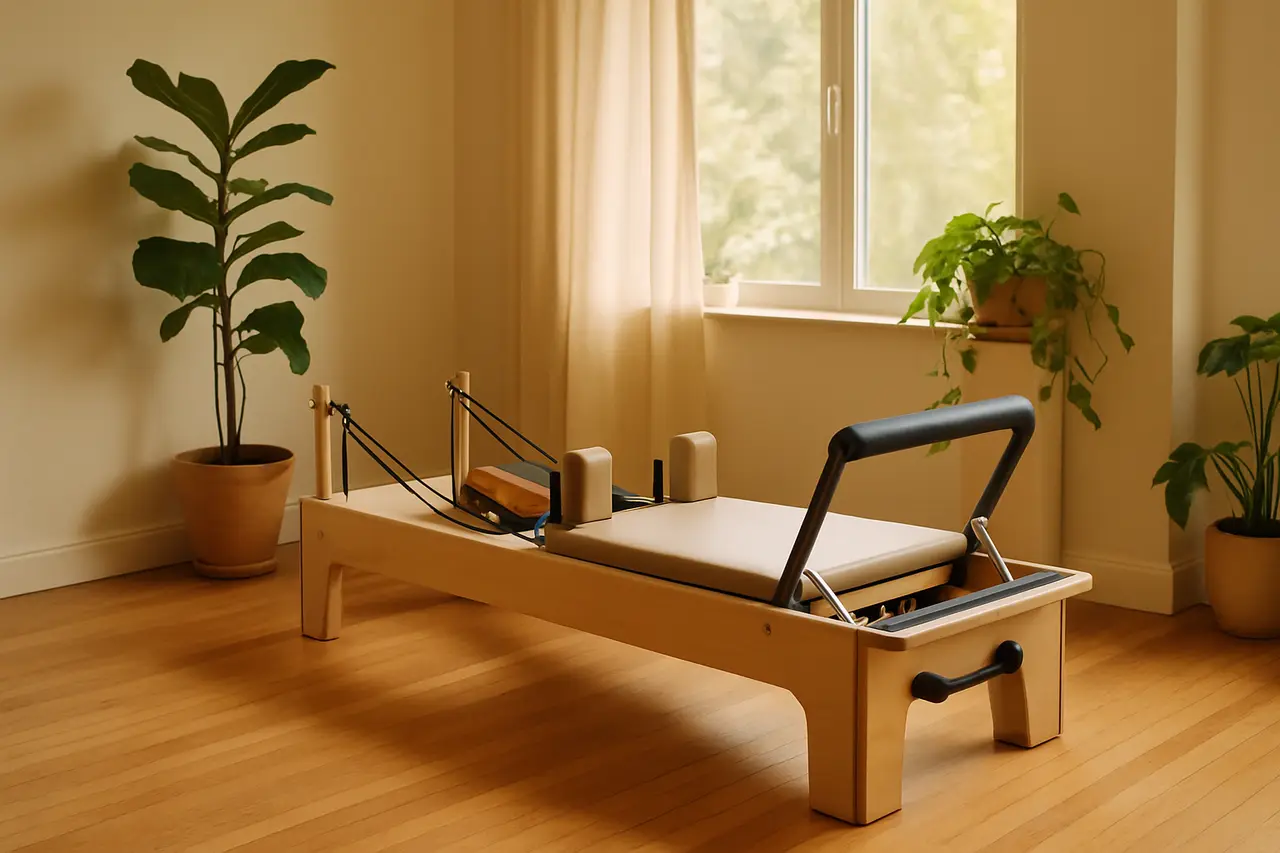
Is a home reformer worth it? An honest buyer's look
Buy a home reformer only if you already practice consistently, learned form in taught classes first, and have the floor space. The break-even against studio classes typically lands around a year for regulars; for beginners the studio is the right first spend.

Canyon Ranch vs The Ranch: spa freedom or bootcamp structure?
Canyon Ranch hands you a menu of physicians, classes and treatments and lets you compose the week. The Ranch removes choice entirely: morning group hikes, a set plant-based menu, one shared schedule. Same price tier, opposite theories of change.
The US luxury destination spa field, compared honestly
The five names that define the US luxury destination spa tier solve five different problems: data, mindfulness, precision, discipline and ritual. This is the map of which is which, and when a smaller retreat beats all of them.

Miraval vs Sensei: which luxury wellness resort fits you?
Miraval builds the stay around mindfulness, equine work and slowing down. Sensei builds it around assessments, one-on-one guides and a data-informed plan. Same price tier, opposite philosophies.
Bringing someone who thinks this is all nonsense
Skip the health pitch entirely, since overclaiming is exactly what they object to. Pick a format with no ceremony, no talking and a clear exit, and frame it as a hot room and a cold tub rather than as a wellness journey.
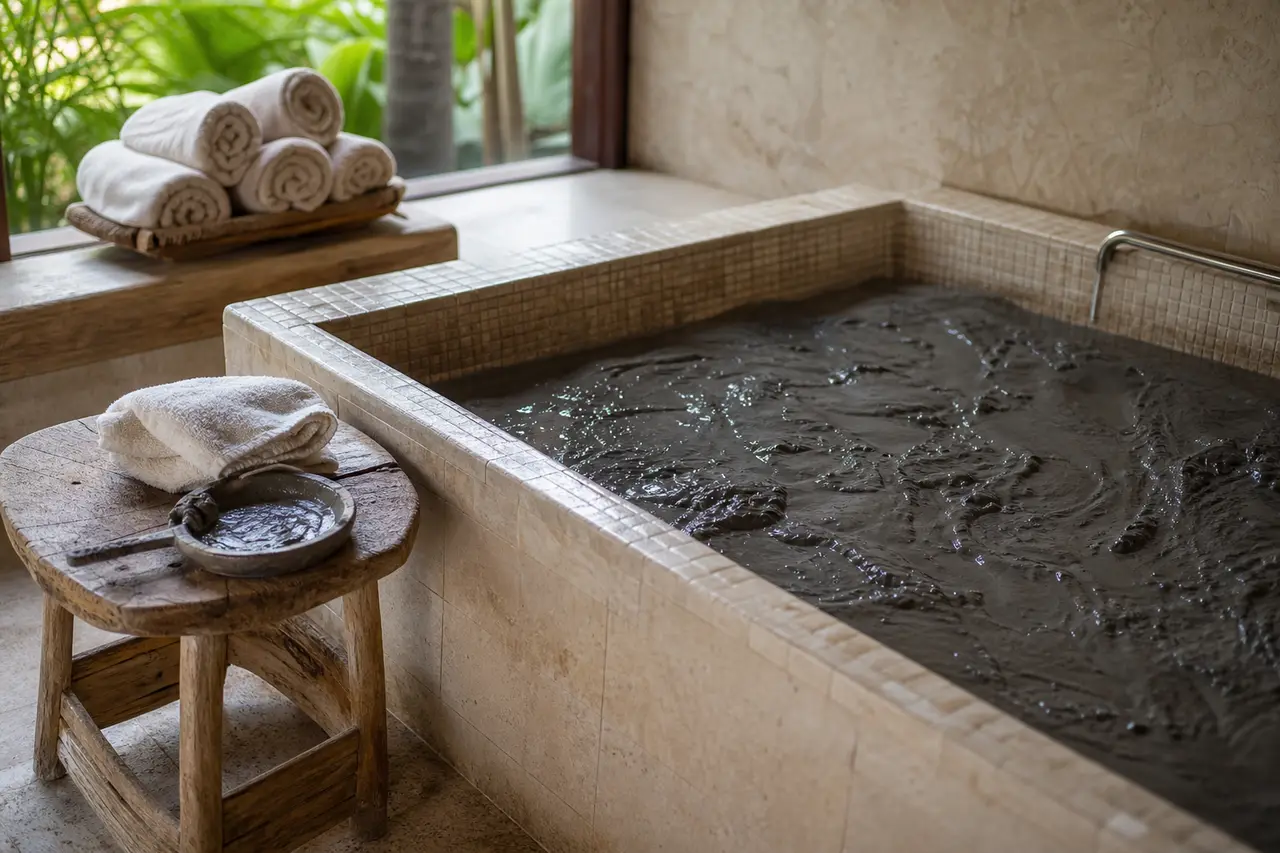
Mud baths and clay treatments: what they are and aren't
The effect is heat and buoyancy, not mineral absorption; skin is a barrier, which is the point of skin. Mud holds heat unusually well, which makes it intense and means the sessions are short.

US hot springs: what to know before you go
Developed resorts control temperature and have staff; primitive springs control neither and are where the incidents happen. Check the source temperature, never submerge your head, and treat a long drive home as part of the plan.
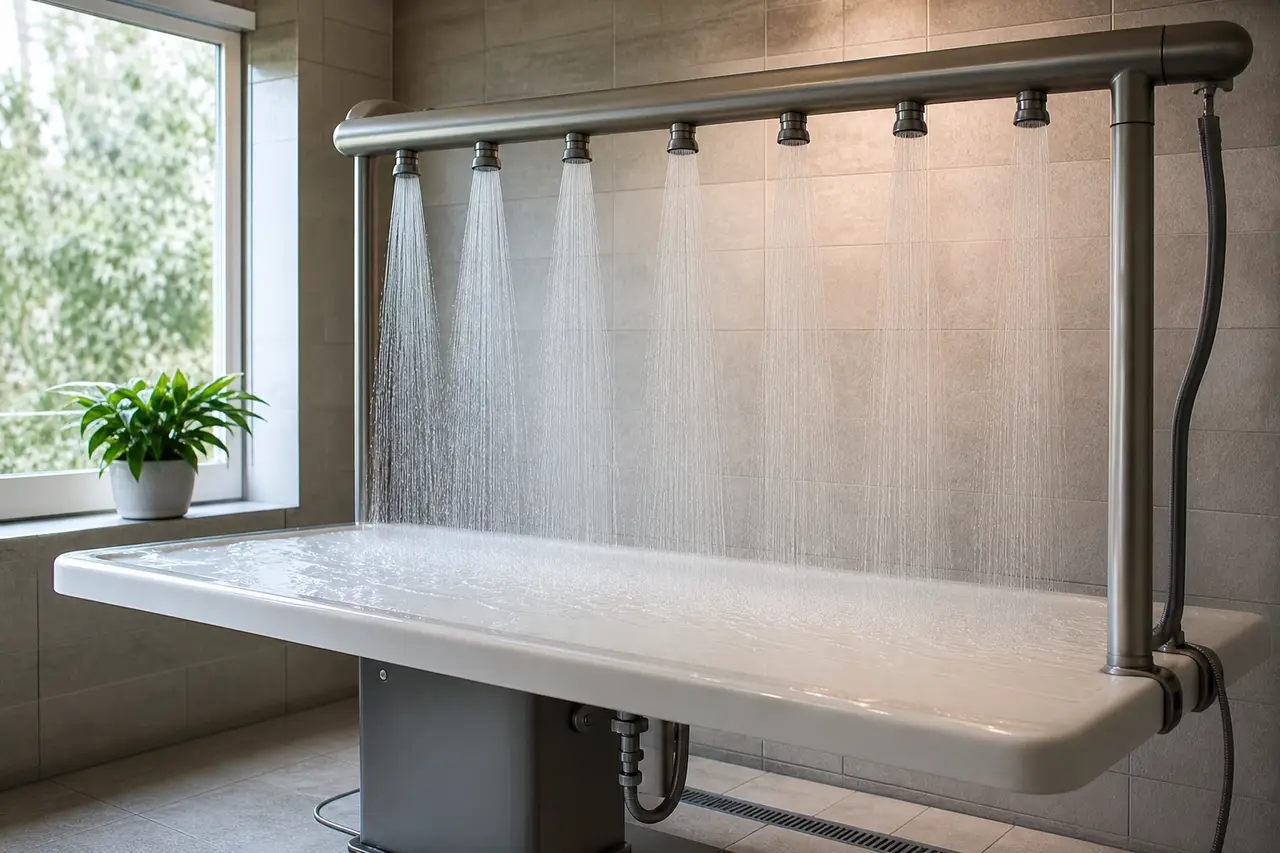
What is a Vichy shower? The horizontal rain treatment
A row of shower heads raining warm water over you while you lie on a wet table, usually after a body scrub. Genuinely pleasant and thoroughly relaxing; the lymphatic and detox claims attached to it are not supported.
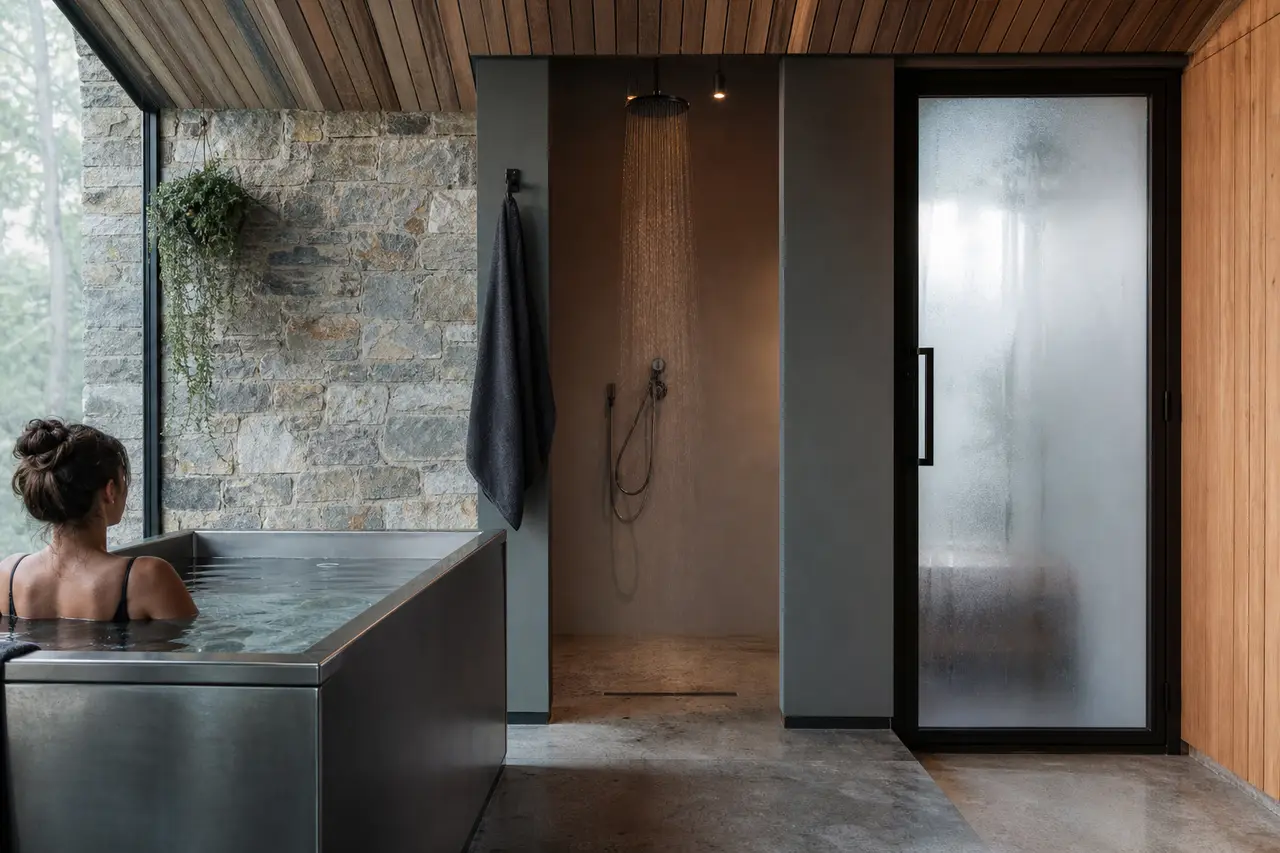
Which cold format for which goal: plunge, shower, cryo, snow
Air-based cold at -110°C is milder than water at 5°C, because water conducts heat about 25 times faster. Pick by how much control you want over the exit and whether you are training for strength that week.

Which retreat type for which goal: a decision guide
Decide first whether you want structure imposed or available, and whether you want to be alone or among people. Those two questions eliminate most of the catalogue before you look at a single photograph.
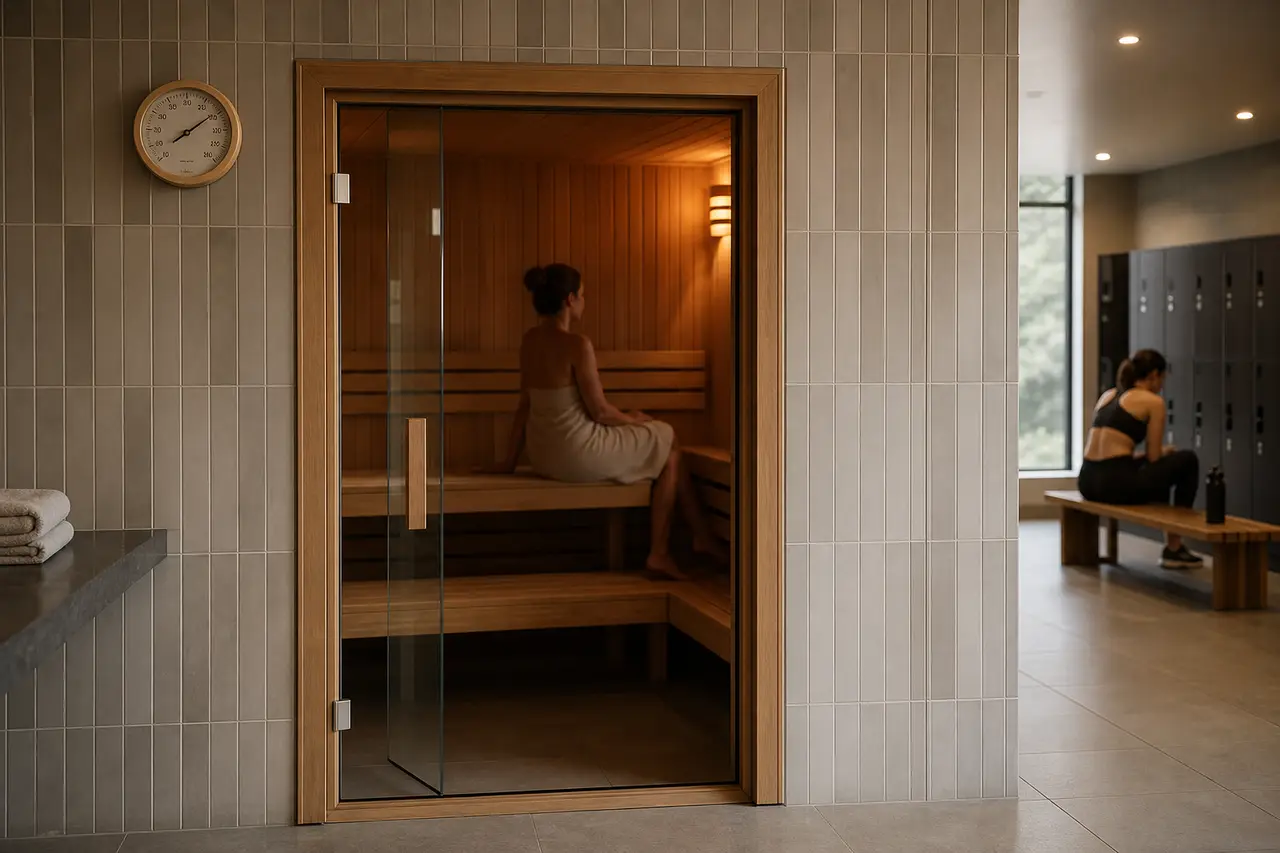
Gym sauna vs a dedicated studio: is the upgrade worth it?
An included gym sauna at a genuine 80°C beats paying for anything. Many run 60 to 70°C, which is a warm room rather than the dose the research used, and that is the one thing worth checking before you upgrade.

How to spot a nonsense wellness claim in ten seconds
Watch for a real biological word doing sales work, an FDA clearance for a different use, and studies whose device or population is not the one being sold to you. Those three catch most of it.
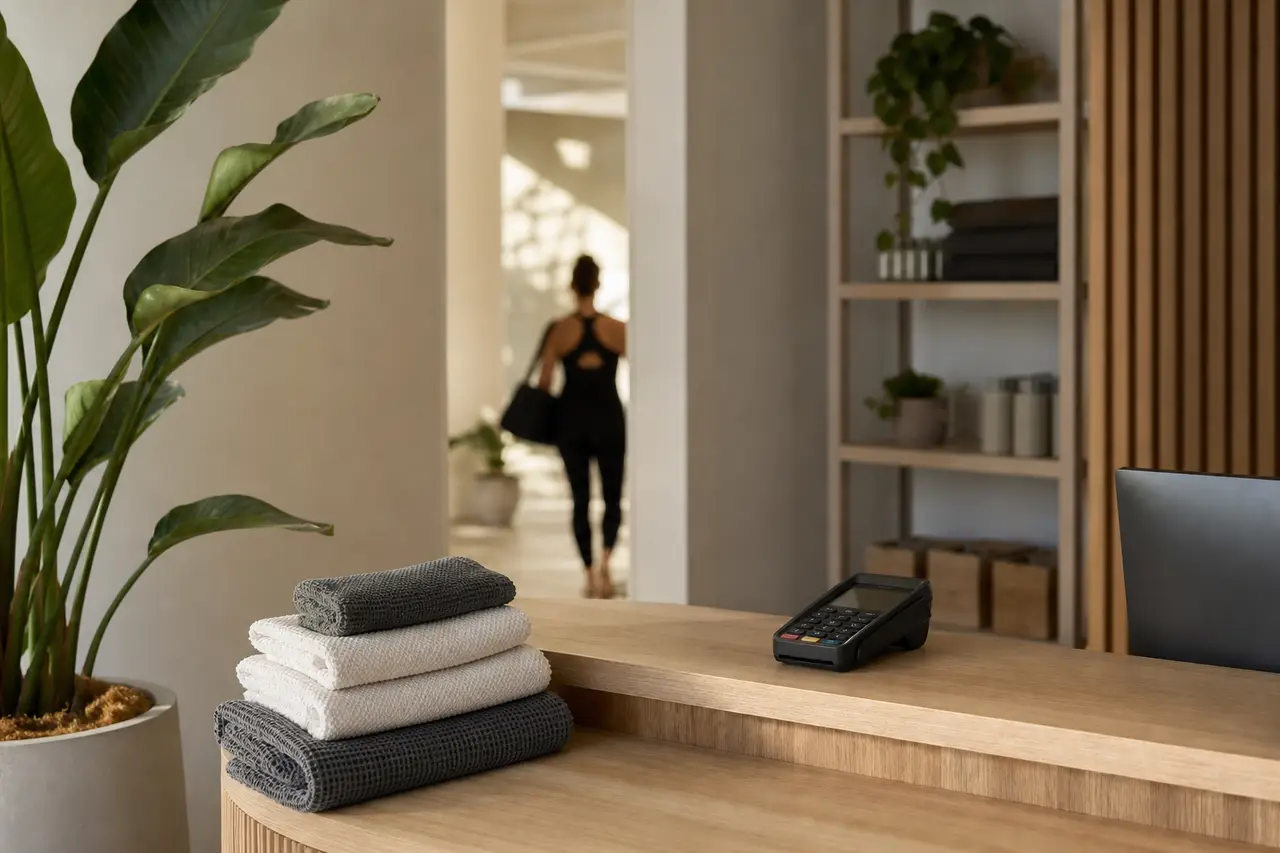
How to try wellness without signing a membership
Ask for a day pass, a class pack, or an off-peak rate before accepting an intro-to-membership funnel. The conversion pitch comes when you are relaxed and half-dressed, which is exactly why it works.

The wellness that costs nothing, ranked honestly
Sleep, walking, strength work and slow breathing have better evidence than most of a spa menu and cost nothing. Paid wellness mostly buys adherence, comfort and equipment, which is a real thing to buy, just not what it is sold as.

Bathhouses abroad: what changes when you leave the US
US venues are mostly swimwear-required; much of Europe is textile-free and will tell you off for wearing shorts. Wash thoroughly before entering any water, and check tattoo policy in Japan and parts of Asia.
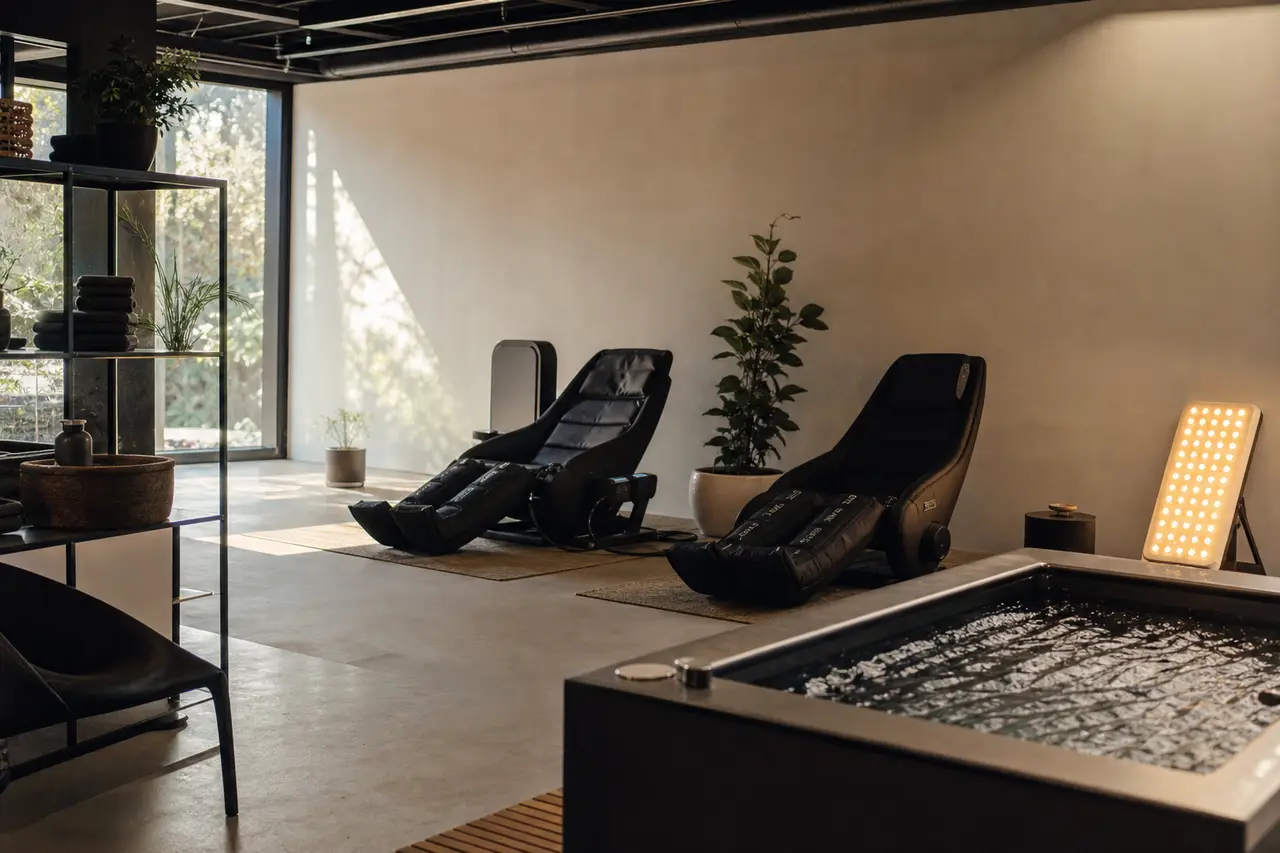
What is a recovery lounge? The multi-modality studio, explained
A timed circuit through several recovery machines. Compression and the sauna have reasonable support, the cold tub depends on your training goal, and several stations are there because they fill a slot. Use it as a menu, not a lap.
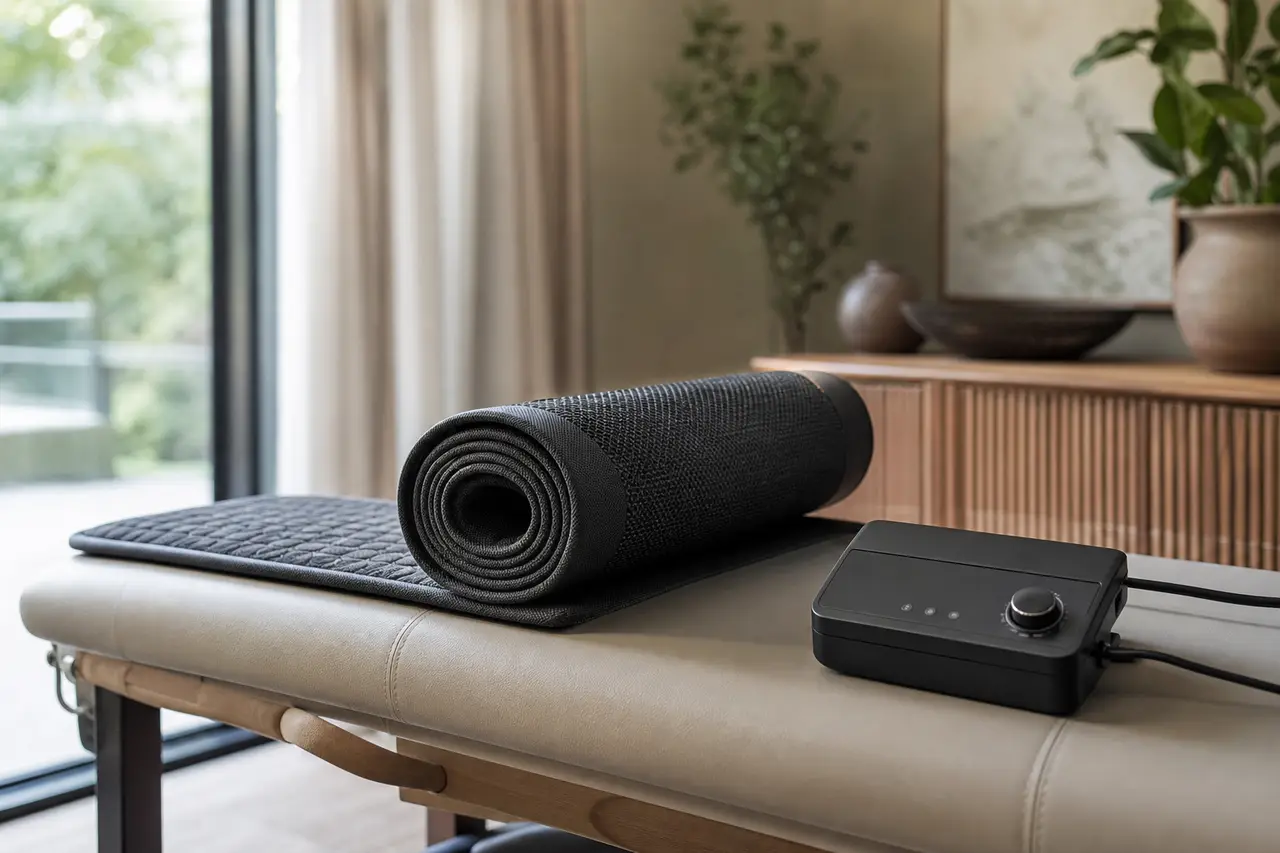
Do PEMF mats work? What the evidence actually shows
Meta-analysis supports PEMF for osteoarthritis pain and function, using clinical devices at specific parameters. Consumer mats vary enormously and are rarely the devices studied, and the general wellness claims are unsupported.
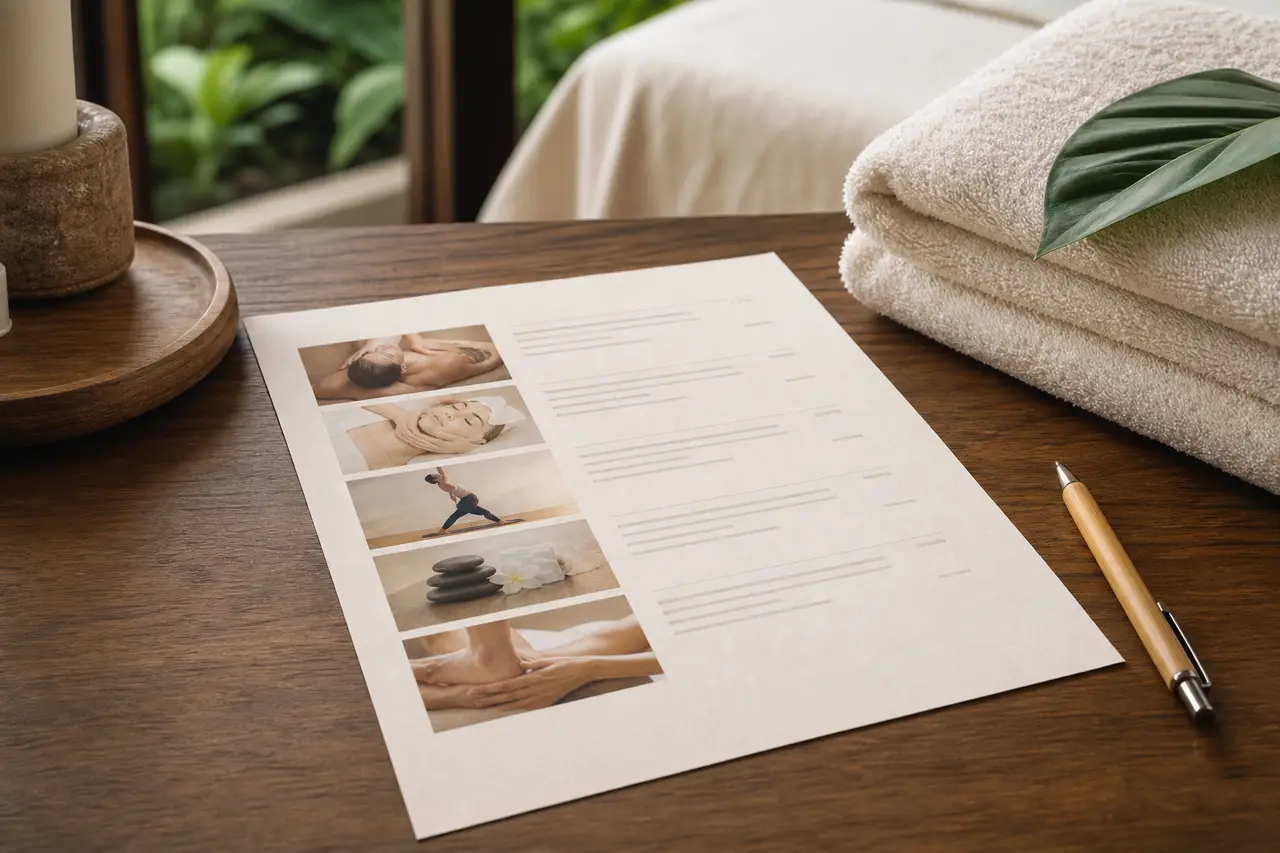
How to read a spa menu: what the words actually mean
Signature, bespoke, and ritual are pricing tiers, not techniques. Swedish, deep tissue, and lymphatic drainage describe actual methods. Most add-ons are margin, and the phrase to watch for is the treatment that promises a result.

Wellness for caregivers: what fits in the time you have
Drop the daily-habit model and think in isolated windows instead. A single 30-minute massage when cover appears is worth more than a routine you abandon, and the biggest obstacle is usually booking risk rather than time.
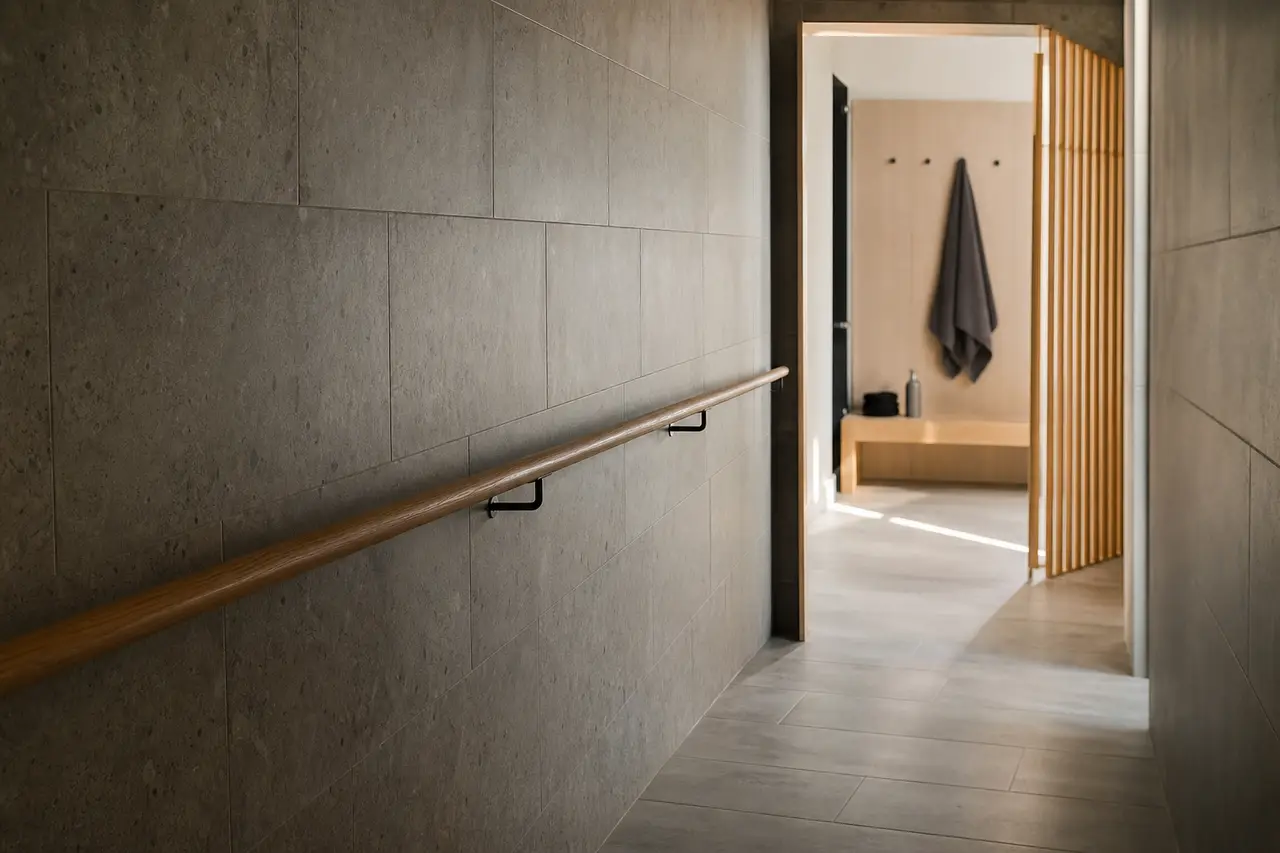
Saunas and studios with a visual impairment: what to ask
Ask for an orientation walk before your first session and hands-on or verbal cueing in classes. The real hazards are unmarked wet level changes and plunge entries, and guide dog policy needs settling before you arrive.
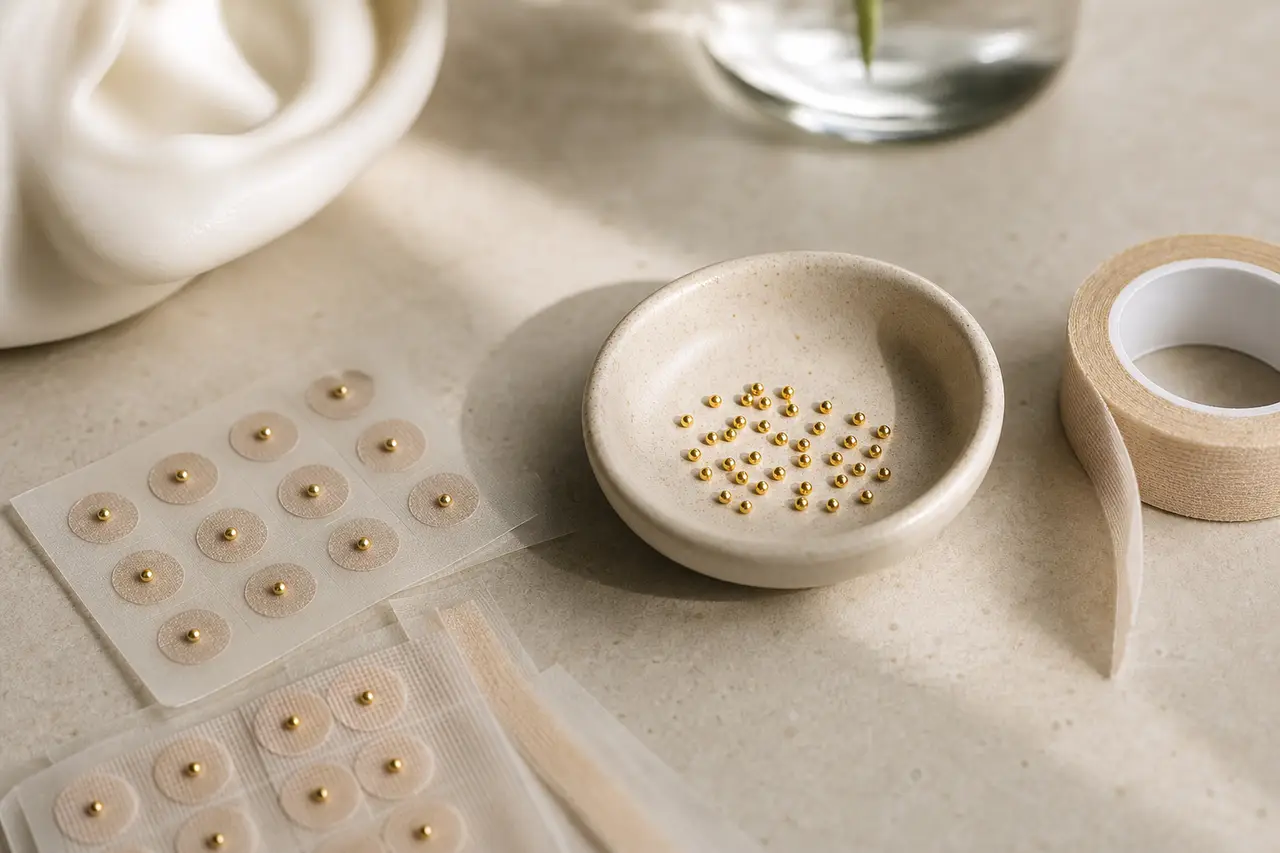
What is ear seeding? Auricular acupressure, explained
Ear seeds are beads taped to auricular points and pressed periodically. Meta-analyses in specific conditions like dysmenorrhea report benefits, though blinding is near-impossible and the general wellness claims run far ahead of that.
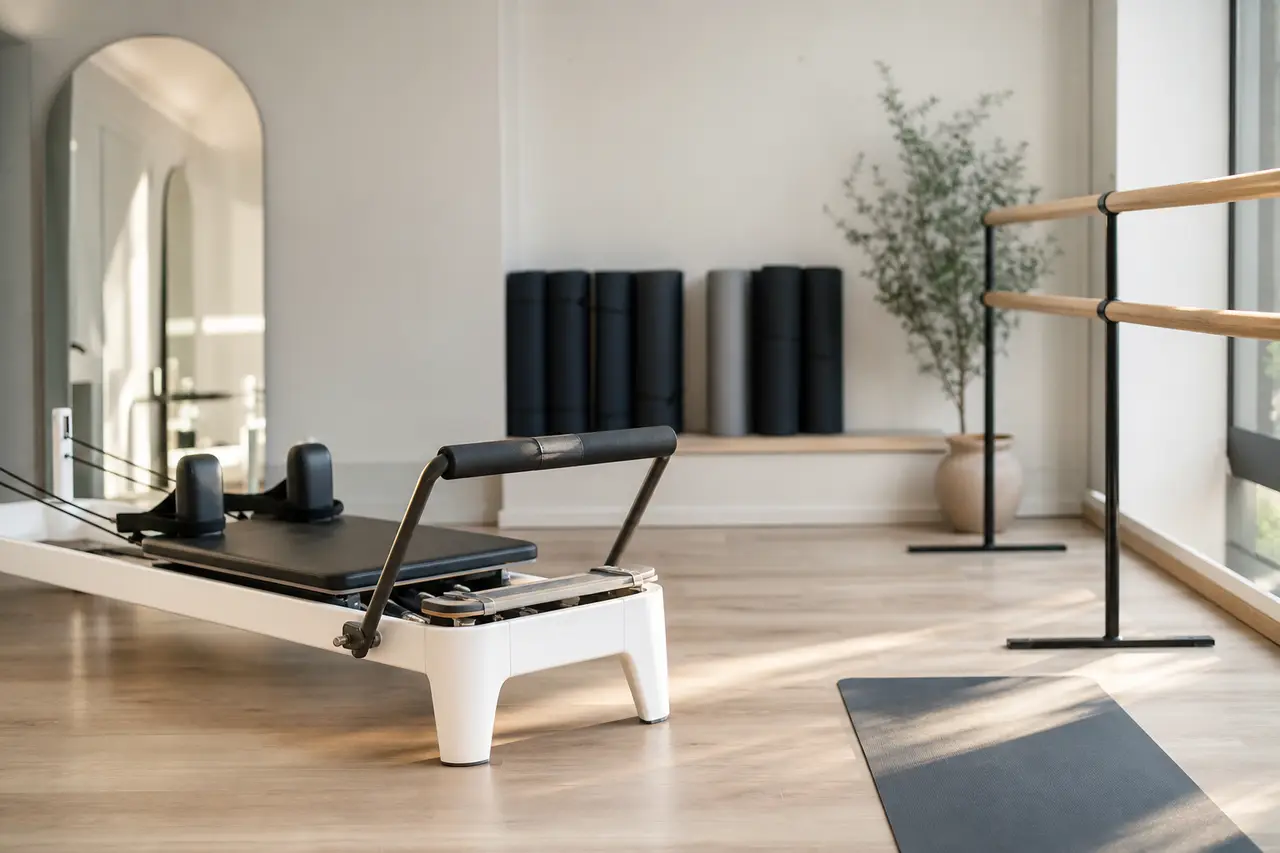
Which class format for which goal: yoga, Pilates, barre, Lagree
None of these build significant strength, because the loads are light. Reformer suits injury and back pain, barre and Lagree suit conditioning, yoga suits stress and mobility, and actual strength needs a weight room.
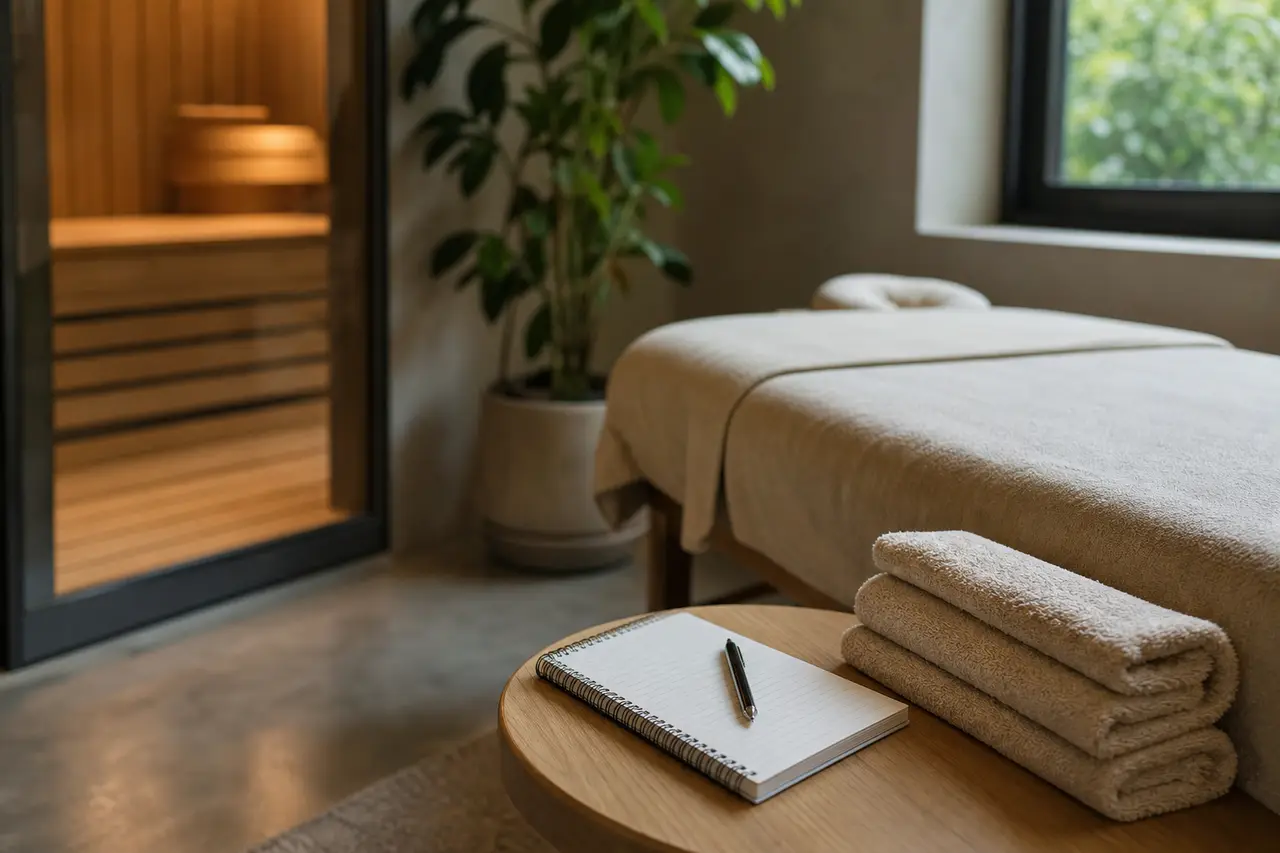
Saunas and studios as a Deaf or hard of hearing guest
Agree signals before a massage rather than relying on spoken checks, ask for a front position and demonstration in classes, and tell staff you may not hear an alarm. Hearing aids and heat, steam and water need planning.
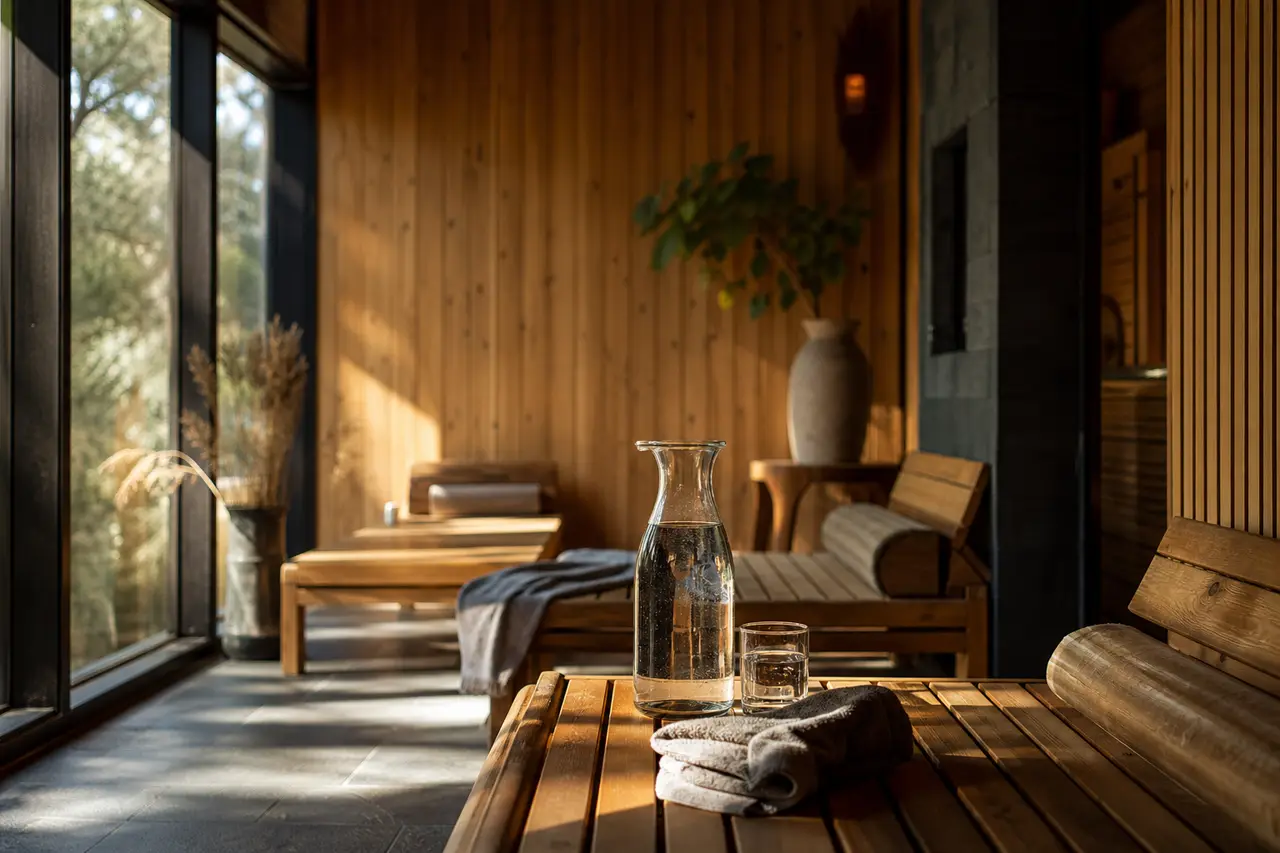
Saunas, spas and bathhouses in addiction recovery
Many bathhouses run a bar, kava and ceremonial cacao are psychoactive to varying degrees, and 'plant medicine adjacent' is a marketing phrase worth reading literally. Ask what is served before you book.