The Journal, page 9
Back to the full journal (with category filters).
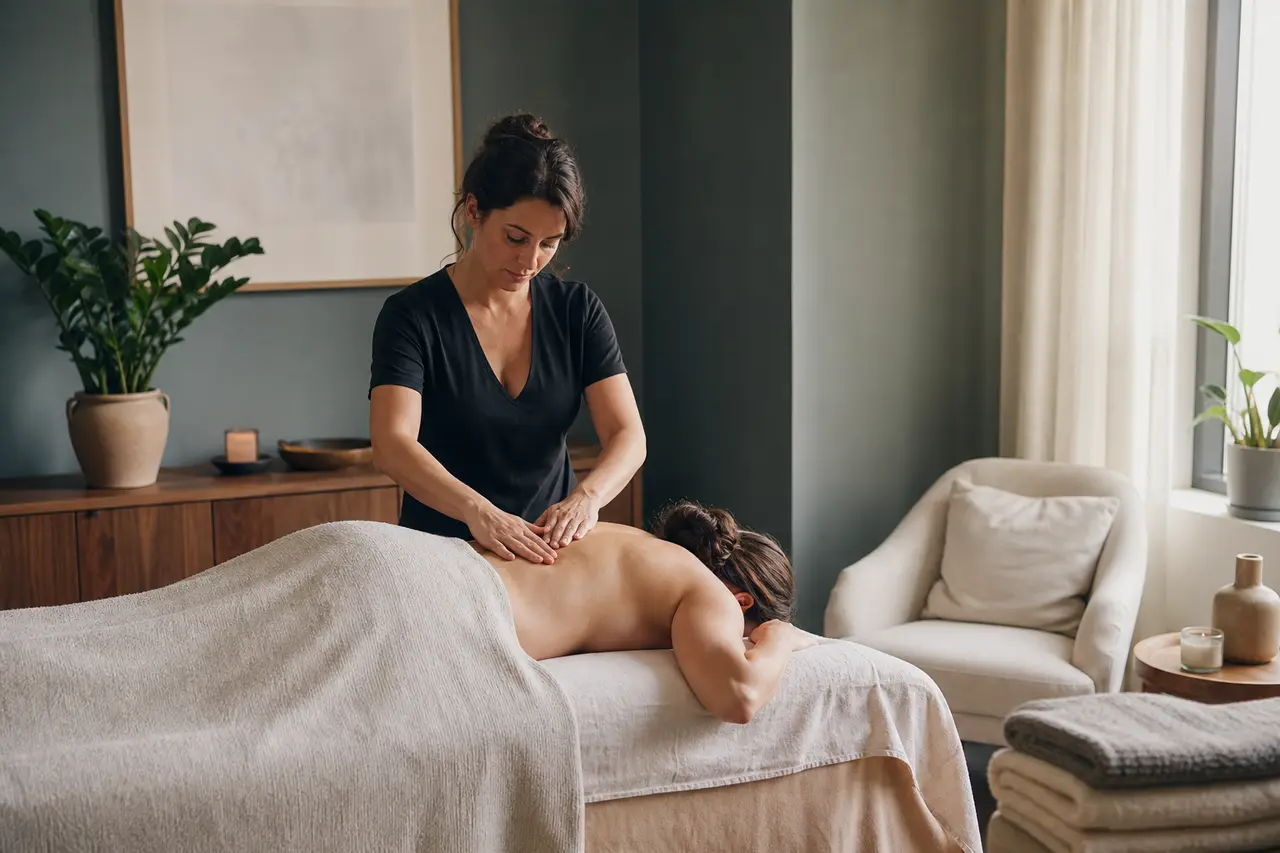
Massage during and after cancer treatment: what's safe
A study of over a thousand hospital patients found massage meaningfully reduced pain, anxiety, fatigue, and nausea. The old fear that it spreads cancer has been abandoned; the real precautions are about sites, pressure, timing, and blood counts.
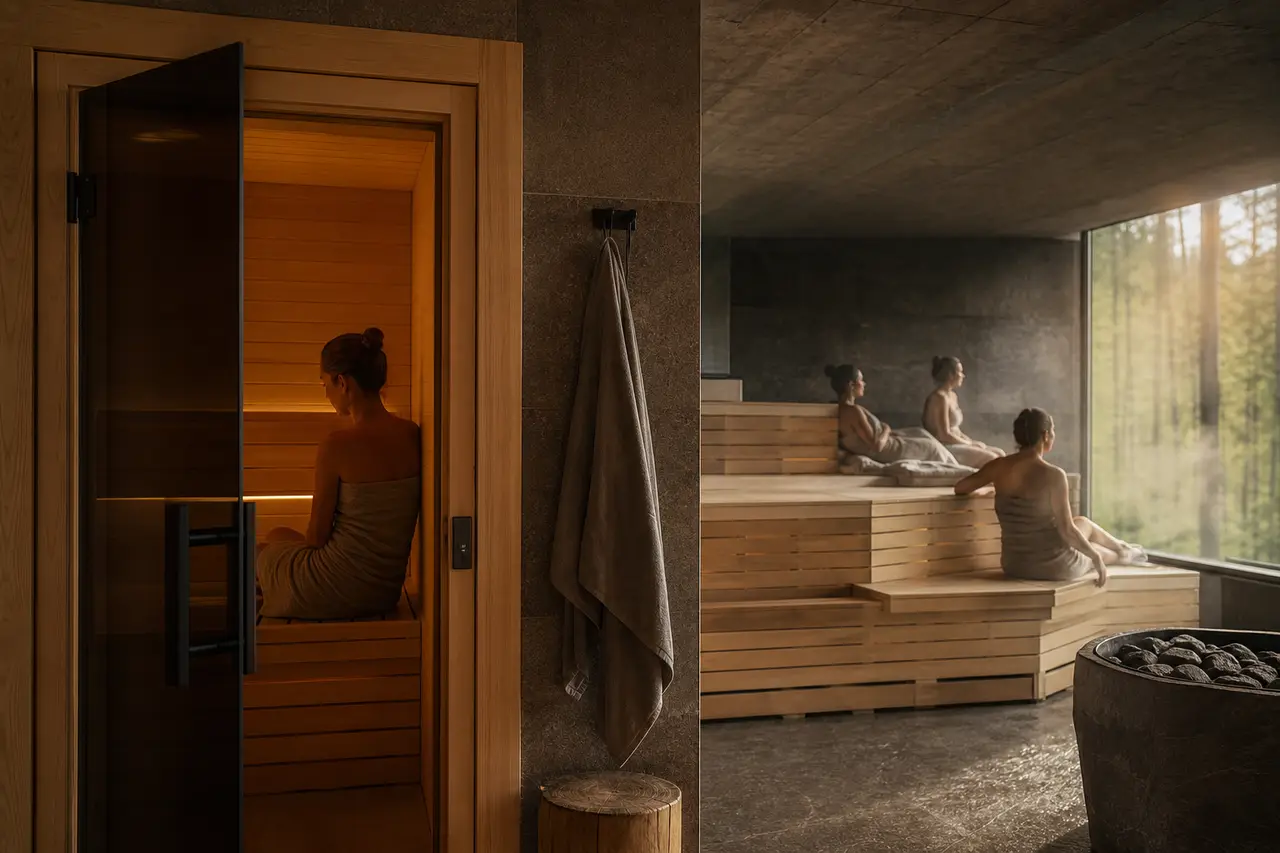
Private vs communal sauna: which is actually worth paying for?
A private cabin buys convenience, privacy, and a fixed slot; a communal bathhouse buys unhurried time, hotter and more stable heat, and a hot-cold rhythm. Per hour, communal is usually cheaper despite the higher ticket price.
Sauna, hot tubs and sperm count: what the heat research shows
Two sauna sessions a week for three months strongly reduced sperm count and motility in healthy men, with no change in hormones, and every change had reversed six months after stopping. It matters if you are trying to conceive.
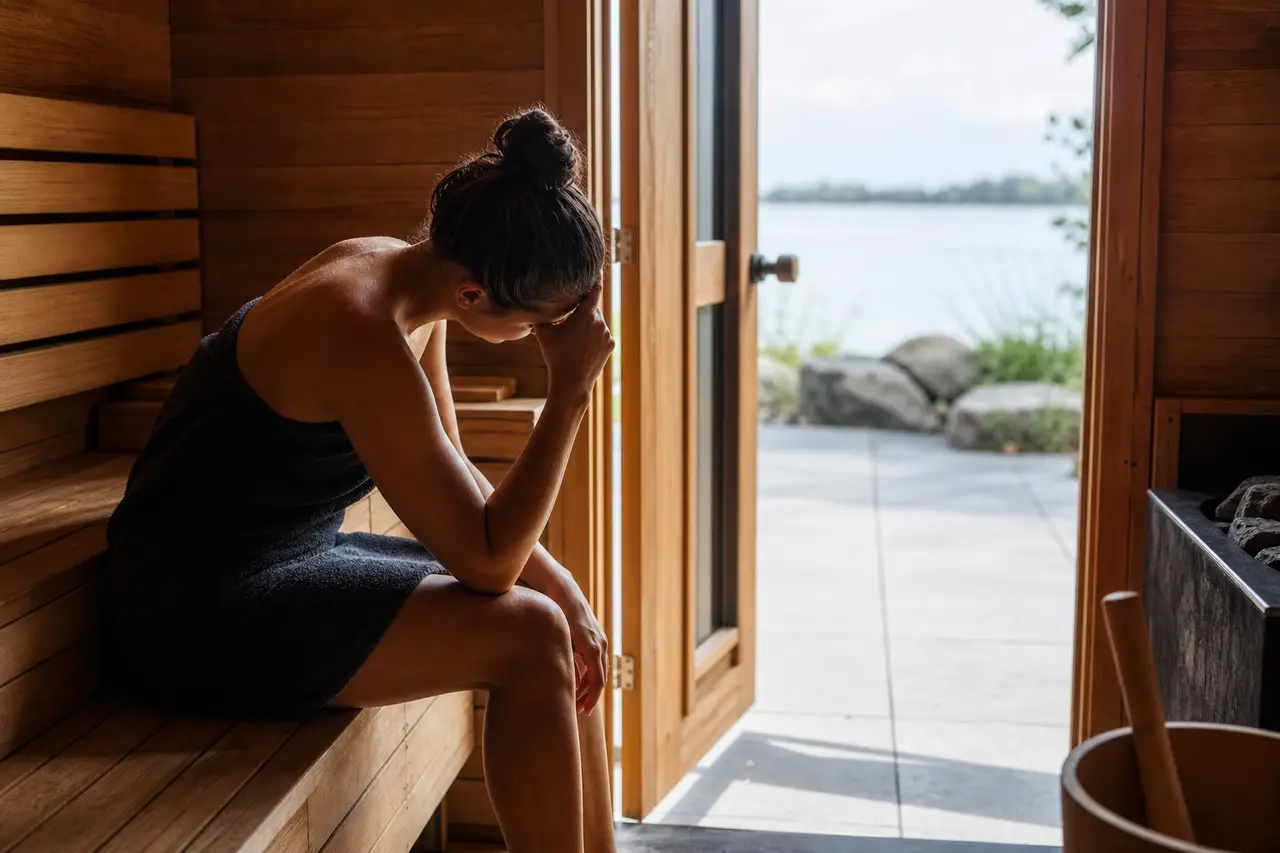
What to do if you feel faint in a sauna or cold plunge
Heat lowers your blood pressure and standing makes it worse, so sit or lie down on a lower bench first and get low before you get out. Recognise the early signs, and never lock a sauna door behind you when alone.
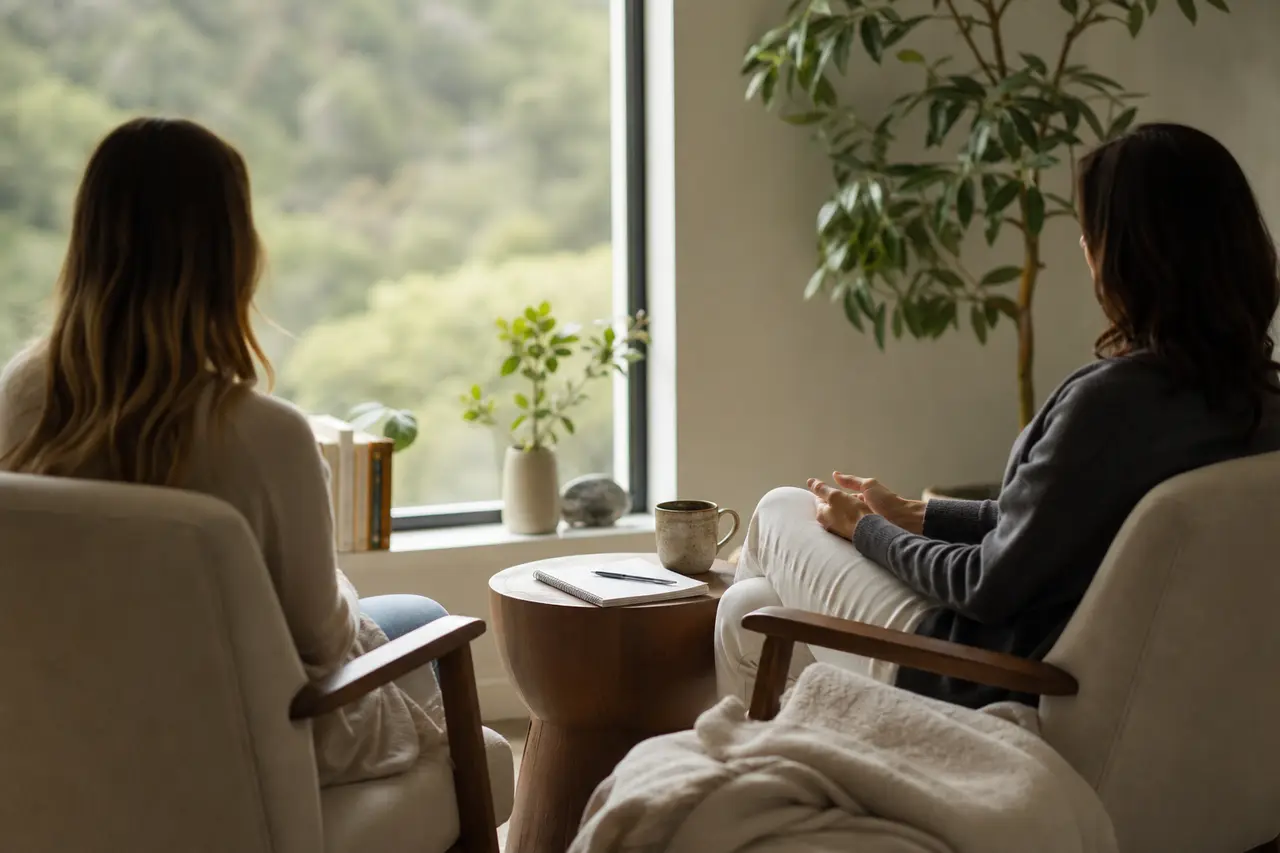
Do you need a wellness coach? An honest look before you pay
Wellness coach is an unregulated title, so credentials range from a multi-year accredited certification to a weekend course. Coaching helps most with follow-through on things you already know, and should never involve diagnosis or supplement sales.
Does a sauna help with depression? What the trial evidence shows
One small randomised trial of whole-body hyperthermia found a meaningful antidepressant effect lasting six weeks after a single session. The protocol was medical-grade and is not what a studio sauna delivers, so treat heat as a supportive habit, not a treatment.
Does a sauna help your skin? What the research shows
A controlled study found regular sauna use improved skin barrier recovery and water-holding capacity in the stratum corneum, with effects that varied by body site. The immediate glow is blood flow, not detox, and heat can worsen some skin conditions.
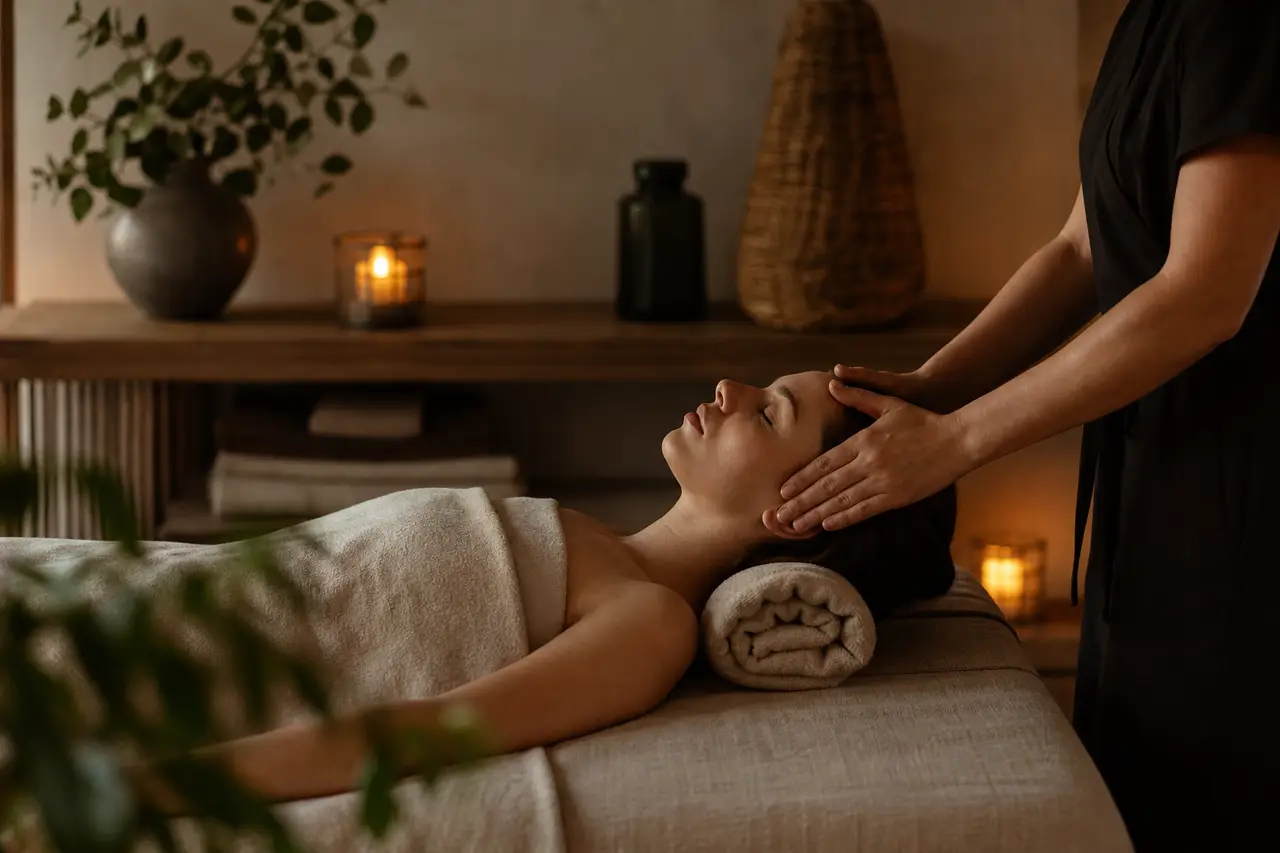
Massage for headaches and migraines: what the evidence says
A small randomised trial found massage reduced migraine frequency and improved sleep quality, rather than simply easing pain in the moment. Tension-type headaches respond more predictably, and neither result makes massage a substitute for medical assessment.
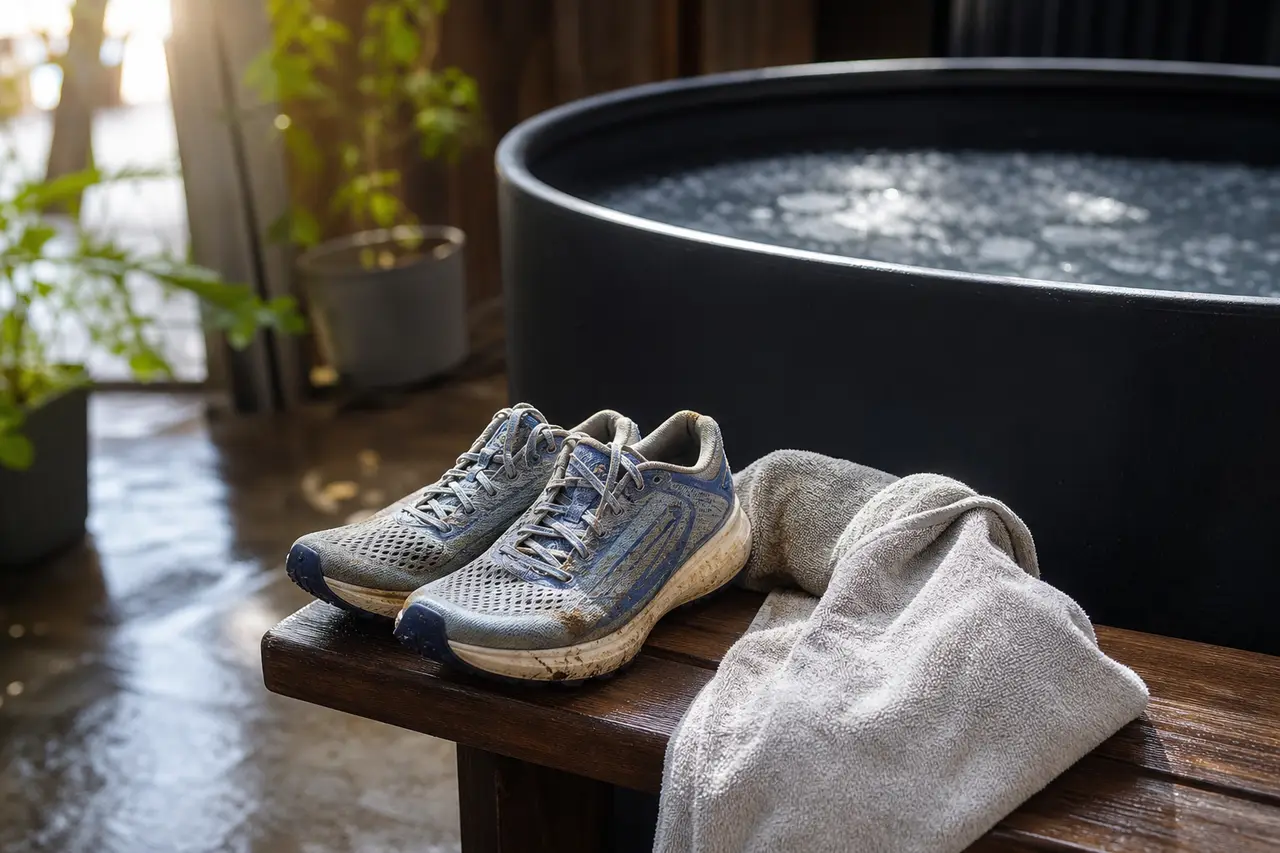
Recovery for runners: what actually helps after a long run
Massage came out on top for reducing soreness and fatigue in a meta-analysis of recovery methods, ahead of cold immersion and compression. Cold works for soreness but can blunt strength adaptations, so time it around what you are training for.
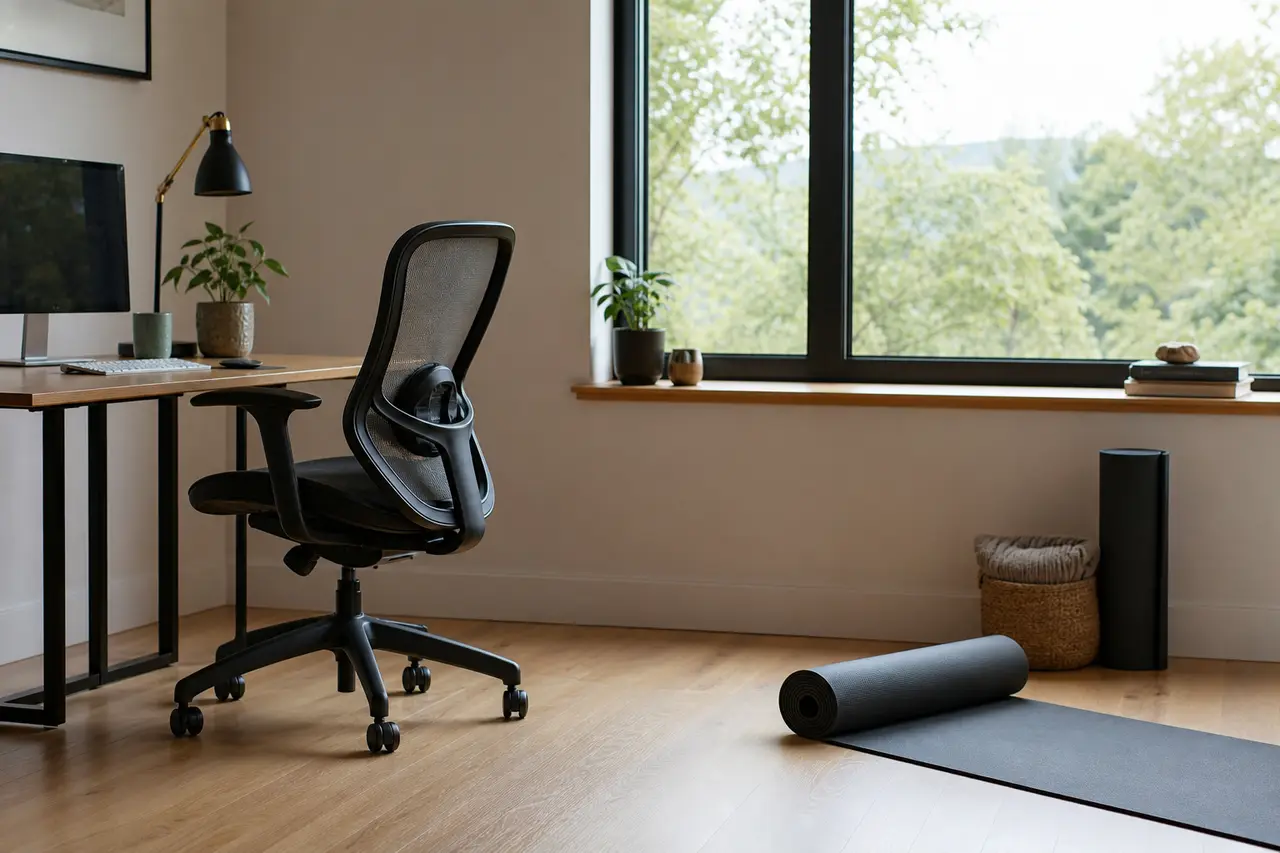
Wellness for desk workers: what helps a stiff neck and shoulders
A large pooled analysis found that around 60 to 75 minutes of daily moderate activity largely offset the mortality risk of prolonged sitting. For the neck and shoulders themselves, movement and load changes beat any single treatment.
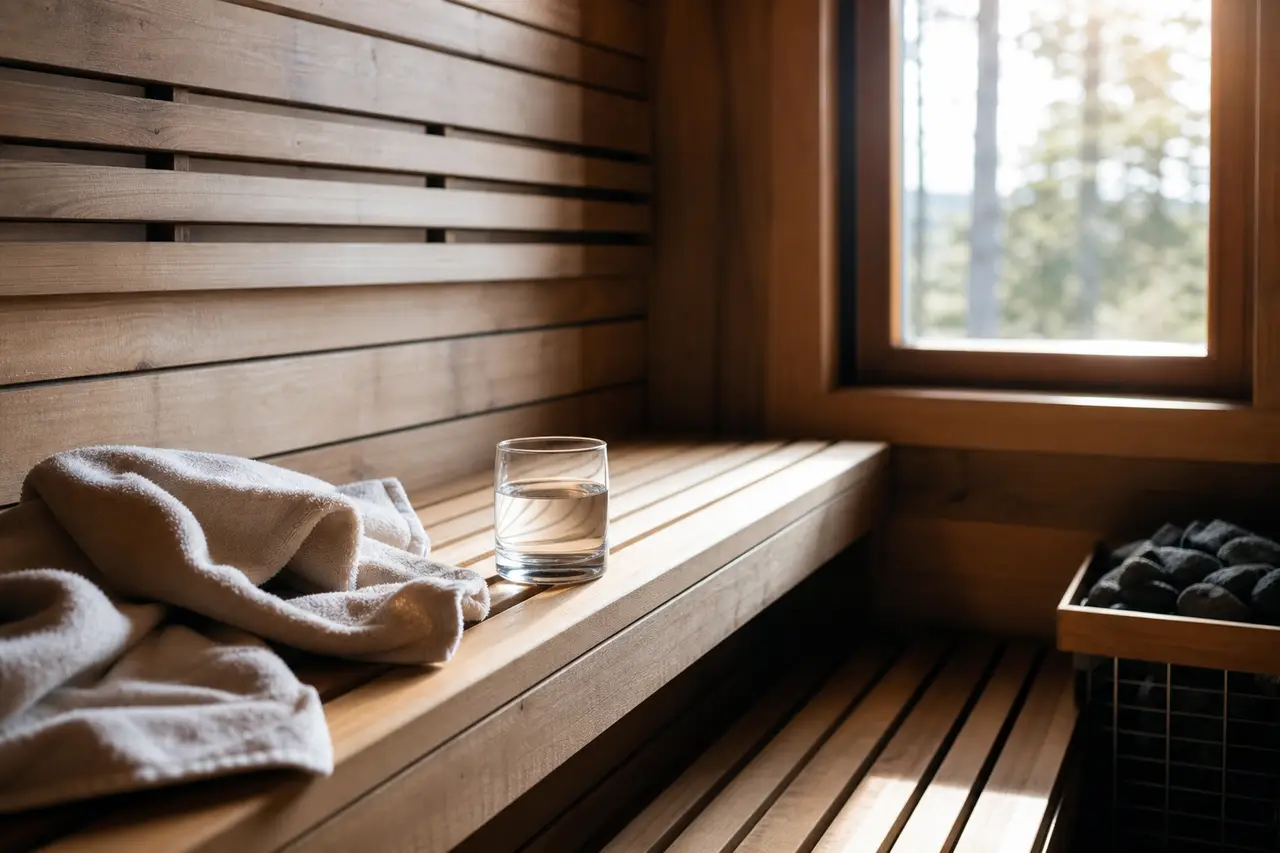
Can you drink alcohol in a sauna? The honest safety answer
Alcohol and sauna heat both drop your blood pressure and blunt the signals that tell you to get out, and Finnish forensic data links alcohol to the large majority of sauna deaths. Wait until sober, and rehydrate with water first.
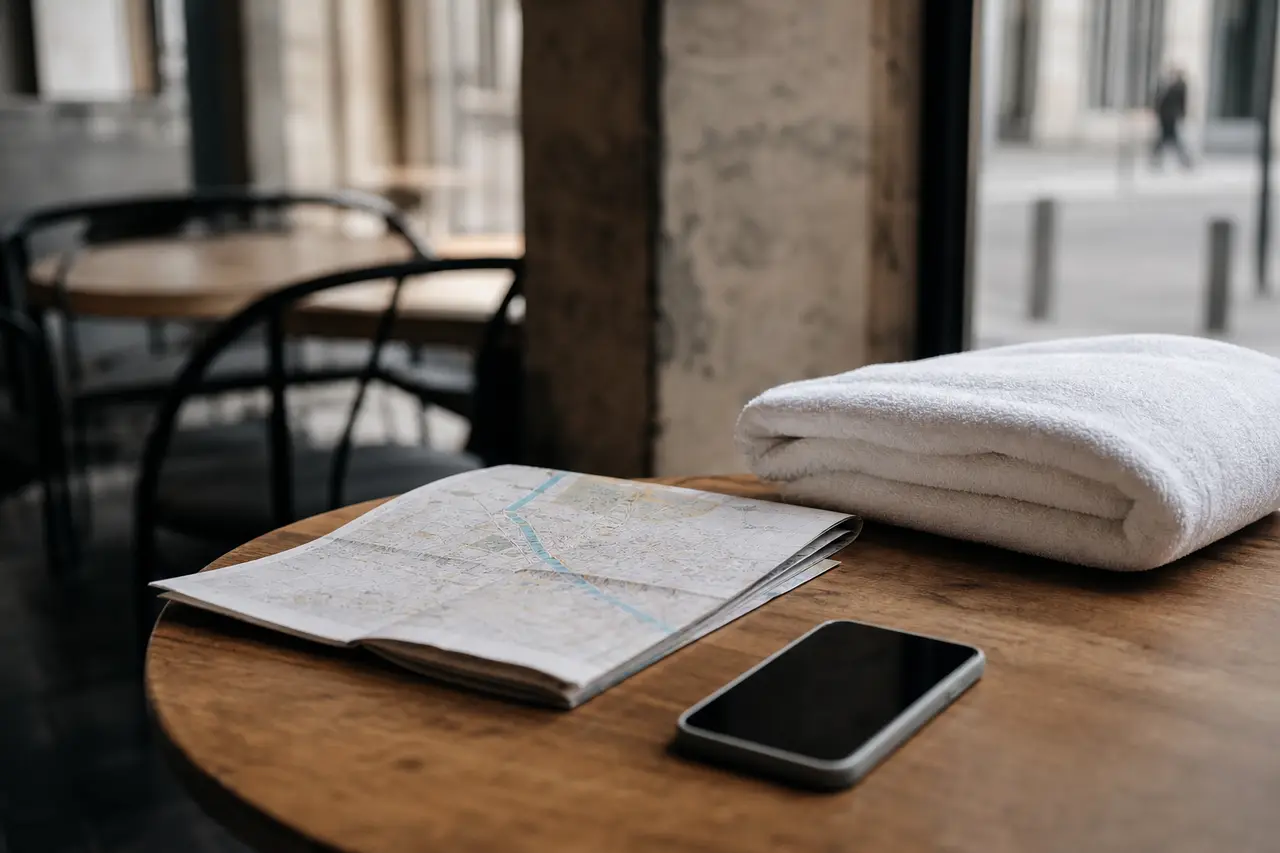
How to find a good sauna or studio in a city you don't know
Start from the venue type rather than the brand, read the one-star and three-star reviews for hygiene and staffing, and call to confirm walk-in policy and session length. Ten minutes of checking avoids most bad trips.
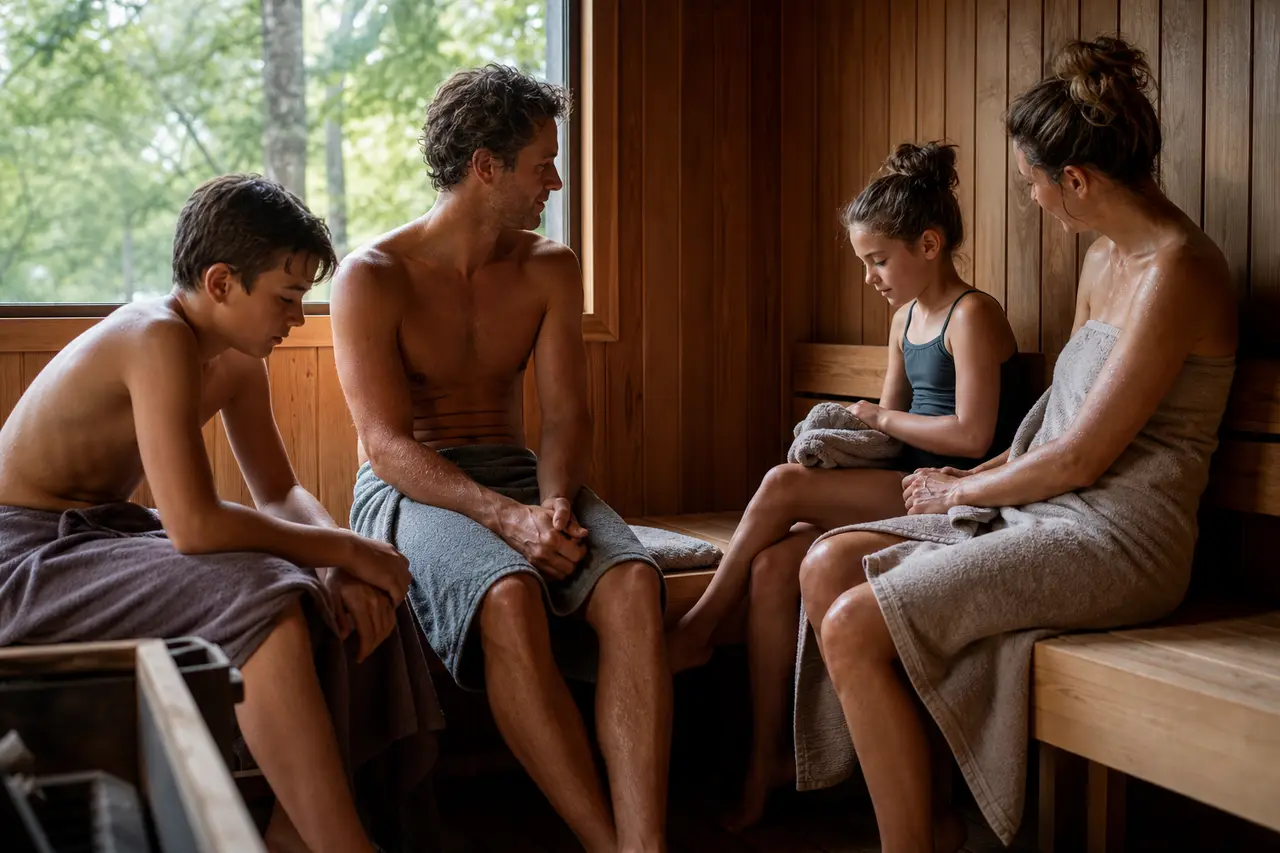
Sauna, hot tub and cold plunge with kids and teens: age limits and what's safe
Short, supervised, lowest-bench sauna sessions are normal for Finnish children from infancy, though studies show the heat strains a young child's circulation. The CDC says no hot tubs under 5, and cold plunging has almost no evidence base in minors.
Sauna, cold plunge, and your menstrual cycle: what to know
Core temperature runs higher and heat-shedding starts later after ovulation, so saunas genuinely feel harder in the luteal phase. There is no evidence you should avoid heat or cold during your period, and studio hygiene is a practical question, not a medical one.
Sauna vs exercise: can heat replace a cardio workout?
Passive heat does improve blood vessel function and blood pressure in sedentary people, but it builds no muscle, no bone, and no real aerobic capacity. It is a supplement to exercise, or a bridge for people who cannot exercise, not a replacement.
Should you use a sauna when you're sick?
If you have a fever, skip it, because heat on top of a raised core temperature is a real risk. With mild head-cold symptoms and no fever a short, cool session is usually fine, but it is comfort rather than treatment.
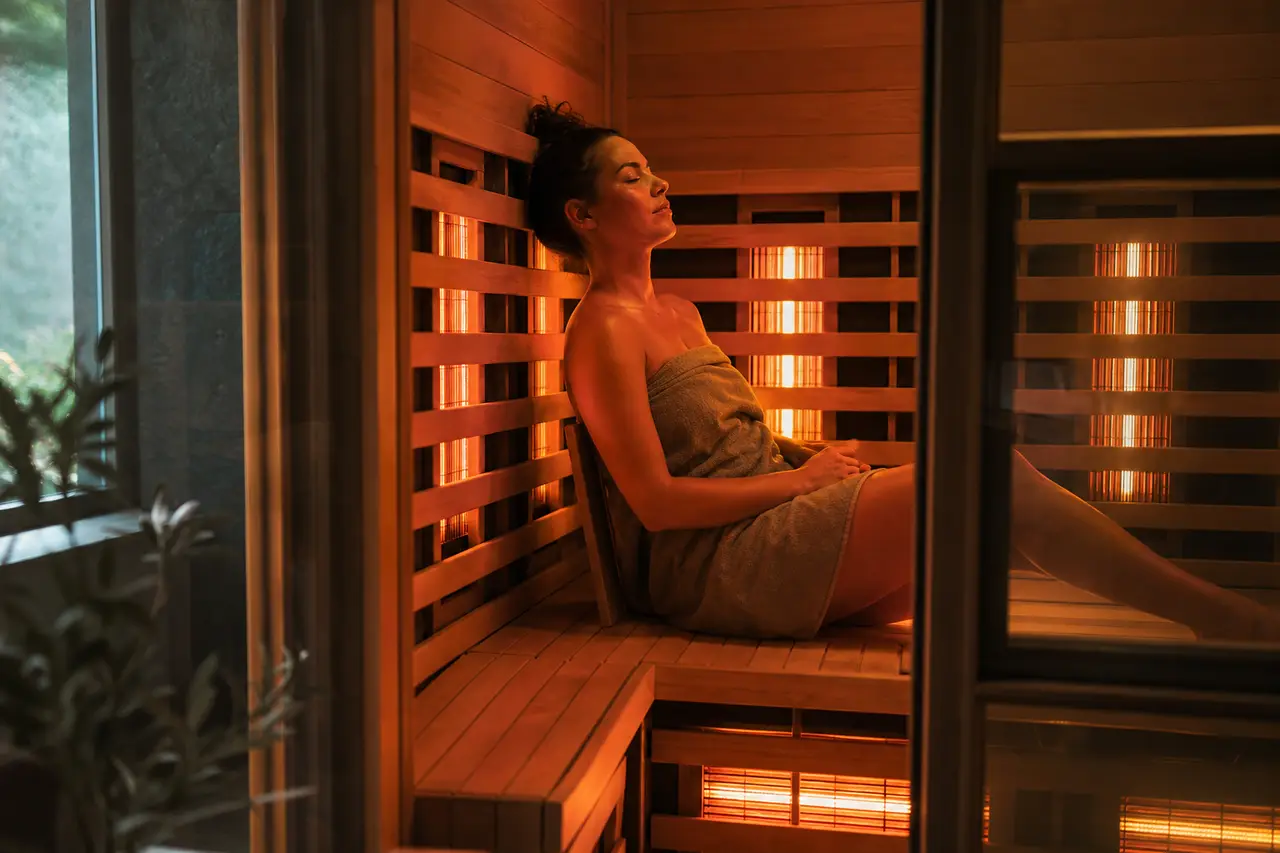
Does an infrared sauna help with pain and inflammation?
Heat genuinely eases stiff, painful muscles and joints, and small studies on infrared saunas for conditions like arthritis and chronic pain are cautiously positive. But the research is thin, so hold it loosely.

How long until you see benefits from a wellness habit? An honest timeline
Immediate mood and relaxation come the same session. Flexibility, sleep, and feeling settled take a few weeks of consistency. Real health changes take months. Most people quit in the gap between the first two.

Finnish sauna vs banya vs hammam vs Korean spa: what's the difference?
Finnish sauna is hot and dry, Russian banya is humid with a branch massage, Turkish hammam is warm marble with a scrub and lather, and a Korean spa is an all-day social bathing complex. Different rituals, all worth trying.
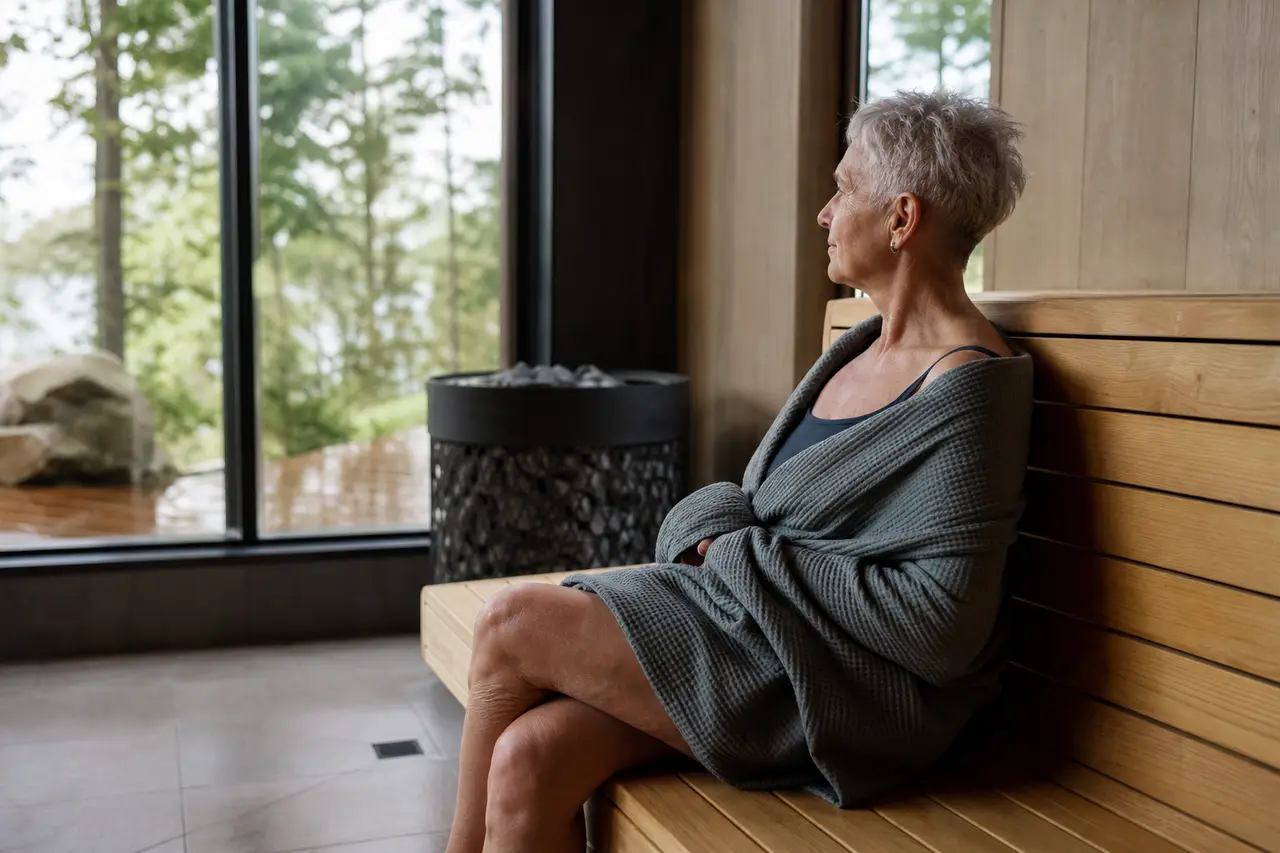
Wellness for older adults: starting sauna, cold, and movement safely
Later life is a good time to start gentle wellness, and much of the sauna evidence comes from older adults. Begin gently, get medical clearance, favour gentler heat and movement, and mind balance and hydration.

What to do after a cold plunge: rewarming, the afterdrop, and mistakes to avoid
You keep cooling for minutes after you get out, called the afterdrop, so rewarm gently with dry clothes and movement. Avoid jumping straight into a hot shower, and let your body warm from the inside.
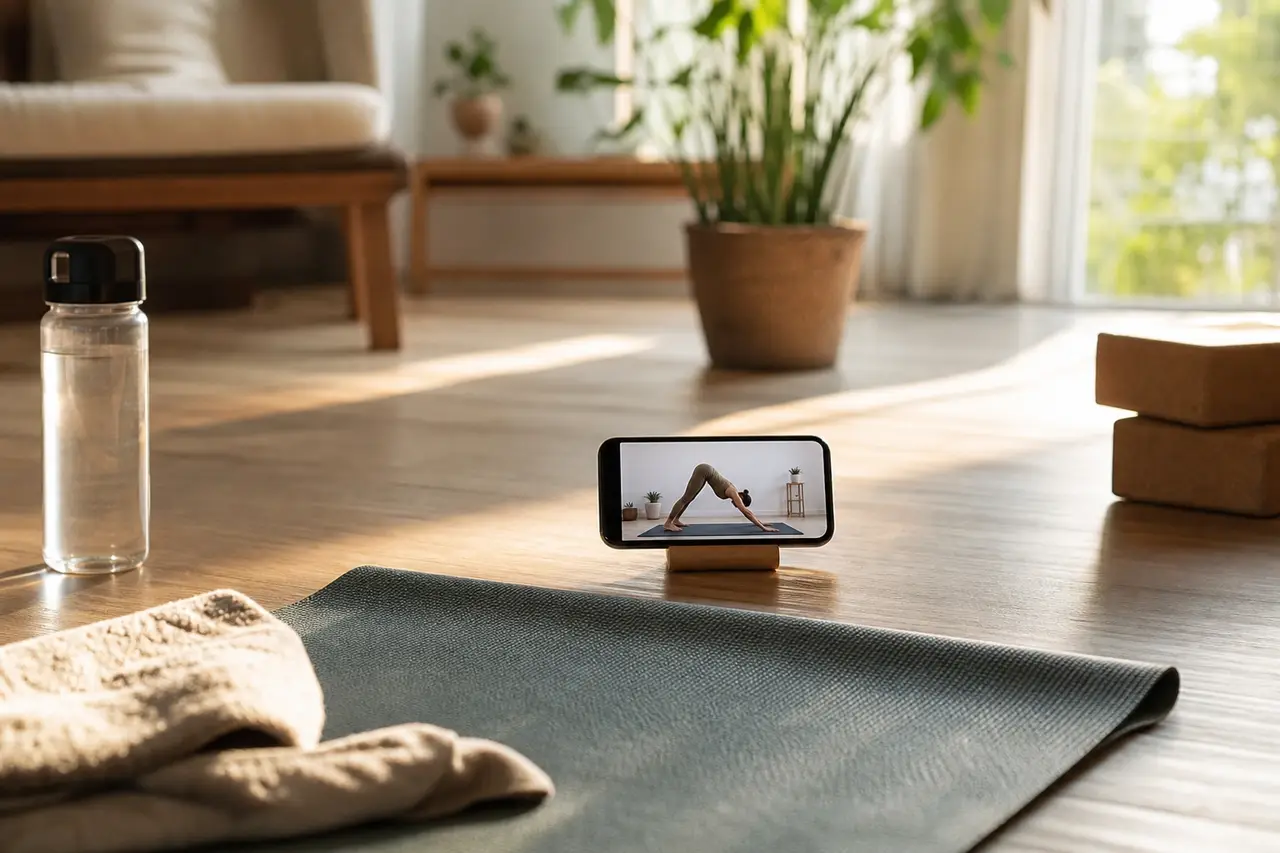
In-person yoga class vs a yoga app: which should you choose?
An app is cheap, flexible, and great for building a habit. A class offers real-time correction, safety, and community that no app can match. Beginners benefit most from some in-person teaching first.
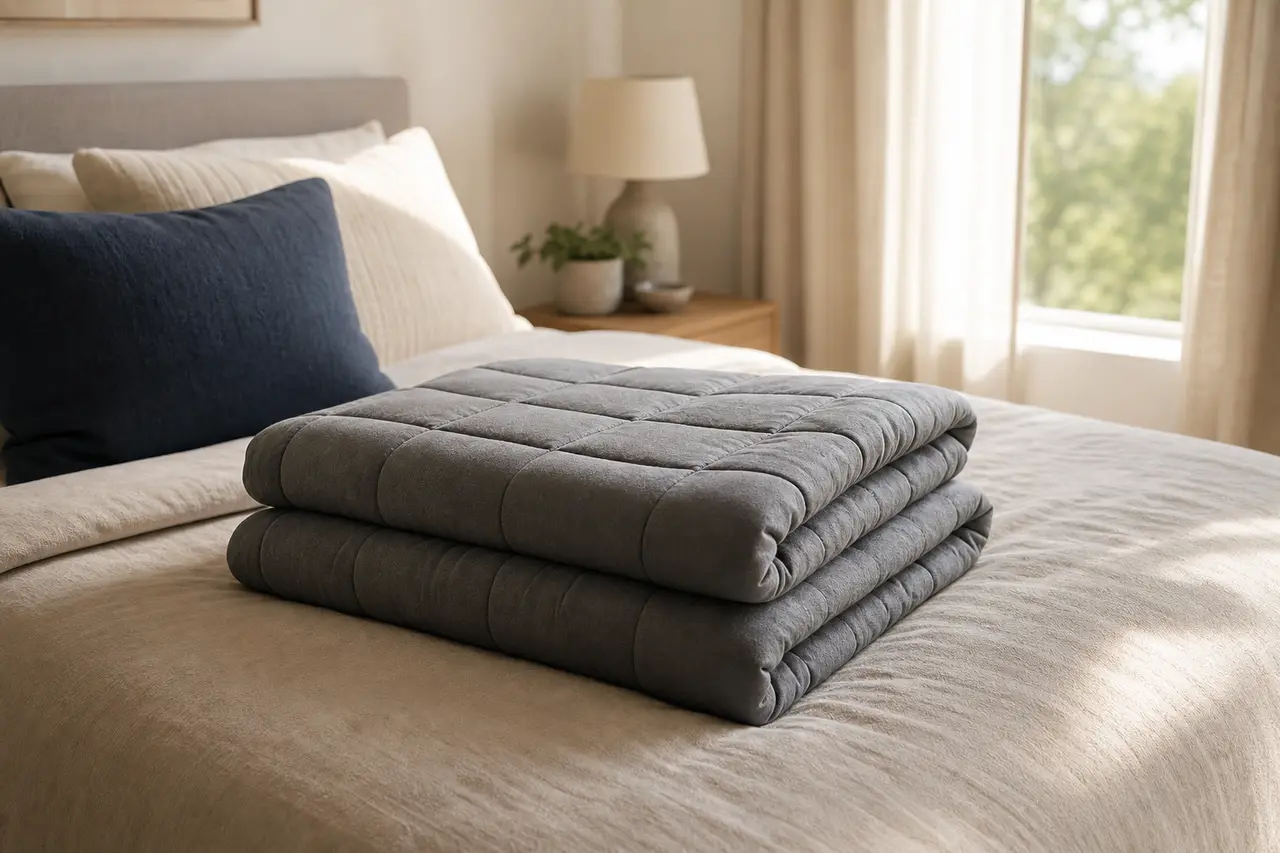
Do weighted blankets actually work? What the evidence says
The evidence is modest but real: weighted blankets can reduce anxiety and help you feel you sleep better, more than they change measured sleep. Pick around 10% of body weight, and skip them for some conditions.
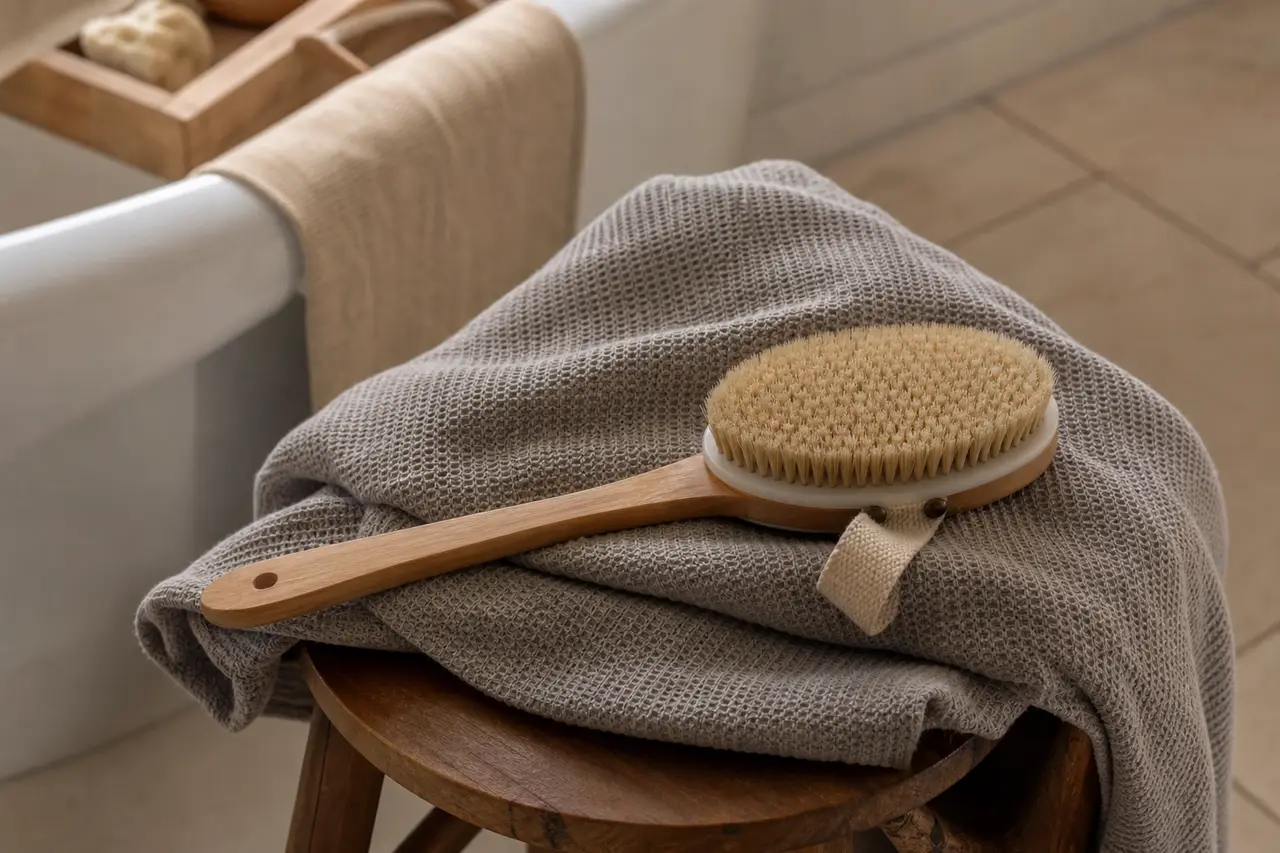
Dry brushing: what it actually does (and what it doesn't)
Dry brushing genuinely exfoliates and feels invigorating, and that is worth something. It does not detox your body, drain lymph in any meaningful way, or remove cellulite, whatever the claims say.