The Journal, page 7
Back to the full journal (with category filters).
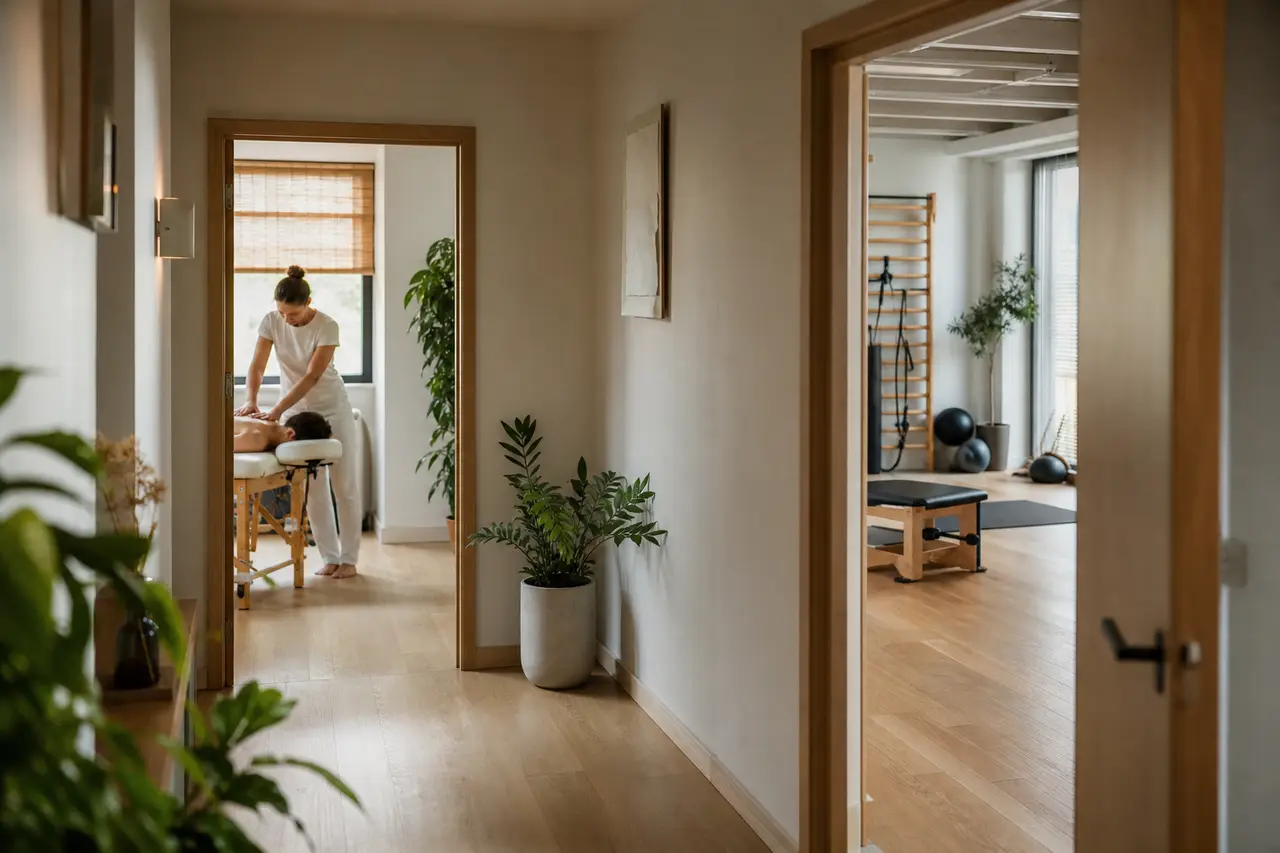
Which bodywork for which complaint: a decision guide
Pick by symptom rather than modality. Tension and stress suit massage, recurring headaches have specific evidence, anything with numbness or weakness needs assessment first, and no bodywork is a diagnostic tool.
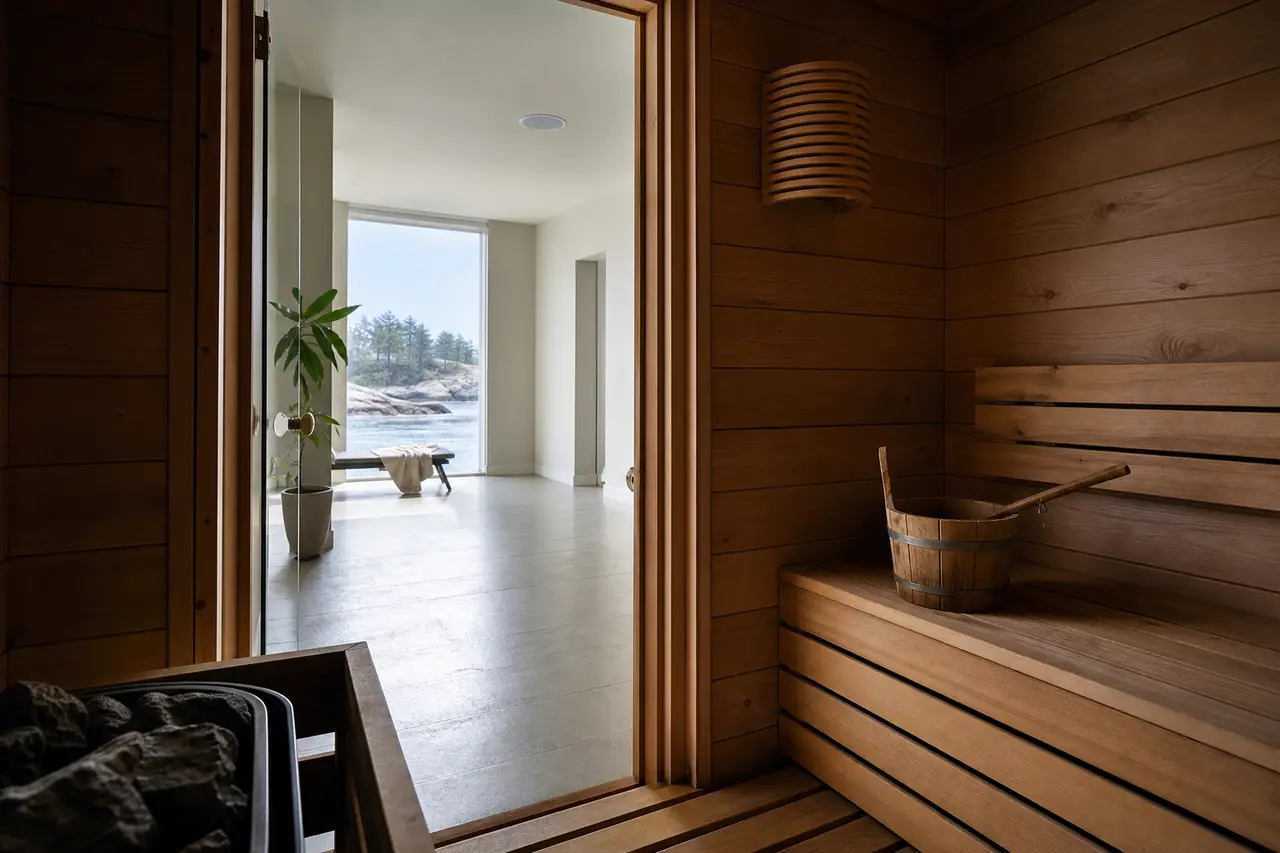
Anxious or claustrophobic? Saunas, float tanks and small rooms
You cannot tell panic from a heart or heat emergency inside a hot room, so chest pain, trouble breathing or fainting means 911. What each enclosed format prints about its door, exit and staff, where official sources warn against it, and who to ask before you book.
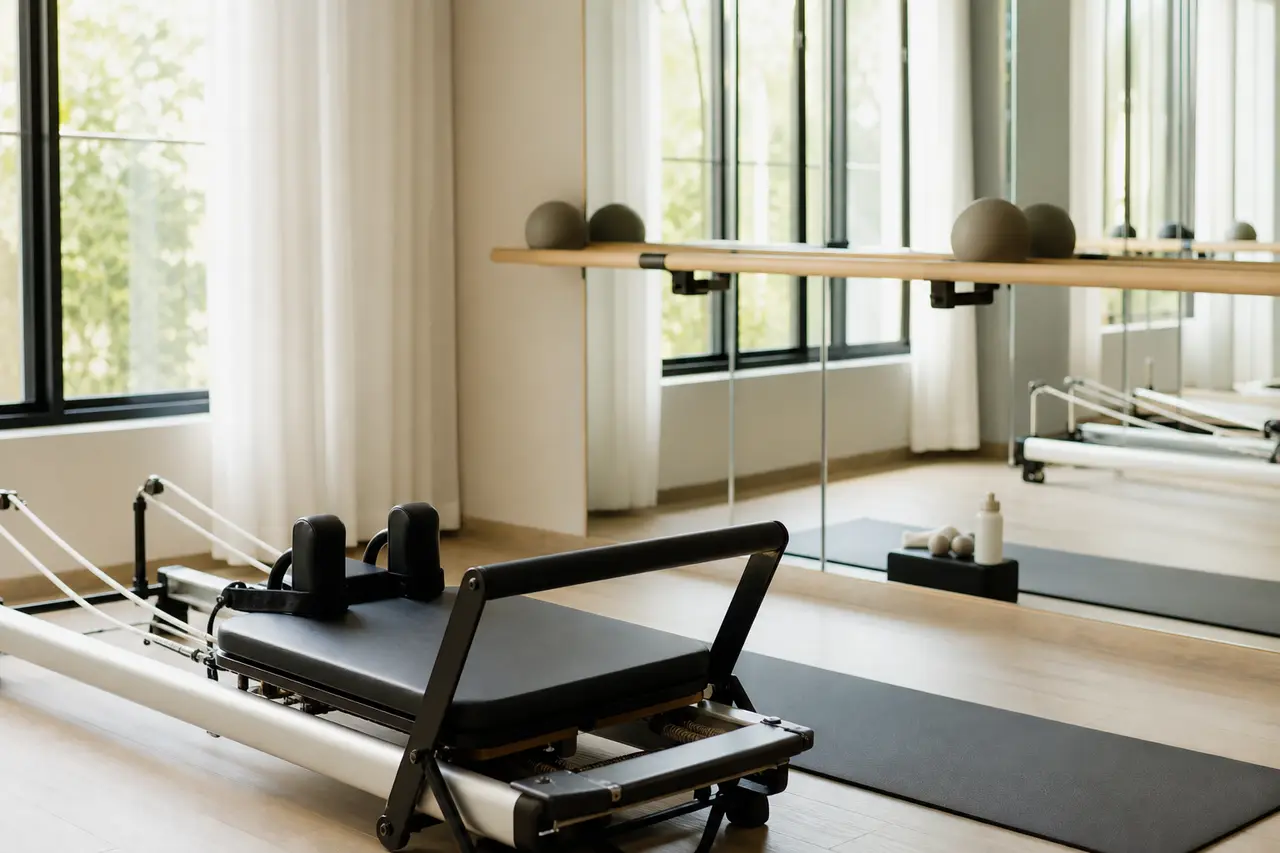
Barre vs reformer Pilates: which should you book?
Reformer Pilates uses springs on a machine, in classes of usually up to 12; barre uses bodyweight and light weights in small, high-repetition moves, in classes of up to 26. Pilates has many trials, mostly on back pain; barre has three small studies.
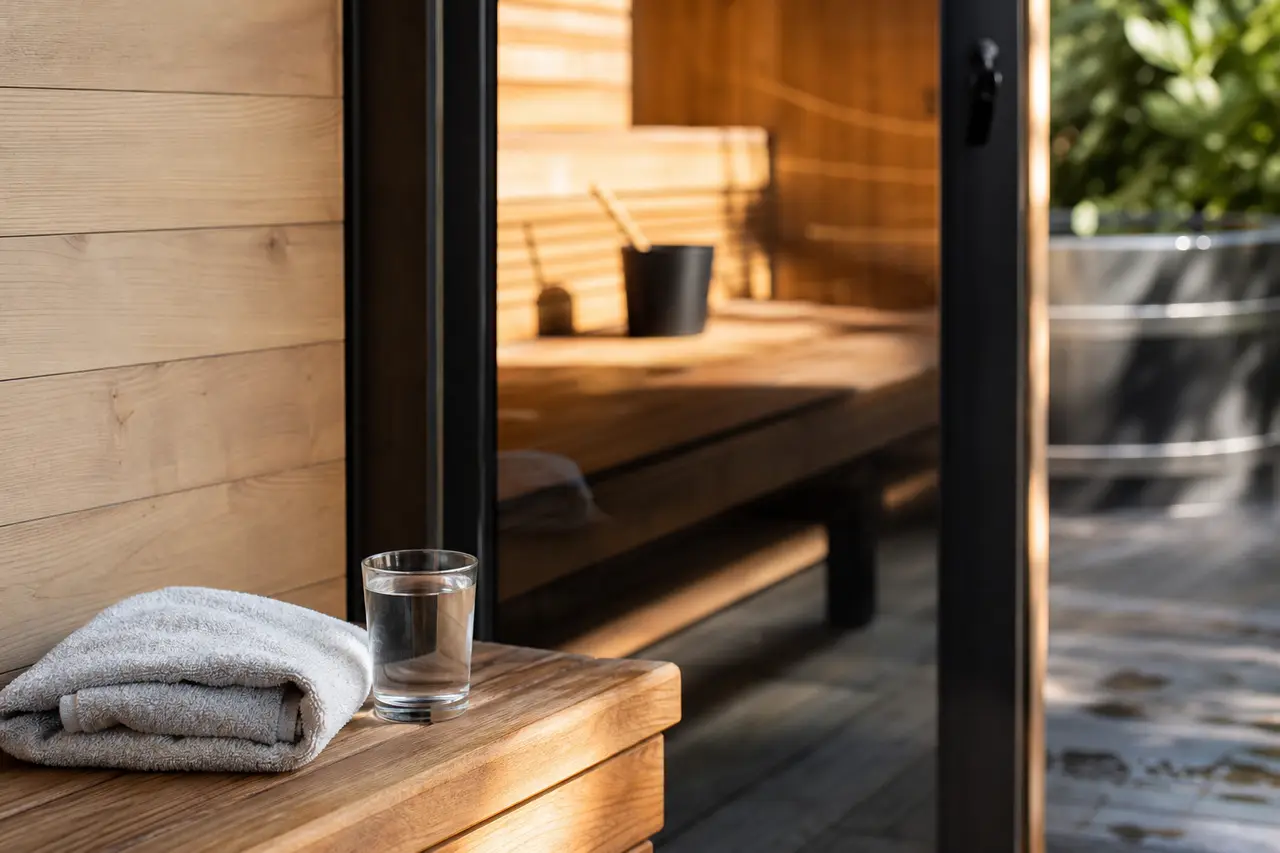
Medications, saunas and cold plunges: what interacts
Anticholinergics and some psychiatric medications reduce sweating, blood pressure drugs and diuretics amplify the drop when you stand, and several raise dehydration risk. Ask a pharmacist about your specific list before a regular heat habit.

Hotel spa vs a standalone wellness retreat: which to book?
A hotel spa keeps wellness optional and à la carte, which suits mixed-goal trips but lets the bill grow. A retreat sets a structure and usually bundles lodging, meals and classes into one price, with less flexibility.
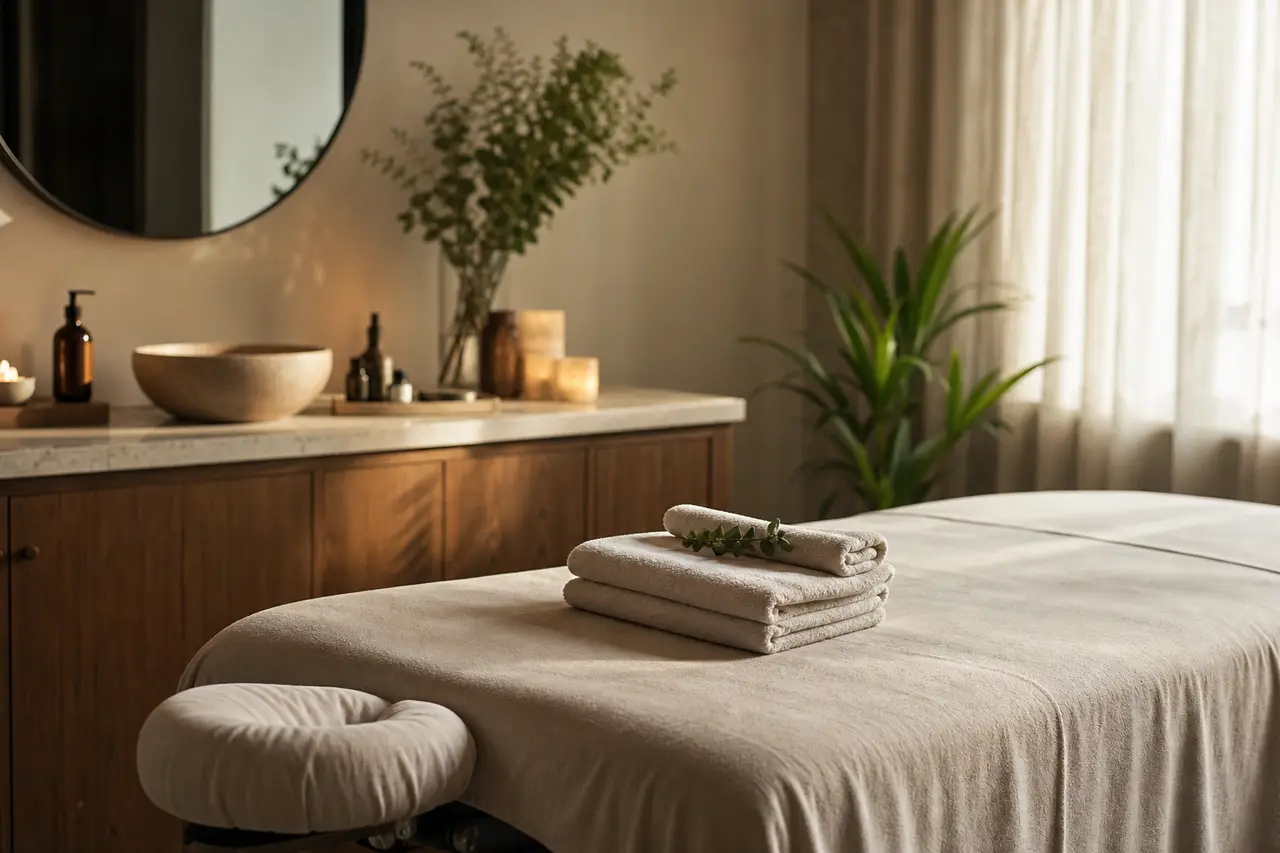
How much does a massage cost? Prices from 40 US venues (2026)
A 60-minute massage cost a median of $120 at 40 US massage studios, spas and clinics in October 2026, and half charged $100 to $140. A 90-minute massage cost $152.50, and a couples massage $200 for two.
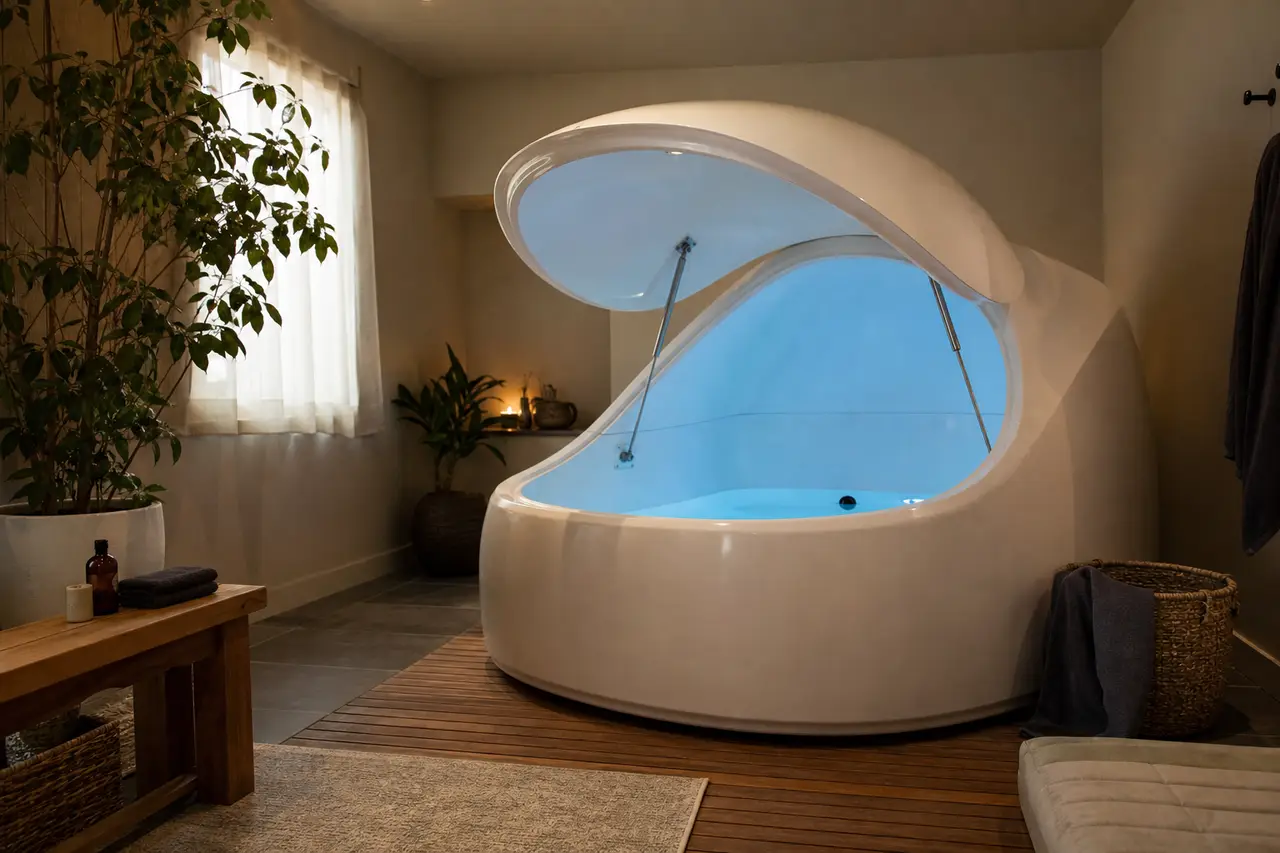
Is a home sensory deprivation tank worth it? The honest math
Entry-level pods start around $2,500 and commercial units run past $10,000, but the deciding factors are a dedicated room, roughly a tonne of salt water on your floor, and weekly maintenance. Break-even against a centre is usually years away.
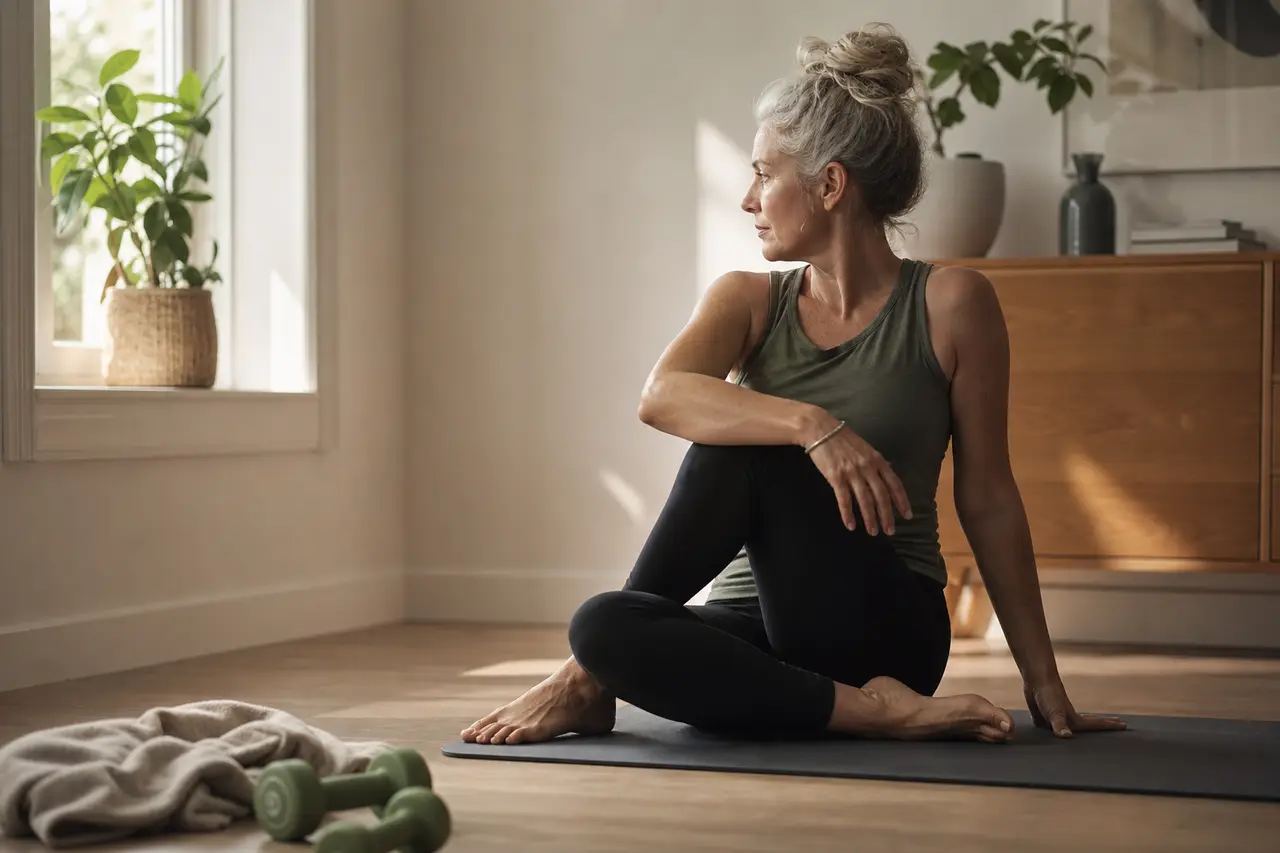
Menopause and wellness: what actually helps
CBT and clinical hypnosis have the best nonhormonal evidence for hot flushes, and strength training is the highest-value habit for bone and muscle. Saunas are a personal experiment, and most menopause supplements are not supported.
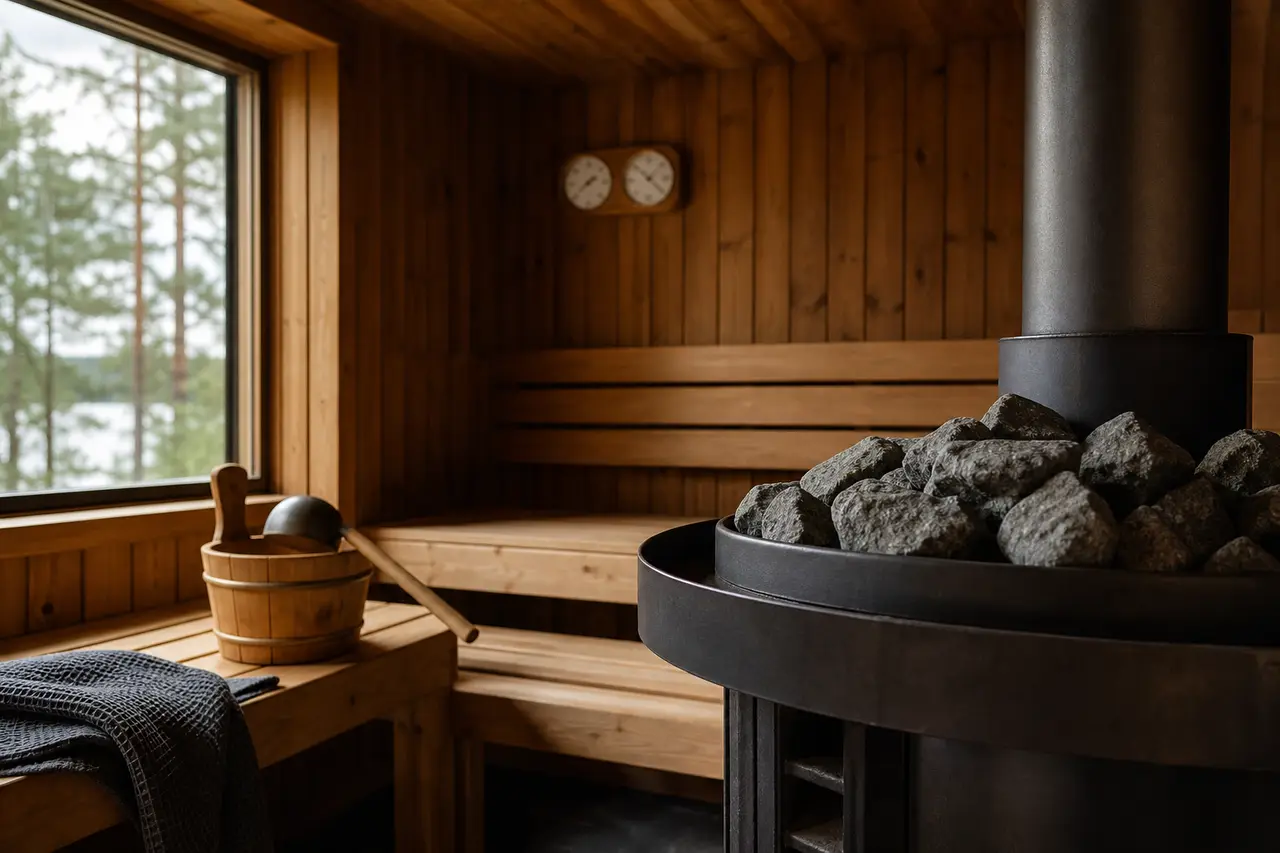
Types of sauna explained: Finnish, bio, infrared and smoke
Temperature and humidity define a heat room, but the sources disagree on both. Finnish, bio, infrared, smoke and steam rooms compared as each source prints them, what the evidence covers for each, and who should check with a clinician first.
Sensory-friendly wellness: booking a session that works
Work out which channel is the problem, then ask for the specific adjustment: no music, no scent, lights up, narration before each area, or no talking. Many of these can be changed if you ask ahead, and some practitioners say so on their own sites.
Wellness after surgery: when can you go back?
Communal water is the clearest rule: nothing shared until incisions are fully closed and cleared. Heat comes back next, and work near the scar last. Ask your surgeon about your specific incision rather than about wellness in general.
Wellness for shift workers: when to sauna, train and sleep
Anchor the routine to your sleep, not the clock on the wall. Heat belongs before your sleep block whenever that falls; cold and hard training belong at the start of your waking block, because both are alerting.
Bathhouses and spas as a trans or non-binary guest
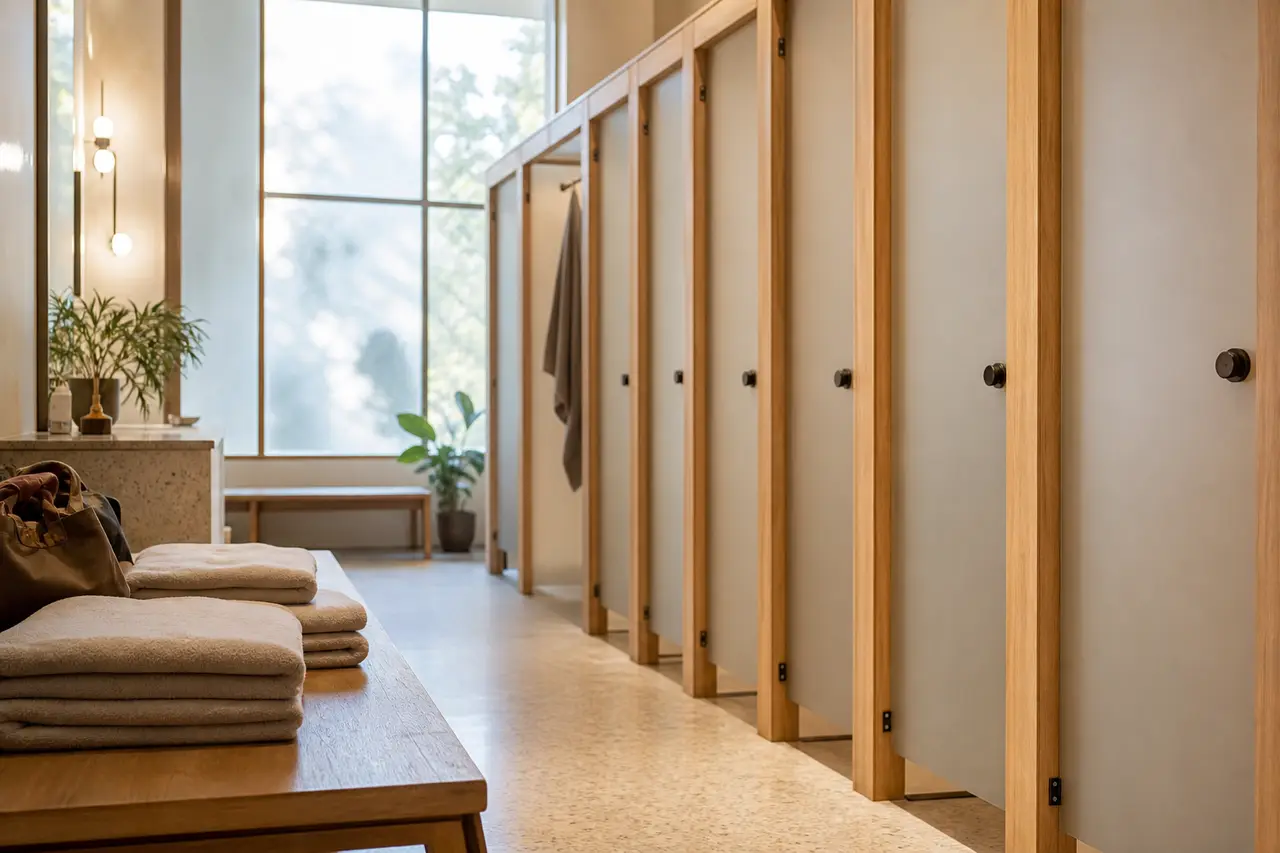
Venue format matters more than venue policy: swimwear-required spaces, private cabins and mixed-gender bathhouses avoid the question entirely. For segregated facilities, email ahead and get the answer in writing before you travel.
Sauna with chronic fatigue or long COVID: what the guidance says
Clear a sauna with the clinician who manages your ME/CFS or long COVID first. No health body we read recommends one, heat can worsen dizziness and fainting, and the trials are small. NICE's words on pacing, what each body says, and when to call 911 or 988.
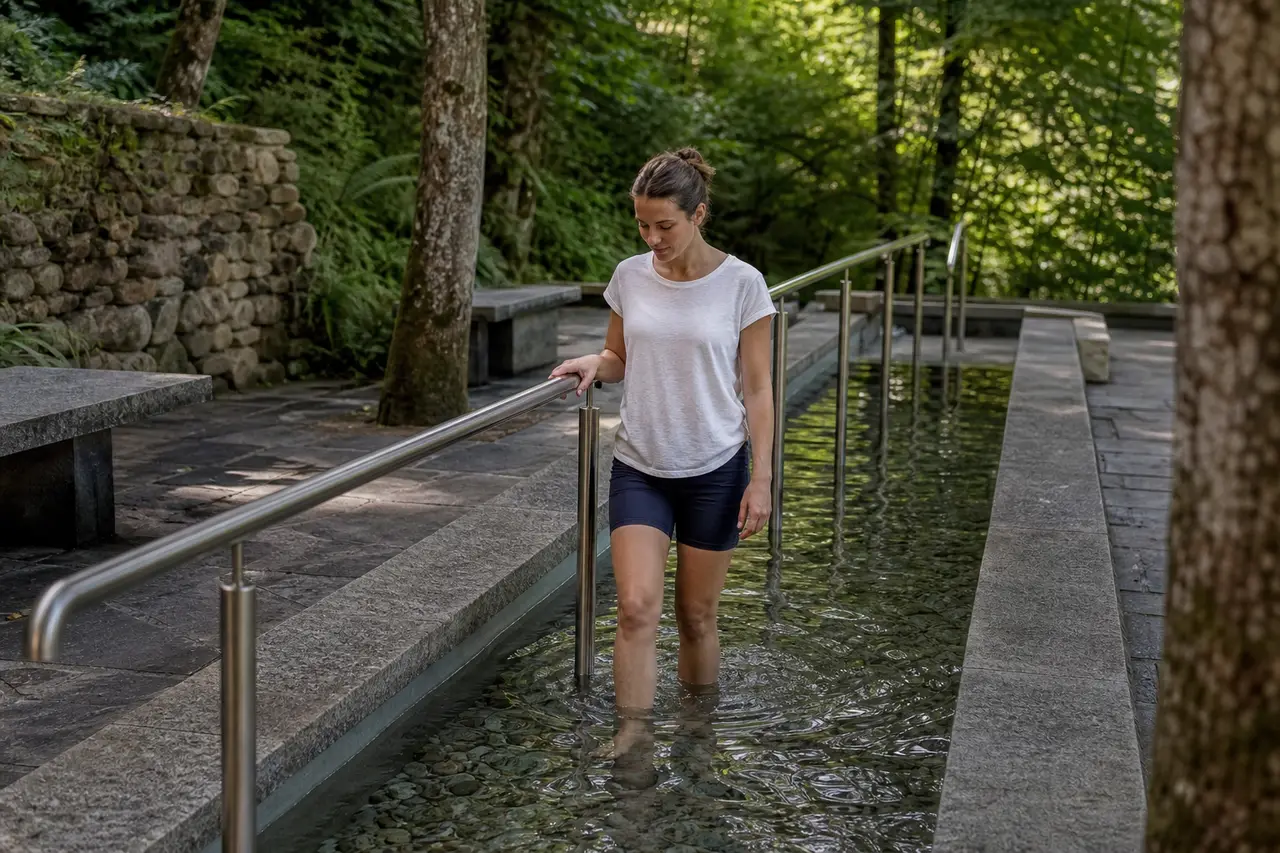
What is Kneipp therapy? Cold water treading, explained
Kneipp therapy is a structured system of brief cold water applications, most famously treading through knee-deep cold water. A systematic review of randomised trials found positive effects across several conditions from a modest evidence base.

Your studio closed and you had credit: what to do
Call your card company first. On a credit card, federal law gives you 60 days from the statement to send a written billing error notice, and Visa's rules print 120 days from the expected service date. Cancel recurring billing separately, because closure does not stop it.
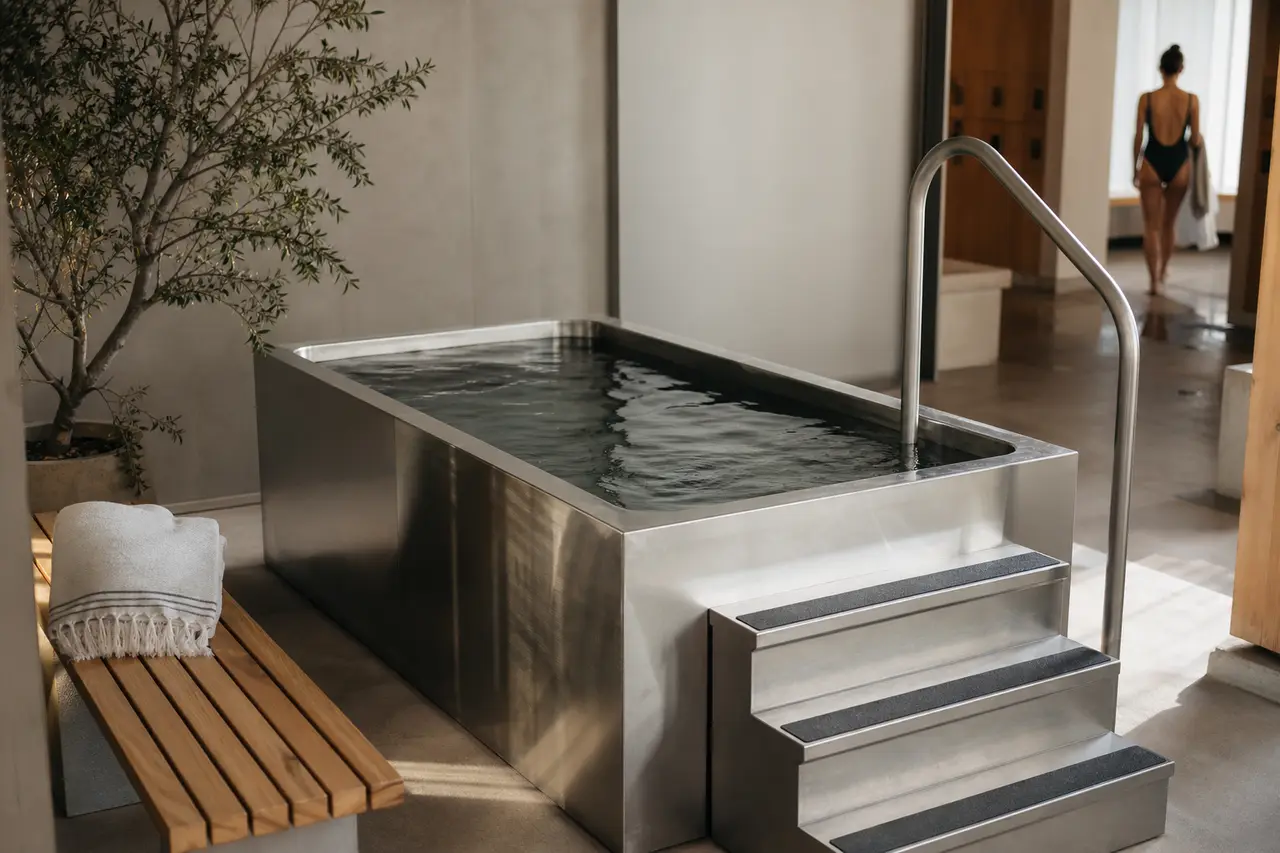
Where to find a cold plunge near you: studios, bathhouses, gyms and hot springs
Where to find a cold plunge near you: studios, bathhouses and Korean spas, gyms such as Life Time (82 of 209 club pages list one) and hot springs, with prices as printed. Cryotherapy is cold air, not water, so ask first. Who should skip it, and how to check the water.
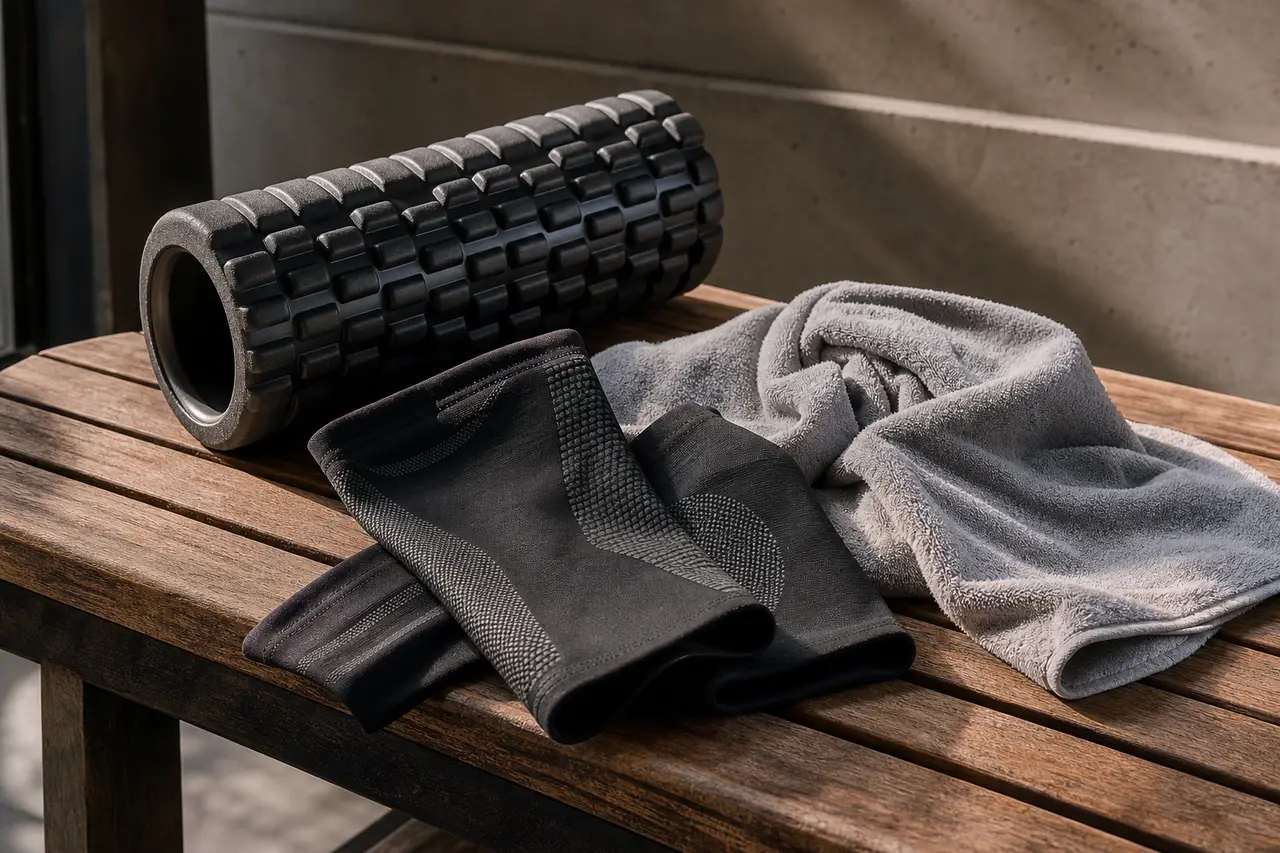
Which recovery tool for which problem: a decision guide
A meta-analysis of post-exercise recovery techniques put massage at the top for soreness and fatigue, ahead of cold water immersion, compression and stretching. Match the tool to the problem, and know when cold works against you.
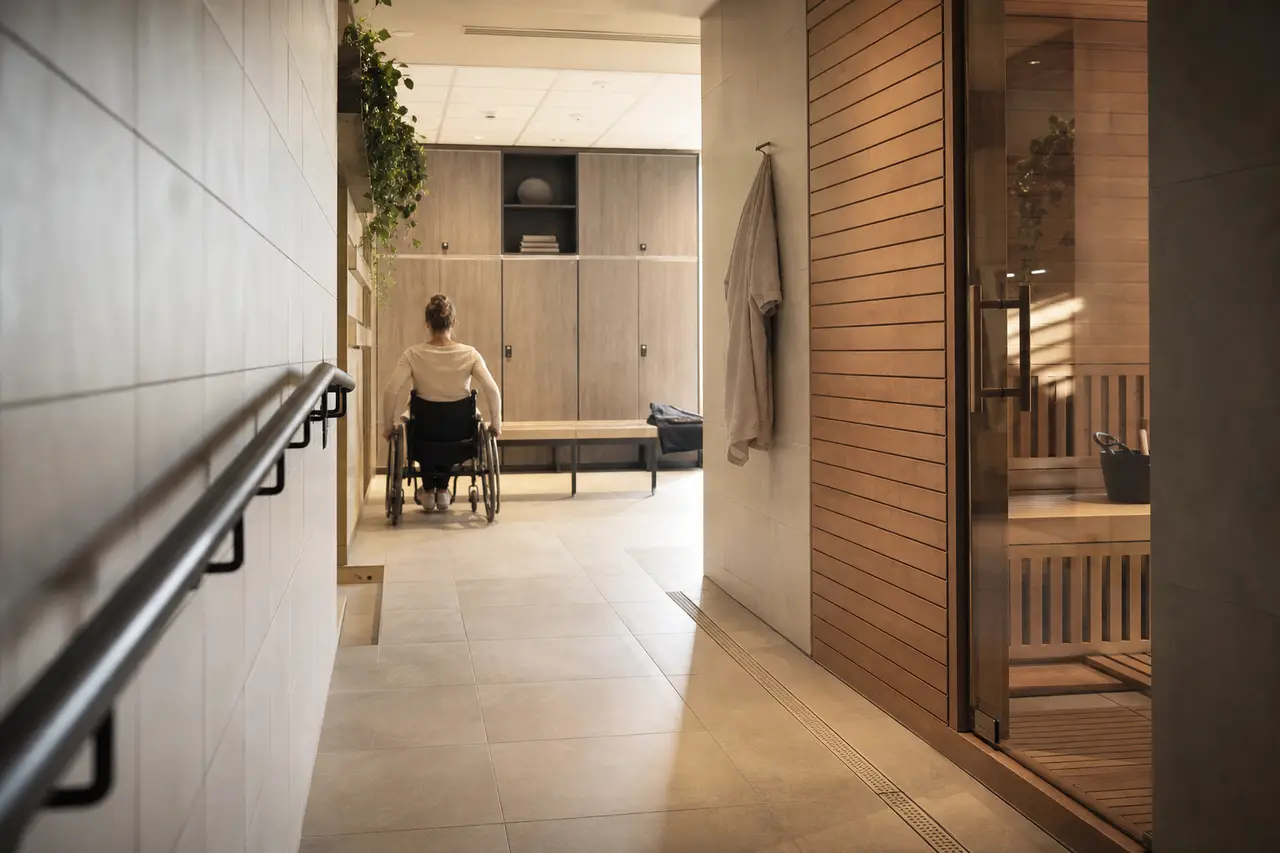
Accessible wellness: saunas and studios with a disability
A ramp at the entrance tells you almost nothing. What decides a visit is the route across wet floors, whether the plunge has steps and a rail, bench height for transfers, and whether staff can assist. Ask about the route, not the label.
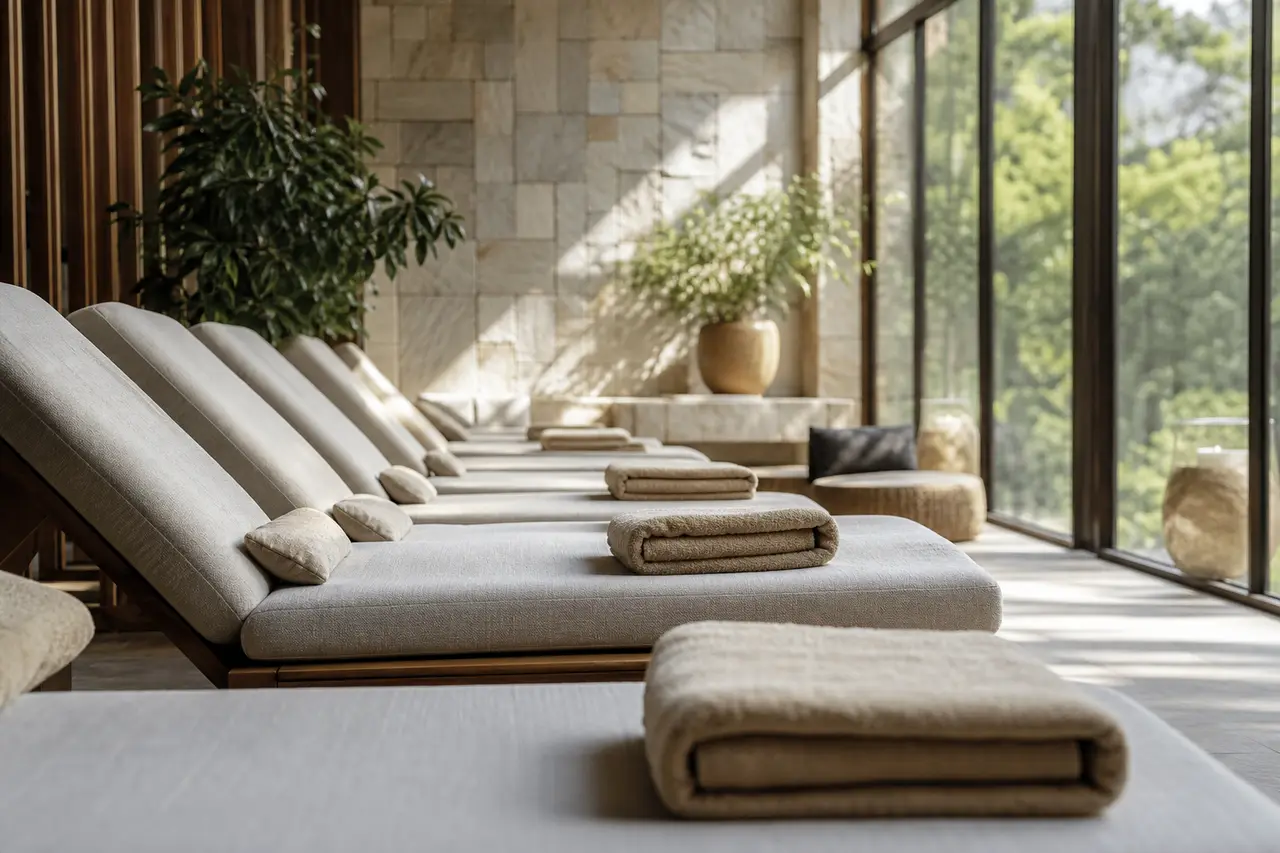
Booking a spa or bathhouse for a group: what to get right
Decide first whether the group wants a social occasion or a quiet reset, because those need different venues. Then confirm deposits, the cancellation window, whether the group can be scheduled together, and what happens if someone drops out.
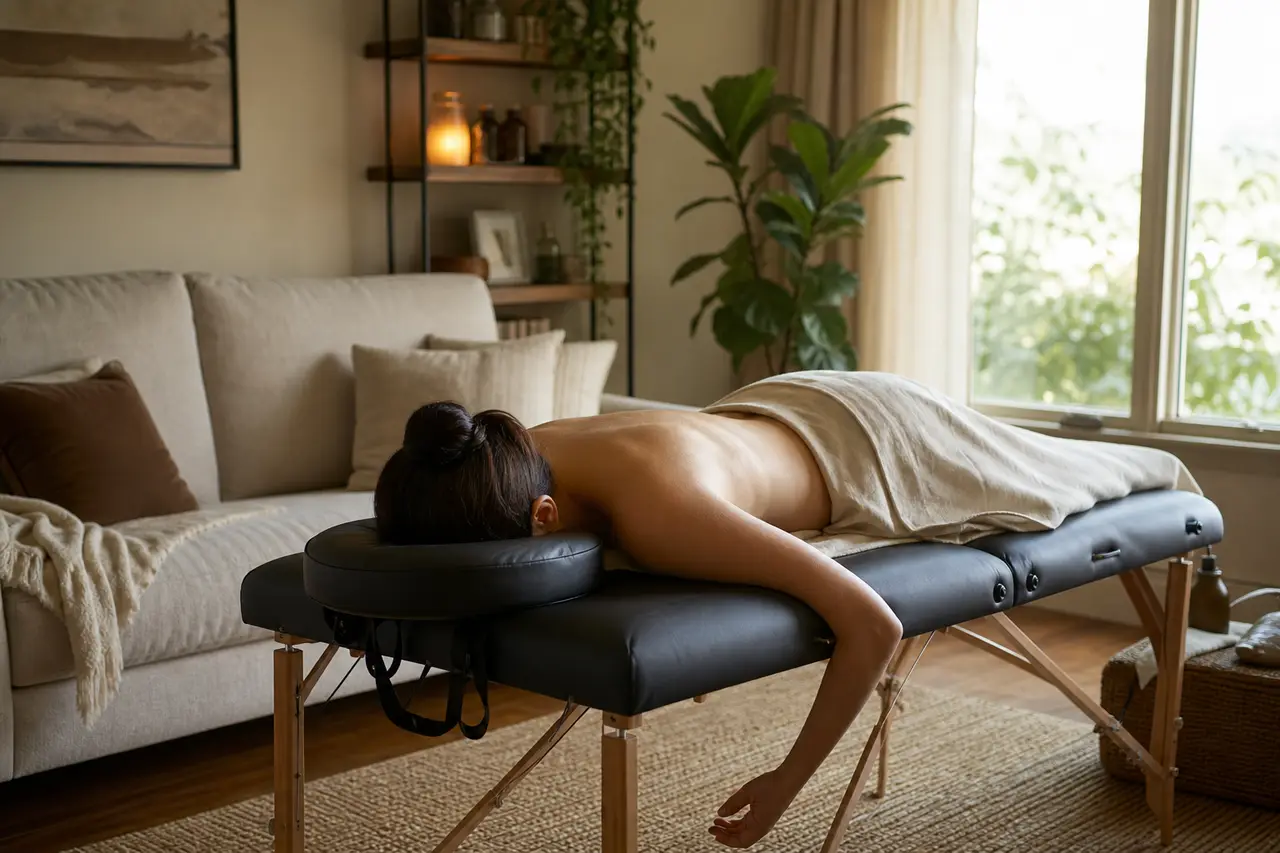
Mobile massage vs going to a studio: which is worth it?
At-home massage buys convenience and the ability to stay put afterwards, which is its real advantage. Studios buy better equipment, a controlled environment and easier vetting. Verify licensing yourself with a mobile booking.
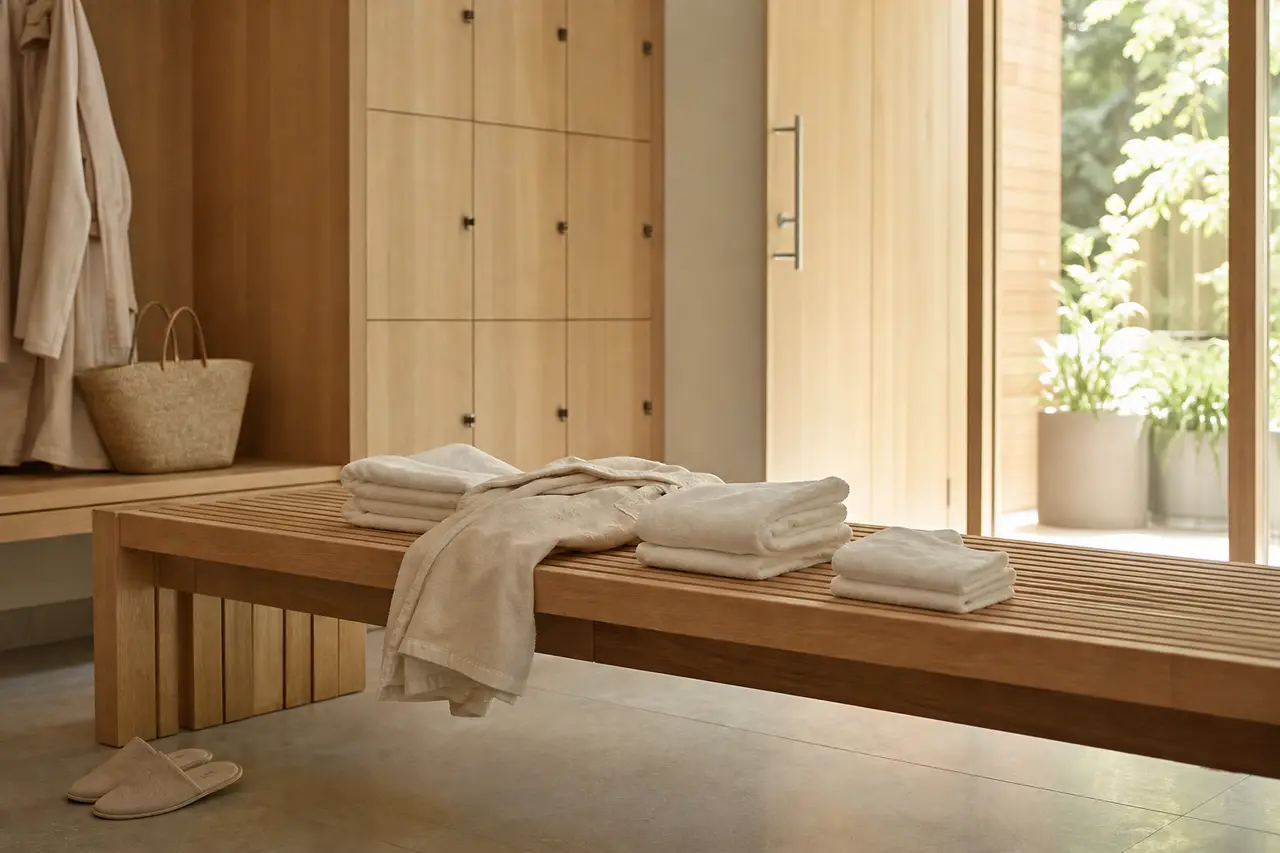
Saunas, spas and studios in a larger body: what to expect
The practical obstacles are robes, table weight limits, bench width and changing room layout, and all of them are answerable by phone before you book. Heat and cold themselves carry no size-specific rule beyond the standard cautions.
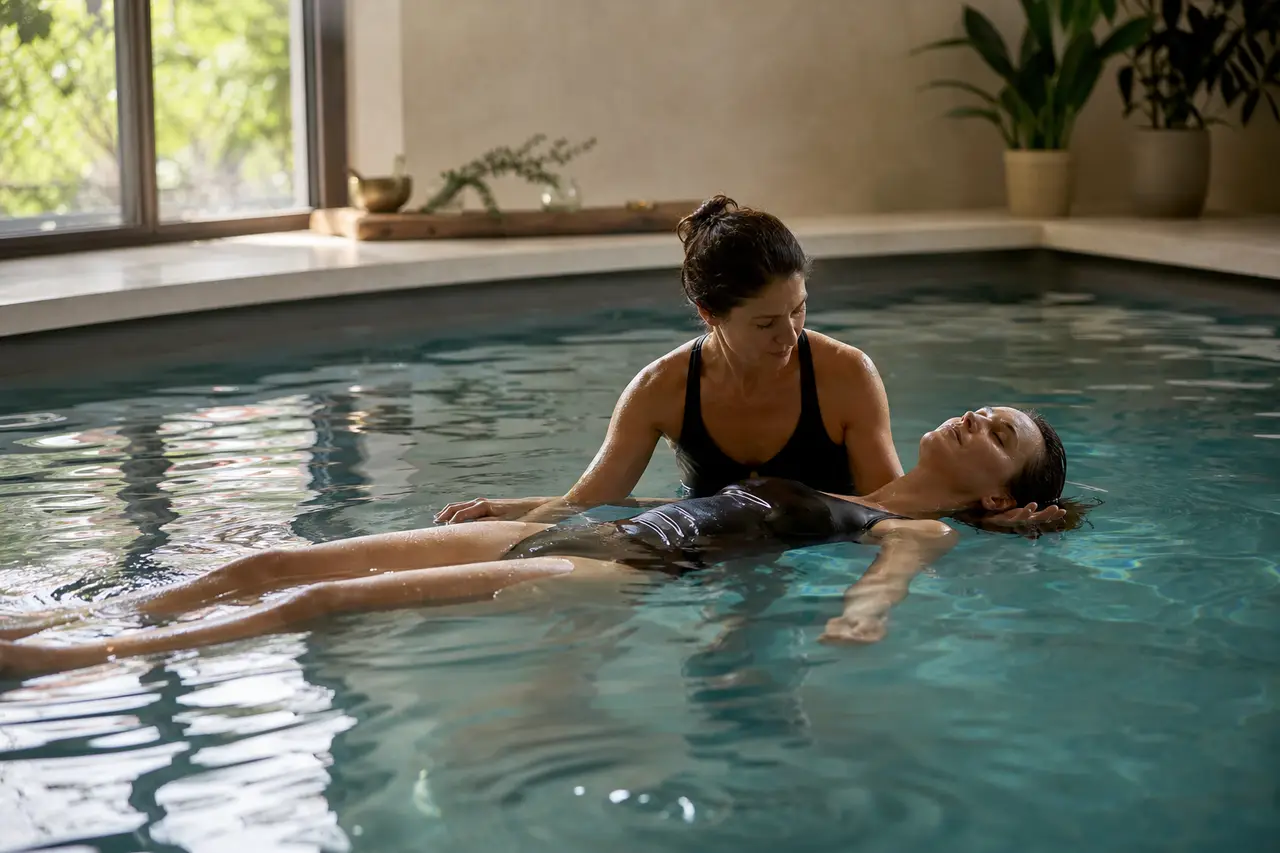
What is Watsu? Aquatic bodywork, explained honestly
Watsu is passive bodywork performed while you float in body-temperature water, supported entirely by the practitioner. A systematic review found effects on pain, mobility and wellbeing, from a small and mostly low-quality evidence base.
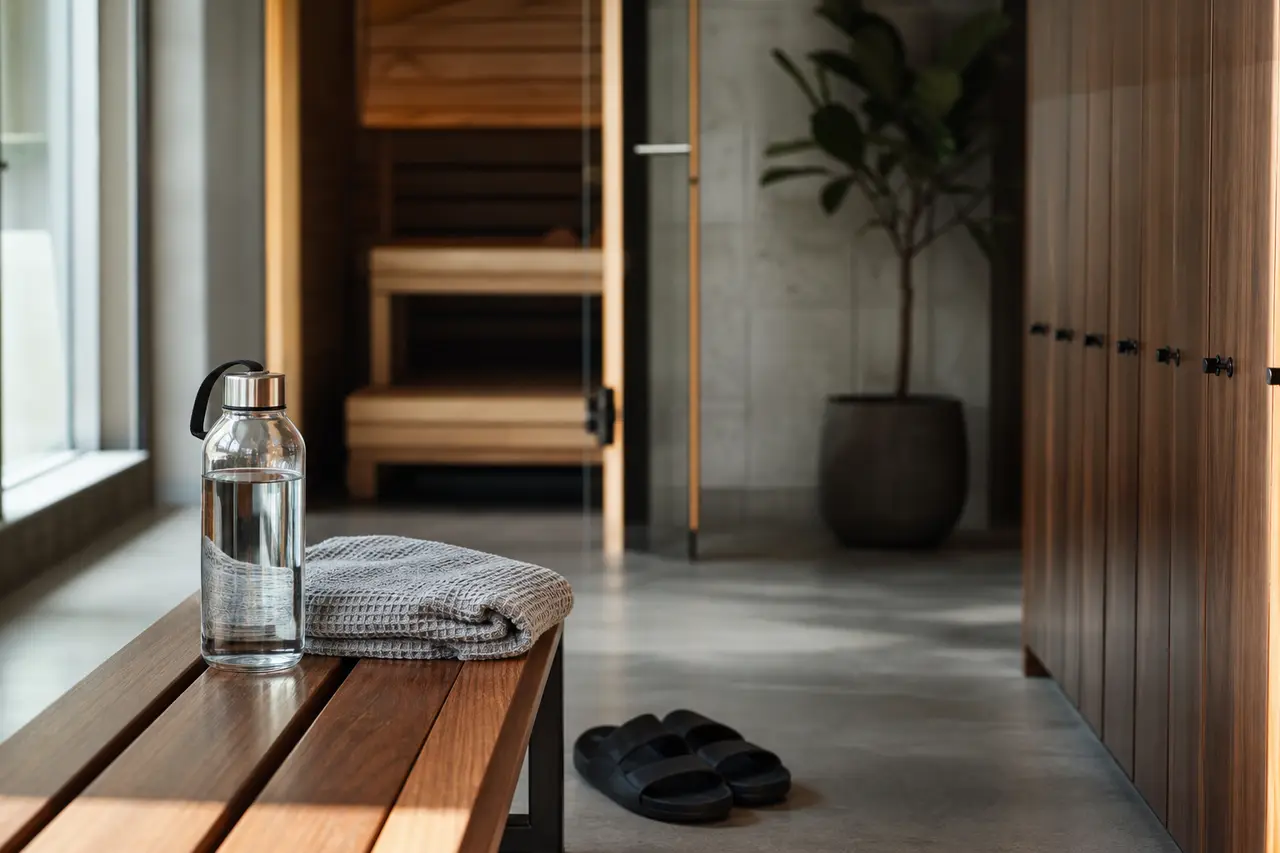
Can you use a sauna or hot tub with a new tattoo? How long to wait
How long to wait after a new tattoo before a sauna, hot tub, steam room, pool or cold plunge, from official aftercare sheets: about two weeks for scabs to go and 10 to 14 days more to heal. Plus second skin films, laser removal, fading and Japan's onsen rules.