Does it actually work? What the research supports, and what it doesn't
Wellness marketing quotes studies badly. A single small trial becomes a claim, and the claim becomes a price. These pieces go back to what was actually measured, in whom, and how far it reasonably generalises — including where the honest answer is that we don't know yet.
81 guides in this topic. For everything else, the full Journal; for the practices themselves, the explainer library.
How to use this topic
Read the piece for the practice you're considering before you read anyone's marketing about it. Where we cite a study we link it, so you can check whether the finding survives contact with the paper.
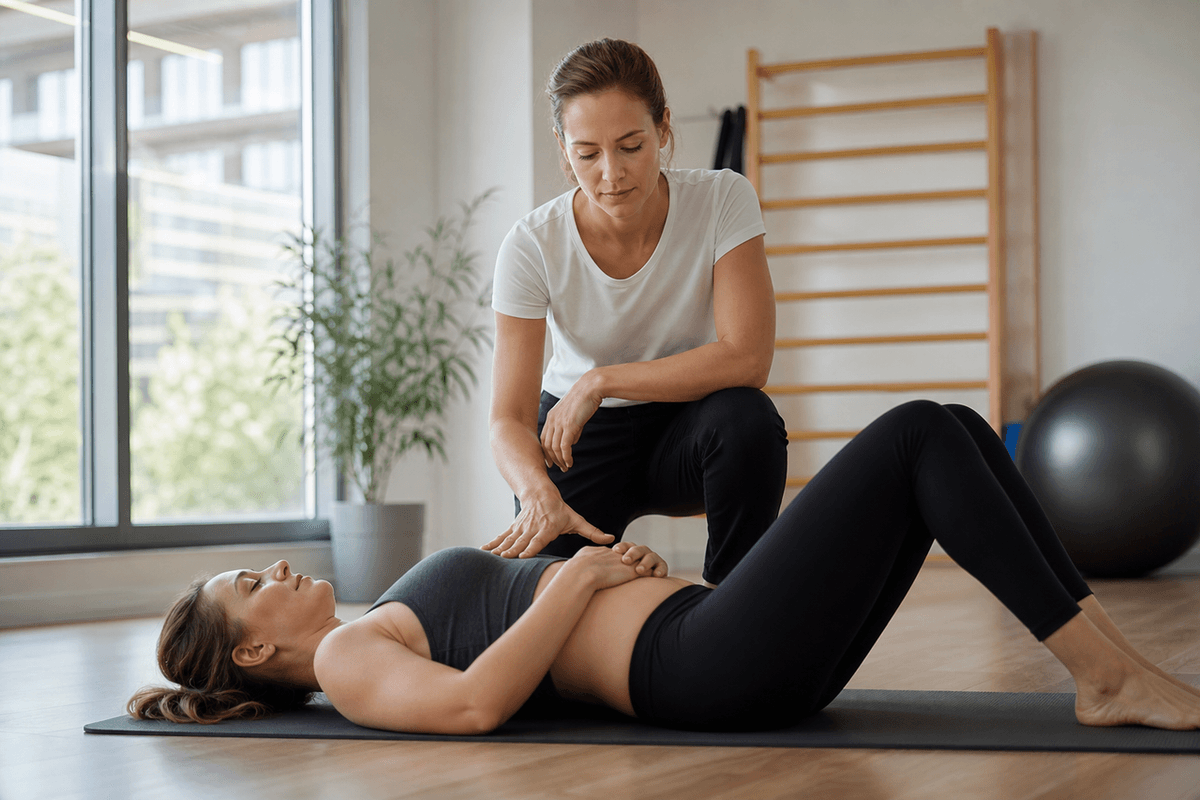
Diastasis recti: what actually helps, and the crunch ban a trial overturned
Diastasis recti is a widening of the midline between the abdominal muscles, near universal in late pregnancy and common a year on. It is not a tear or a hernia. What helps is progressive trunk loading with a pelvic health physio, and a trial found curl-ups did not widen the gap.
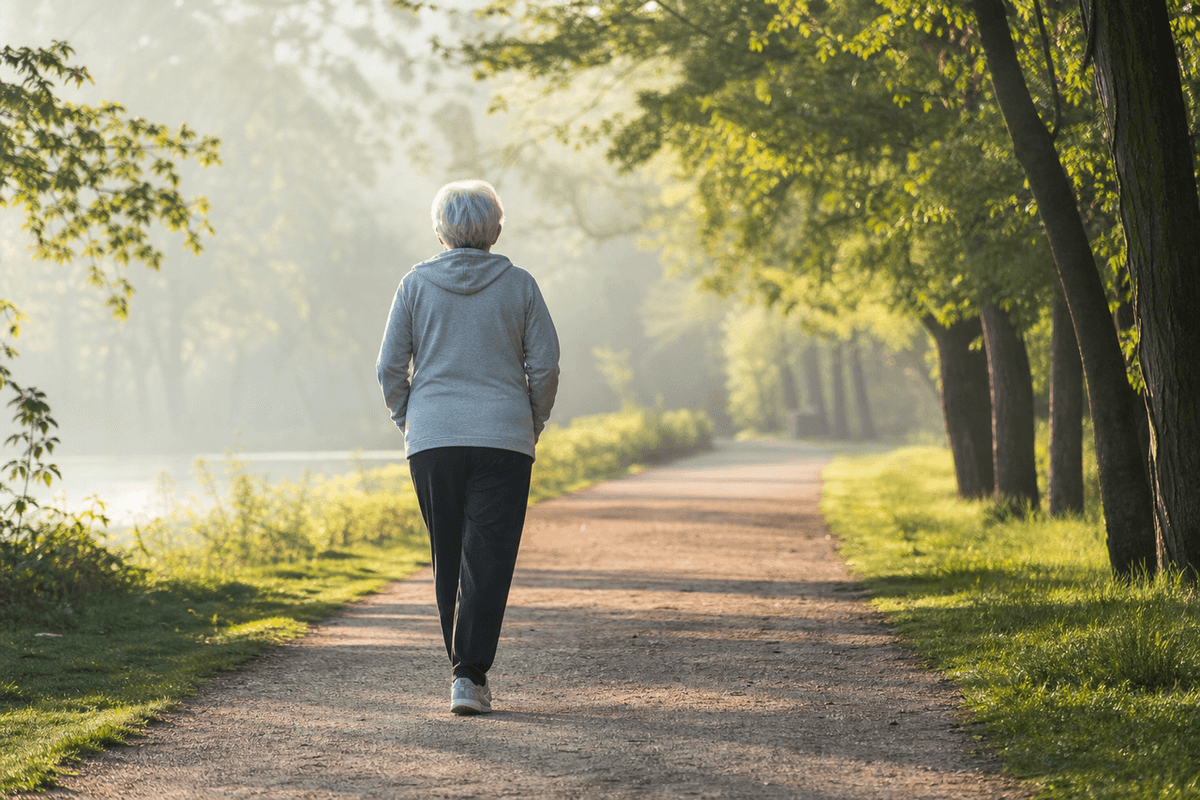
Osteoarthritis: what actually helps, and where wellness fits
Exercise is the first-line treatment for osteoarthritis in every major guideline, alongside education and, where relevant, weight management. Heat, hot water and massage ease stiffness and comfort without changing the joint. Nothing sold as joint repair comes close.
Bursitis: what it is and what actually helps
Reducing the specific load that keeps irritating the area, then building strength back gradually, is the mainstream route for the shoulder and hip presentations. Massage and heat ease guarding and comfort. A hot, red, swollen bursa is a different problem and needs prompt care.
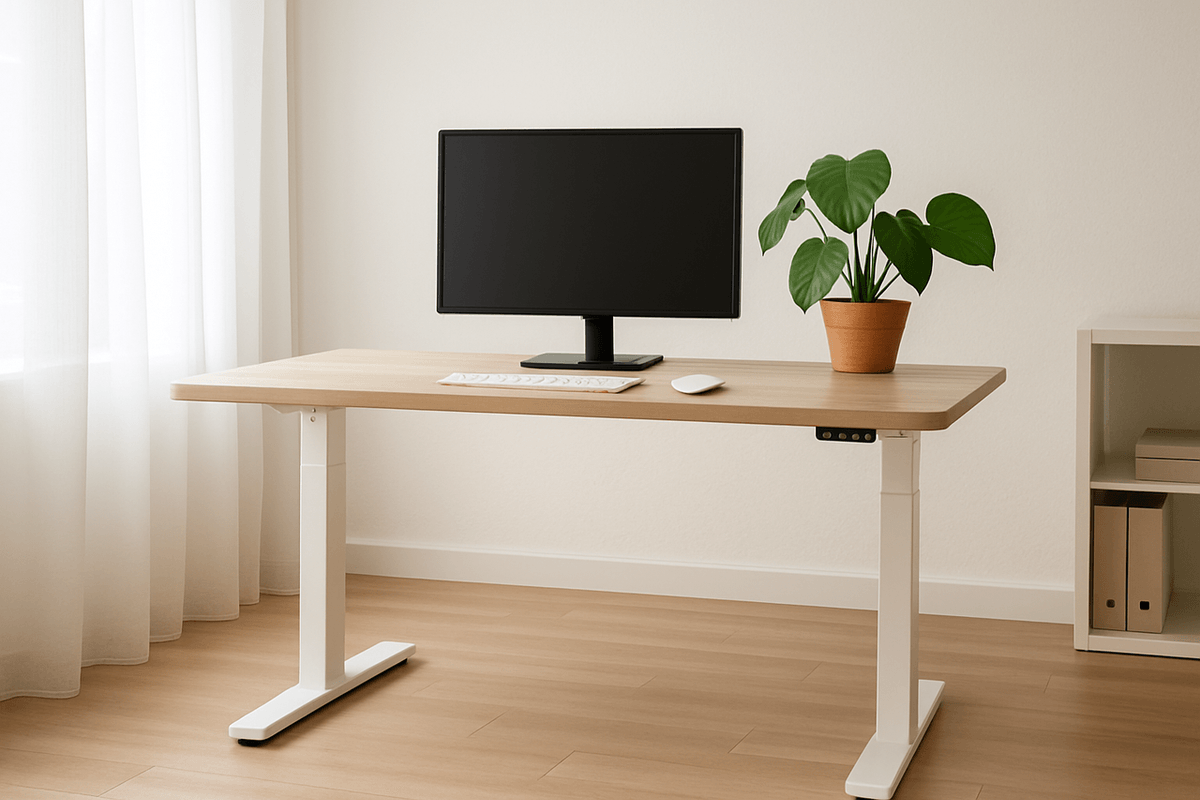
Do standing desks actually work? The honest answer
Prolonged uninterrupted sitting is linked to worse outcomes. It does not follow that standing is the fix. The real benefit of a sit-stand desk is that it makes changing position easy, and someone who stands rigidly all day has swapped one static posture for another.

Knee pain: what actually helps
Front-of-knee pain, the IT band pattern and osteoarthritis feel different and need different handling. For most non-traumatic knee pain, movement and loading beat rest. Massage, heat and cold change how the knee feels, which is worth having and is not the fix.
Lower back pain: what actually helps
Most low back pain is non-specific, meaning no one structure can be blamed, and most episodes improve substantially within weeks. Staying active beats resting, massage and heat buy real comfort without fixing the cause, and a handful of symptoms need a clinician the same week.
Jaw pain, TMJ and teeth grinding: what helps
Most jaw pain is muscular rather than structural. Massage of the jaw, temple and neck muscles can ease that half, and stress and sleep are real contributors. Grinding is dentist territory, and locking or a changed bite needs a clinician.
Shoulder pain and the rotator cuff: what helps
Cuff-related pain, frozen shoulder and referred neck pain are three different problems that all present as a sore shoulder. Exercise-based rehabilitation is the mainstream route for most cuff pain. Massage and heat ease guarding, which is worth having and is not repair.
Shin splints, IT band and Achilles: what helps
Shin splints, IT band syndrome and Achilles tendinopathy are overwhelmingly load-management problems. Massage, heat, cold and rolling change how the leg feels, which is worth having. The training change and progressive loading are what actually resolve them.

Tennis elbow and golfer's elbow explained
Tennis elbow is on the outside, golfer's elbow on the inside, and most people with either have never played the sport. They are tendon problems driven by load, which is why rest and anti-inflammatory thinking tend to disappoint.
Carpal tunnel: what actually helps
Carpal tunnel syndrome is median nerve compression at the wrist, and its signature is numbness in the thumb, index, middle and half the ring finger, worse at night. Aching forearms from typing are usually something else, and treating them as carpal tunnel goes nowhere.
Do blue light glasses work? Eye strain vs sleep
Two claims, two answers. For digital eye strain, blue-filtering lenses have generally not beaten clear lenses in trials, because blue light is not the cause. For sleep, the light mechanism is real but the lenses do less than dimming the room.
Do TENS units actually work? The honest answer
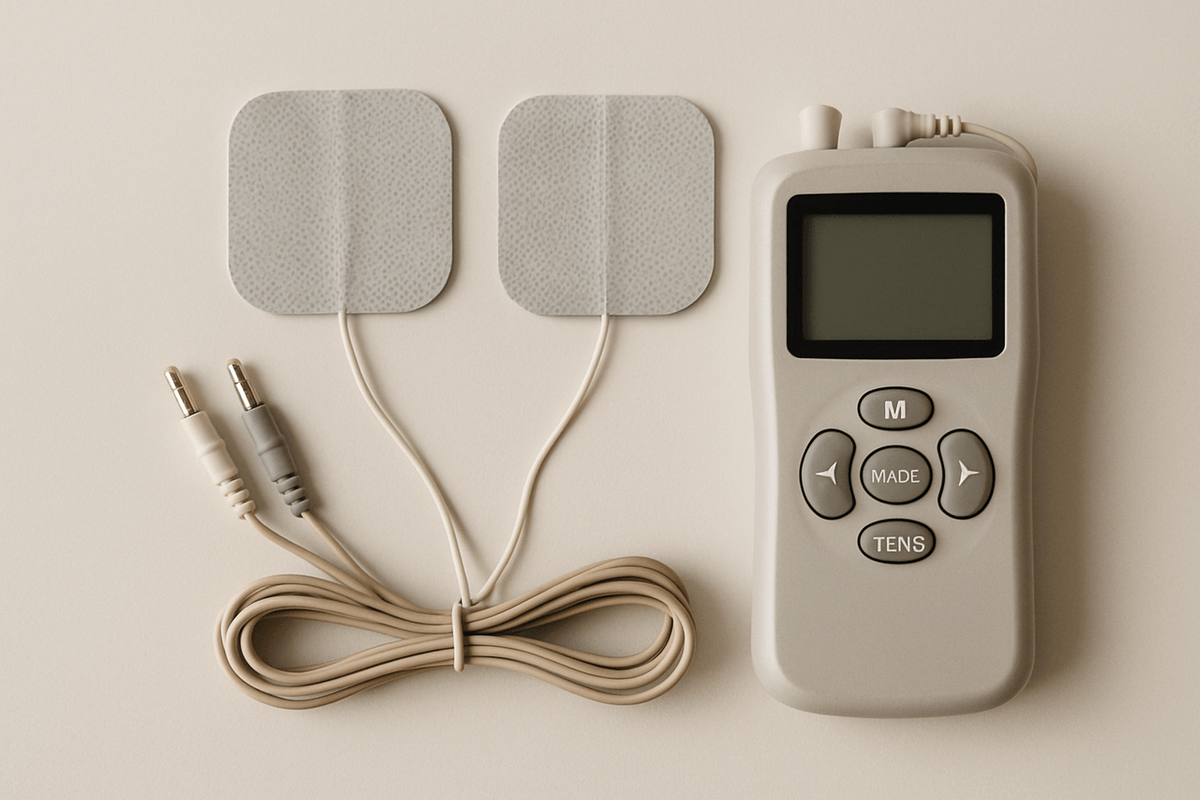
TENS is a genuine clinical modality, not a wellness fad. It can reduce pain while it is running and for a period afterwards, but the relief is symptomatic, the effect size is contested, and it does not heal anything.
Plantar fasciitis: what actually helps
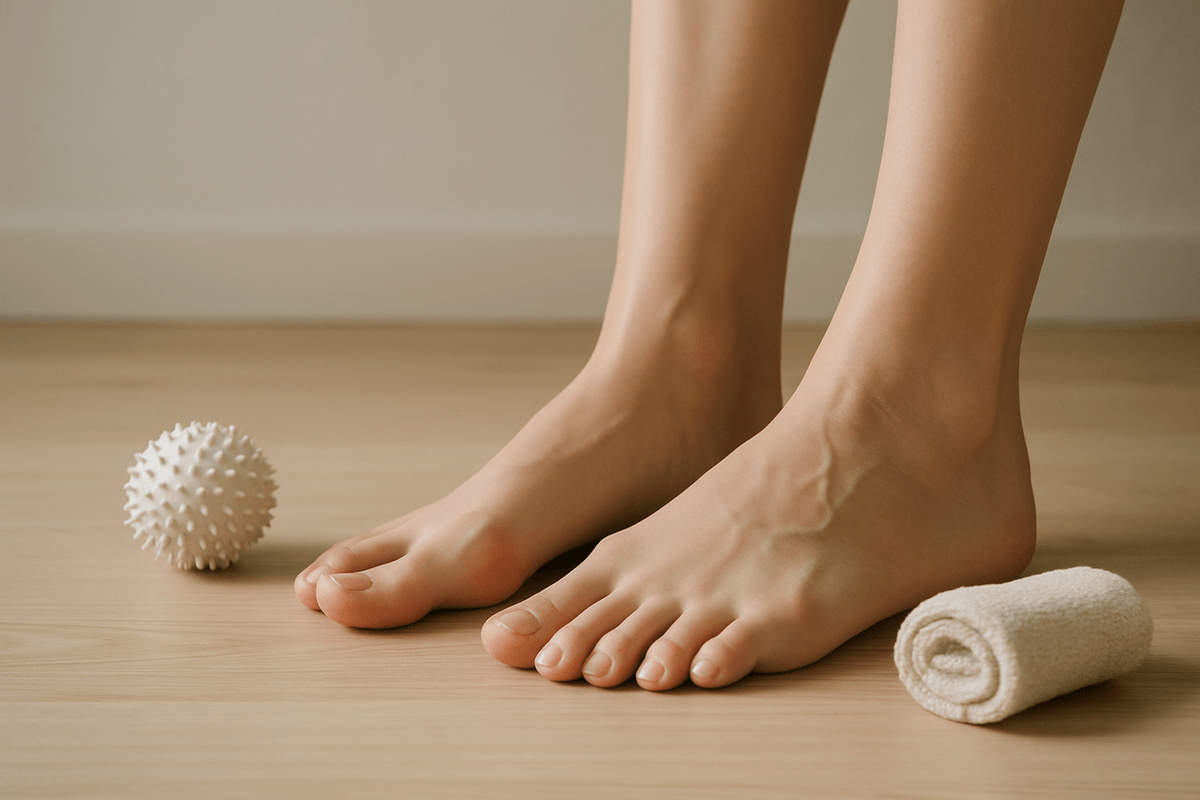
Calf and plantar stretching, gradually loading the tissue rather than resting it, sensible footwear and time are what the evidence supports. Massage and rolling the sole help how the foot feels, which is worth having and is not the thing that resolves it.
Sciatica: what wellness can and cannot do
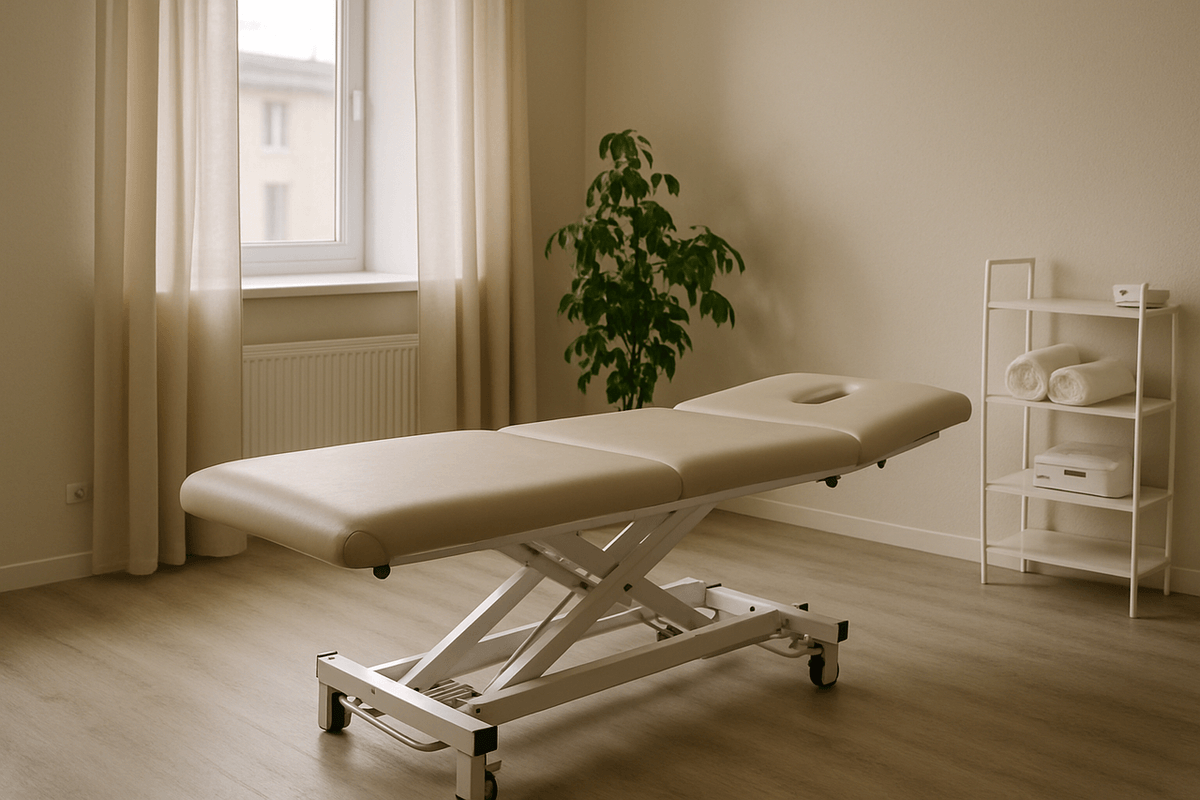
Sciatica describes pain traveling down the leg from an irritated nerve root, and it is a symptom rather than a diagnosis. Massage, heat, and gentle movement can make it more bearable without touching the cause, and some popular stretching advice reliably makes it worse.
What actually helps you sleep: an honest ranking
A consistent wake time, morning daylight and a dark cool bedroom outperform everything sold for sleep. The evening bath or sauna is the one wellness practice with a genuinely good rationale. Massage and weighted blankets sit lower, and persistent insomnia needs a clinician.
Do acupressure mats actually work? The honest answer
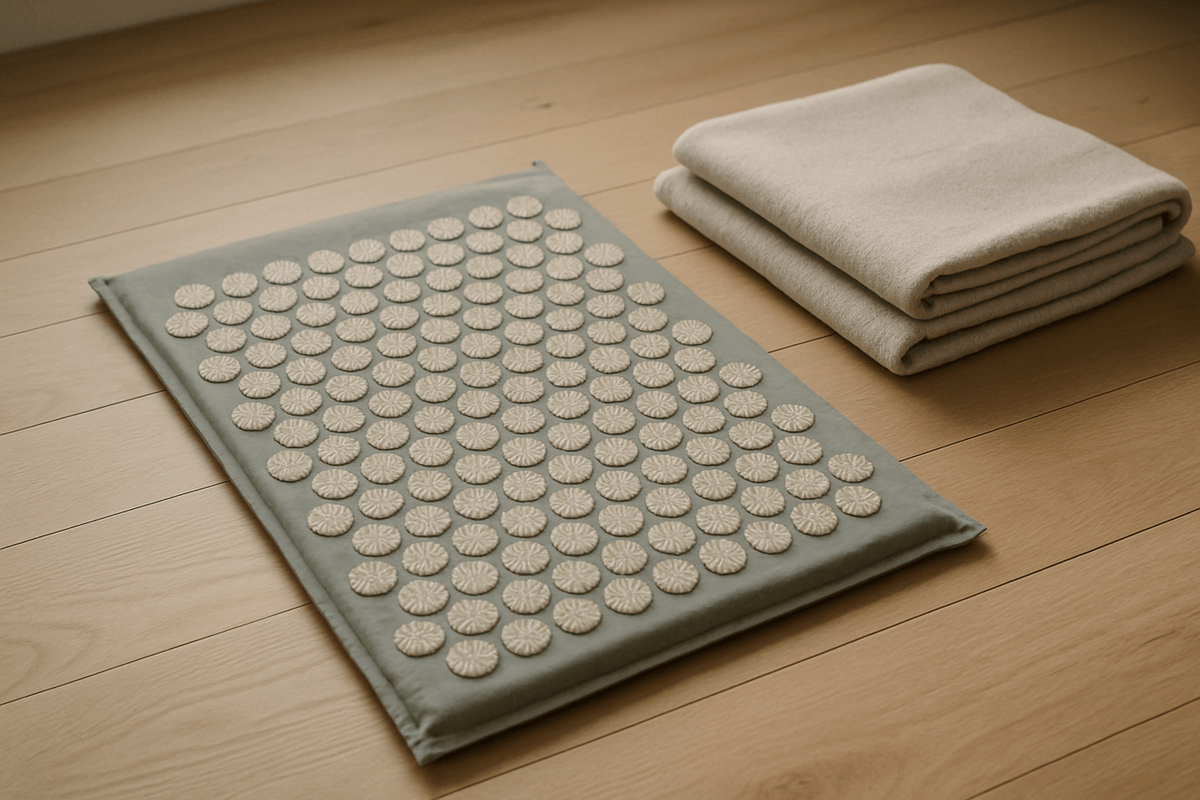
Acupressure mats reliably deliver a strong sensory experience that ends in relaxation. The trials on back pain and sleep are few, small, and nearly impossible to blind. It is a legitimate relaxation tool with a fanciful explanation attached.

Do posture correctors work? An honest answer
A posture corrector can remind you to change position. It cannot retrain your alignment, because a strap doing the work is the opposite of muscles learning to do it. The bigger problem is the premise: one correct posture that you must hold.
Mouth taping: is it safe, and does it work?
The honest answer runs safety first: mouth taping has thin, low quality evidence behind it, and taping the mouth of someone with undiagnosed sleep apnea can both worsen the night and hide the symptom that would have led to a diagnosis.
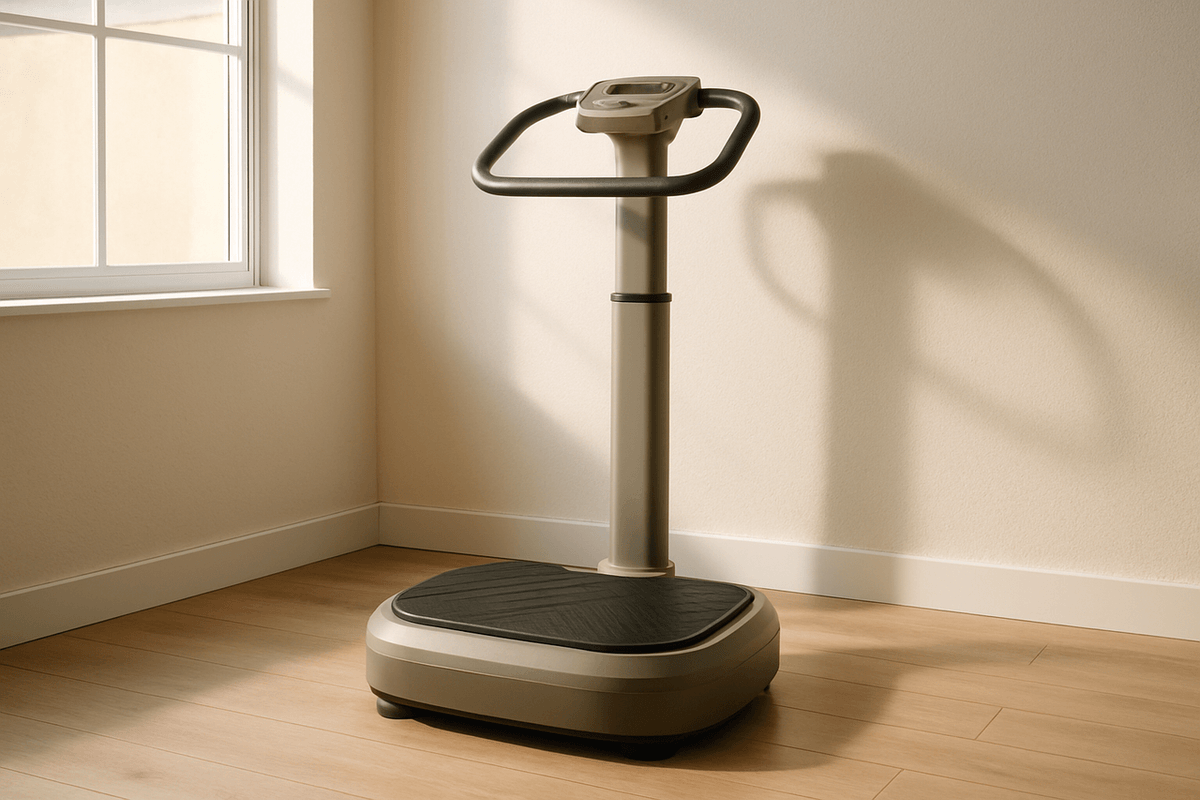
Do vibration plates actually work? The honest answer
Whole body vibration has a narrow real evidence base: balance and mobility in older adults, mixed research on bone density, a short-term circulation effect. Fat loss, gym equivalence, detox and cellulite claims are marketing ahead of the science.
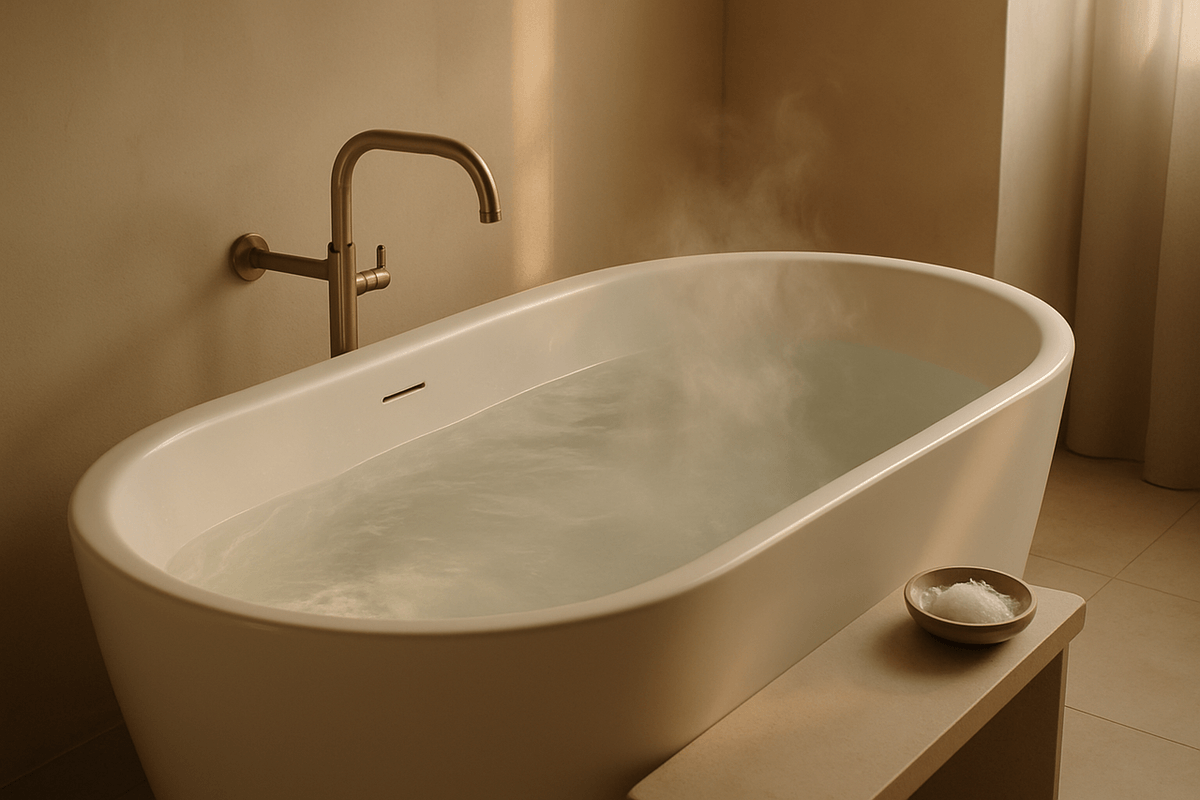
Does an Epsom salt bath do anything?
The bath works and the salt probably is not why. Warm water immersion reliably eases muscle tension and helps you sleep. Magnesium absorption through skin rests on thin evidence, and the detox claims on none.
Medications, saunas and cold plunges: what interacts
Anticholinergics and some psychiatric medications reduce sweating, blood pressure drugs and diuretics amplify the drop when you stand, and several raise dehydration risk. Ask a pharmacist about your specific list before a regular heat habit.
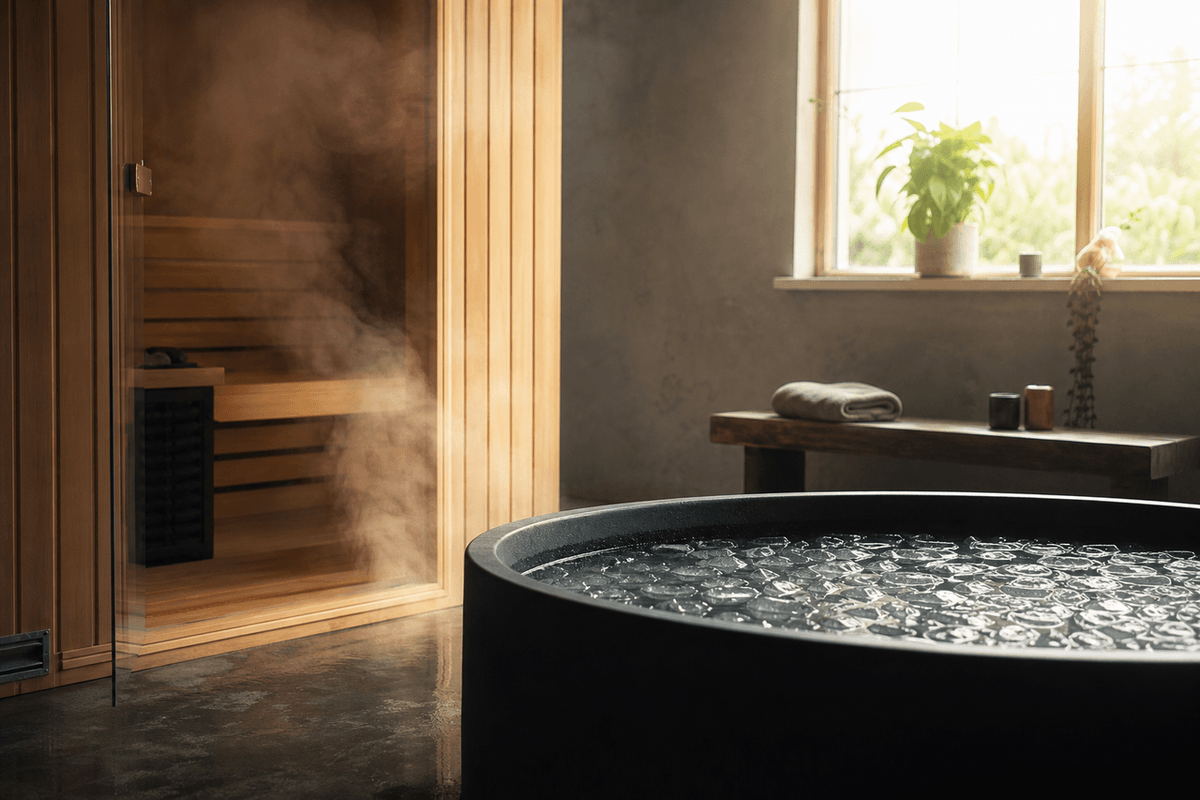
Does a sauna or cold plunge lower cortisol?
Heat and cold are physiological stressors and both raise cortisol acutely rather than lowering it. That is normal and not harmful, and cortisol is a poor way to judge whether a wellness habit is doing you good.

The vagus nerve: what's actually real, and what isn't
The vagus nerve and heart rate variability are real and well studied. What is not established is that humming, gargling, or a cold plunge durably 'tone' it, or that doing so treats the conditions marketing attaches to it.
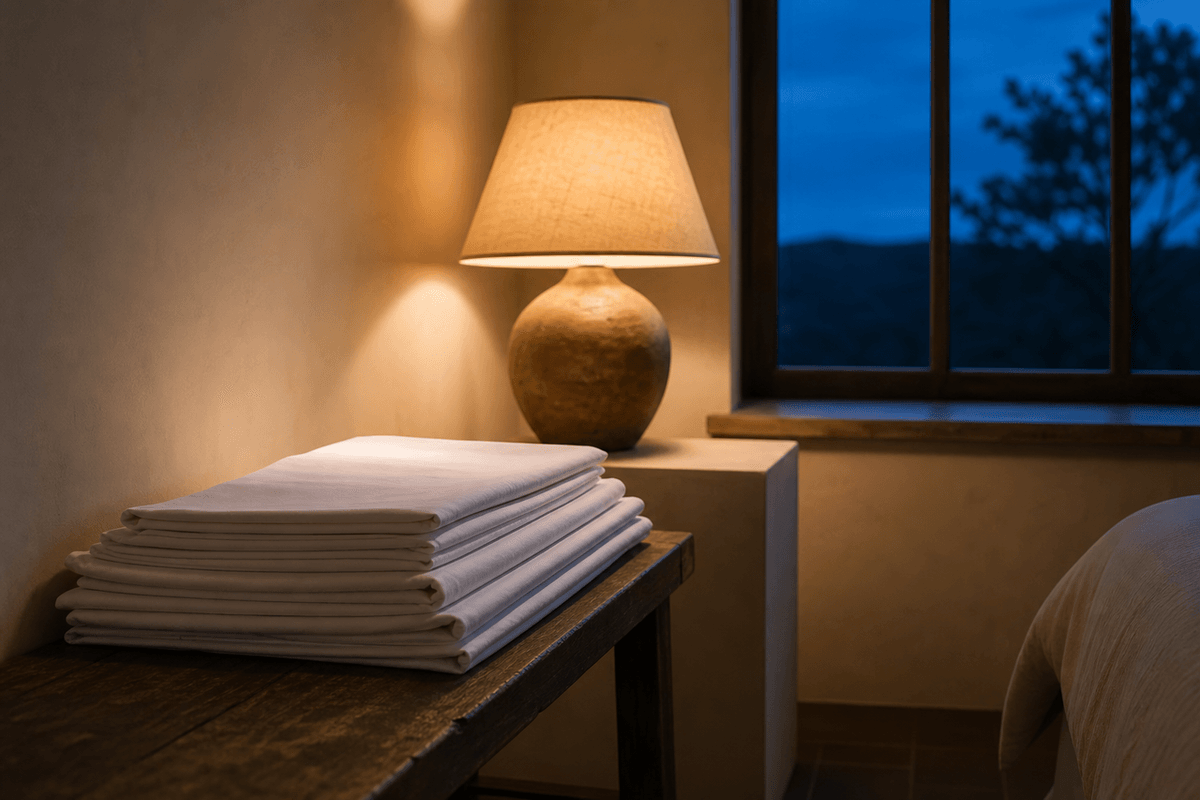
Does massage help you sleep? What the evidence supports
Meta-analysis found massage improved sleep quality in critically ill patients, where stress and disruption are extreme. Evidence in ordinary insomnia is much thinner, and massage is best treated as a stress lever rather than a sleep treatment.
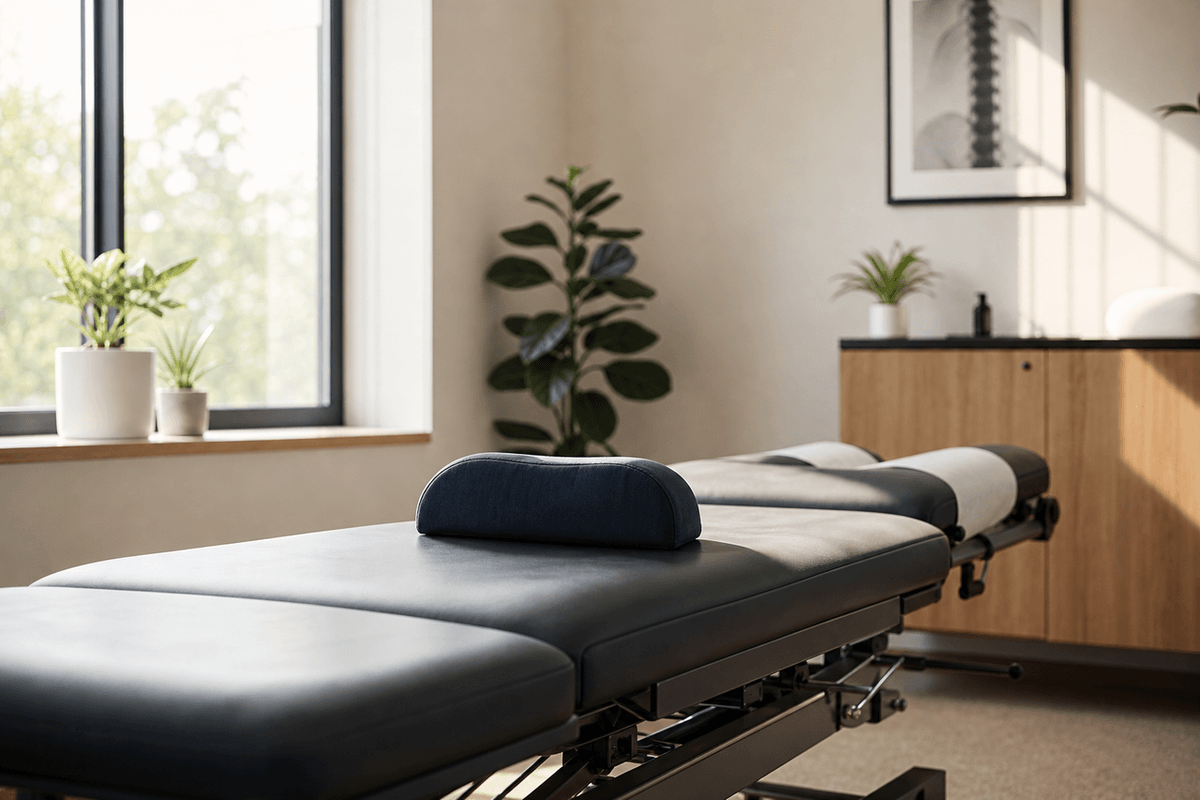
Is neck manipulation safe? What the stroke evidence says
The largest study found stroke was equally associated with visiting a family doctor as with visiting a chiropractor, suggesting people were already having a dissection and sought care for the neck pain it caused. The events are very rare either way.
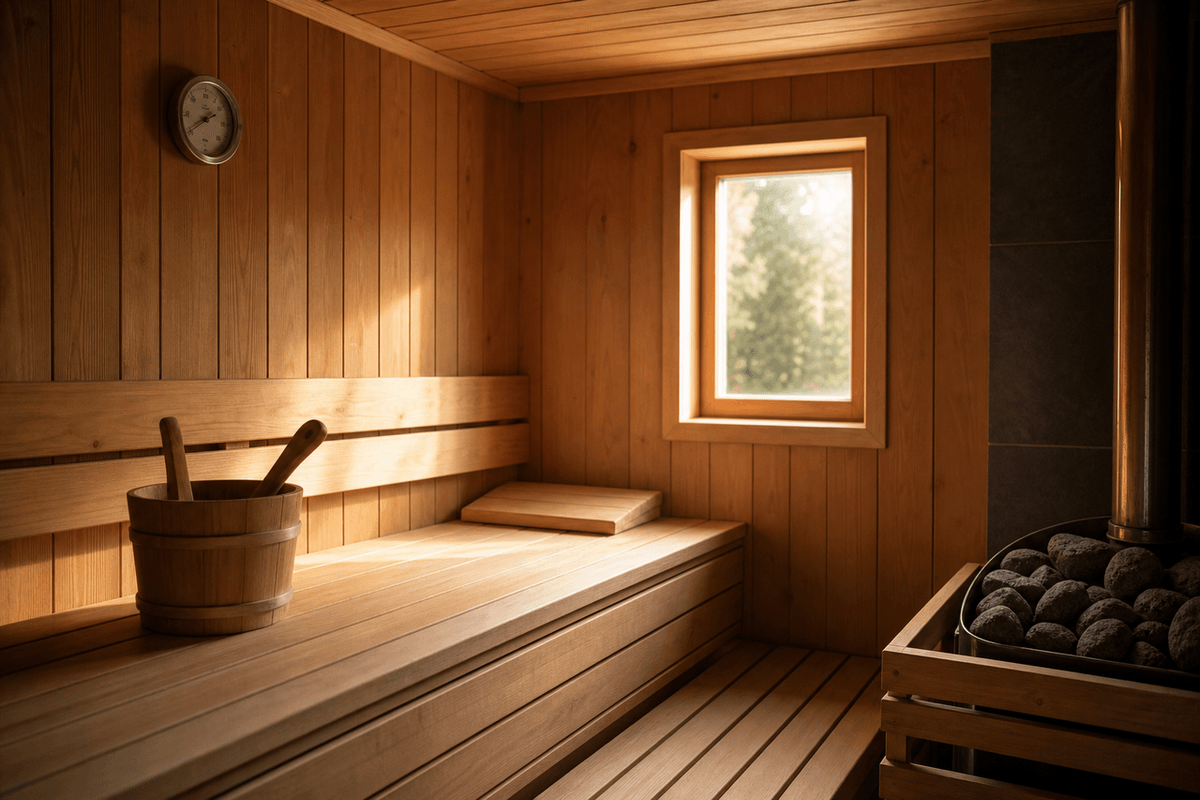
Sauna and male fertility: what the heat research shows
Regular sauna exposure measurably reduced sperm count and motility in healthy men, and the effect reversed within months of stopping. It matters if you are actively trying to conceive, and much less otherwise.
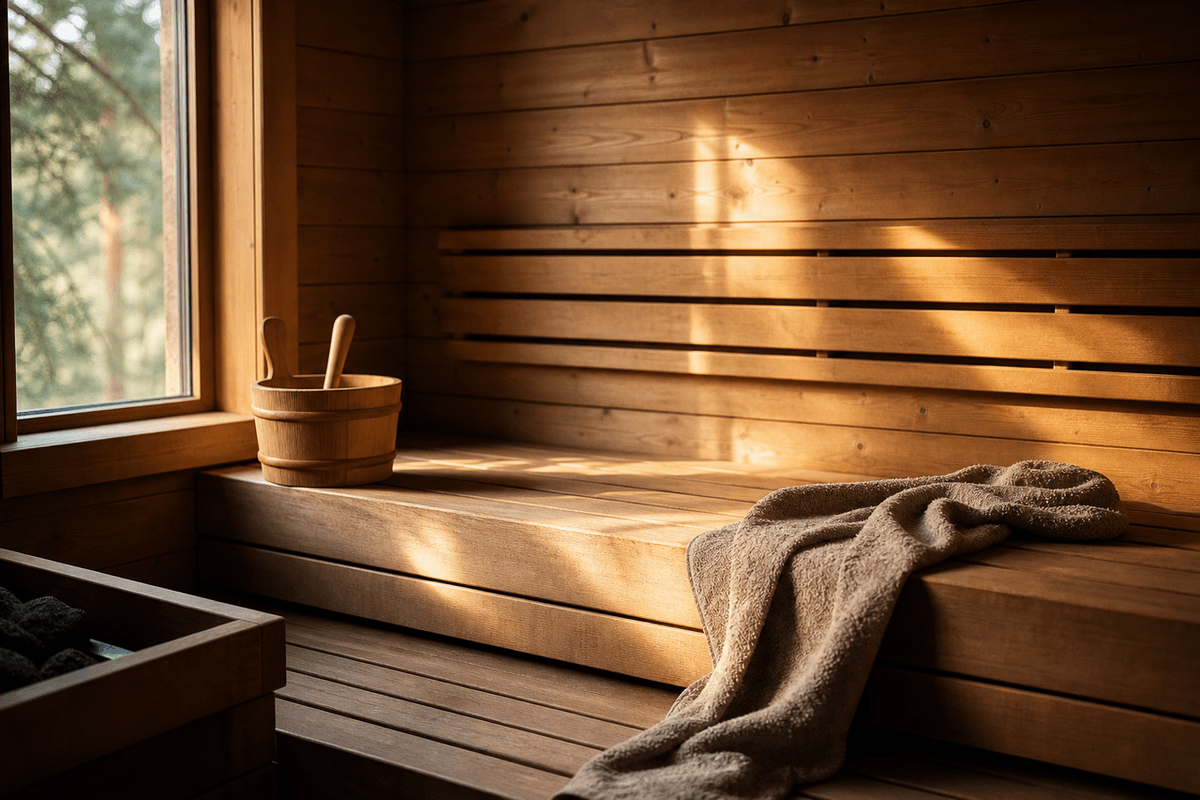
Does a sauna help with depression? What the trial evidence shows
One small randomised trial of whole-body hyperthermia found a meaningful antidepressant effect lasting six weeks after a single session. The protocol was medical-grade and is not what a studio sauna delivers, so treat heat as a supportive habit, not a treatment.
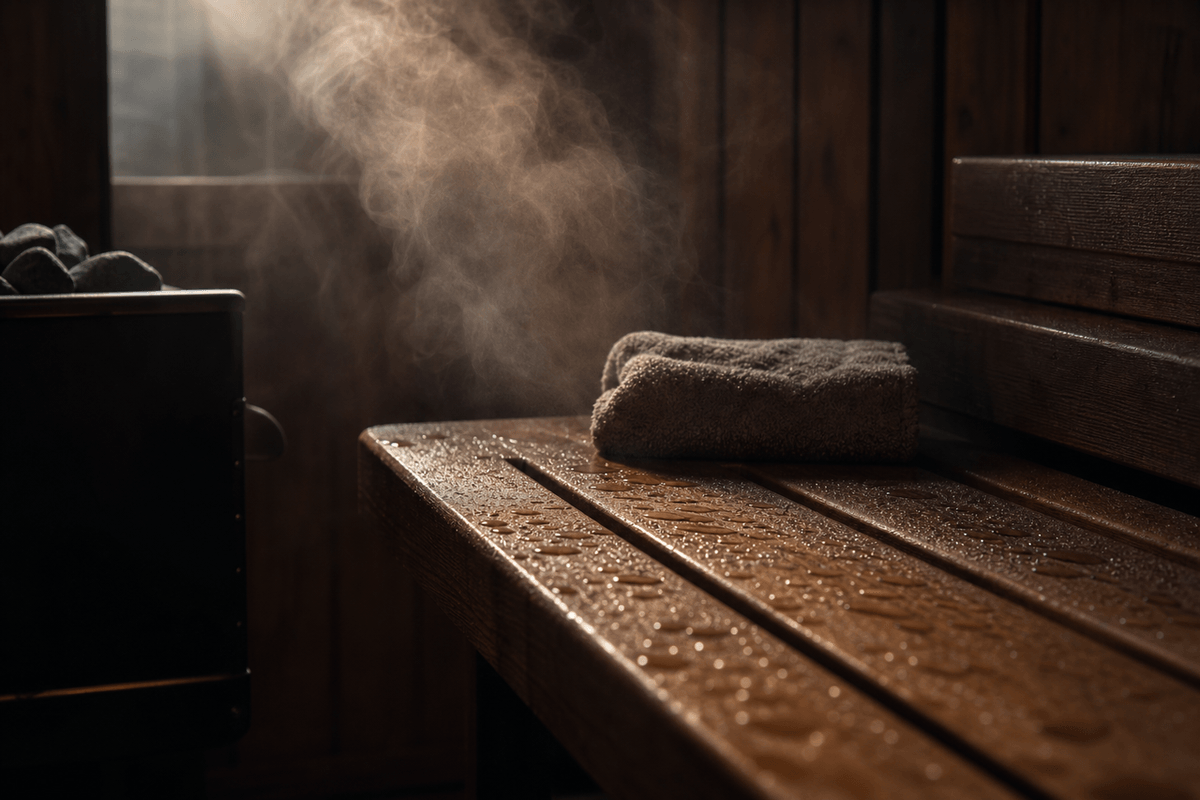
Does a sauna help your skin? What the research shows
A controlled study found regular sauna use improved skin barrier recovery and water-holding capacity in the stratum corneum, with effects that varied by body site. The immediate glow is blood flow, not detox, and heat can worsen some skin conditions.
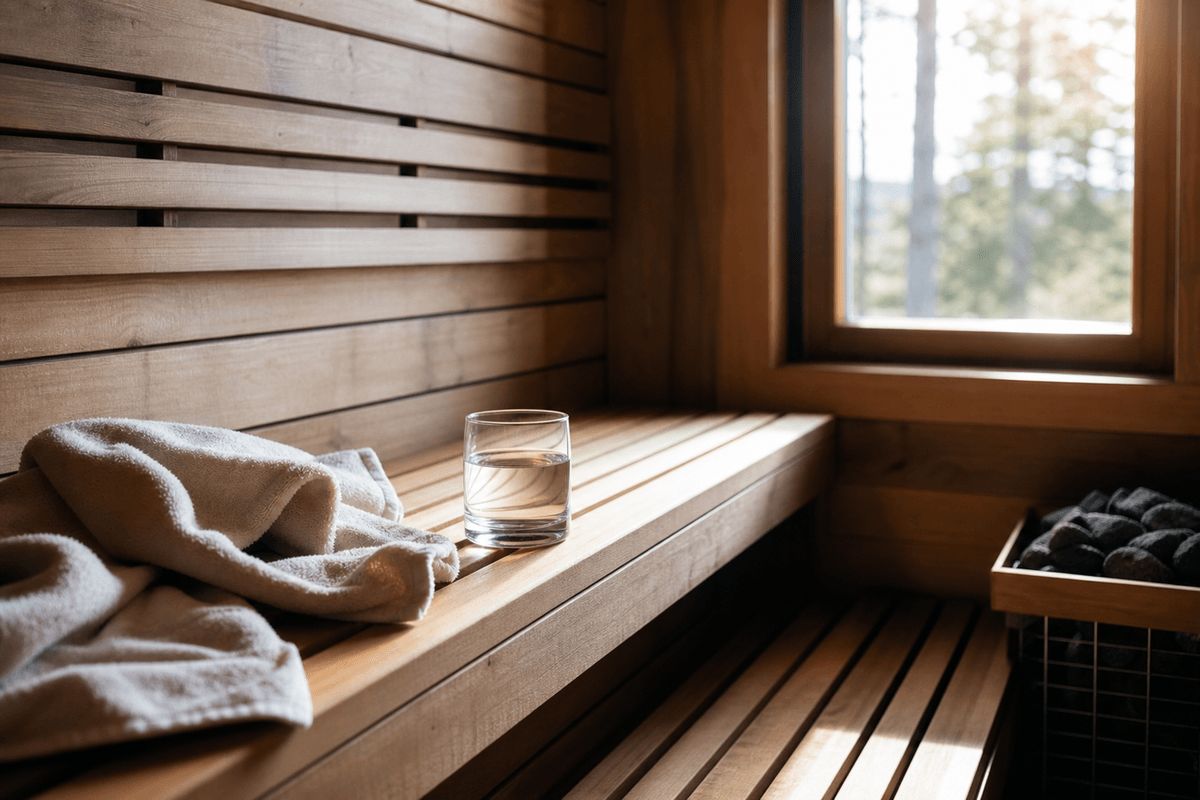
Can you drink alcohol in a sauna? The honest safety answer
Alcohol and sauna heat both drop your blood pressure and blunt the signals that tell you to get out, and Finnish forensic data links alcohol to the large majority of sauna deaths. Wait until sober, and rehydrate with water first.
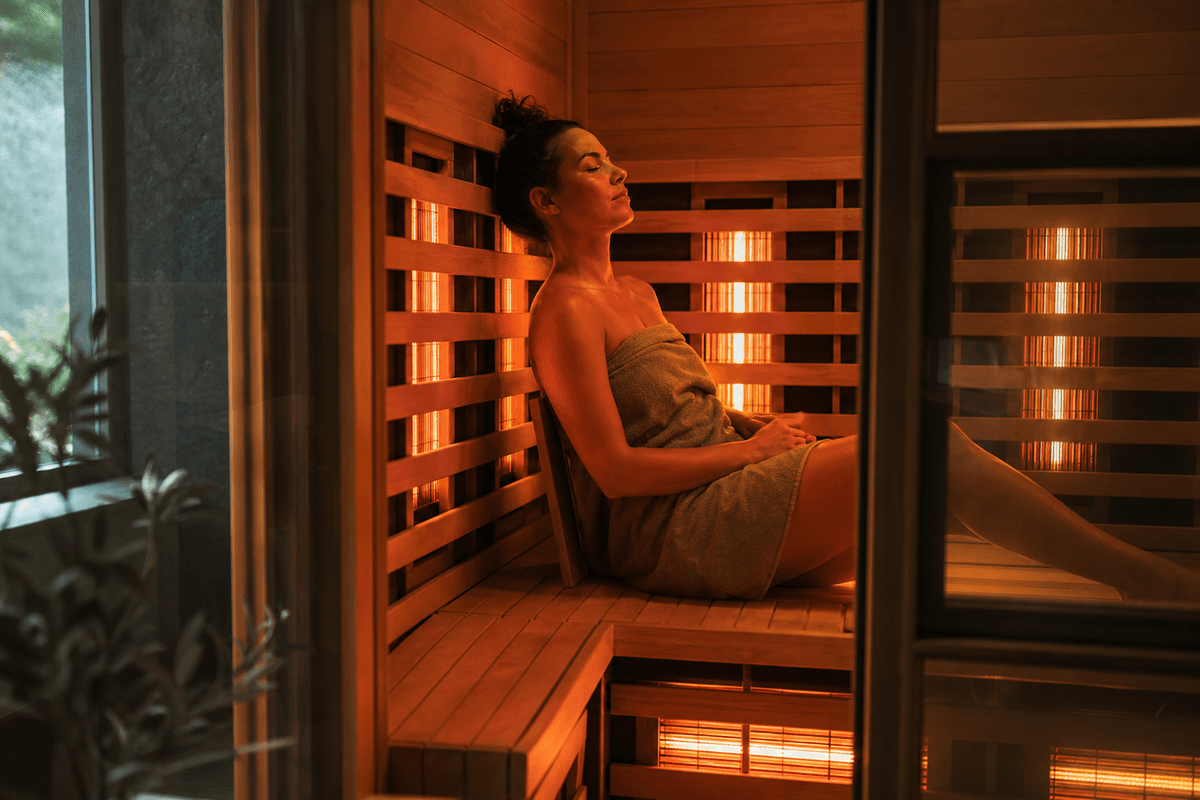
Does an infrared sauna help with pain and inflammation?
Heat genuinely eases stiff, painful muscles and joints, and small studies on infrared saunas for conditions like arthritis and chronic pain are cautiously positive. But the research is thin, so hold it loosely.
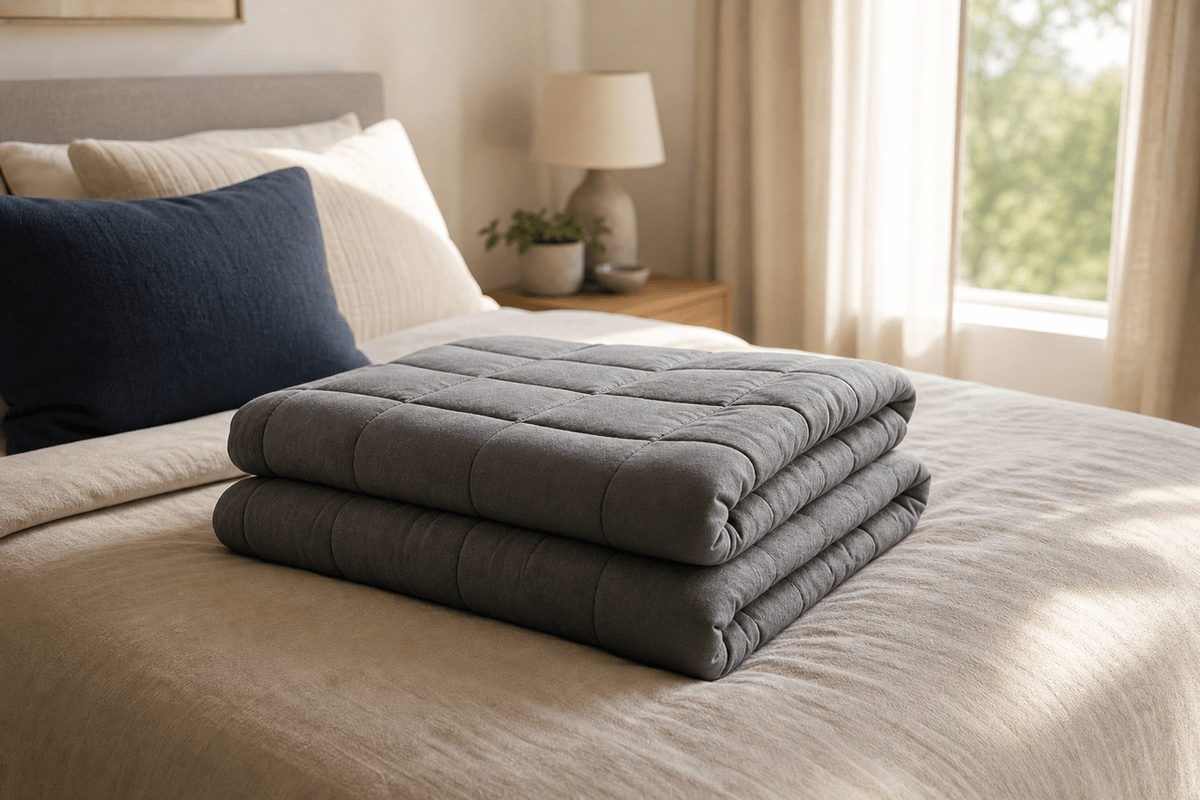
Do weighted blankets actually work? What the evidence says
The evidence is modest but real: weighted blankets can reduce anxiety and help you feel you sleep better, more than they change measured sleep. Pick around 10% of body weight, and skip them for some conditions.
Is it safe to sauna, cold plunge, or get a massage while pregnant?
Saunas and hot tubs warrant real caution, especially in the first trimester, because overheating carries risk. Cold plunges are understudied, so be careful. Prenatal massage is usually fine with a trained therapist. Always ask your doctor.
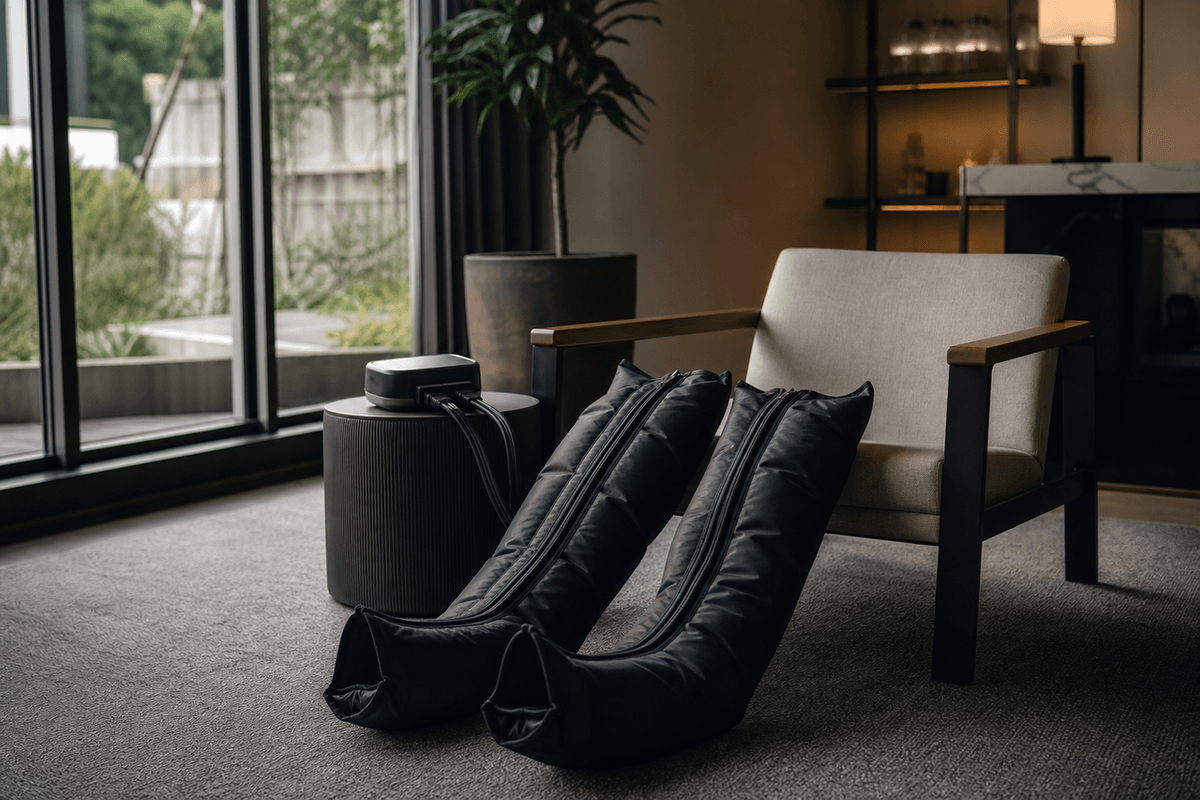
Do compression boots actually work? What the evidence says
Compression boots reliably make you feel less sore and are pleasant, but the evidence they speed real performance recovery is weak. Good for comfort and relaxation, oversold as a performance tool.
Does cold exposure raise testosterone? The honest evidence
There is no good evidence cold plunges meaningfully raise testosterone. The claim is built on unrelated fertility research and animal studies, and acute cold may briefly lower it. Plunge for other reasons.
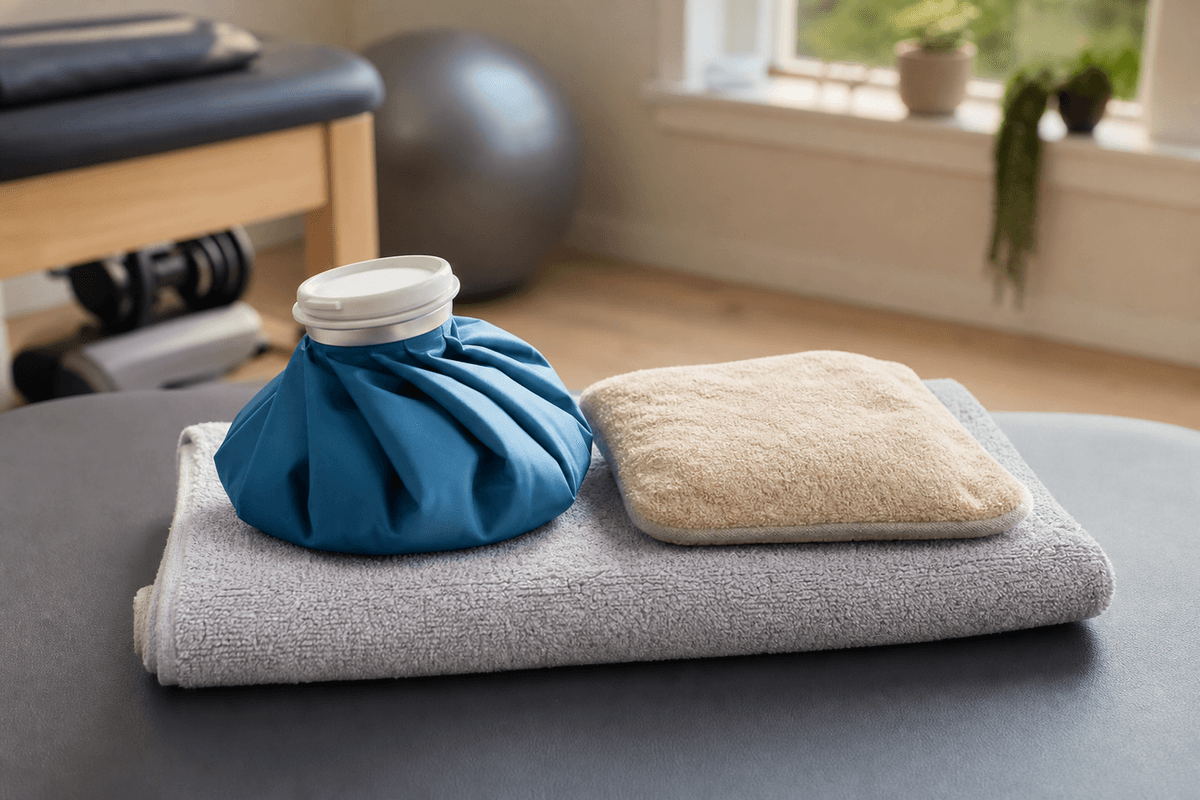
Ice vs heat: which should you use for pain and sore muscles?
Reach for heat for stiff, tight, sore muscles and chronic aches. Reach for ice mainly to calm pain and swelling in a fresh injury. Even the ice-for-injury rule is softer than it used to be.
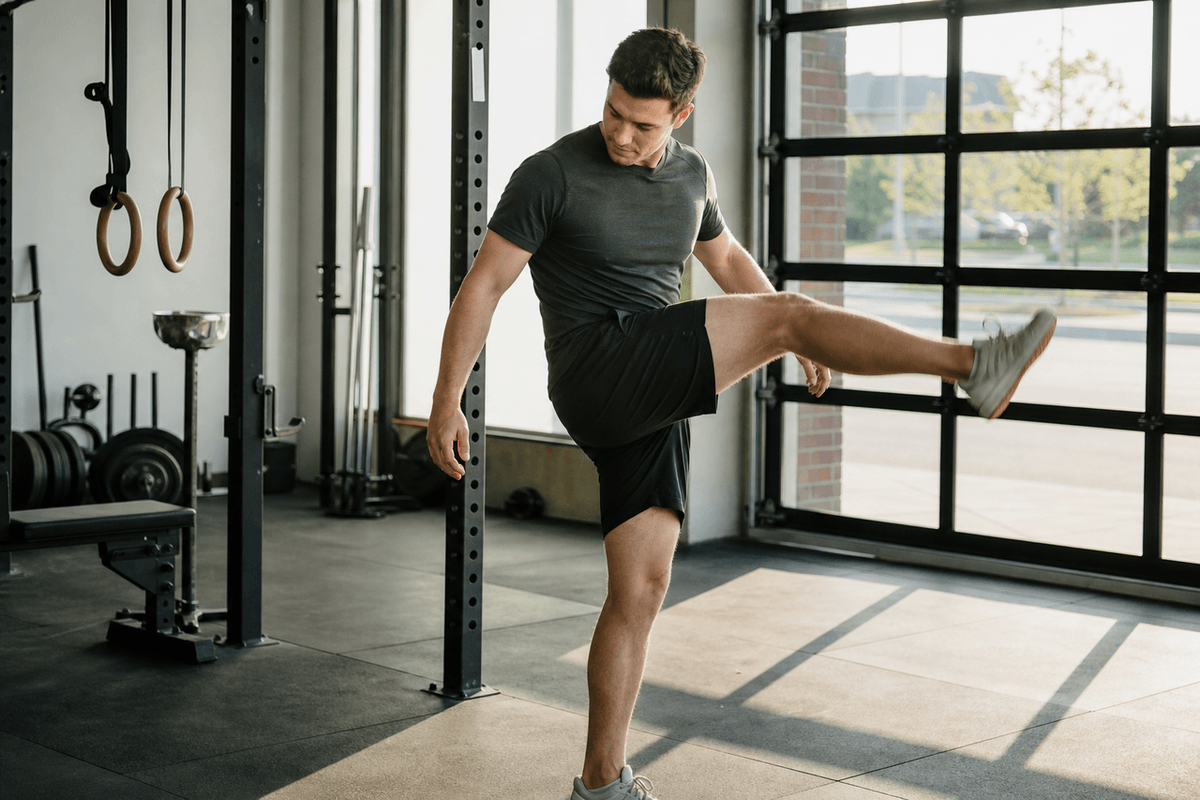
Should you stretch before a workout? What the evidence says
Skip long static stretches before training, as they can briefly reduce strength and power. Do a dynamic warm-up instead. Save the static stretching for after, or a separate session.
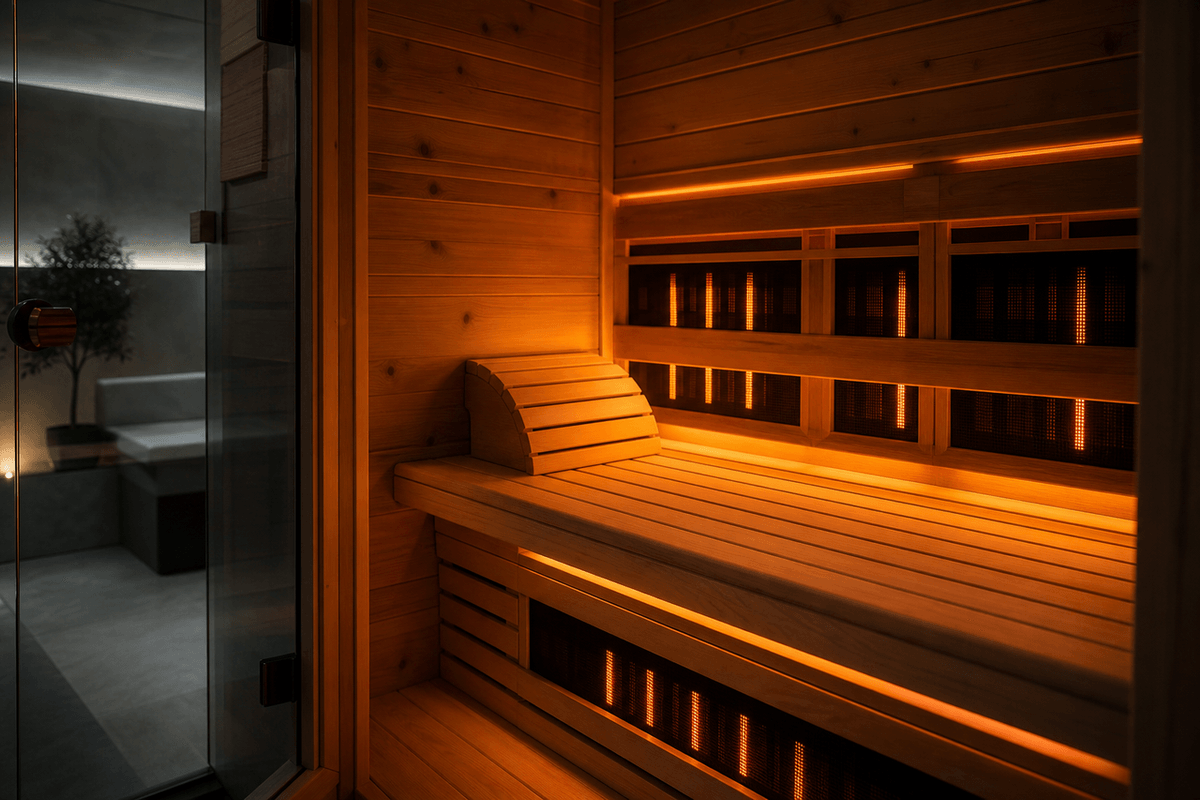
Does an infrared sauna burn calories or help you lose weight?
No, not meaningfully. The weight you lose is water and returns as soon as you rehydrate. A sauna burns a small number of extra calories from the heat, nowhere near the 600 claim.
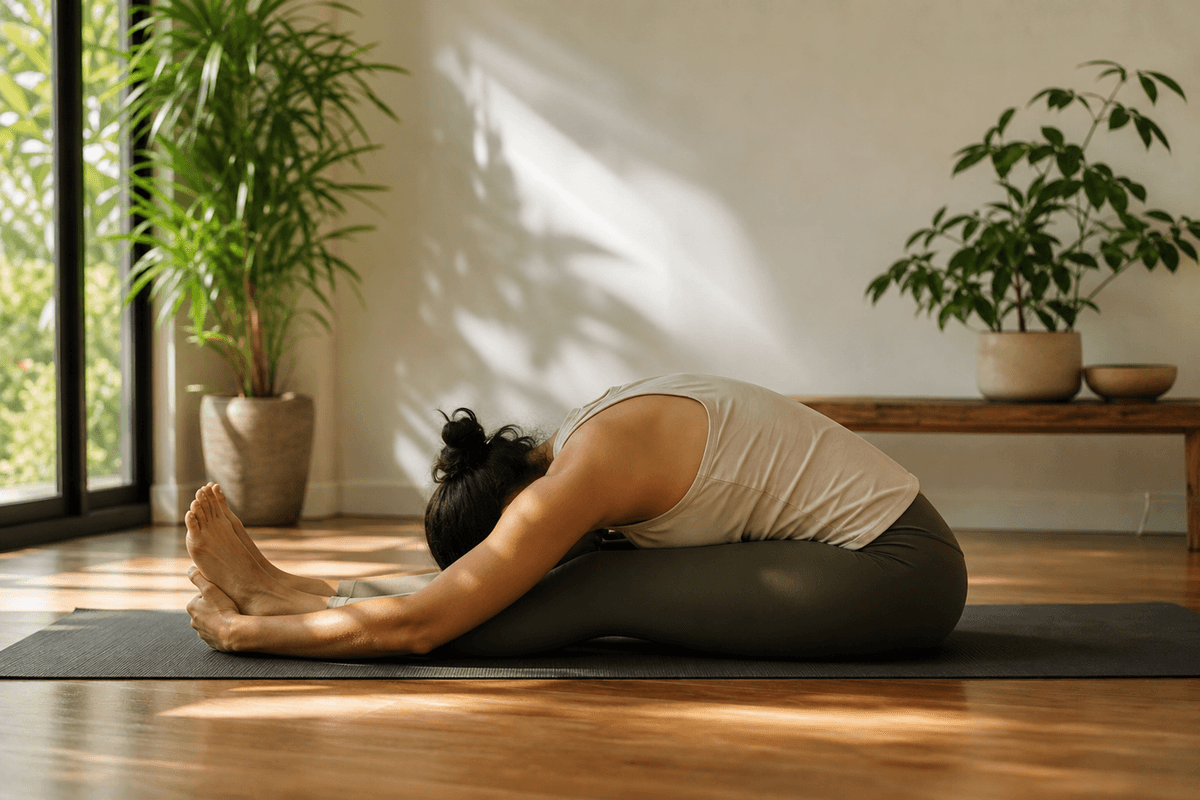
Does yoga help back pain? What the evidence actually says
Yes, for chronic low back pain yoga modestly improves pain and function, backed by real trials. The catch is it works about as well as ordinary exercise or stretching, not better.
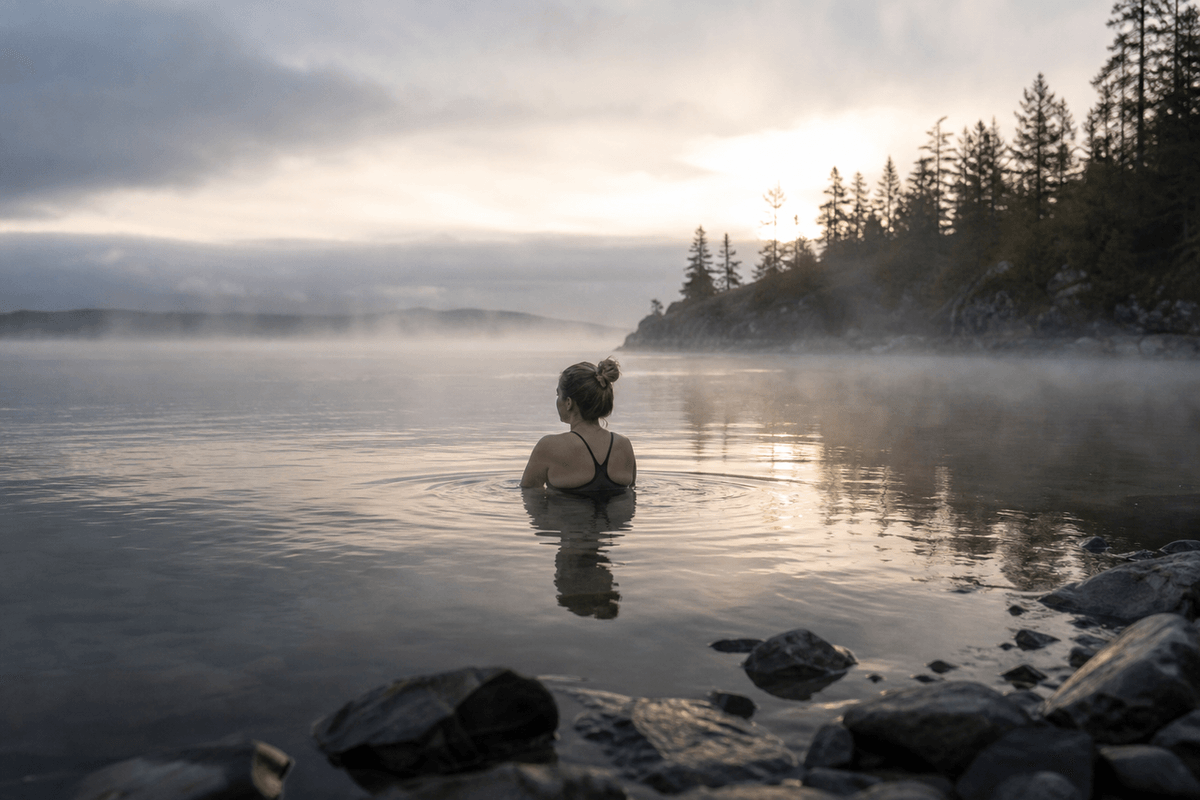
Can cold water help with depression or anxiety?
The evidence is a single case report, some brain imaging, and small uncontrolled studies. Promising and genuinely interesting, nowhere near proof, and never a replacement for treatment.
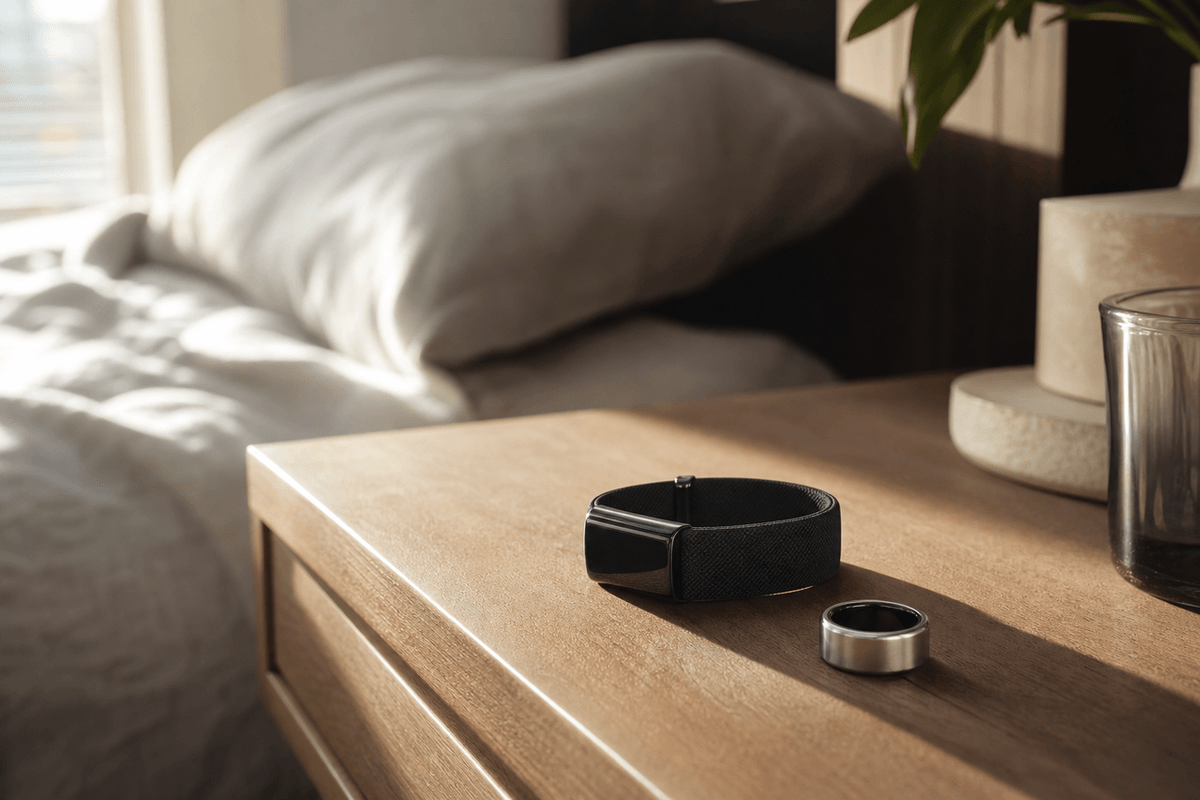
Do recovery trackers actually work? HRV, Oura, and WHOOP, honestly
The heart-rate and HRV sensors are often accurate, and HRV is a real signal. The single recovery score is a proprietary interpretation, and evidence that acting on it improves outcomes is thin.
Does massage actually help recovery, or does it just feel good?
Massage genuinely reduces delayed muscle soreness, which meta-analyses support. The famous cortisol claim did not survive scrutiny. It does little for raw performance, and feeling good is still a real benefit.
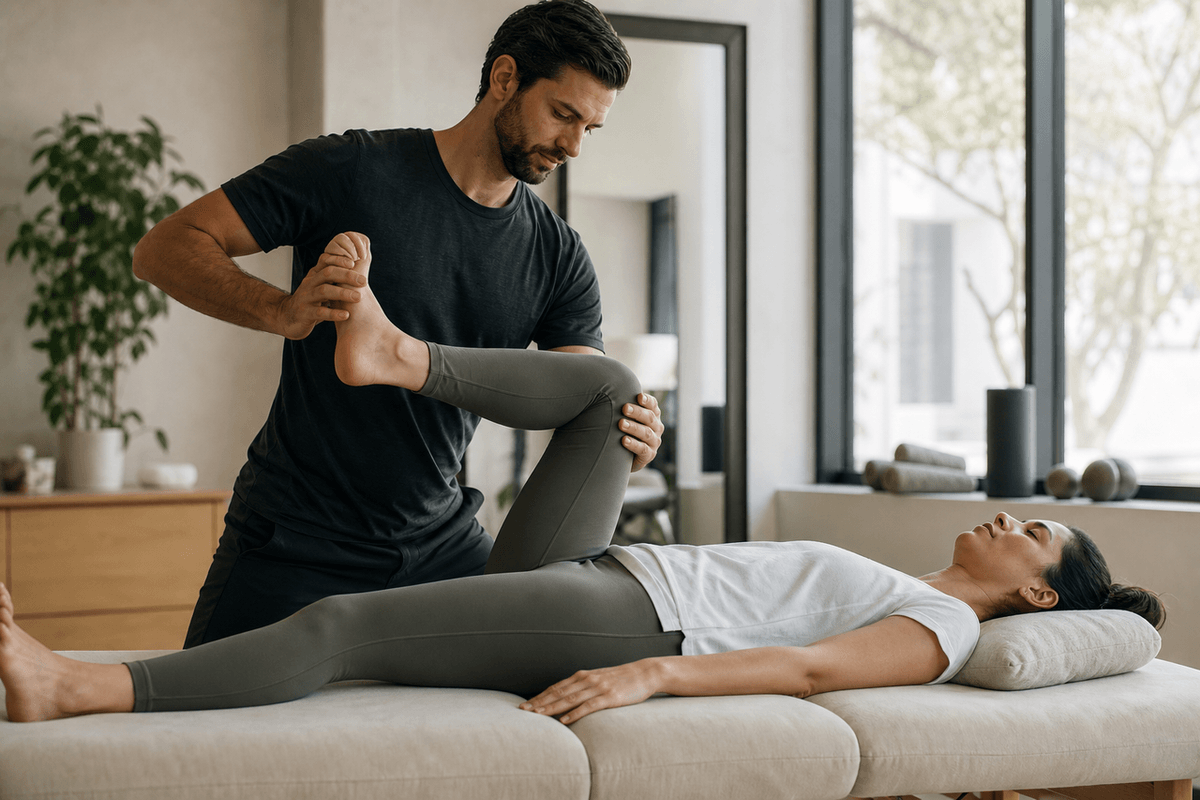
Is assisted stretching worth it? What the evidence actually says
Assisted stretching reliably improves range of motion and feels great, which is worth something. It does not prevent injury or boost performance, and a good session is mostly what you pay for.
Does a sauna after training make you fitter?
Post-workout heat may improve endurance through heat acclimation and plasma volume, unlike cold, which can blunt strength gains. The studies are small, so hold it loosely.
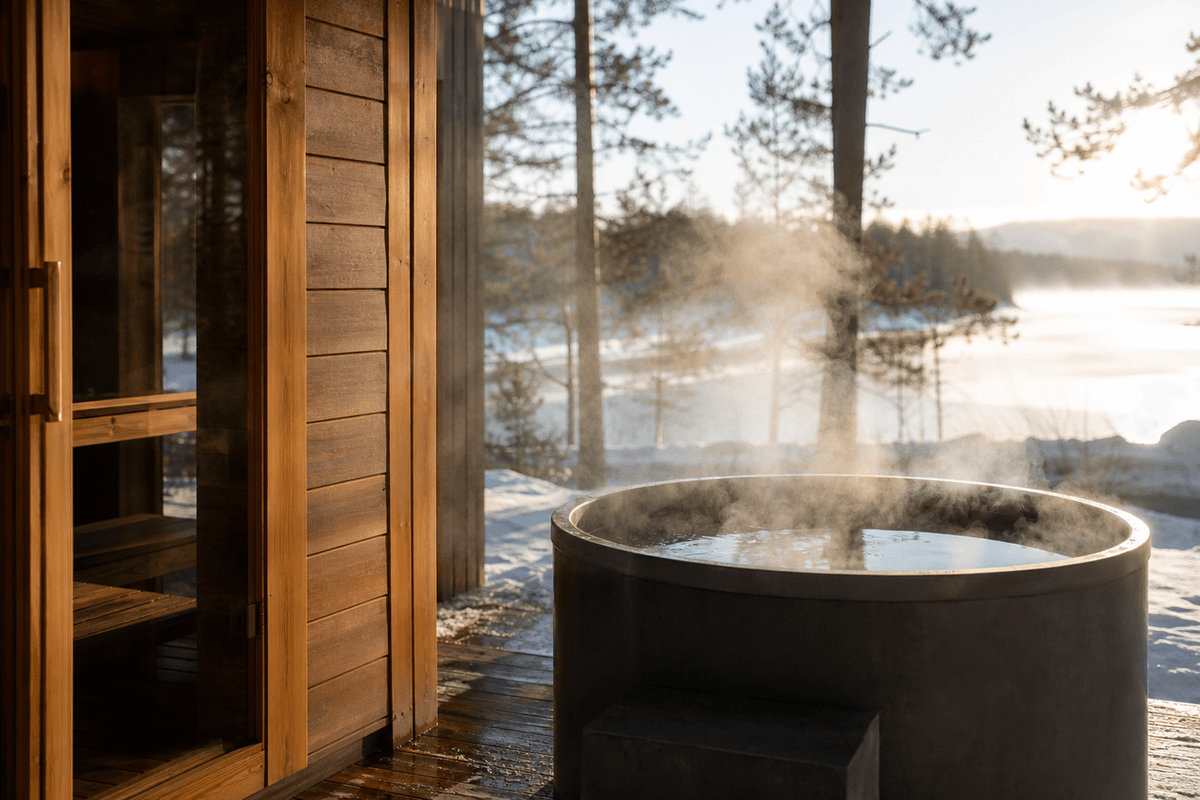
Does a sauna or cold plunge boost your immune system?
The best cold study found fewer sick days called in, not fewer illnesses. Heat has weaker evidence still. Something real is happening, but 'boosts your immune system' oversells it.
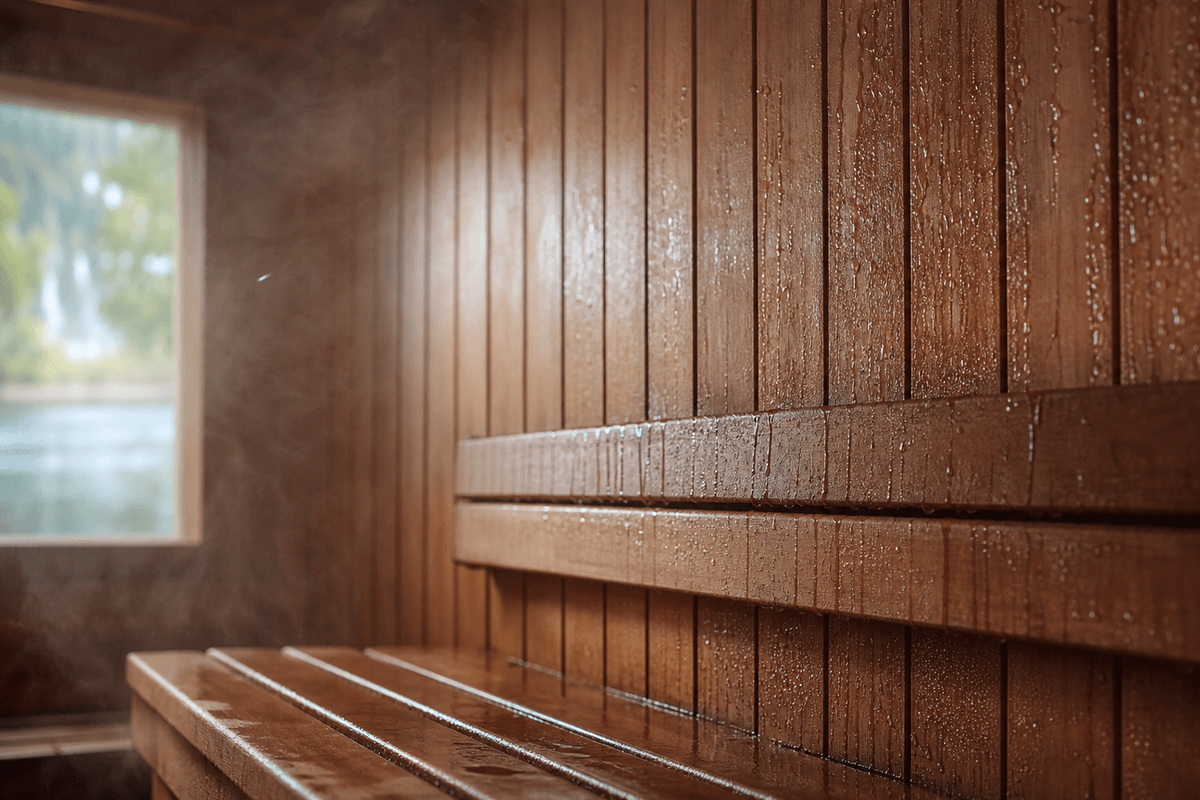
Does sweating in a sauna detox your body?
No. Sweat is over 99% water and salt, and its job is cooling. Your liver and kidneys do detoxification, far better than your skin ever could. The sauna is still worth it, just not for this.
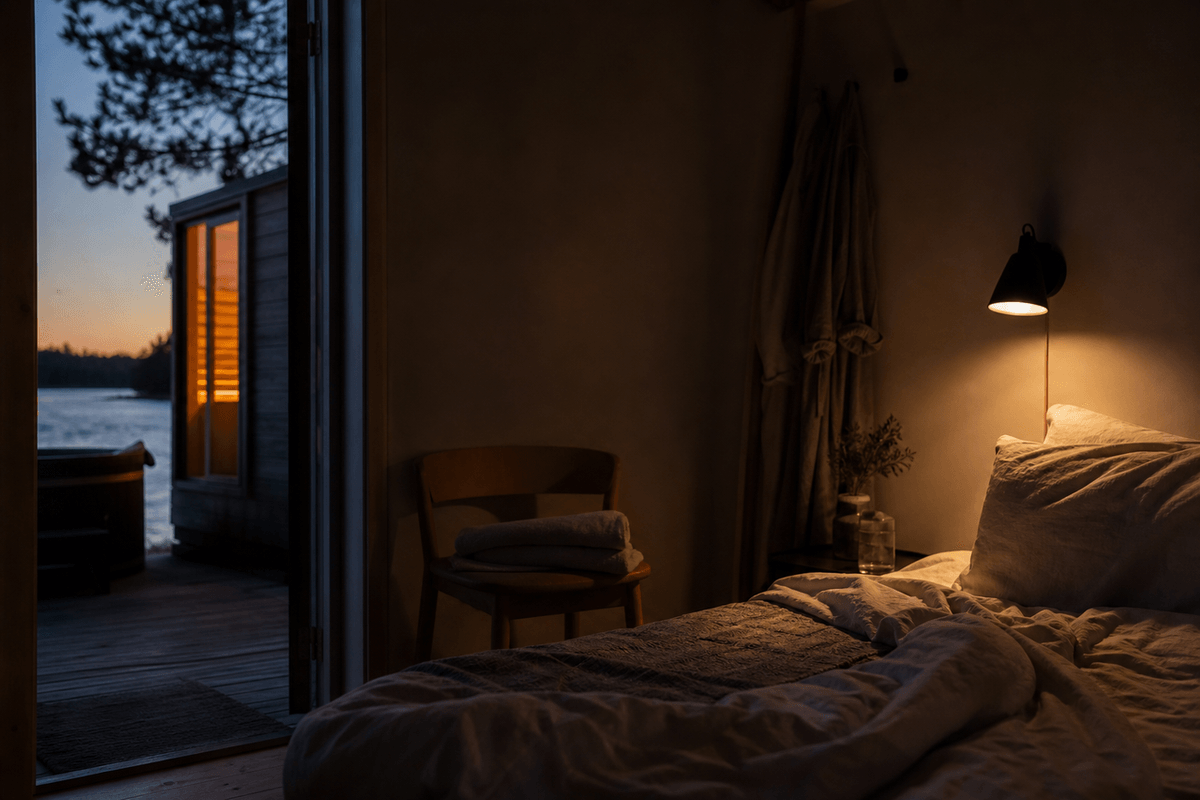
Does a sauna or cold plunge before bed help you sleep?
A warm sauna or bath 60 to 90 minutes before bed can help you fall asleep faster by triggering a core-temperature drop. A cold plunge right before bed is more likely to wake you up.
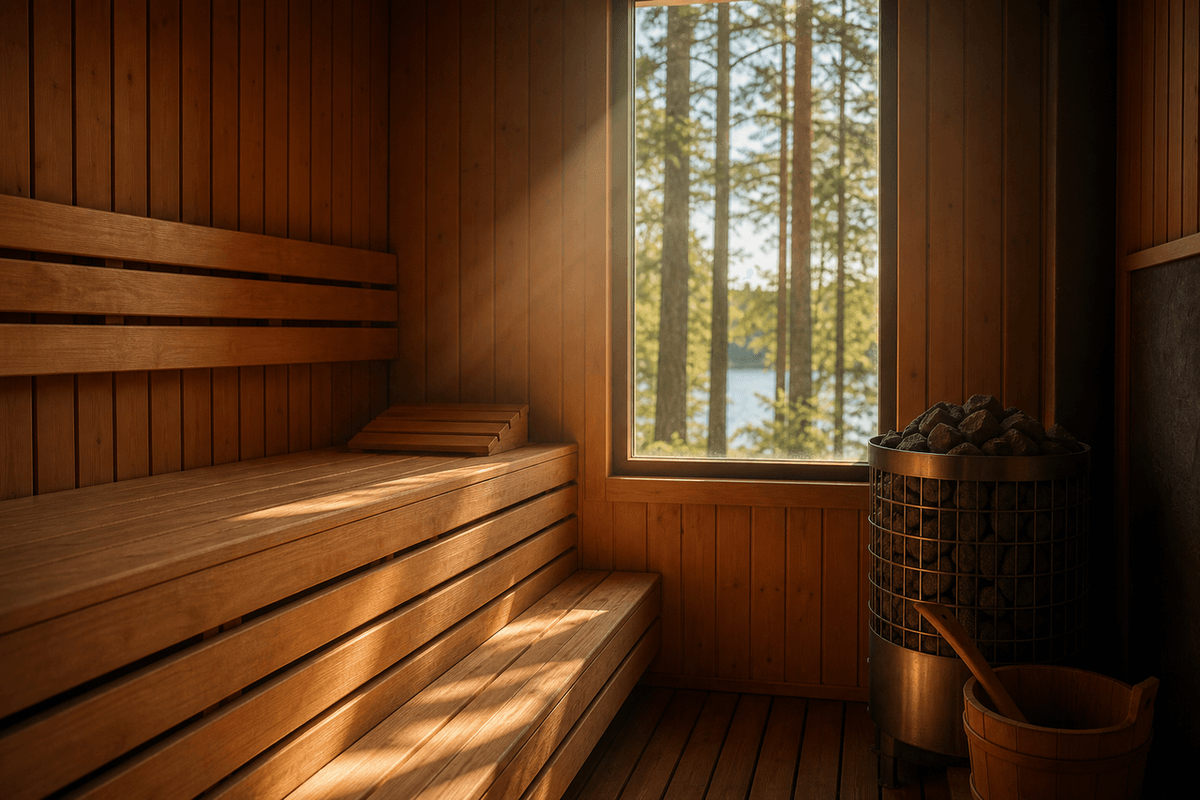
Is a sauna good for your heart? What the evidence actually shows
Regular sauna use is linked to lower cardiovascular and all-cause mortality in large Finnish studies, and the effect scales with frequency. The catch is that this is association, not proof.
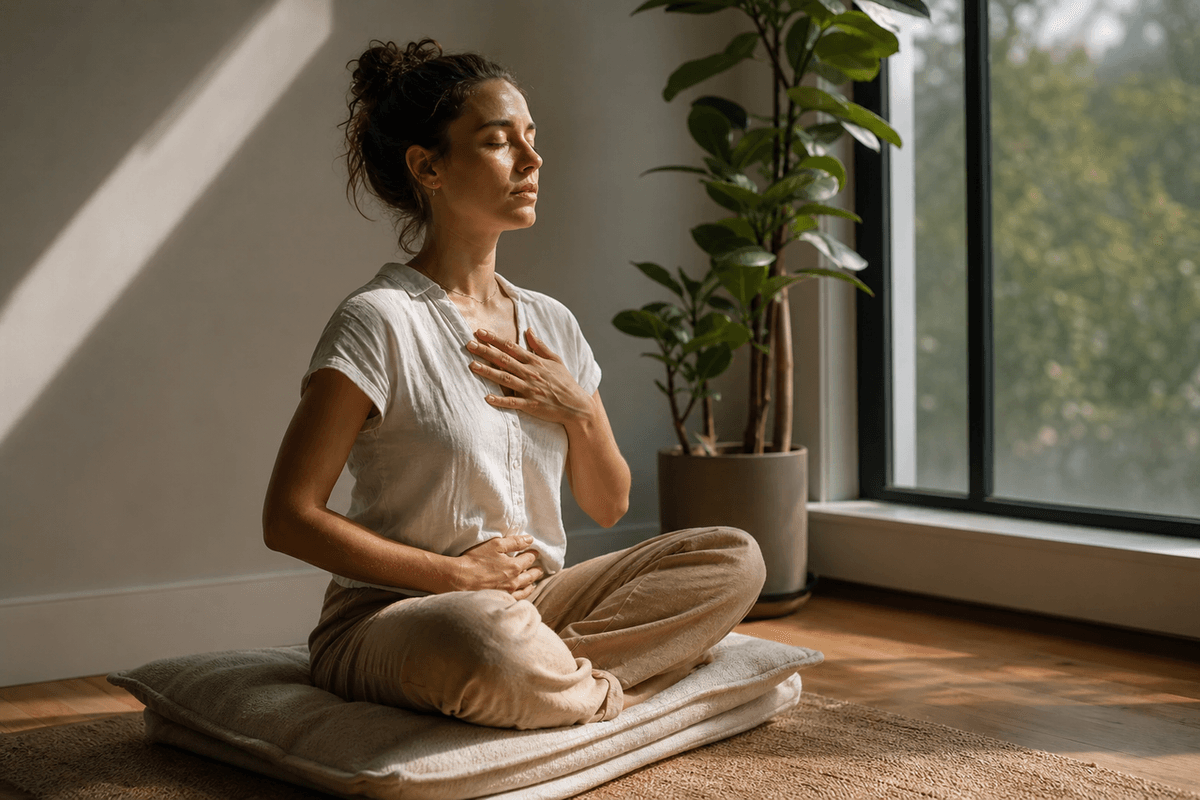
Is breathwork safe? The risks, and who should be careful
Slow breathing is safe for nearly everyone. Intense hyperventilation styles can cause fainting and tetany, must never be done in or before water, and are not for everyone.
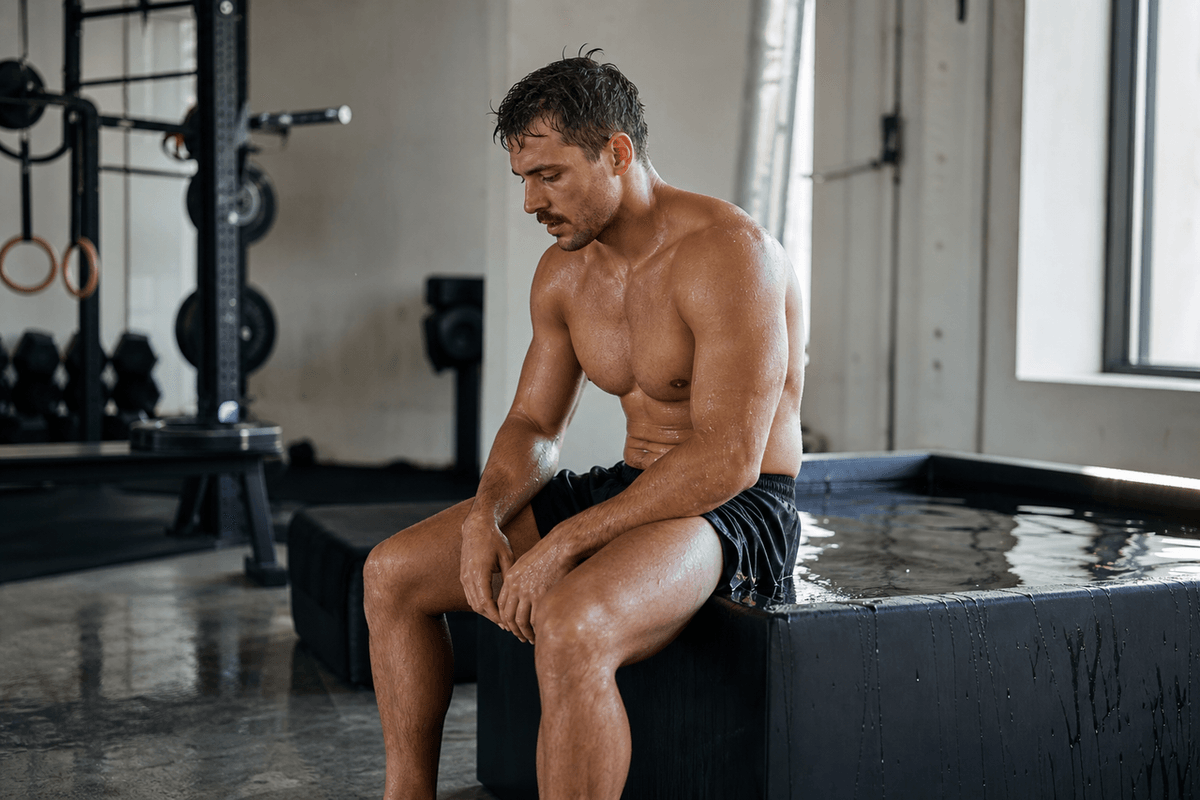
Does a cold plunge after your workout blunt muscle gains?
Cold water immersion right after strength training does appear to blunt muscle and strength gains over time. Here is what the studies actually found, why it happens, and the simple timing fix.
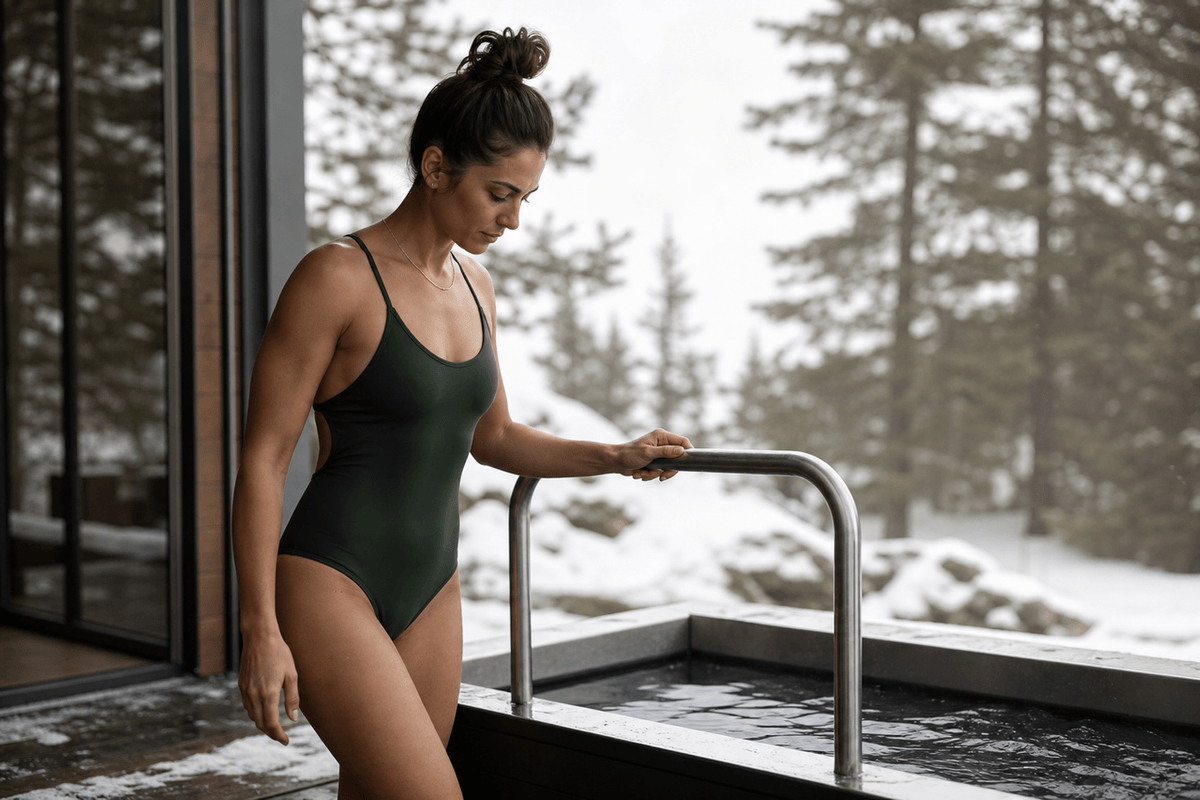
Is cold plunging safe? Who should avoid it, and why
Cold plunging is safe for most healthy adults, but the first minute carries real cardiac and drowning risk. Who should avoid it, what cold shock actually does, and the rules that make it safe.

Cold exposure and dopamine: what the evidence actually says
An honest look at cold exposure and dopamine: the real study behind the 250% claim, what it actually measured, why the mood lift is real, and what the hype leaves out.
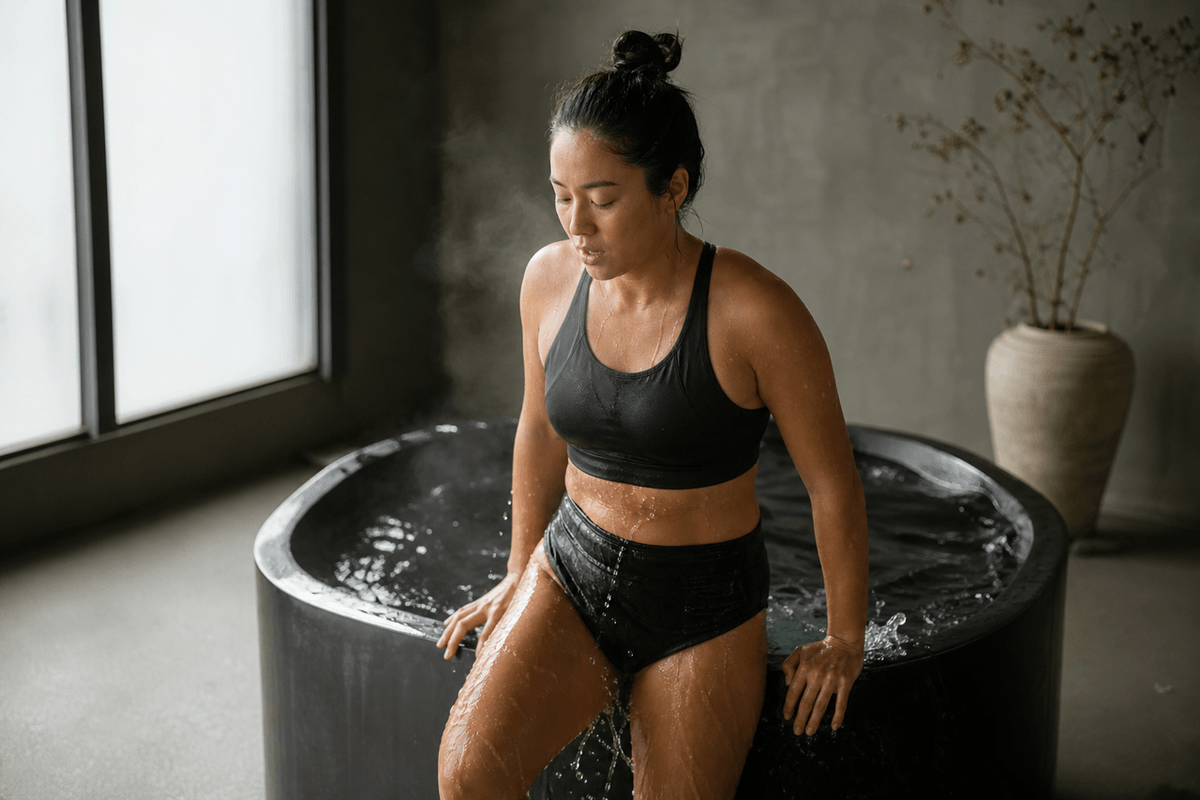
Does cold exposure boost metabolism? Brown fat and the honest evidence
An honest look at whether cold exposure boosts metabolism: what brown fat does, what the research shows, why it won't drive weight loss, and the better reasons to cold plunge.
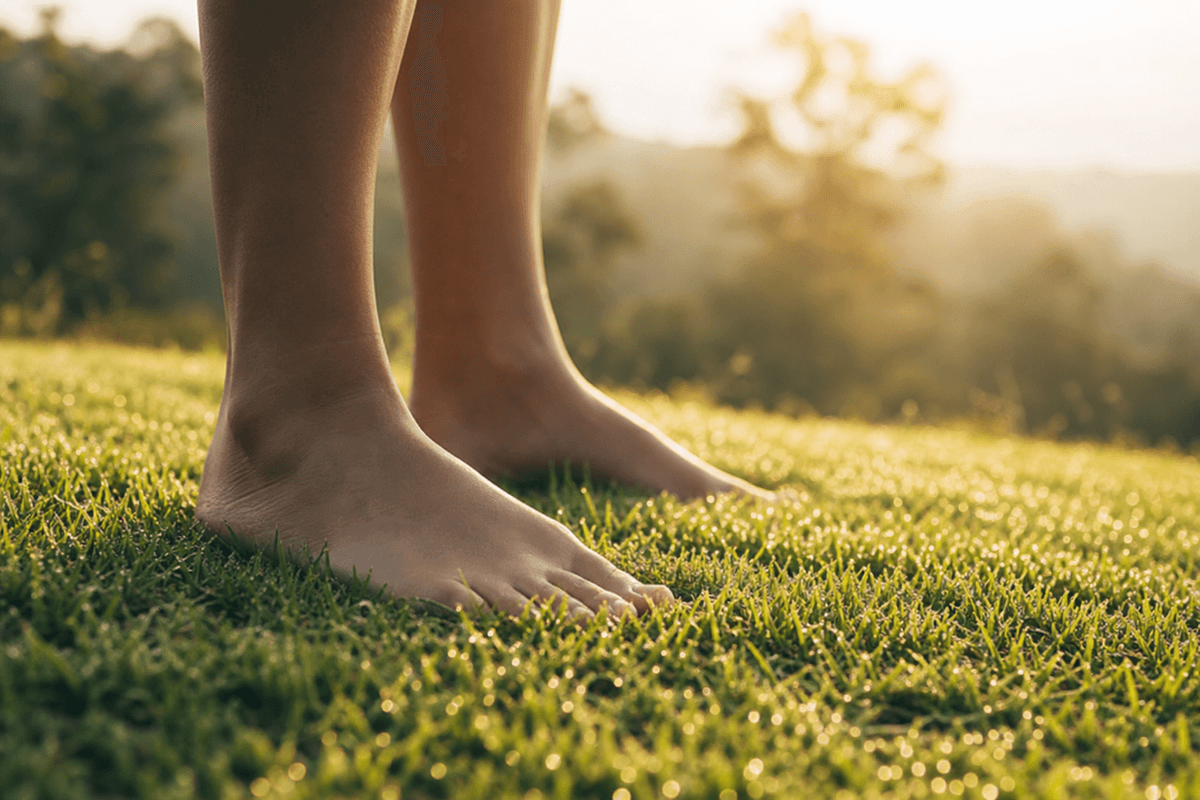
Grounding (earthing): what the evidence actually says
An honest look at grounding and earthing: what the theory claims, what the small studies actually show, why scientists are skeptical, and the free version that definitely works.

Nature and mental health: what the science says about time outdoors
Time in nature is one of the better-supported ideas in wellness: it reliably lowers stress, lifts mood and restores attention, with a usable target of about 120 minutes a week. Here is what the research genuinely supports, what it does not, and how to get the hours.
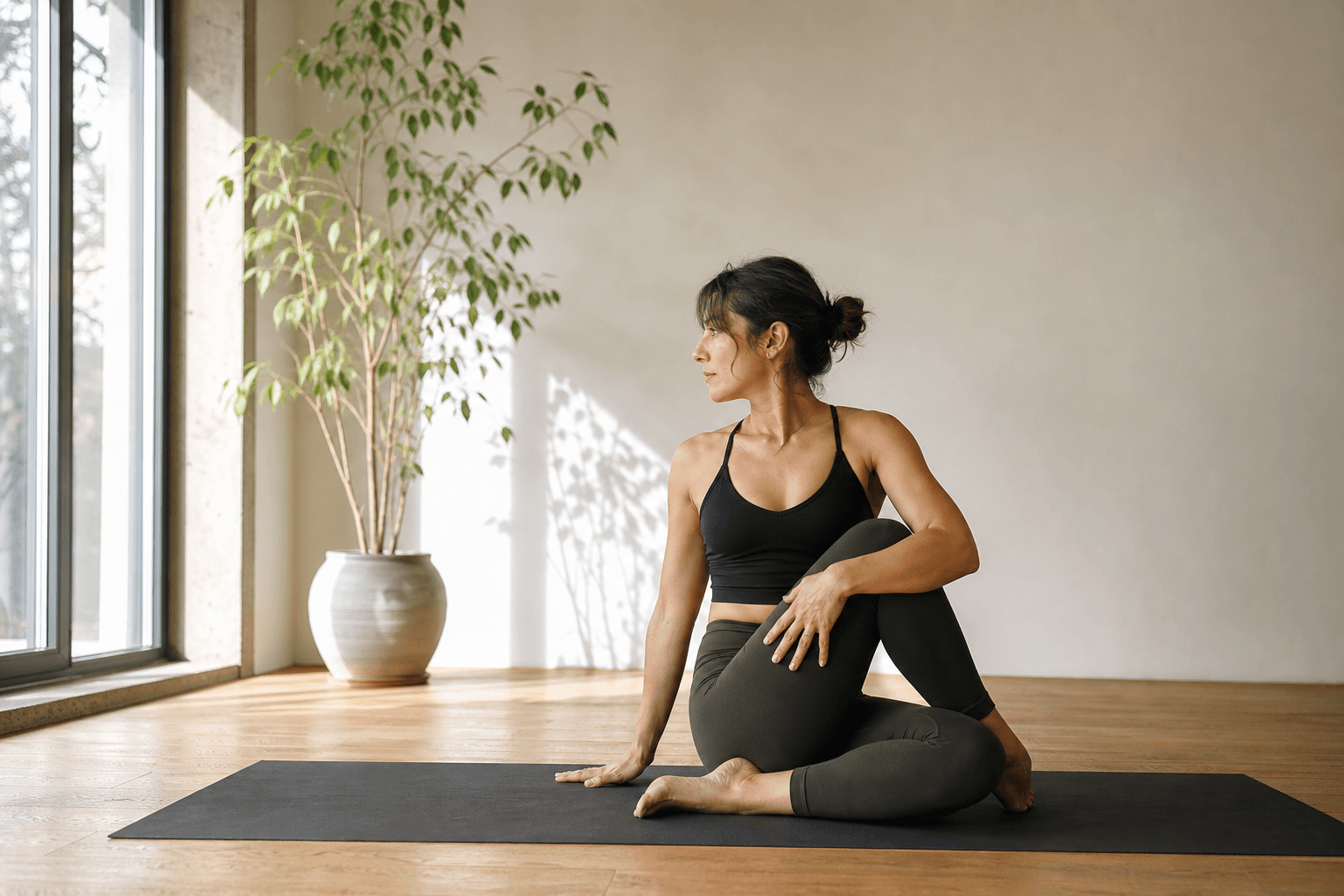
Yoga benefits: what the science actually says
An honest 2026 explainer on yoga benefits: the claims with real scientific support (flexibility, strength, balance, stress, back pain), the ones that outrun the evidence, why yoga works at all, and how to practice so the benefits actually show up.
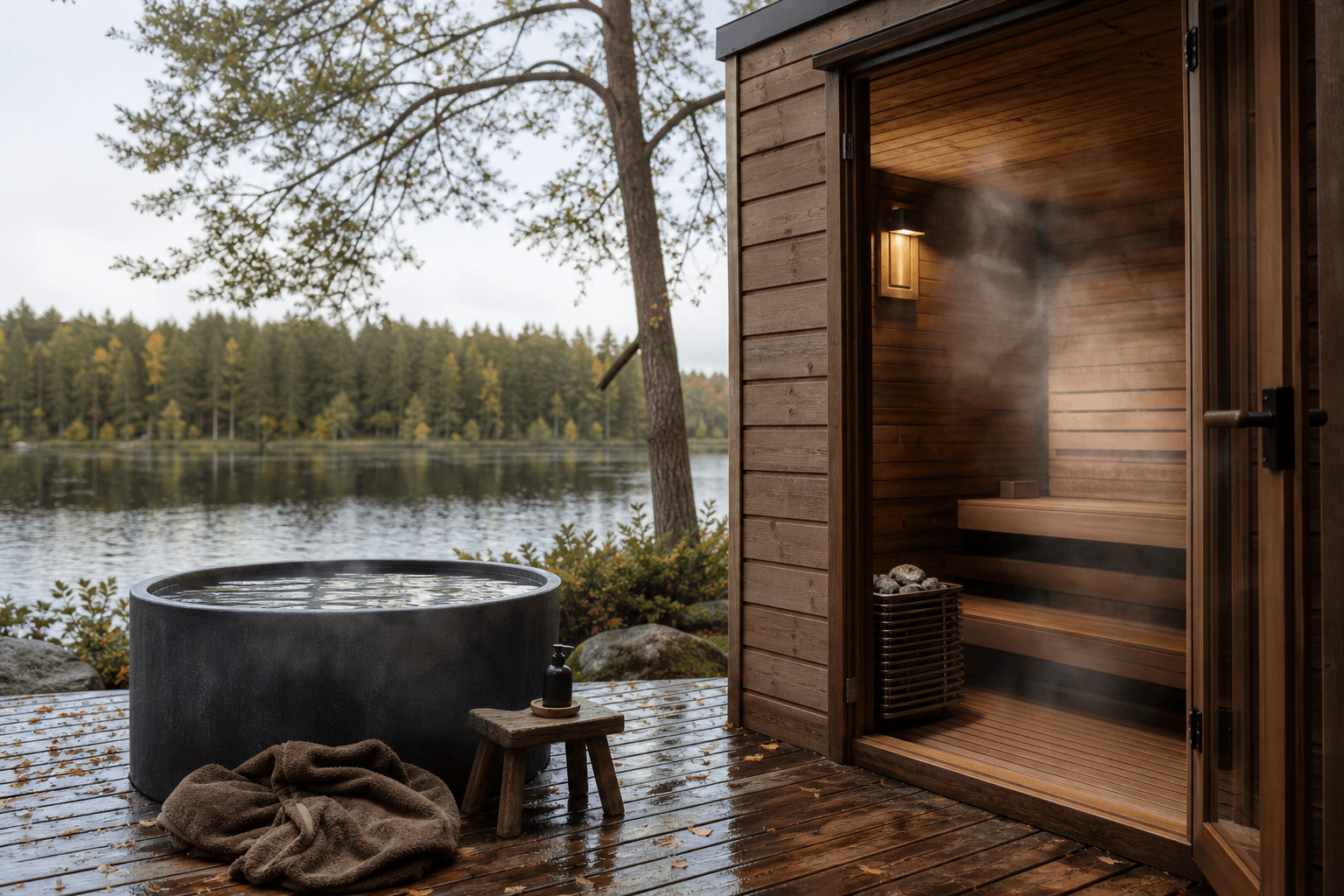
Contrast therapy (hot and cold): what it is and the benefits
Contrast therapy means alternating sauna heat with a cold plunge. The reliable payoff is easier recovery, deep relaxation, and a clear head, not detox or fat loss. Here's what the evidence supports, a sensible cycle to follow, what a session costs, and who should skip the cold.
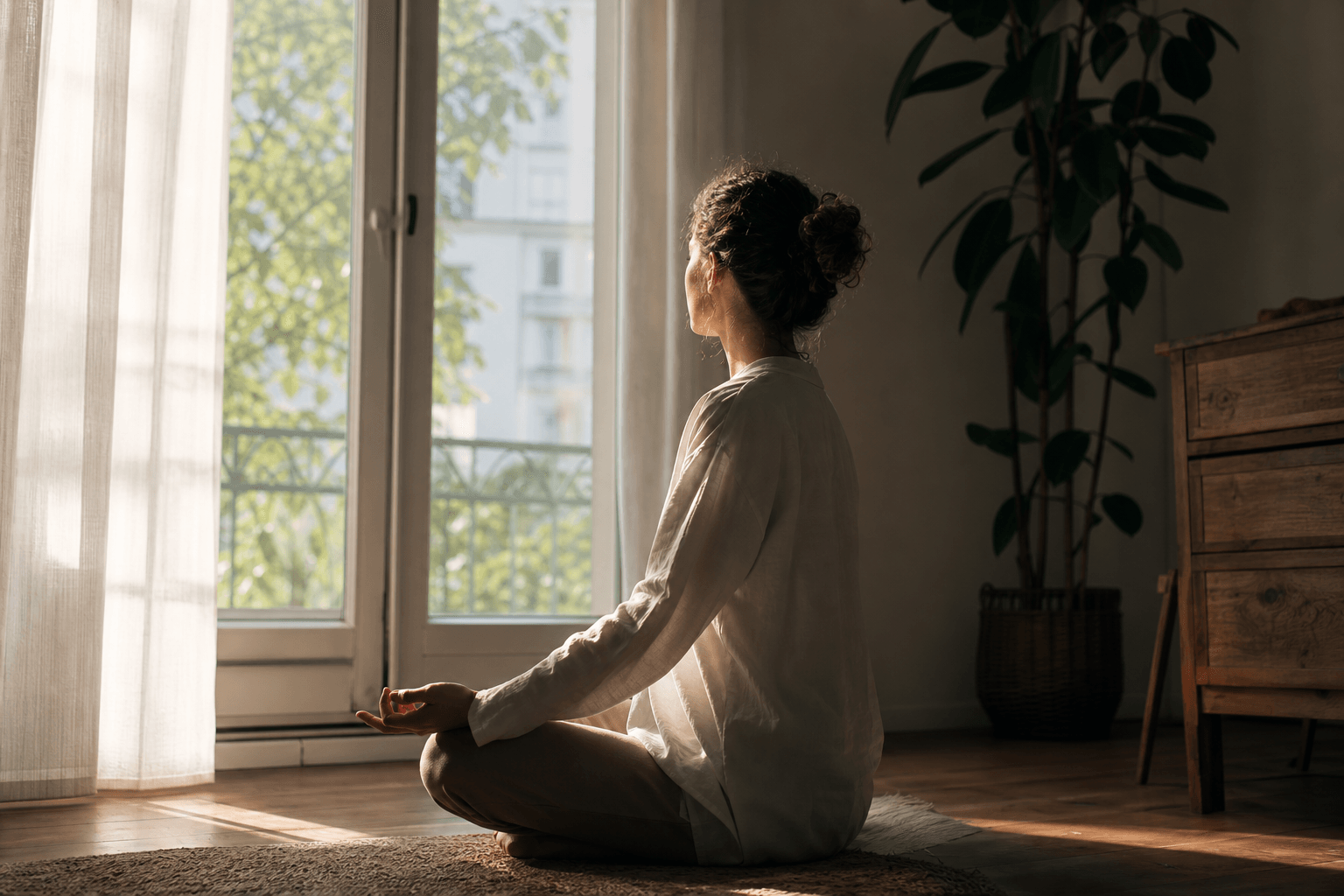
Meditation benefits: what the science actually says
An honest 2026 explainer on meditation benefits: where the science is solid (stress, anxiety, focus), where it's thinner (the transformation claims), the rarely mentioned downsides of intensive practice, and how to start so the benefits actually arrive.
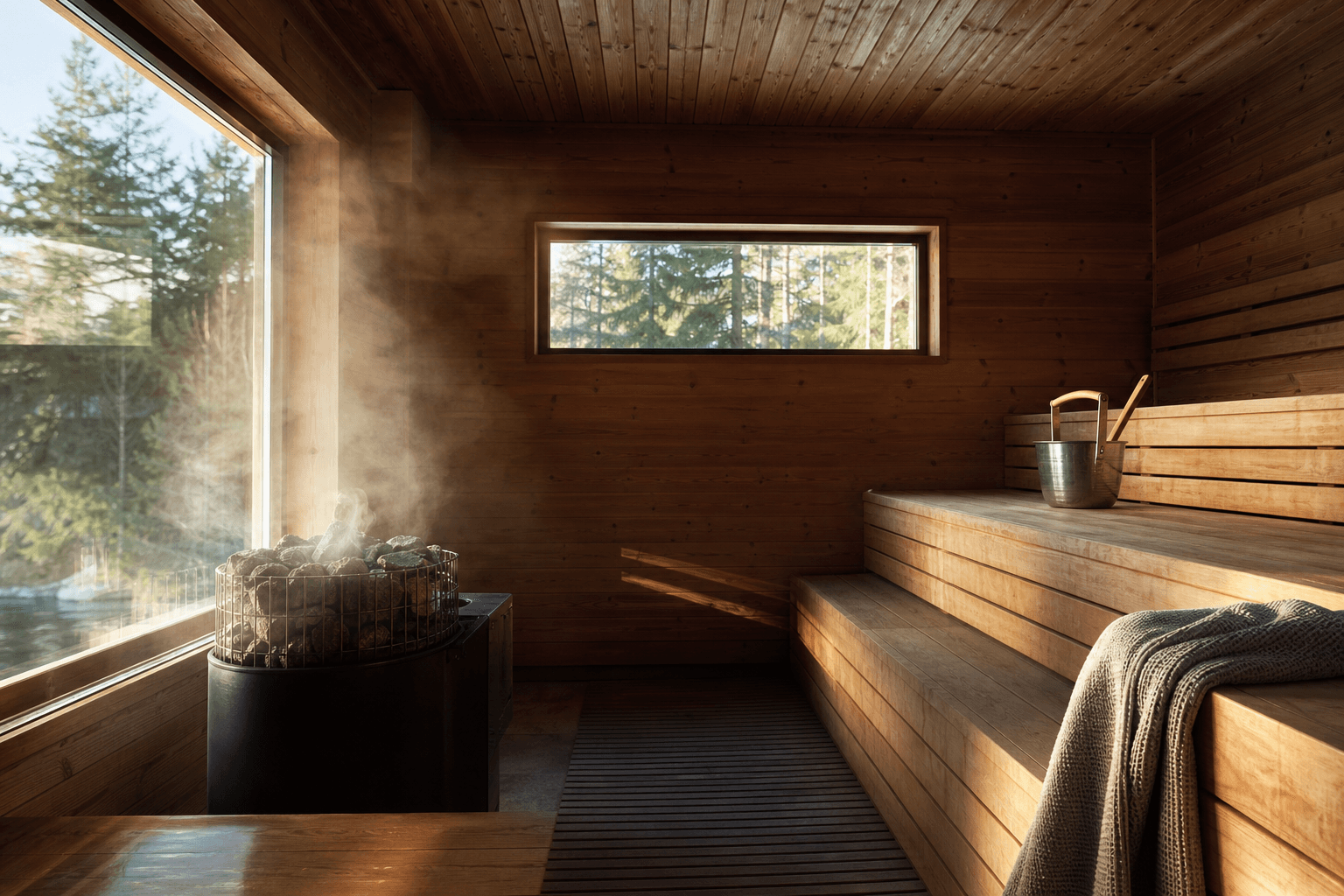
Sauna benefits: what the science actually says
Regular sauna use is reliably relaxing and is linked to better cardiovascular markers in long-running Finnish cohorts. The detox and fat-loss claims don't hold up. Here's what each claim is actually worth.
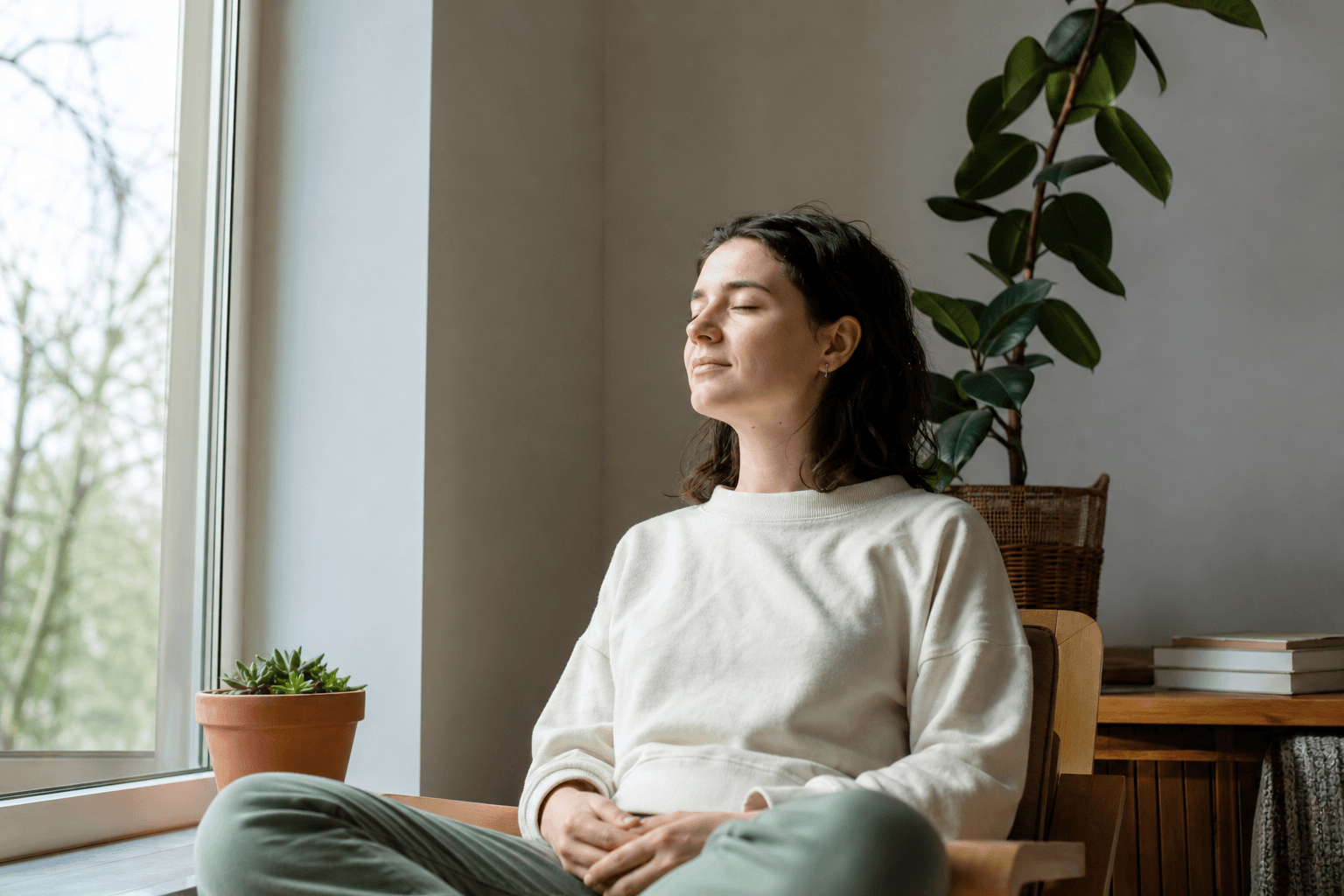
Breathwork benefits: what the science actually says
Slow breathing with longer exhales reliably calms the nervous system, and that benefit is free and immediate. The detox, cure, and spiritual claims outrun the evidence, and intense styles like holotropic work need a trained facilitator. Here is where the science actually lands.
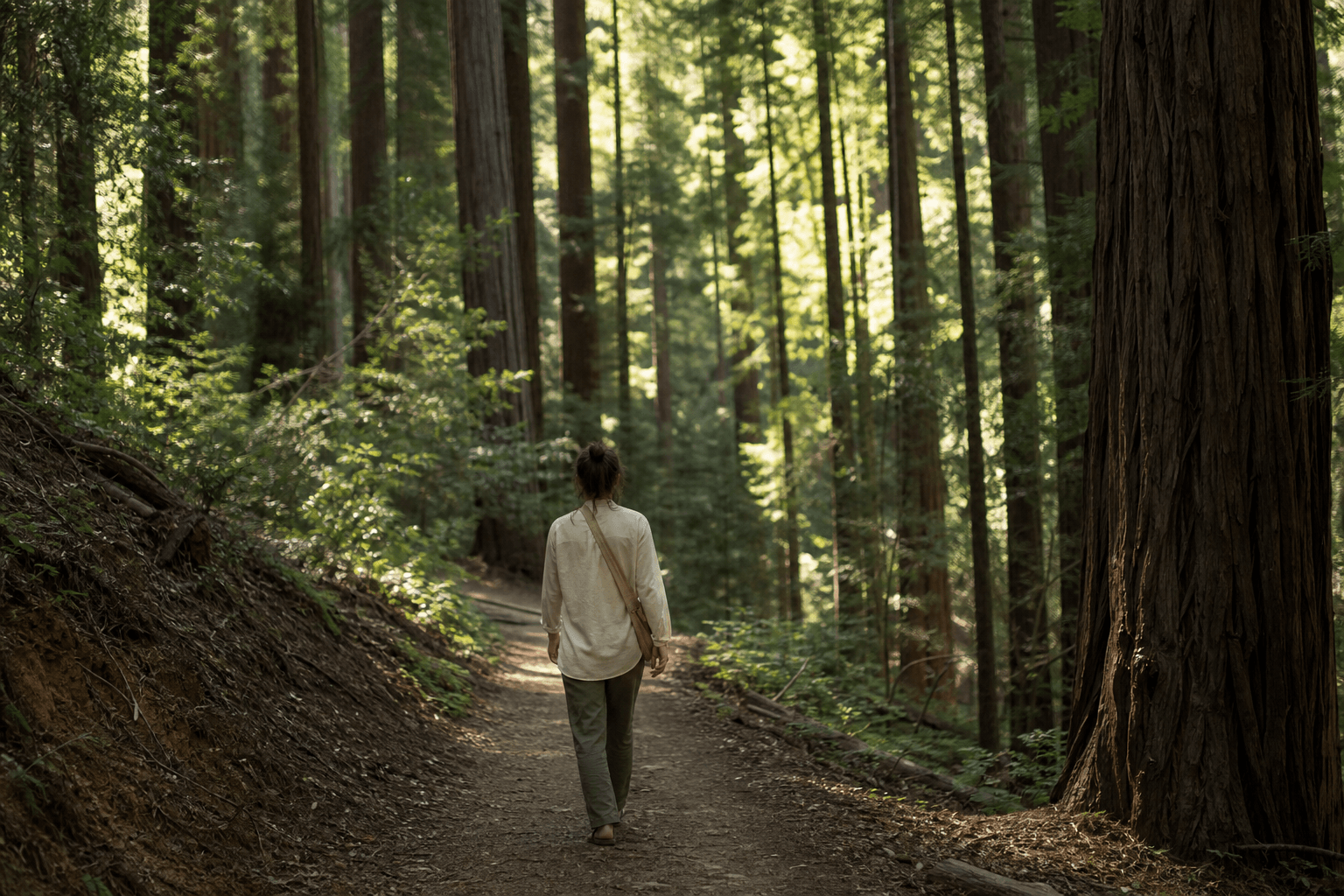
Does forest bathing actually work? An honest look at the evidence
Yes, within limits. Forest bathing has solid evidence for lower stress, better mood, and restored attention, more research than most wellness practices. The immune-boost and medical claims rest on thinner ground. What the shinrin-yoku studies actually show, and how to do it.
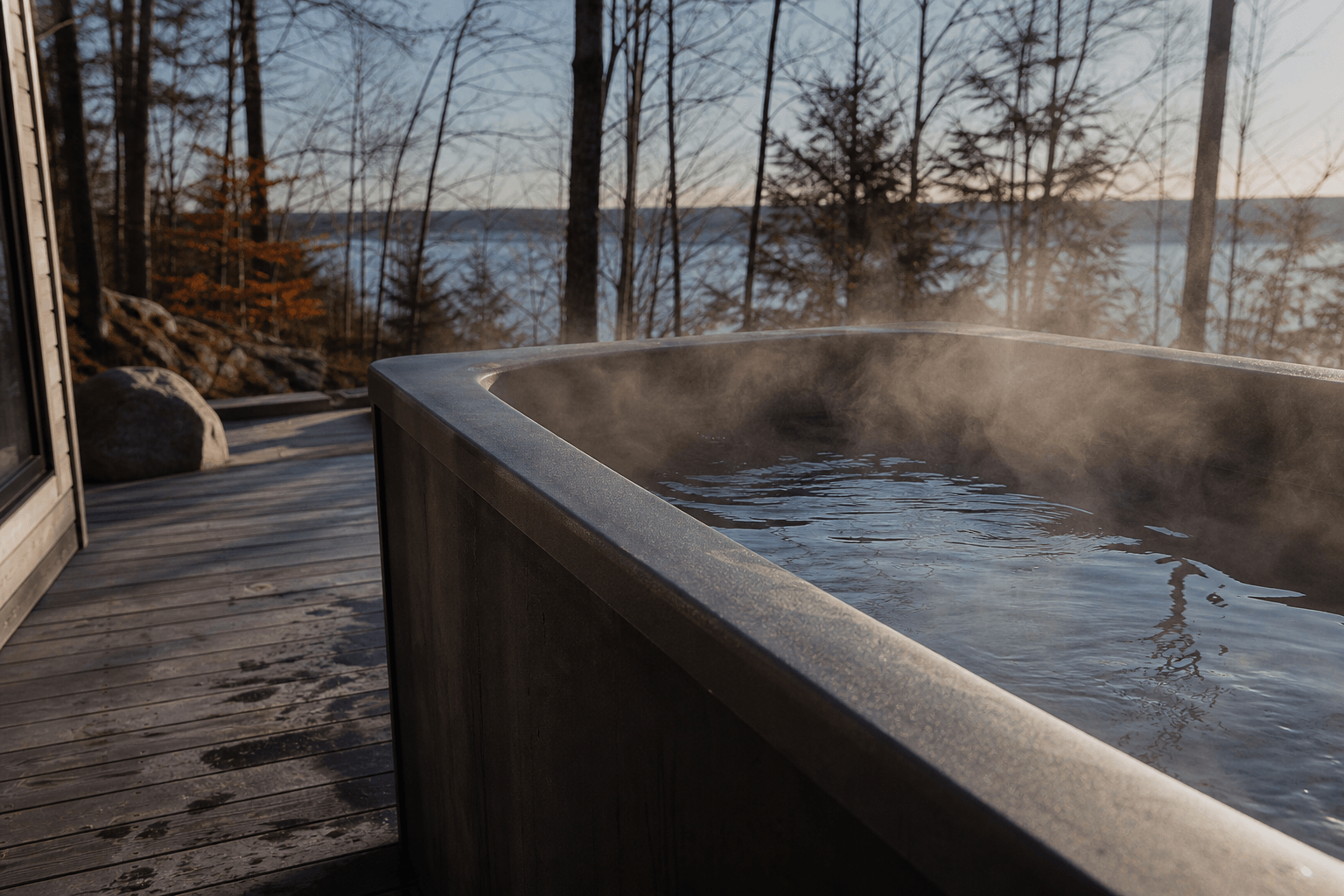
Cold plunge benefits: what the science actually shows in 2026
Cold plunging reliably lifts mood and alertness and makes recovery feel better, and that is most of what the evidence supports. It is not a treatment for any condition, the metabolic claims are weak, and the cardiovascular caveats are real. Here is the honest read.

Do wellness retreats actually work? An honest look at what the evidence says
Retreats reliably deliver a short-term reset and a clean starting point, and the lift usually fades within about two weeks unless one small habit survives the trip home. Here's what the evidence supports, what it doesn't, and how to keep the useful part.
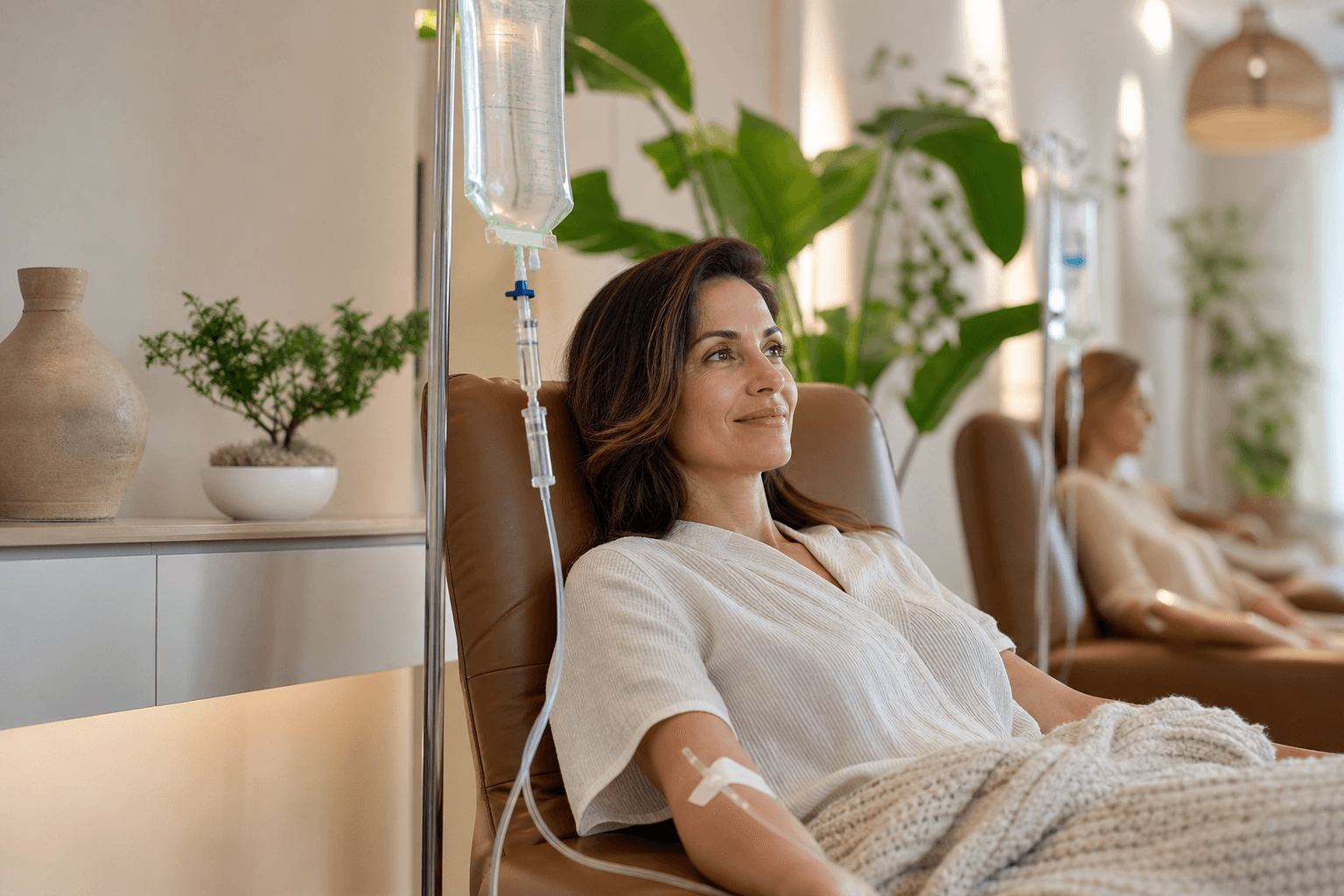
IV Therapy and Vitamin Drips: What They Can and Cannot Do
Wellness IV drips deliver fluids and vitamins directly into the bloodstream. Rehydration is real; the immunity, detox, and anti-aging claims are largely marketing. Here's what you're actually paying for.
Somatic work & TRE: releasing stress through the body, explained
An honest guide to somatic work and TRE (tension & trauma releasing exercises): what these body-based practices are, what they aim to do, the emerging evidence, and how to do them safely.

Hot springs & thermal soaking: what the warm water actually does
A clear guide to hot springs and thermal soaking (balneotherapy): what the warm mineral water does, what the evidence supports, who should be careful, and how to soak well.

Equine Therapy Explained: What Horses Actually Do for Mental Health
Equine-assisted therapy uses horses to support mental health and emotional growth. Here's what a real session looks like, what the evidence actually shows, who benefits, and what to watch out for.

Tai chi & qigong: gentle movement with surprisingly strong evidence
A grounded guide to tai chi and qigong: what each practice is, the genuinely solid evidence for balance, blood pressure, and stress, who benefits most, and how to get started.
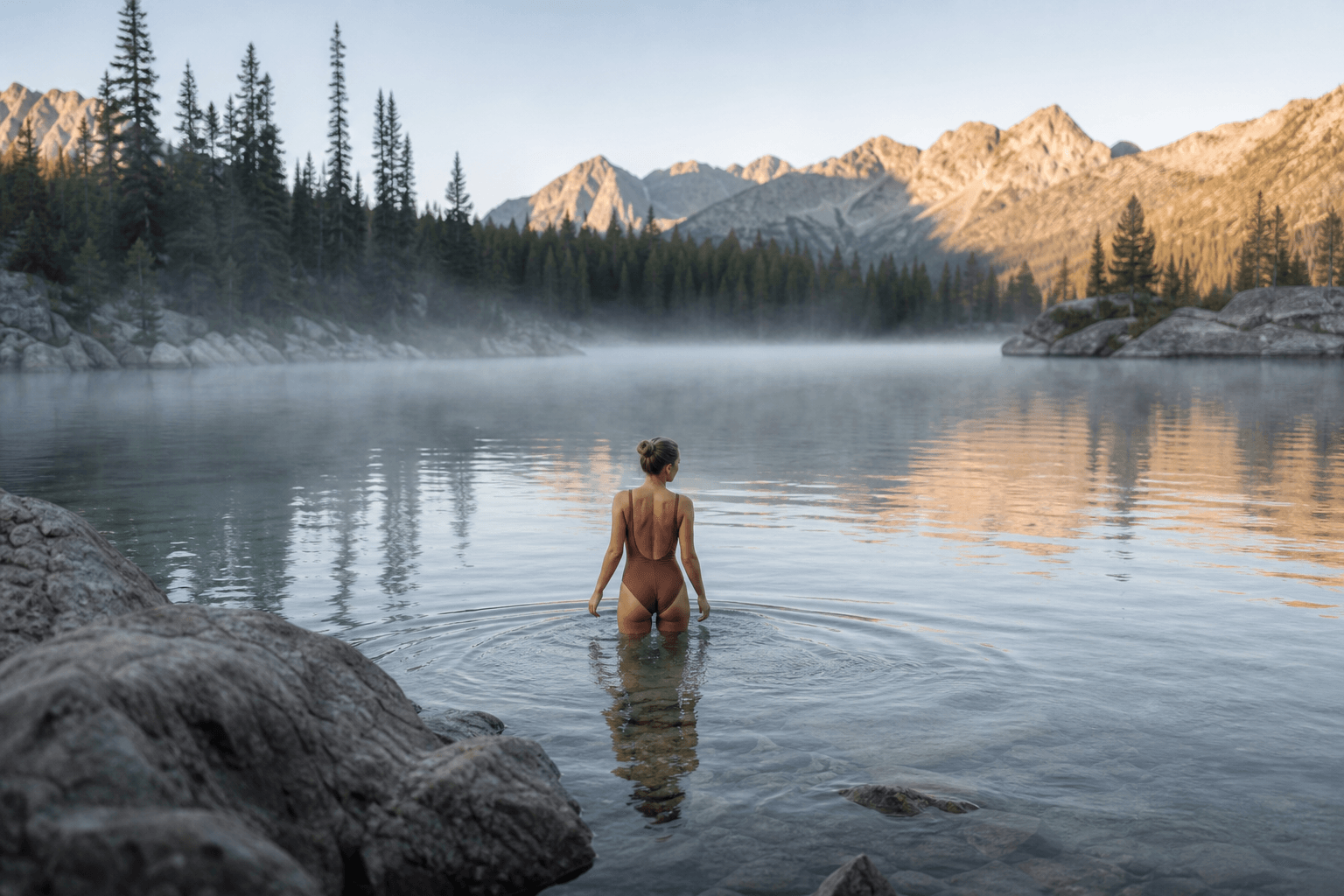
Wild Swimming Explained: Benefits, Real Risks, and How to Start Safely
Wild swimming in lakes, rivers, and the sea is growing fast as a wellness practice. Here's what the evidence says about cold-water benefits, and the cold-shock and drowning risks that deserve equal attention.
Ecstatic dance: what it is, what a session feels like, and who loves it
A clear guide to ecstatic dance: the free-form, sober movement practice, what a session is actually like, the etiquette, who it suits, and how to walk in without feeling self-conscious.
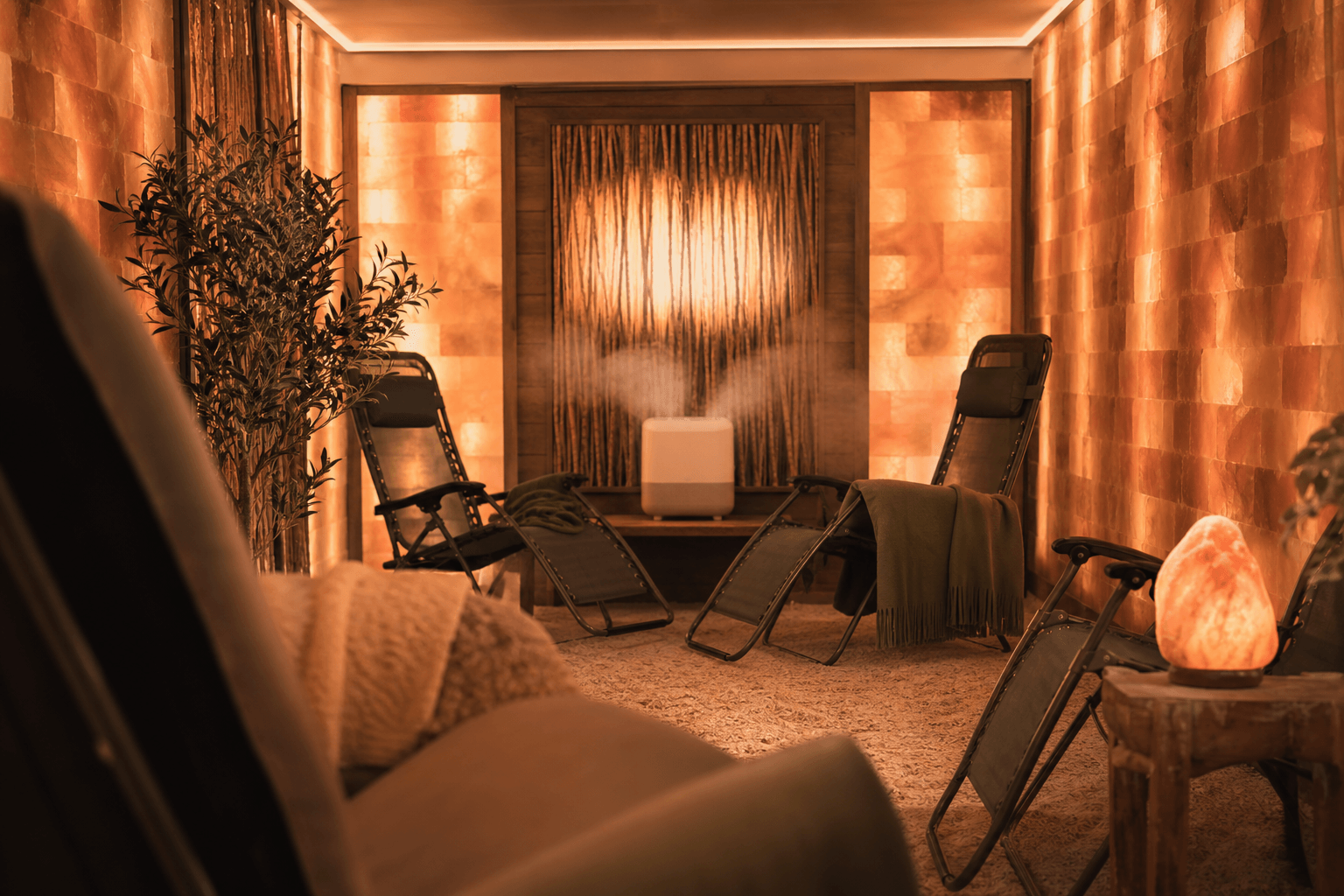
Halotherapy Explained: Salt Rooms, Salt Caves, and Honest Expectations
Halotherapy involves breathing pharmaceutical-grade salt aerosol in a salt room or cave. It may offer mild respiratory comfort; the evidence for treating asthma or allergies is thin. Here's what's real.

Horticultural Therapy Explained: What Therapeutic Gardening Actually Does
Horticultural therapy uses plants and gardening as tools for mental health, rehabilitation, and social connection. Here's what the evidence actually supports, who benefits most, and how to find a legitimate program.
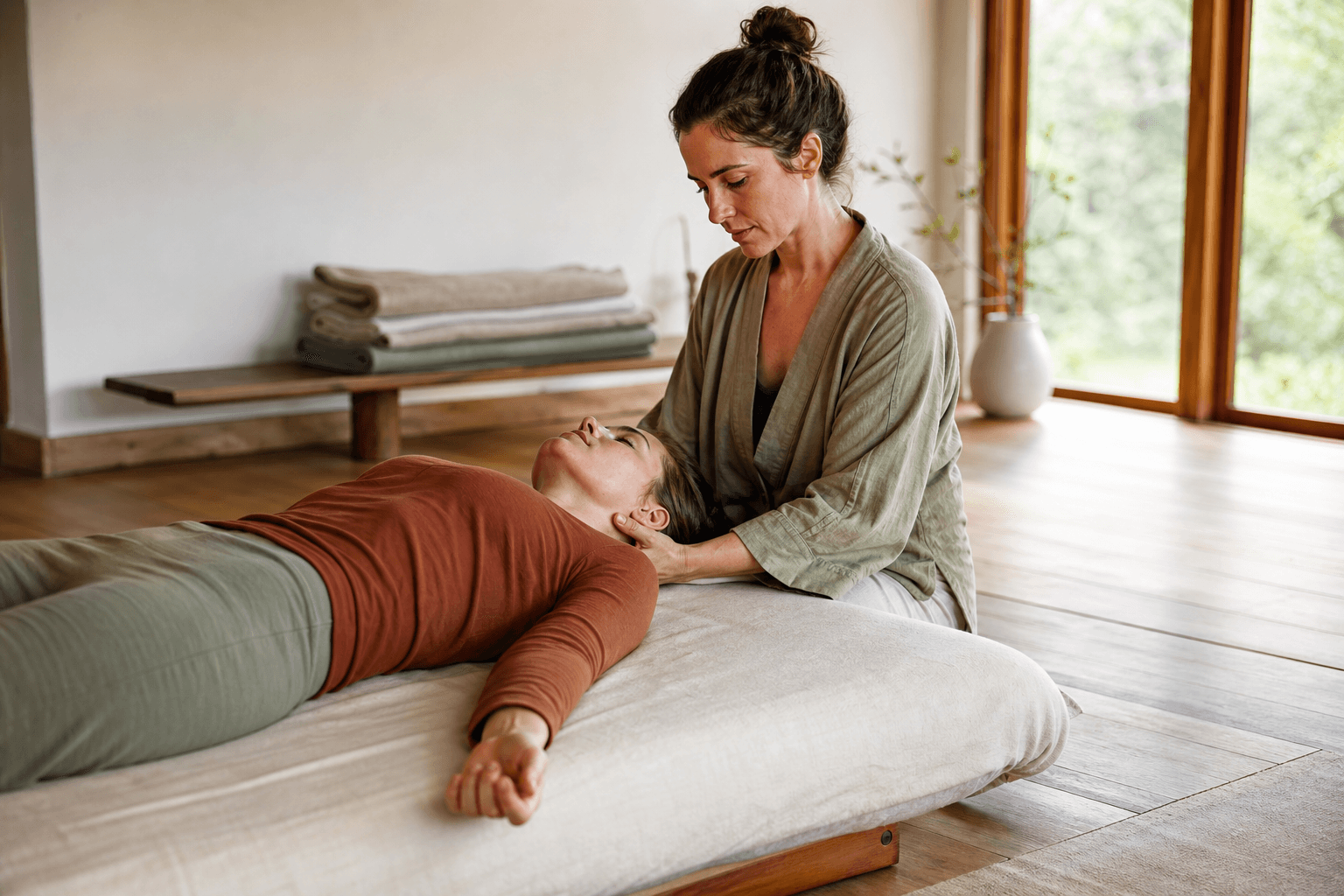
The Feldenkrais Method Explained: Movement, Awareness, and What the Evidence Shows
The Feldenkrais Method uses gentle guided movement to retrain how your nervous system organizes motion. Evidence supports it for chronic pain and mobility in older adults, though many claims extend well beyond what research confirms.

Art Therapy Explained: What Creative Expression Does (and Doesn't) Heal
Art therapy uses creative expression as a clinical tool for mental health. Here's what the evidence supports, how it differs from a wellness art class, who benefits most, and how to find a legitimate practitioner.

Forest bathing (shinrin-yoku): the simplest practice with real evidence behind it
A grounded guide to forest bathing (shinrin-yoku): what the practice actually is, the surprisingly solid evidence, and how to do it properly, it's not a hike.
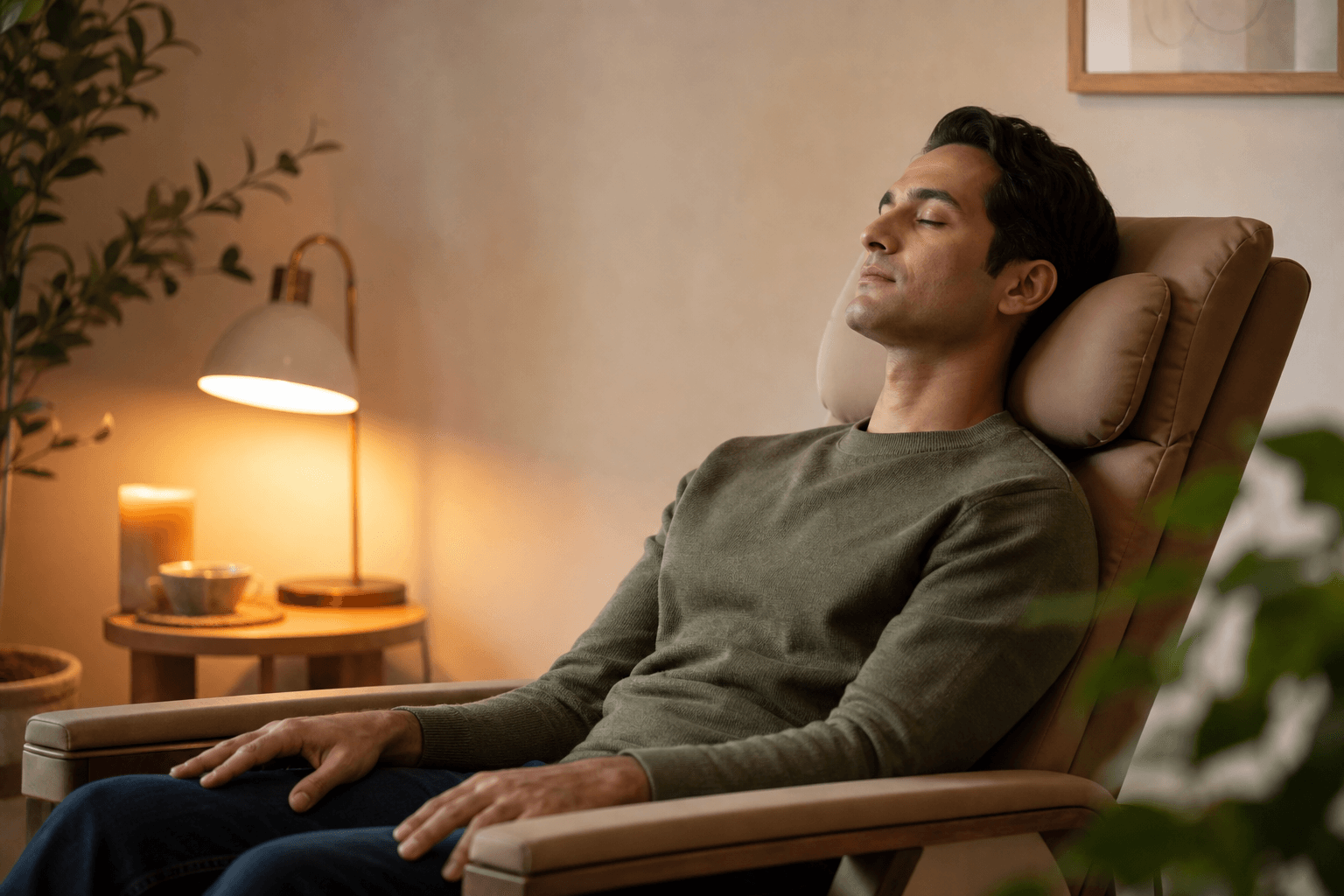
Hypnotherapy Explained: What Clinical Hypnosis Can and Can't Do
Clinical hypnosis has solid evidence for IBS, pain, smoking cessation, and procedural anxiety. It has very weak evidence for 'past-life regression' and recovering repressed memories, and a false-memory risk worth knowing about.
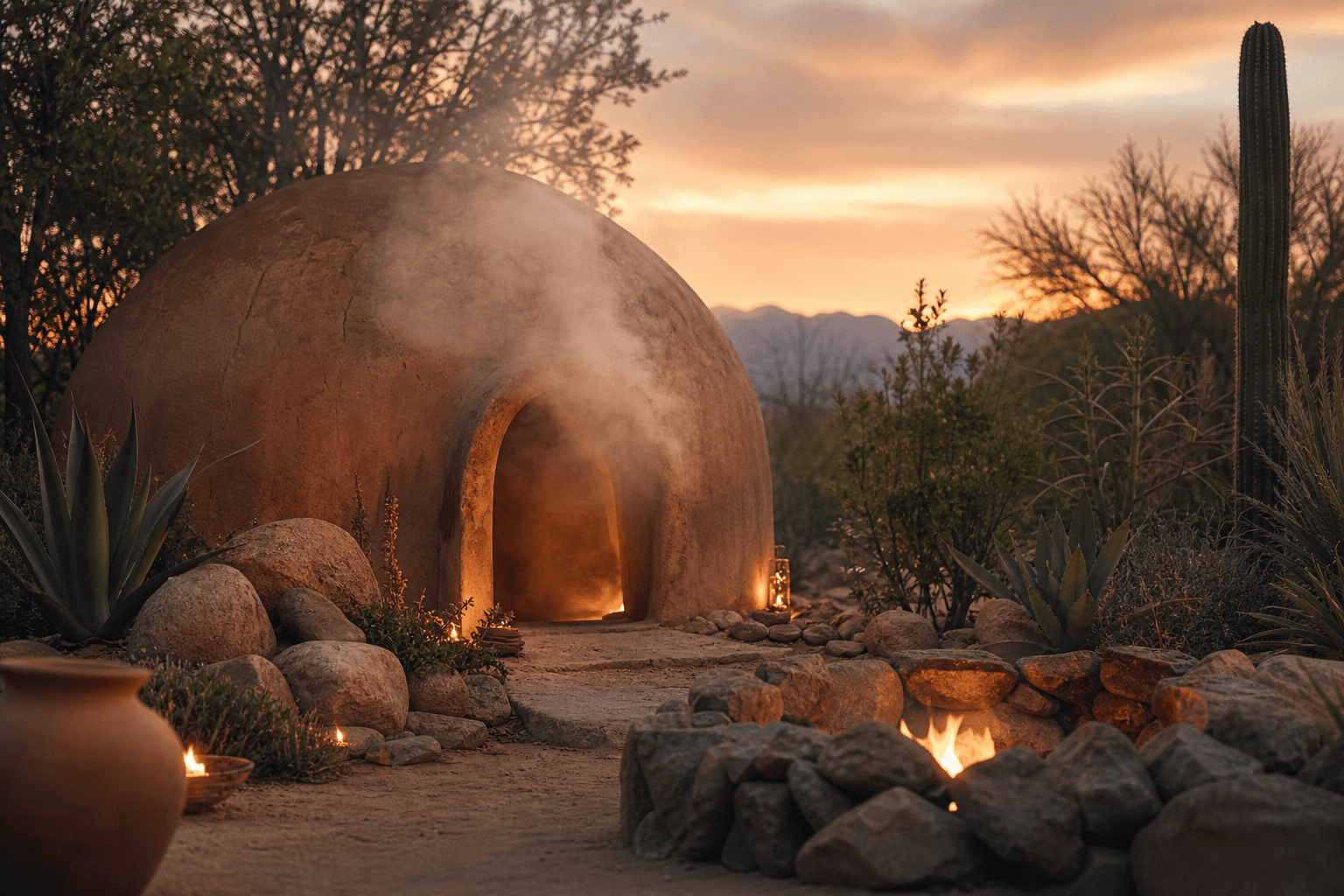
Temazcal and sweat lodge ceremonies explained: heat, ritual, and real risks
Temazcal and sweat lodge ceremonies: origins, what a session is like, the real heat-illness risks you need to know, who should not participate, and how to find a responsible facilitator.
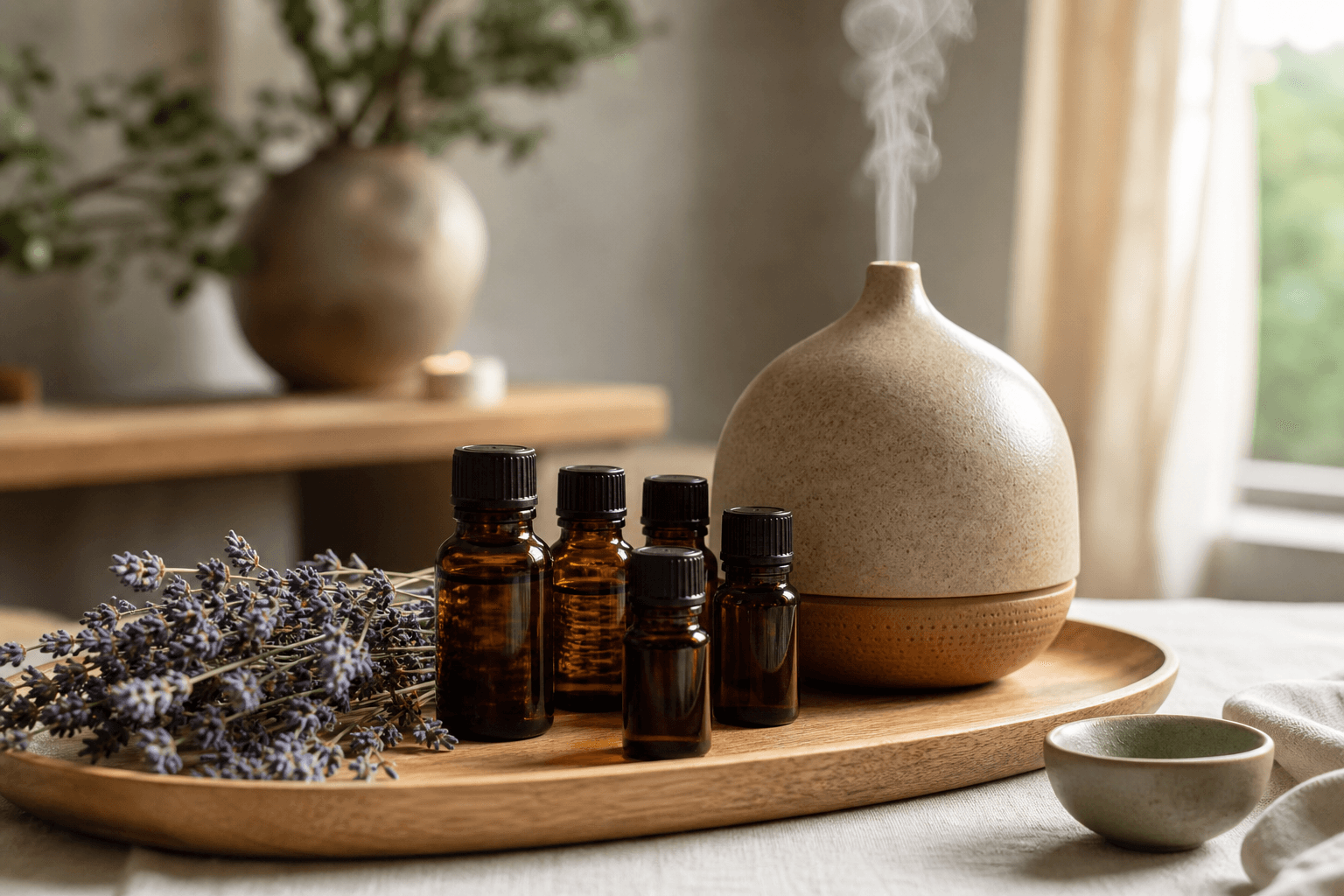
Aromatherapy explained: what essential oils actually do (and don't do)
Aromatherapy and essential oils: what the evidence supports (lavender for sleep, peppermint for nausea), what's overstated, safety considerations for skin, pets, and children, and how to use them well.
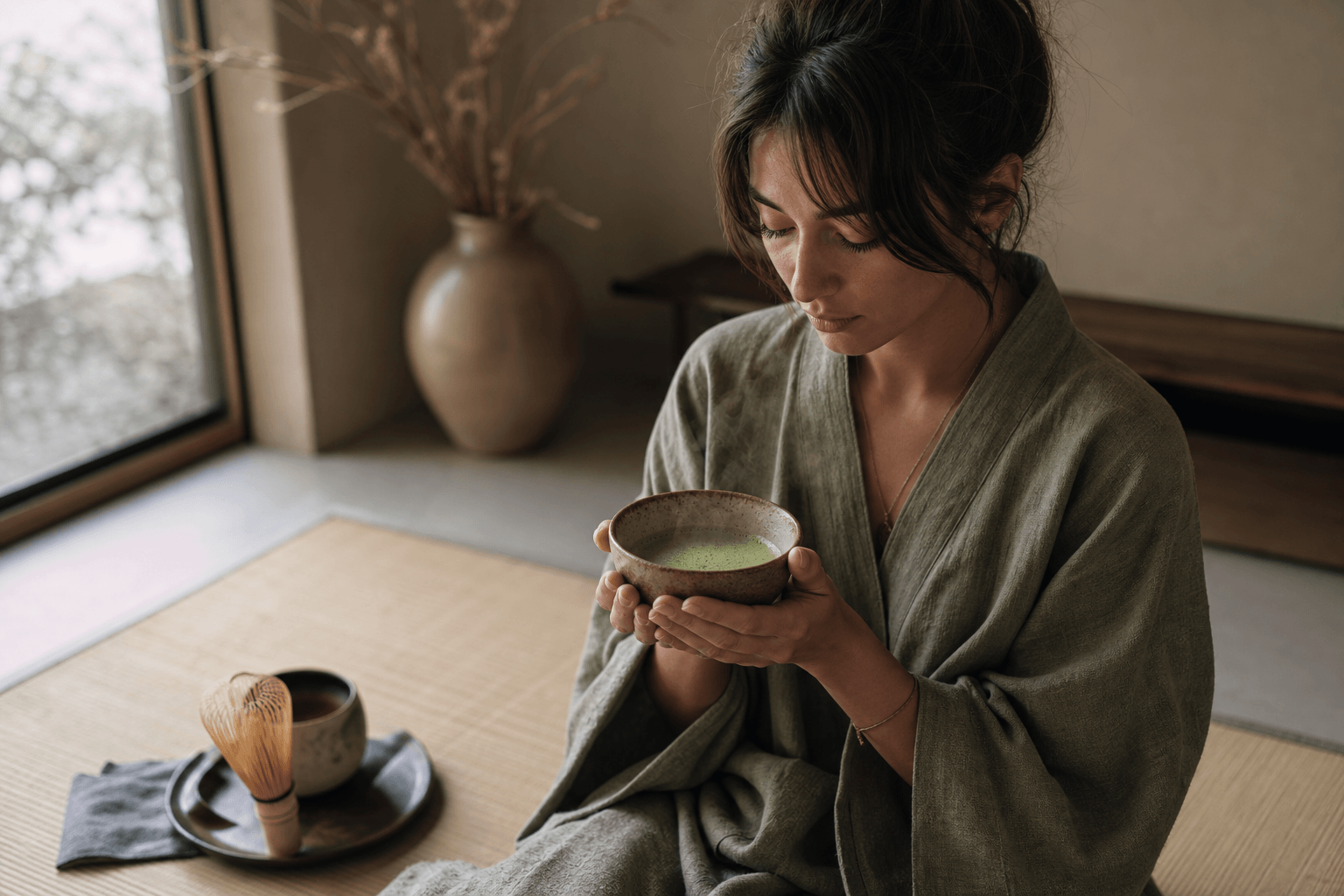
Tea ceremony explained: Japanese chanoyu, Chinese gongfu cha, and mindful tea rituals
Tea ceremony explained: what happens in Japanese chanoyu and Chinese gongfu cha, the wellness tea ritual scene, what participants report, and how to find a session worth attending.
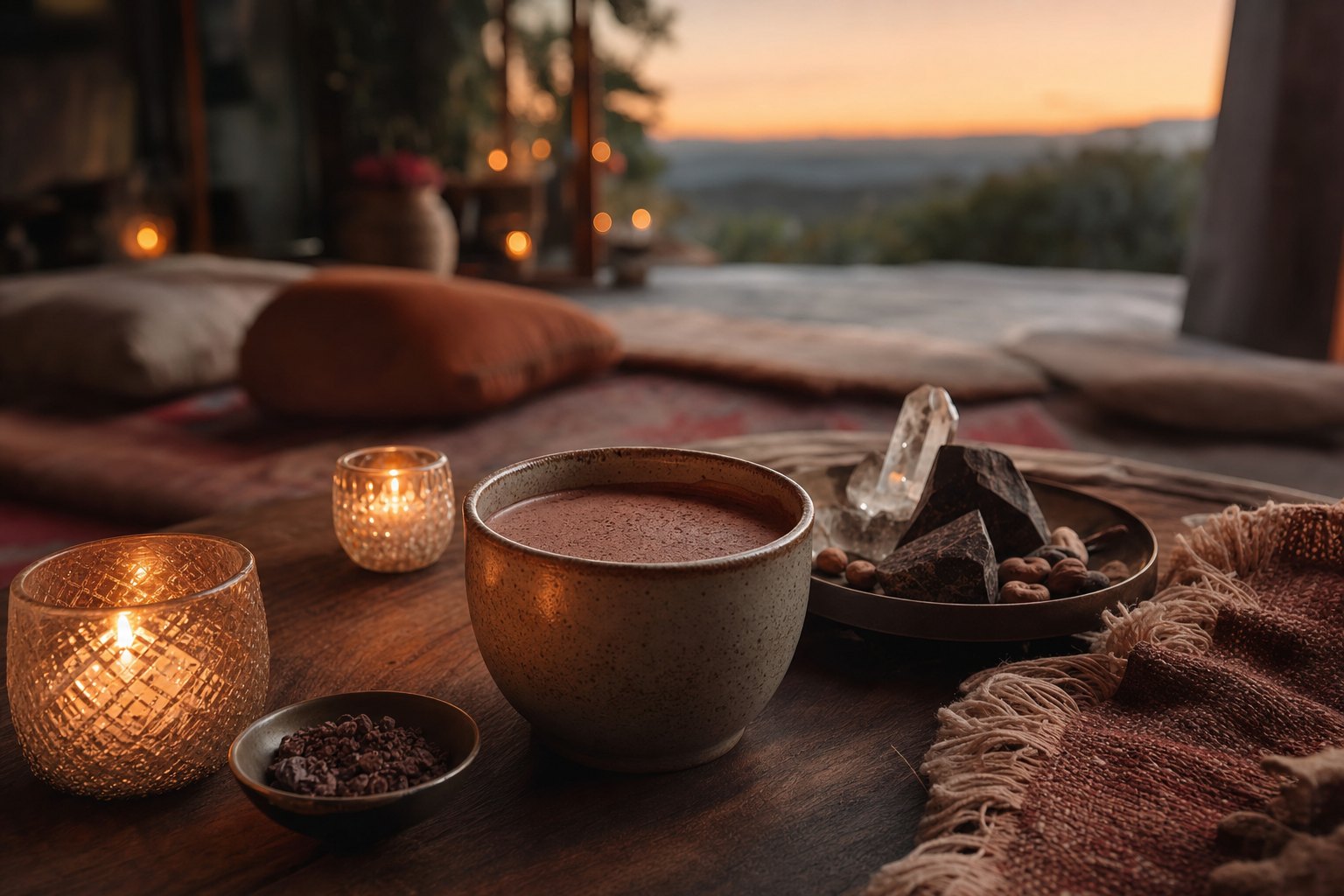
What actually happens at a cacao ceremony (and who it's for)
A plain-English guide to cacao ceremonies: what ceremonial cacao actually is, what a session looks like start to finish, who it suits, and the questions that separate a grounded facilitator from theatre.
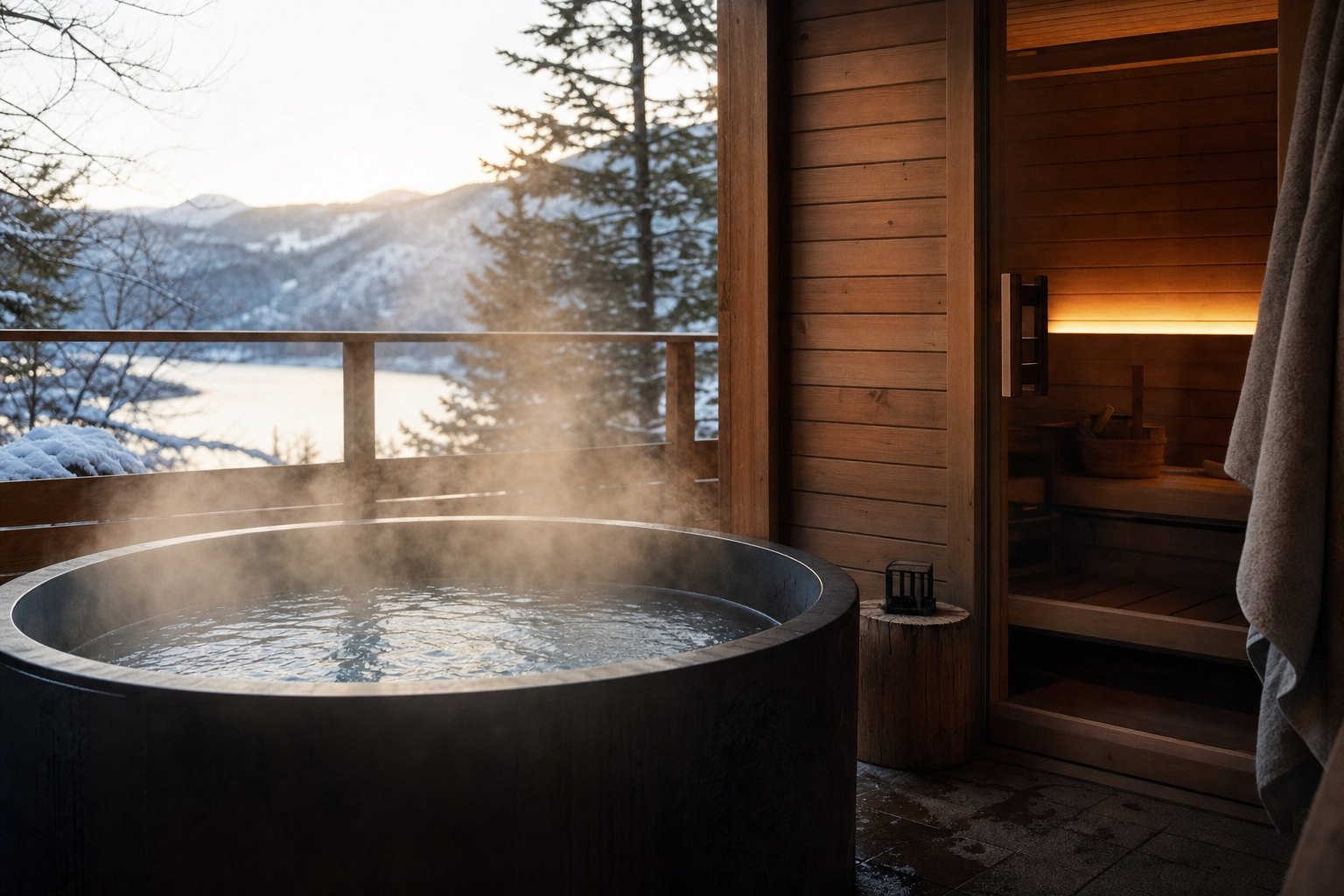
Cold. Sauna. Cold again. The contrast therapy explainer that doesn't sell you anything.
A plain-English guide to contrast therapy: what alternating cold plunge and sauna actually do, what the research supports, who should skip it, what it costs, and the four mistakes most beginners make.
Other topics in the Journal
Looking for somewhere to actually go?
Our city maps cover the sauna, cold plunge, breathwork and recovery venues in 34 US cities, with addresses and official sites.
Find wellness in your city