What actually happens your first time, practice by practice
The barrier to trying most of these practices isn't cost or access, it's not knowing what the room looks like, what you're supposed to wear, or what happens if you want to leave. These guides answer that for each practice, in the order you'd actually need to know it.
87 guides in this topic. For everything else, the full Journal; for the practices themselves, the explainer library.
How to use this topic
Find the practice you're about to try and read its "your first" guide. The accessibility and identity guides are worth reading alongside it if anything about the standard setup — mobility, body size, hearing, sensory load — would change your experience.
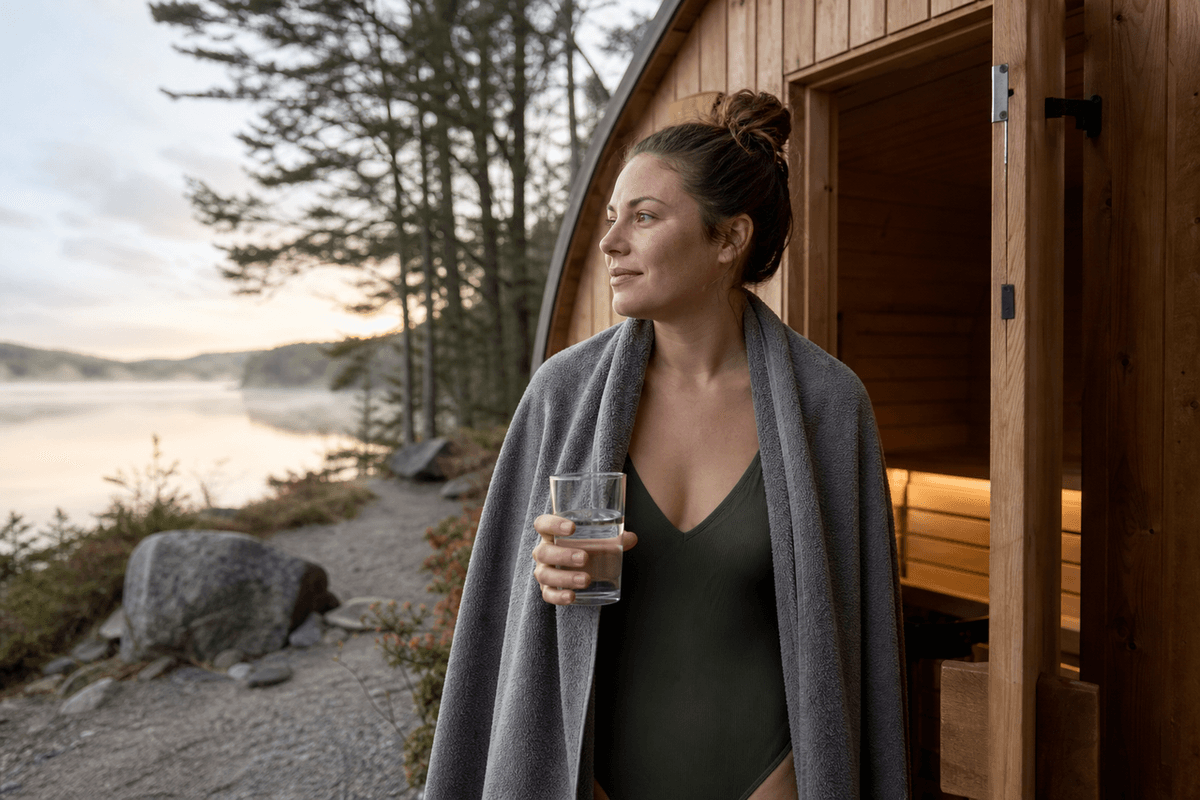
Wellness on antidepressants: saunas, sweating, retreats and what is actually safe
Most of the wellness menu is open on an antidepressant. The exceptions are specific: SSRIs increase sweating and heat, rarely, sodium loss in older adults; St John's wort interacts with them; bupropion lowers the seizure threshold; and a retreat is never the place to stop.
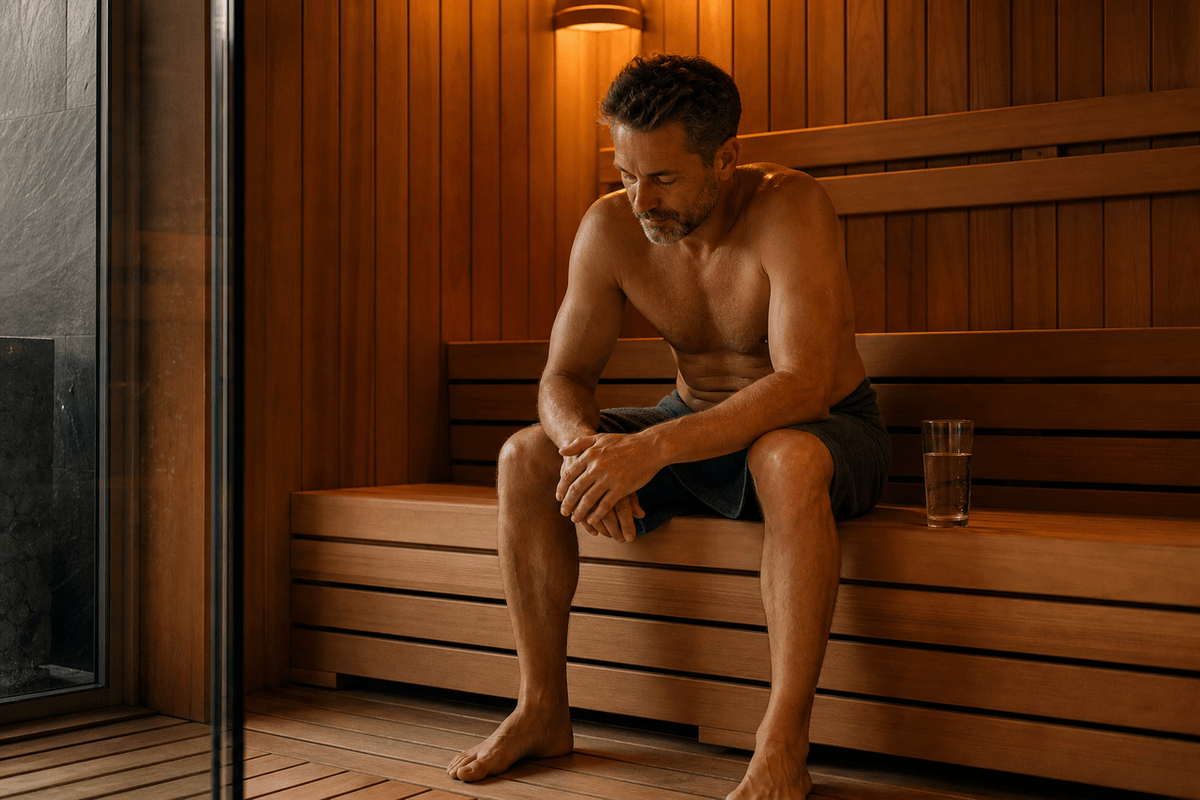
Wellness on blood pressure medication: amlodipine, losartan, metoprolol and the sauna exit
Heat lowers blood pressure and so does the tablet, and the two meet when you stand up. Calcium channel blockers and ACE inhibitors deepen the drop, beta blockers hide the warning, diuretics drain the electrolytes, and clonidine rebounds if a dose is missed.
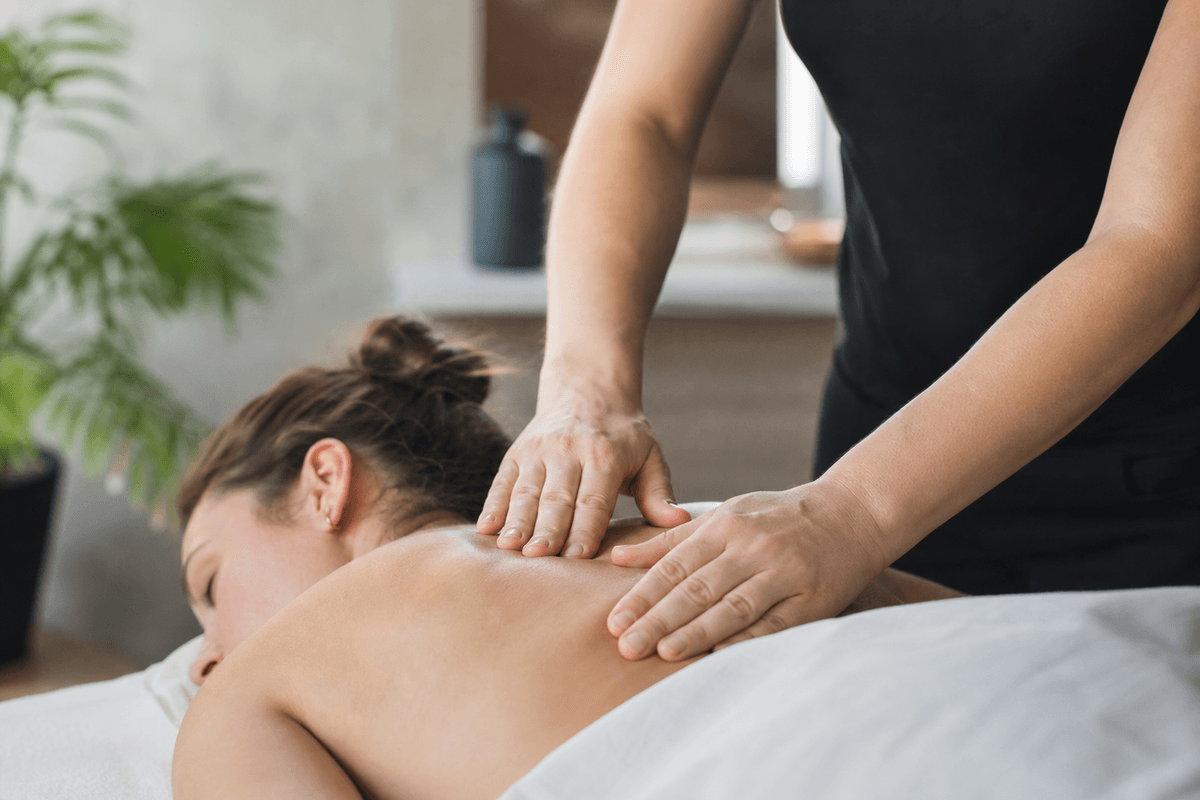
Wellness on blood thinners: massage pressure, cupping, wet floors and what is actually safe
Anticoagulants such as Eliquis, Xarelto and warfarin make bleeding and bruising the thing to plan around. Cupping, gua sha and deep tissue work mark the skin, wet floors and faints risk a head injury, and herbal supplements interact. Heat and cold are otherwise fine.
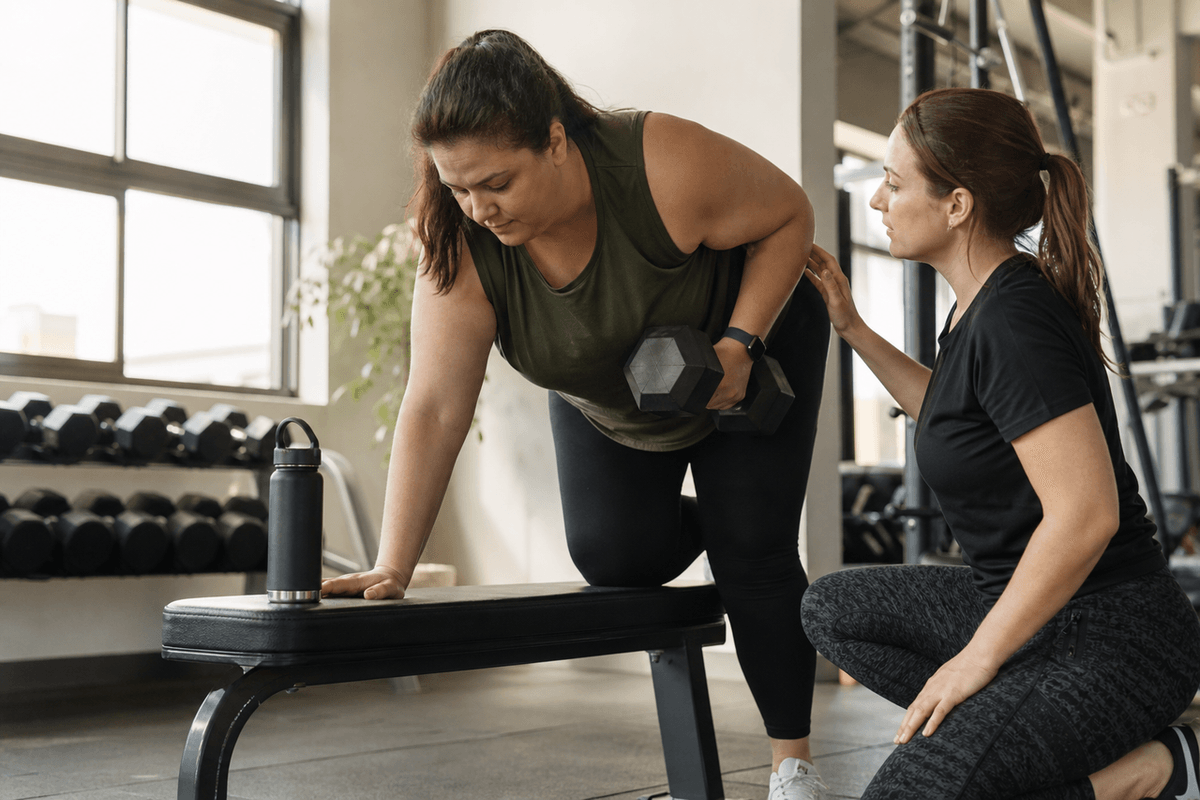
Wellness on Ozempic, Wegovy or Mounjaro: saunas, massage, muscle and what is actually safe
GLP-1 drugs suppress appetite and thirst and slow the stomach, so dehydration in a sauna and nausea lying flat are the real risks, and a cleanse is the wrong buy. Heat is fine with water on a schedule, and strength training protects the muscle the scale hides.
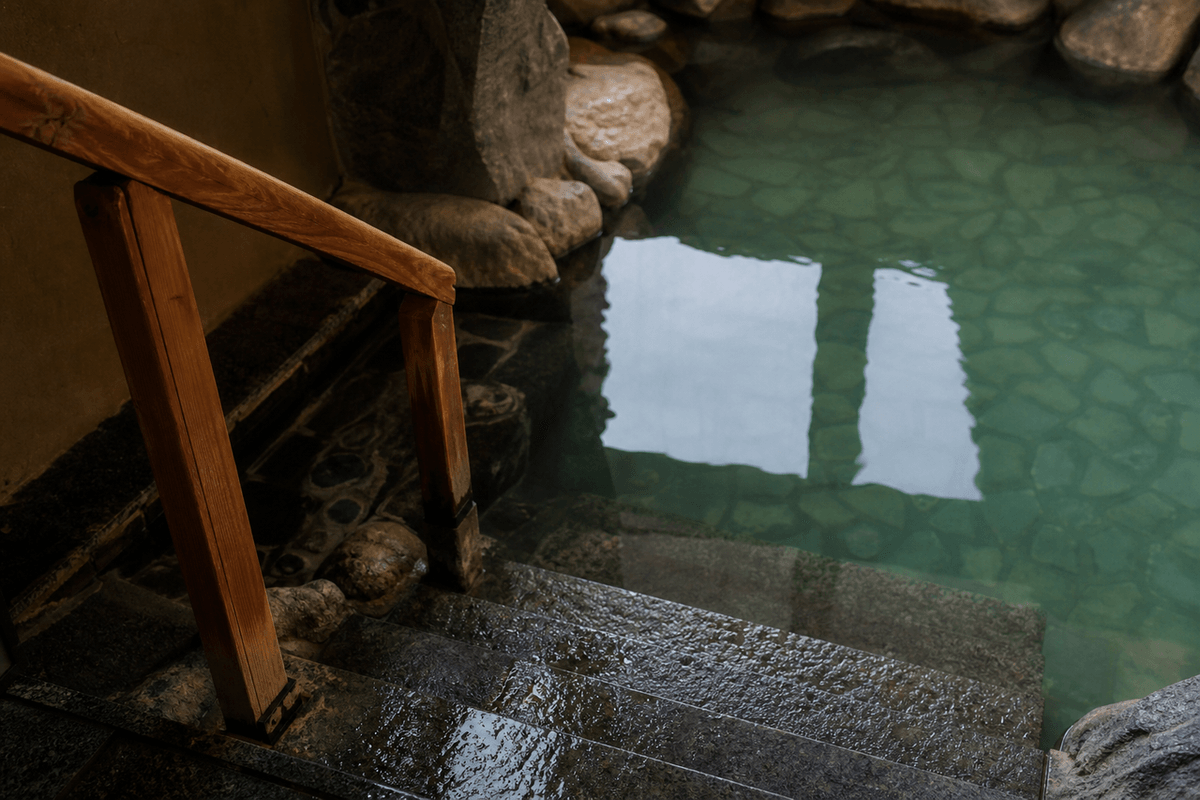
Wellness on sedating medication: gabapentin, trazodone, benzodiazepines, opioids and the hot room
Sedating drugs, gabapentin, pregabalin, trazodone, benzodiazepines, sleep tablets and opioids, dull the signals a sauna, float or plunge depends on and raise the risk of a fall. Heat and water are fine with company, shorter sessions and no alcohol. Never alone, never combined.
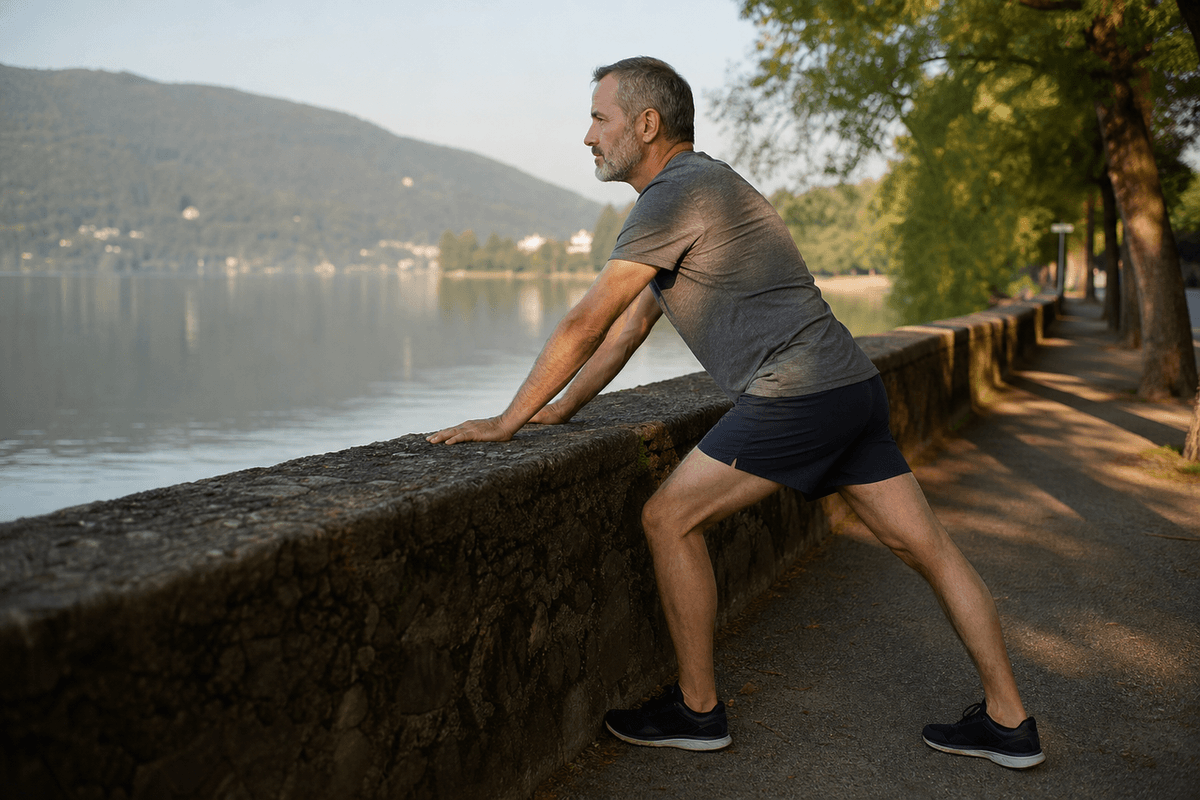
Wellness on statins: muscle aches, hard exercise, saunas and the CoQ10 pitch
Statins are safe to exercise on, and the muscle ache most people attribute to them is usually not the drug. The rare true muscle injury is a blood test, not a sauna. Heat, cold and massage are fine, hard new exercise deserves a gradual start, and CoQ10 failed its meta-analysis.
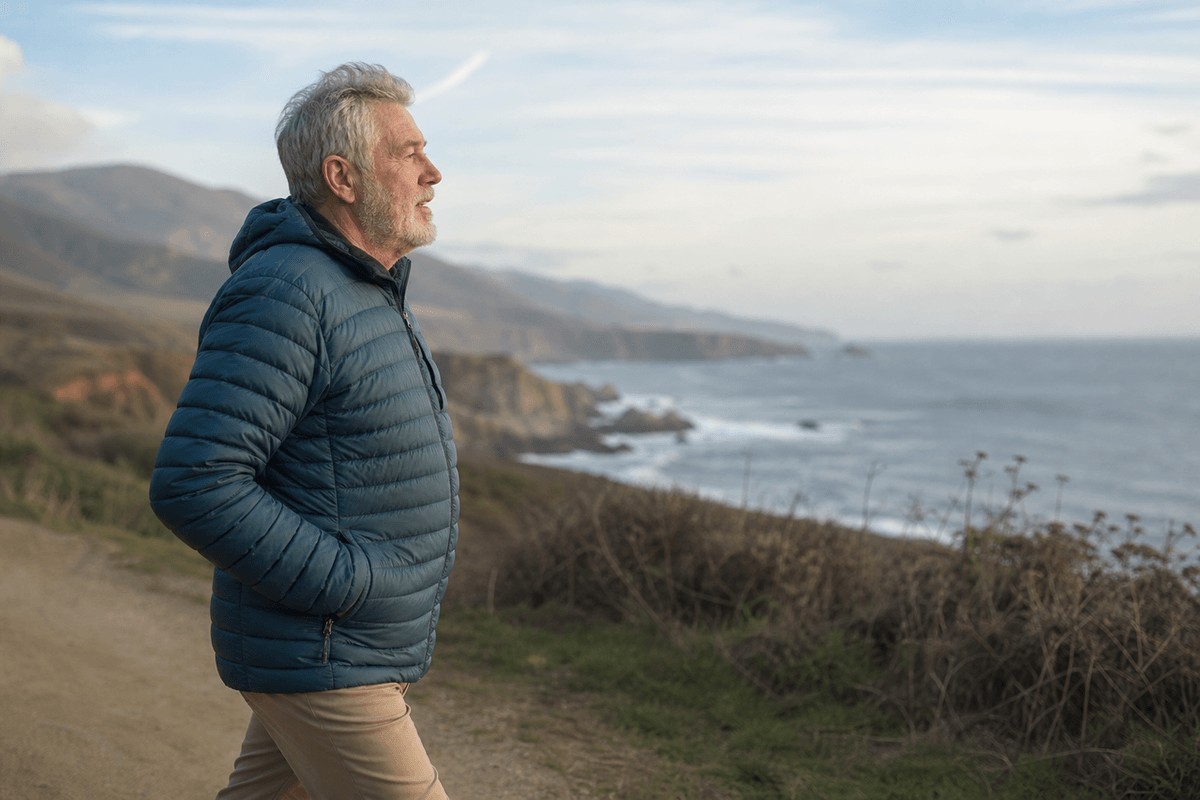
Wellness with COPD: breathwork, steam, cold air, altitude and what is actually safe
COPD narrows the airways for good, and the practices with evidence are slow breathing training, pulmonary rehabilitation and, surprisingly, singing. Hyperventilation breathwork, mountain retreats and cold air are the traps, and a sauna is fine with oxygen left outside.
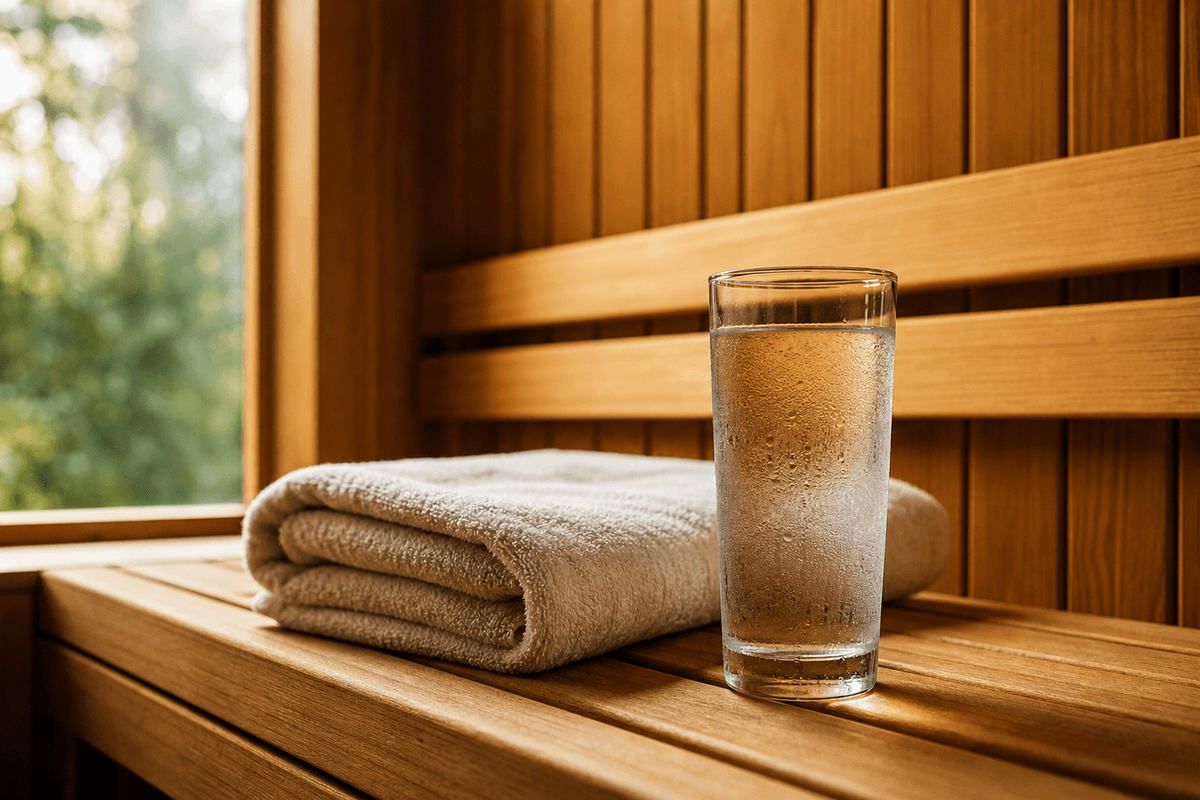
Wellness with kidney stones: saunas, hot yoga, hydration and what is actually safe
Kidney stones form when urine is concentrated, and heavy sweating concentrates it, so the sauna sold as a detox is the risk. A randomized trial found that keeping urine dilute cut recurrences. Heat is fine with the water to match, and a moving stone is an emergency.
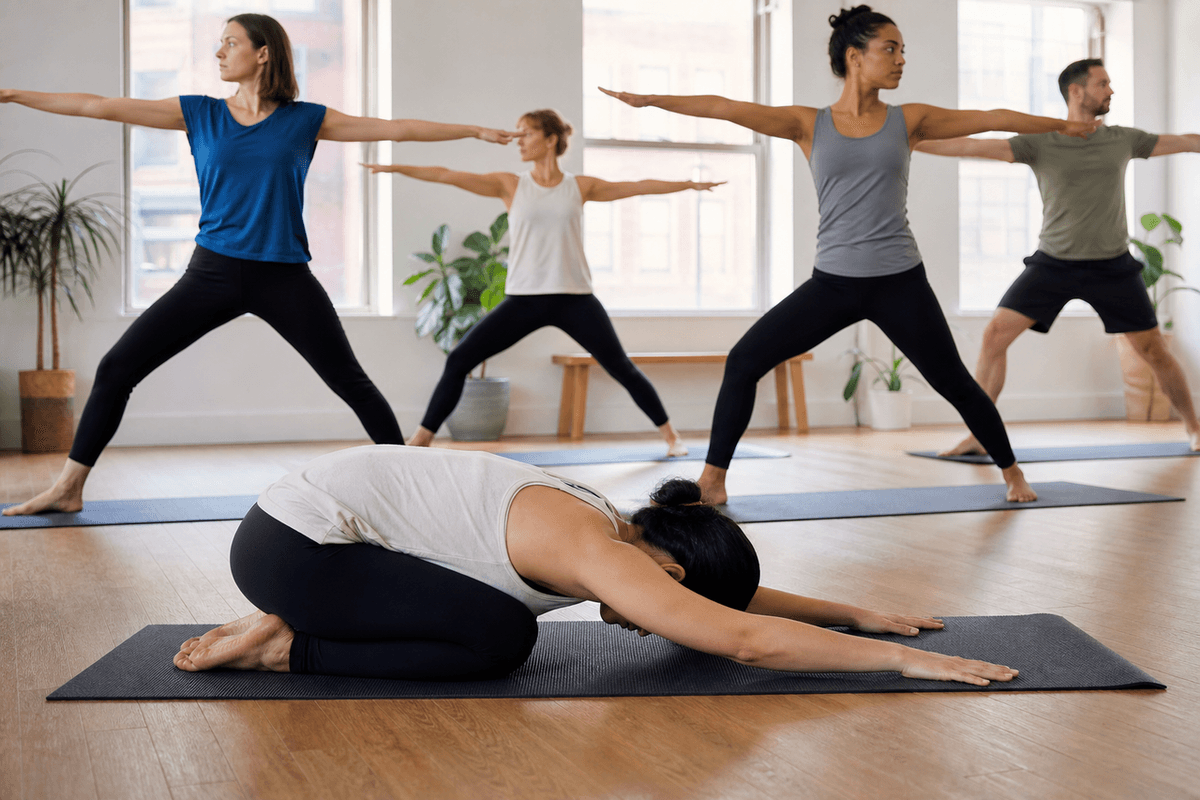
Wellness with glaucoma: the yoga poses that raise eye pressure, and what is actually safe
Glaucoma is damage to the optic nerve, usually driven by pressure inside the eye, and head-down yoga poses raise that pressure while held. Inversions, breath-holding and pressure on the eyes are the things to refuse. Saunas, massage and most classes are fine.
Wellness with IBS: yoga, hypnotherapy, massage and the cleanse that makes it worse
IBS is a disorder of how the gut and brain talk to each other, not a dirty colon. Gut-directed hypnotherapy has trials behind it, yoga has smaller ones, and a calmer nervous system helps. Cleanses, colonics and juice fasts have no evidence and can make it worse.

Wellness with lupus: sun, heat, shared water and what is actually safe
Lupus is a systemic autoimmune disease and ultraviolet light is its best-documented trigger, so the rooftop class and the beach retreat are the risk. Exercise is safe and helps fatigue, massage is fine with adjustments, and immune-suppressing drugs set the shared-water rule.
Wellness with multiple sclerosis: heat, cooling, movement and what is actually safe
Multiple sclerosis makes most people heat-sensitive: a rise in body temperature brings symptoms back within minutes and cooling reverses them. Saunas, hot tubs and hot yoga are the traps. Exercise has strong evidence, cool water often helps, and massage is fine.
Wellness with a thyroid condition: heat, cold, the neck, and the detox that is not one
An overactive thyroid runs hot and fast, so saunas and hot yoga wait for treatment. An underactive one runs cold and slow, so a cold plunge is miserable rather than dangerous. No pose, detox or supplement changes a hormone level, and a neck lump is a doctor's question.

Wellness with a health condition: which guide to read first
The wellness menu is written for a body with nothing wrong with it. This page sorts every guide we have written for a specific condition or situation by the question that decides what is safe for you: heat, pressure, breath, water, sleep, or the door.
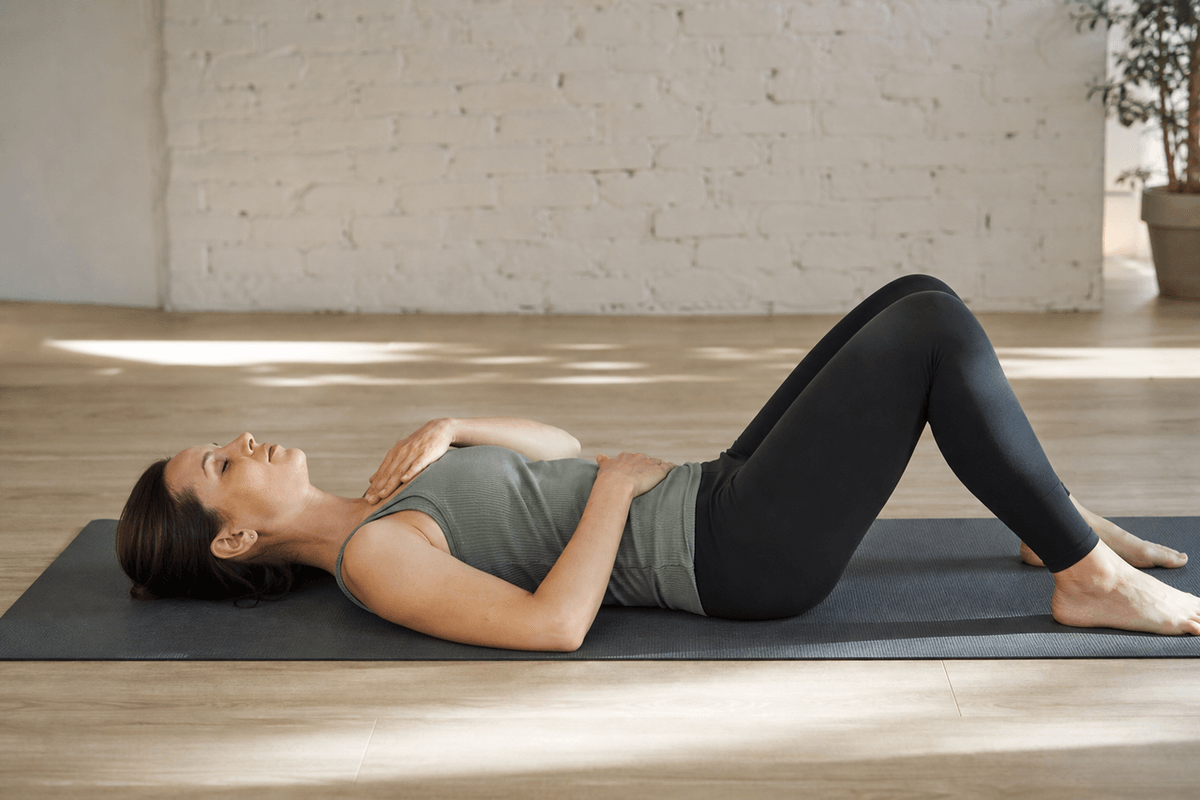
Wellness with acid reflux or a hiatal hernia: inversions, massage, breathing and timing
Reflux is acid rising from the stomach, and a hiatal hernia is the stomach slipping through the diaphragm. Inversions, deep folds, abdominal pressure and a full stomach make both worse. Breathing training has a trial, timing does the rest, and hands cannot push a hernia down.
Wellness with atrial fibrillation: saunas, cold plunges, alcohol and what is actually safe
Atrial fibrillation is an irregular heart rhythm, and its documented triggers are the wellness menu's headline items: heat, dehydration, cold shock and alcohol. What helps is moderate regular exercise, gentle yoga and less alcohol. Blood thinners change massage and cupping.
Wellness with ADHD: why sitting still is the wrong door, and what actually helps
For ADHD the practice with the best evidence is exercise, meditation helps modestly and works better in moving forms, floats divide people, and stimulant medication turns saunas, hot yoga and cold plunges into a question for the prescriber. Sitting still is not the test.

Wellness with bipolar disorder: sleep, retreats, breathwork and the reset that is not one
Bipolar disorder is a condition of mood episodes, and the retreat sold as a reset is built from its triggers: lost sleep, a moved clock, fasting, intensive silence. Movement, daylight and routine are safe and helpful. Sleep is the thing to protect, and the medication stays.

Wellness with eczema or psoriasis: saunas, salt water, floats and what to tell a therapist
Eczema and psoriasis are inflammatory skin conditions, not dirty skin. Heat and sweat can trigger eczema, skin injury can seed new psoriasis plaques, and salt water and sun are treatments with a dose. Scrubs, wraps and detox pitches are the things to skip, not the sauna.
Wellness with lymphedema: heat, massage, exercise and what the spa version gets wrong
Lymphedema is chronic swelling from a damaged lymph system, usually after cancer treatment. Spa lymphatic drainage is not the treatment. What helps is a certified therapist, compression, skin care and supervised strength training. Heat and deep pressure on the limb need care.
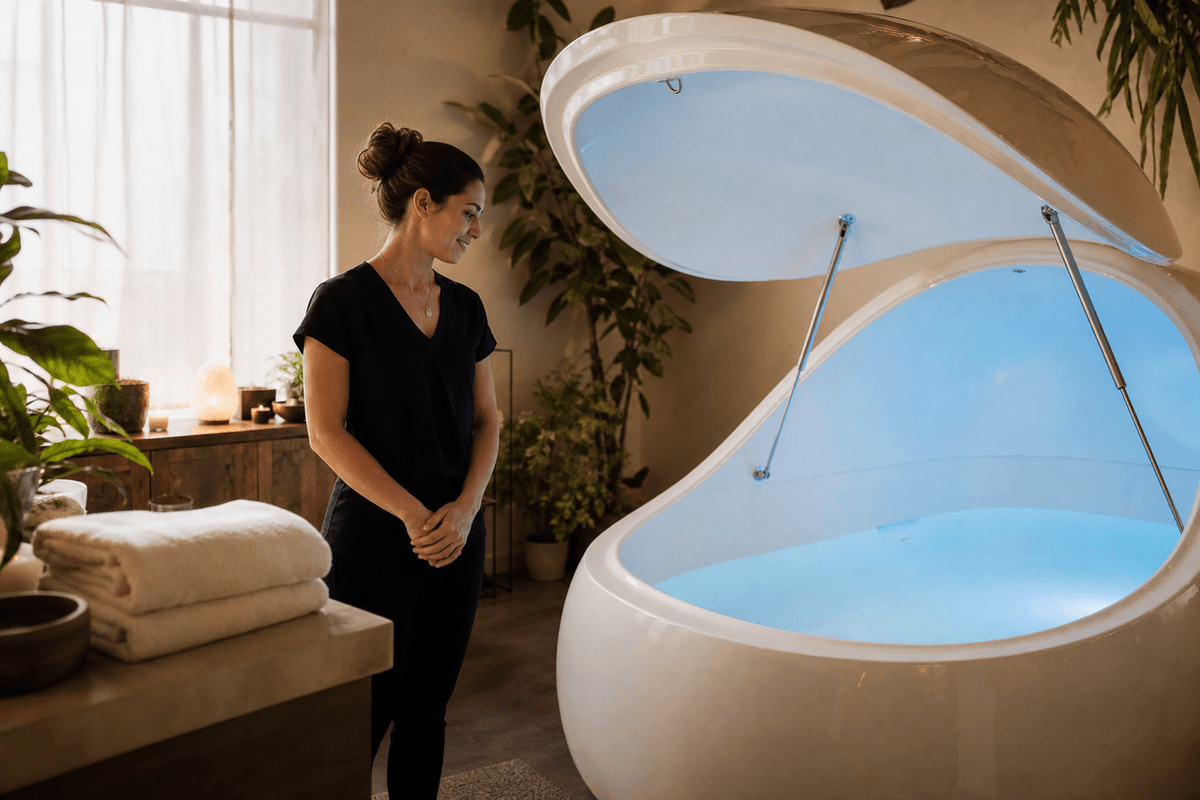
Wellness with epilepsy: breathwork, water, heat and sleep, honestly
Epilepsy is a tendency to recurrent seizures, and most people with it are well controlled on medication, so nearly everything in a wellness venue is open to them. The specific risks are intense breathwork, cut sleep, flashing lights for a minority and, above all, water alone.
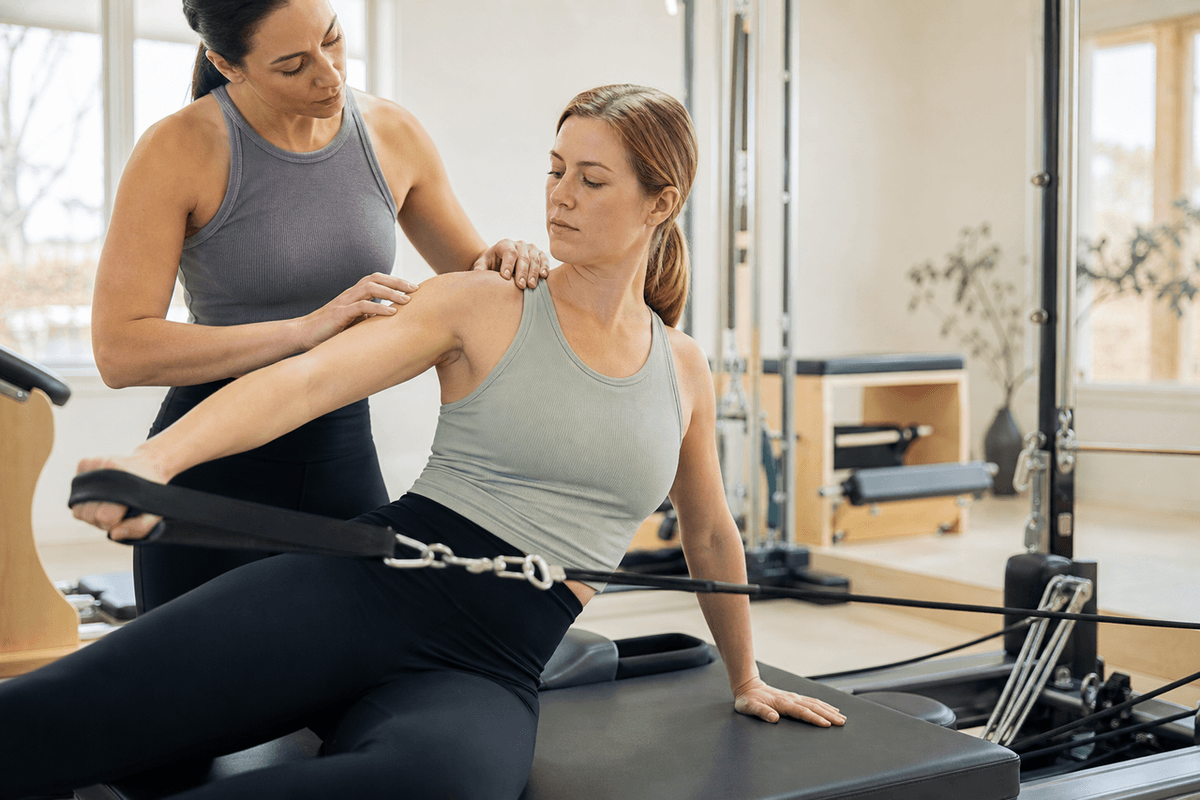
Hypermobility and Ehlers-Danlos: why flexibility is the trap, not the goal
Hypermobile joints reach end range easily and get hurt there, and the industry prizes exactly that range. What helps is strength, control and proprioception within a managed range, built with someone who knows the condition. No levered stretching, no adjustments.
Wellness with POTS or dysautonomia: heat, standing, and what is actually safe
POTS is an autonomic disorder in which standing sends the heart rate climbing. The industry's defaults, heat, standing classes and fasting, are its triggers. What helps is supervised exercise that starts reclined, fluids and salt under a clinician, and knowing how to stand up.
Rheumatoid and psoriatic arthritis: what wellness can and cannot do
Rheumatoid and psoriatic arthritis are immune-driven diseases, and specialist-managed medication is what changes their course. Around that, movement is recommended, warmth eases stiffness between flares, and moderate massage helps comfort if inflamed joints are left alone.
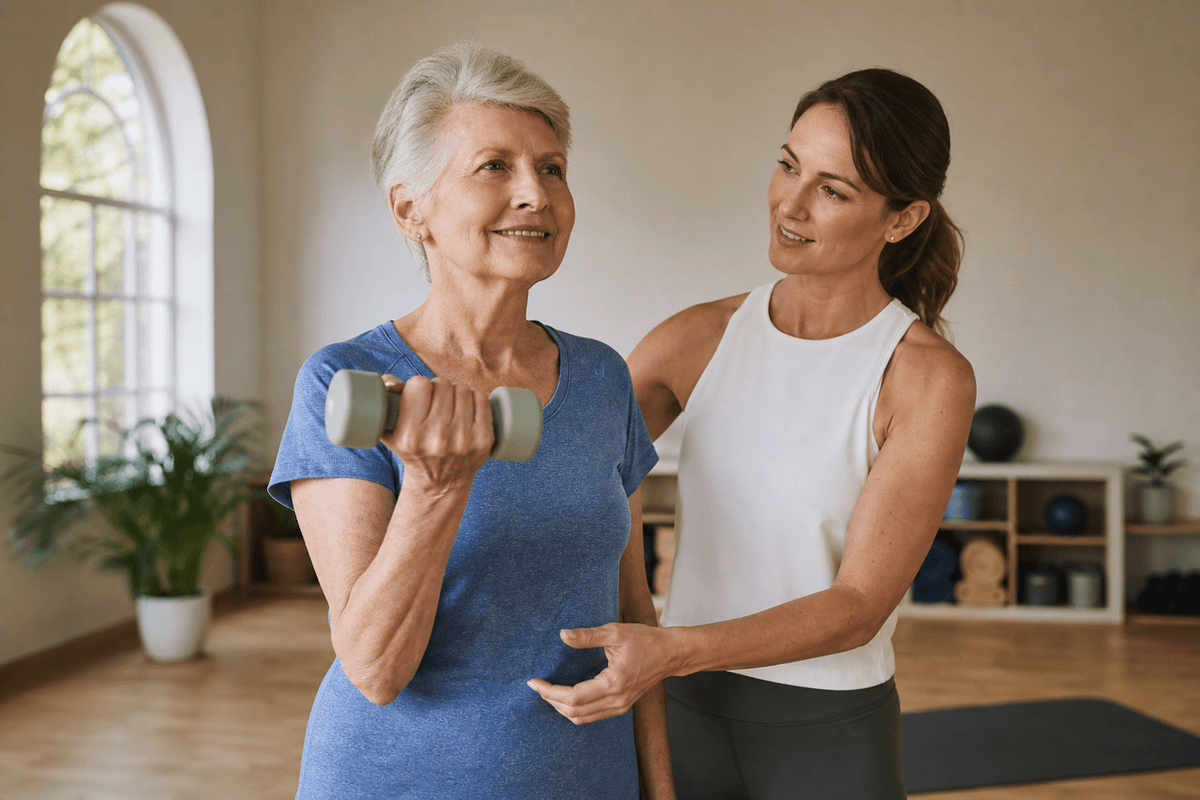
Wellness with osteoporosis: what is safe, what to avoid, and what helps bone
Osteoporosis is a reason to be specific about movement, not to stop. The hazard is loaded or fast spinal flexion, which can fracture a vertebra even in a gentle class. What helps bone is supervised resistance and impact training, plus balance work to prevent the fall.
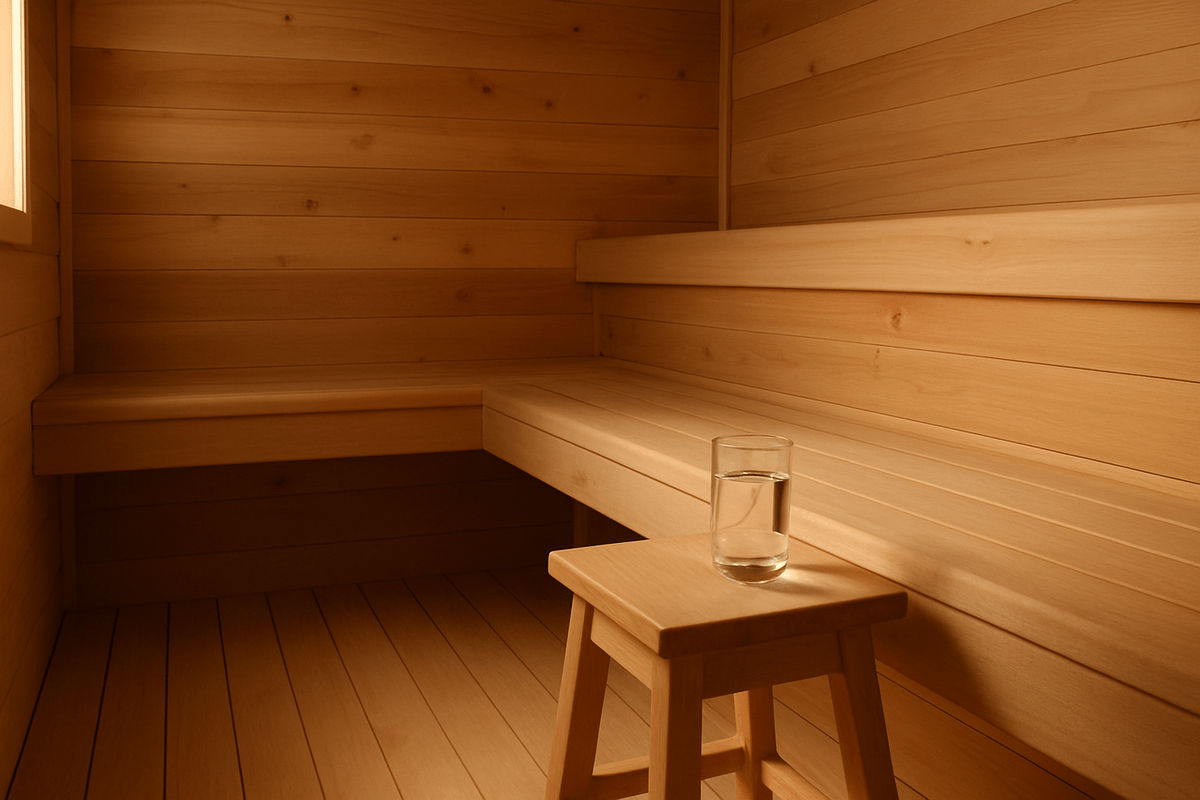
Sauna, cold plunge and blood pressure: what is actually safe
Heat and cold do opposite things to blood pressure: a sauna dilates vessels and leaves pressure lower, cold immersion spikes it. For controlled hypertension the sauna is the safer half, and standing up too fast is how either goes wrong.

The wellness that costs nothing, ranked honestly
Sleep, walking, strength work and slow breathing have better evidence than most of a spa menu and cost nothing. Paid wellness mostly buys adherence, comfort and equipment, which is a real thing to buy, just not what it is sold as.

Wellness for caregivers: what fits in the time you have
Drop the daily-habit model and think in isolated windows instead. A single 30-minute massage when cover appears is worth more than a routine you abandon, and the biggest obstacle is usually booking risk rather than time.
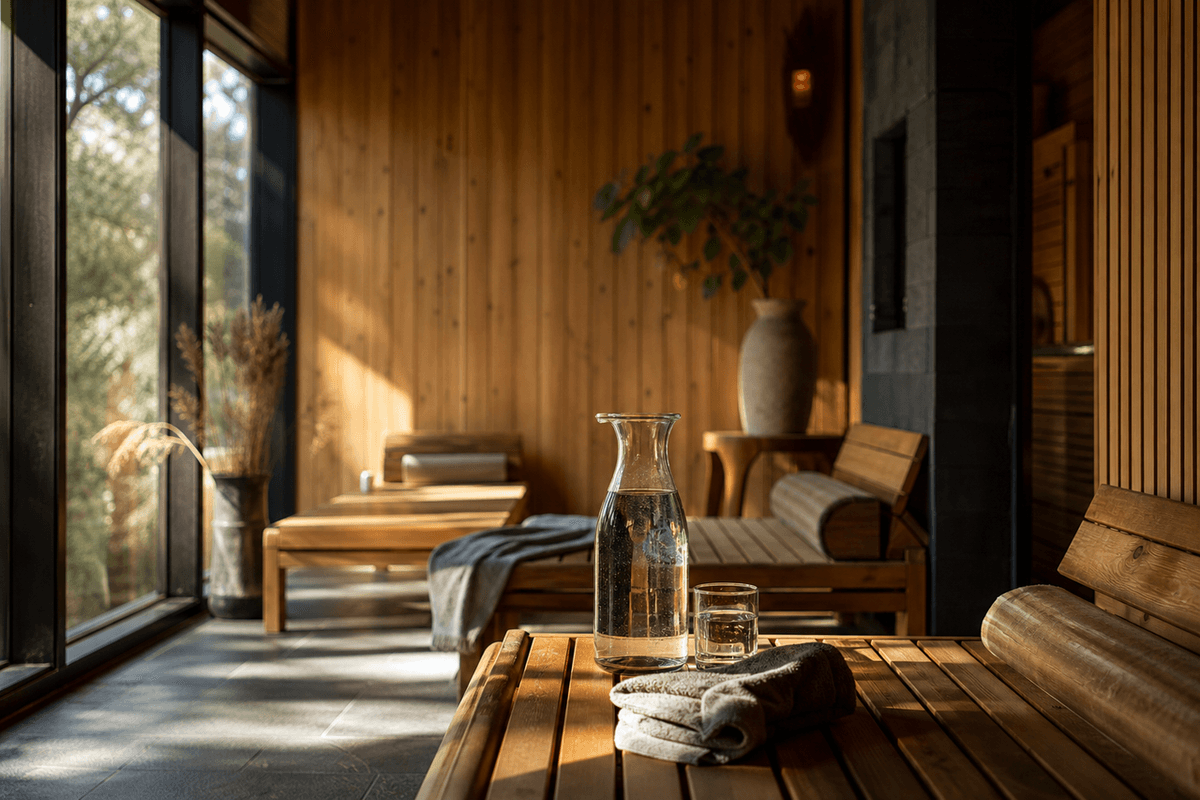
Saunas, spas and bathhouses in addiction recovery
Many bathhouses run a bar, kava and ceremonial cacao are psychoactive to varying degrees, and 'plant medicine adjacent' is a marketing phrase worth reading literally. Ask what is served before you book.
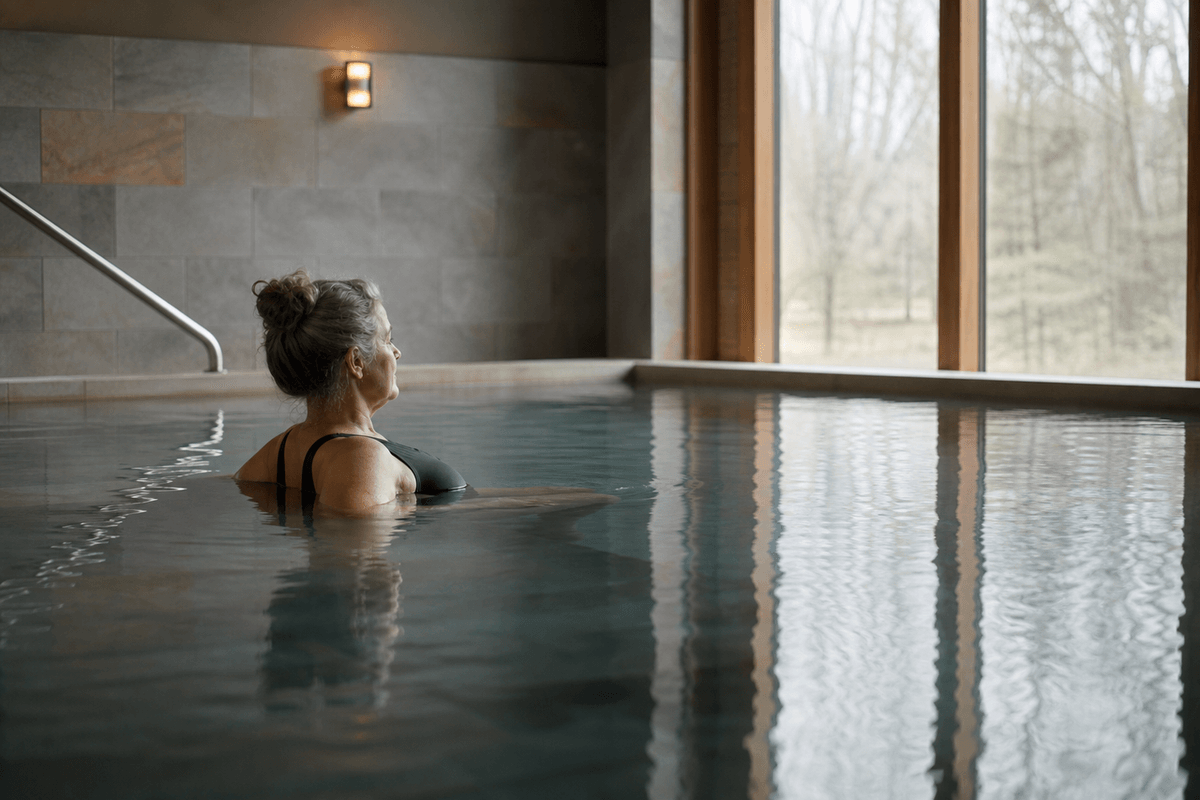
Wellness with fibromyalgia or chronic widespread pain
A meta-analysis found warm water immersion helped pain and quality of life in fibromyalgia, while deep pressure frequently provokes rather than relieves. Ask for lighter work and a shorter session than feels intuitive.
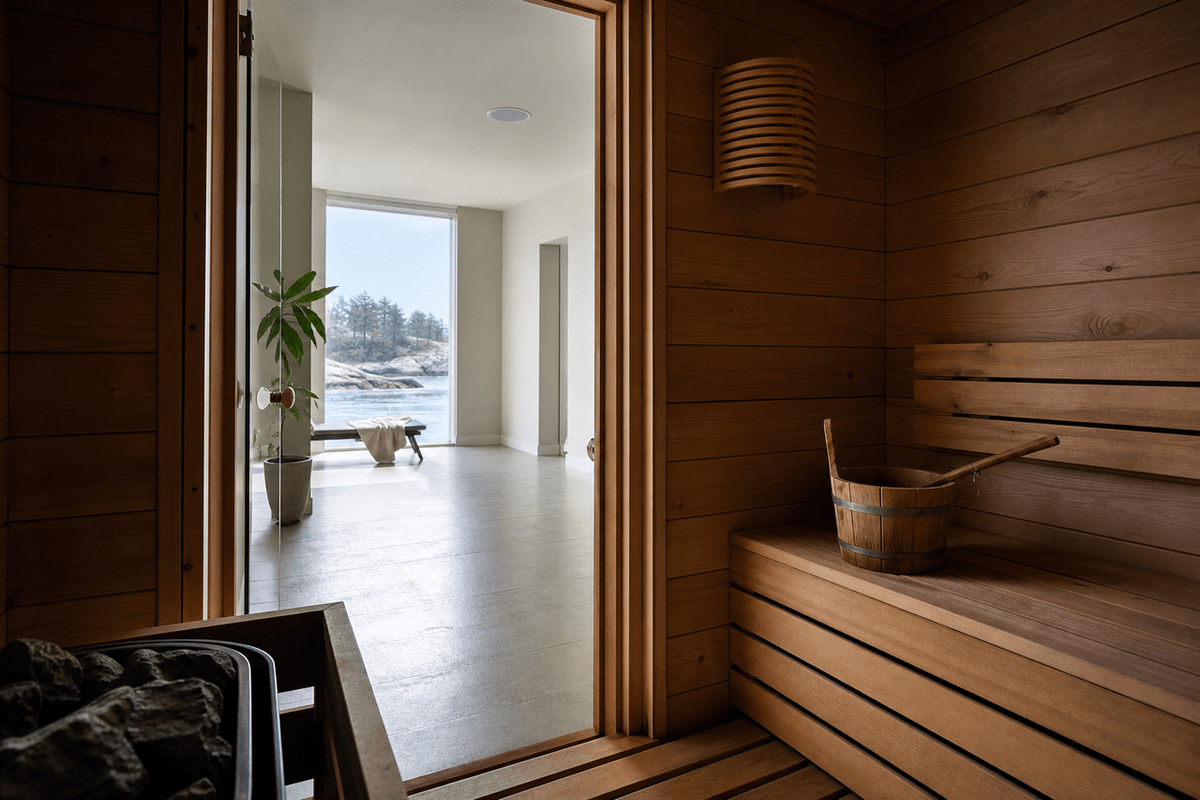
Anxious or claustrophobic? Saunas, float tanks and small rooms
Rank the options by how easily you can leave. A sauna with a door you push and a bench by the exit is very different from a cryo chamber on a timer or a wrap you cannot get out of alone.
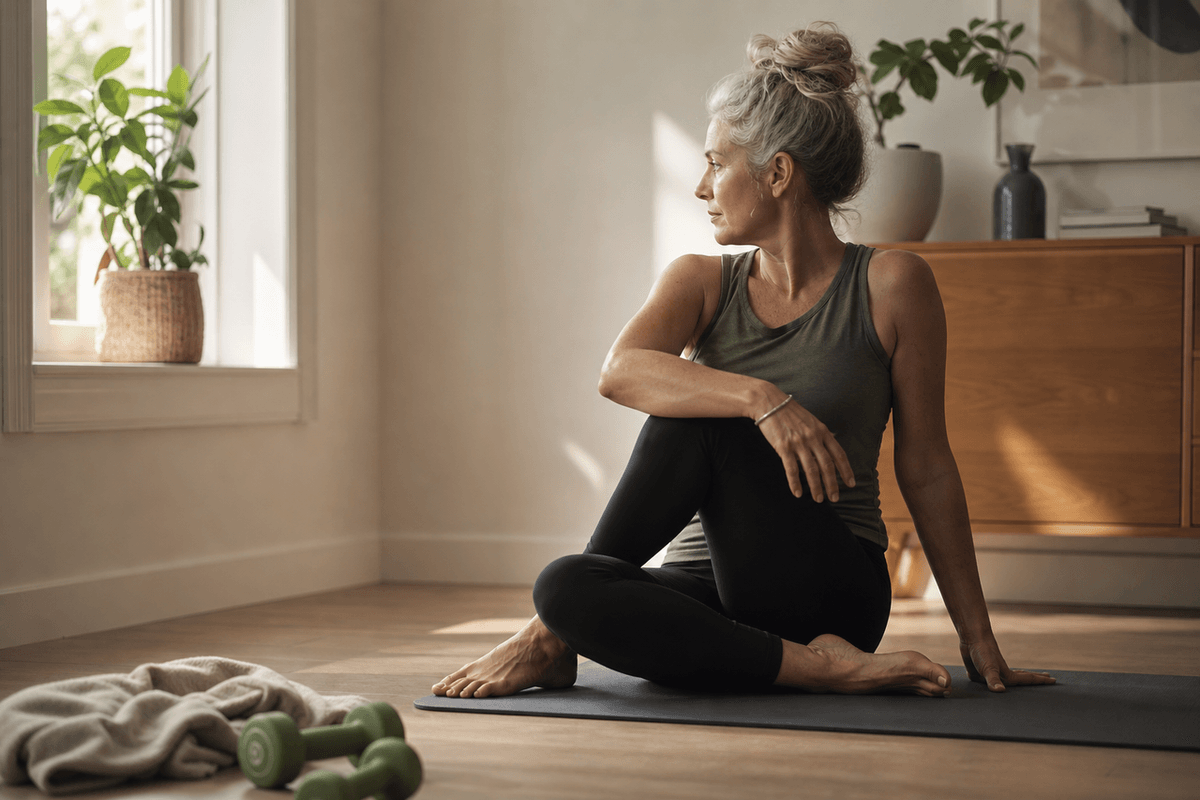
Menopause and wellness: what actually helps
CBT and clinical hypnosis have the best nonhormonal evidence for hot flushes, and strength training is the highest-value habit for bone and muscle. Saunas are a personal experiment, and most menopause supplements are not supported.
Spas and studios in eating disorder recovery: what to ask
The risk sits in scales, mirrors, body-composition scans, detox and cleanse language, and weight-loss compliments. All are avoidable, and asking for no weight talk at booking is a normal request.
Wellness for shift workers: when to sauna, train and sleep
Anchor the routine to your sleep, not the clock on the wall. Heat belongs before your sleep block whenever that falls; cold and hard training belong at the start of your waking block, because both are alerting.

Wellness with chronic fatigue or long COVID: what's safe
Post-exertional malaise means symptoms worsen 12 to 48 hours after exertion, so how you feel in the room tells you nothing. Pace by a fixed budget rather than by feel, and treat heat as a load, not a treatment.
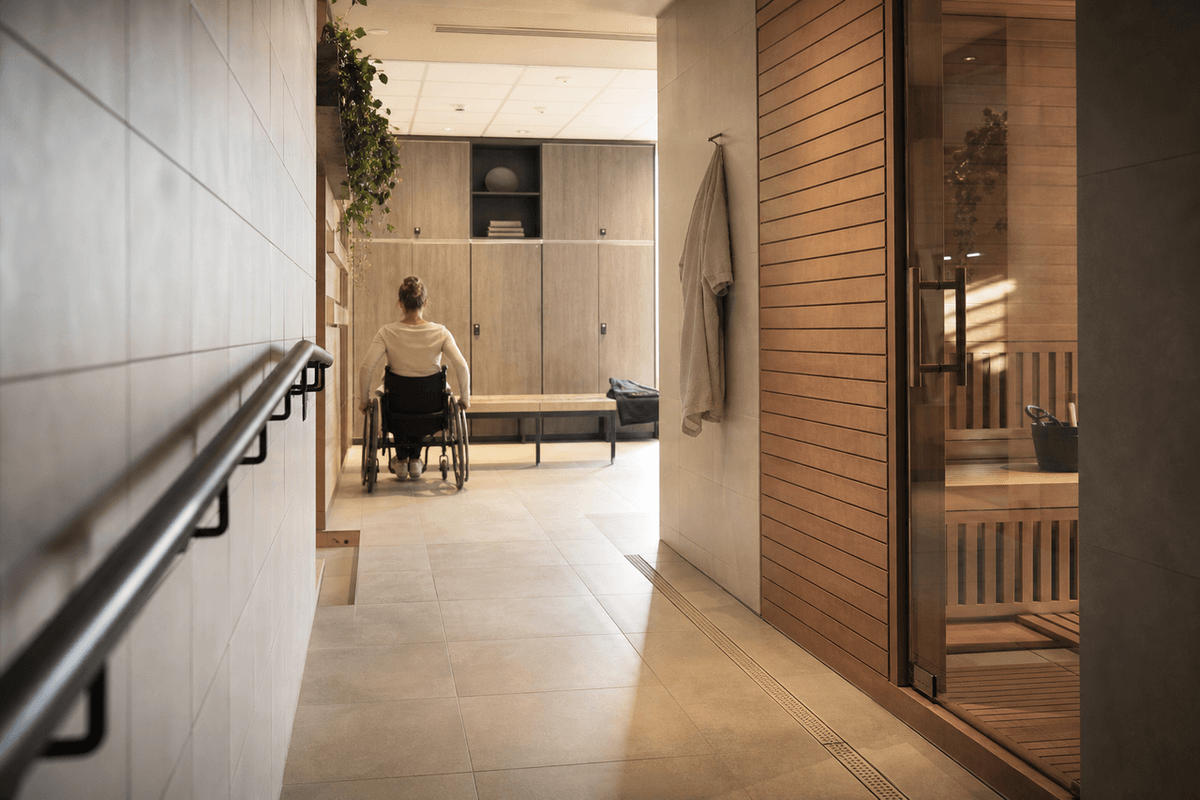
Accessible wellness: saunas and studios with a disability
A ramp at the entrance tells you almost nothing. What decides a visit is the route across wet floors, whether the plunge has steps and a rail, bench height for transfers, and whether staff can assist. Ask about the route, not the label.
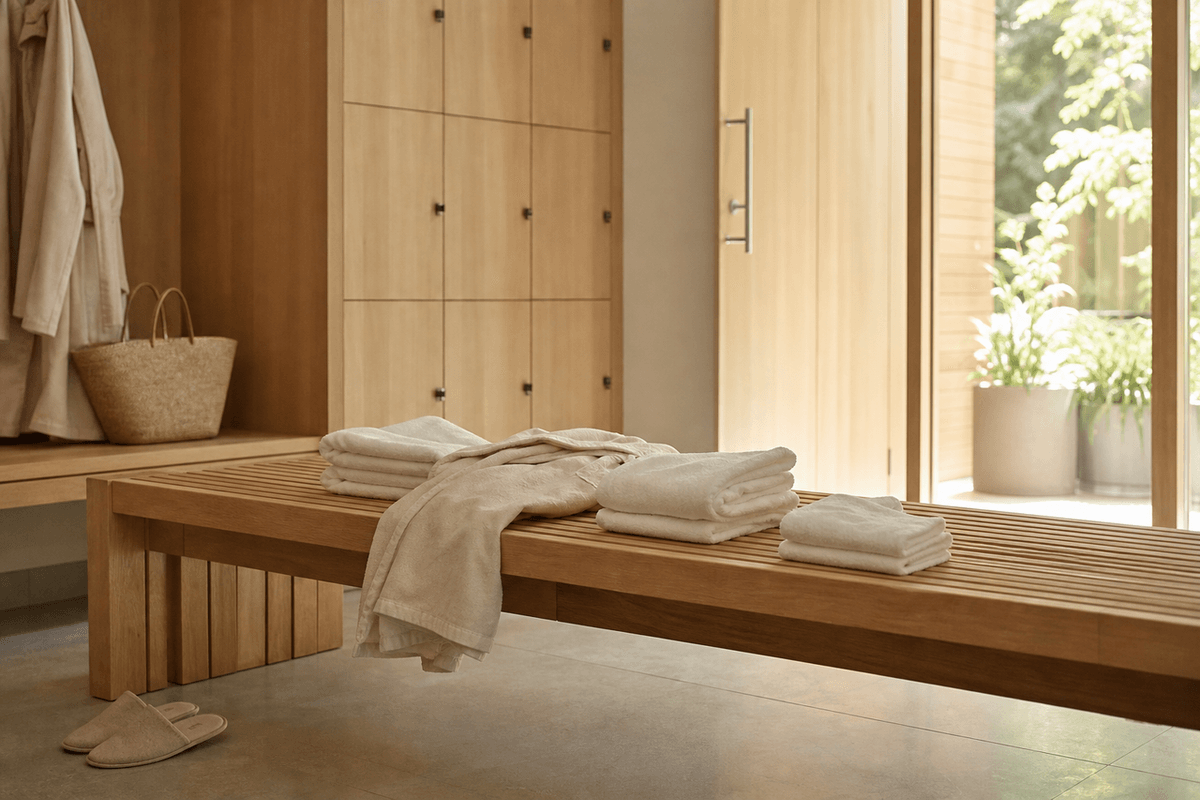
Saunas, spas and studios in a larger body: what to expect
The practical obstacles are robes, table weight limits, bench width and changing room layout, and all of them are answerable by phone before you book. Heat and cold themselves carry no size-specific rule beyond the standard cautions.
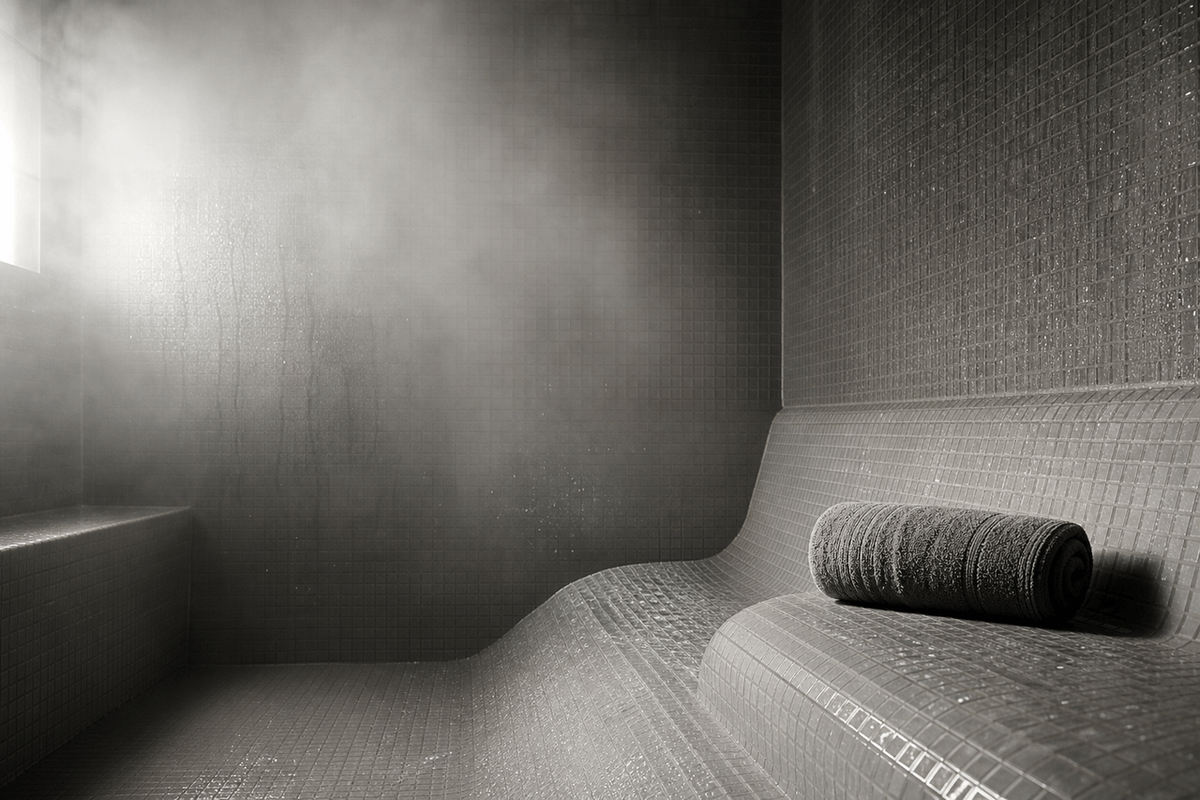
Sauna, steam and asthma: what's safe and what to avoid
Warm humid air is usually well tolerated and often comfortable; cold is the more common trigger, since cold dry air is a classic cause of bronchospasm. Bring your reliever inhaler, avoid strong eucalyptus, and never do breath-holds in water.
Wellness with an autoimmune condition or on immunosuppressants
If you take immunosuppressants, communal warm water and shared wet areas are the main practical risk, not the heat itself. 'Immune boosting' marketing is aimed at the opposite problem from yours, and some conditions react badly to heat.
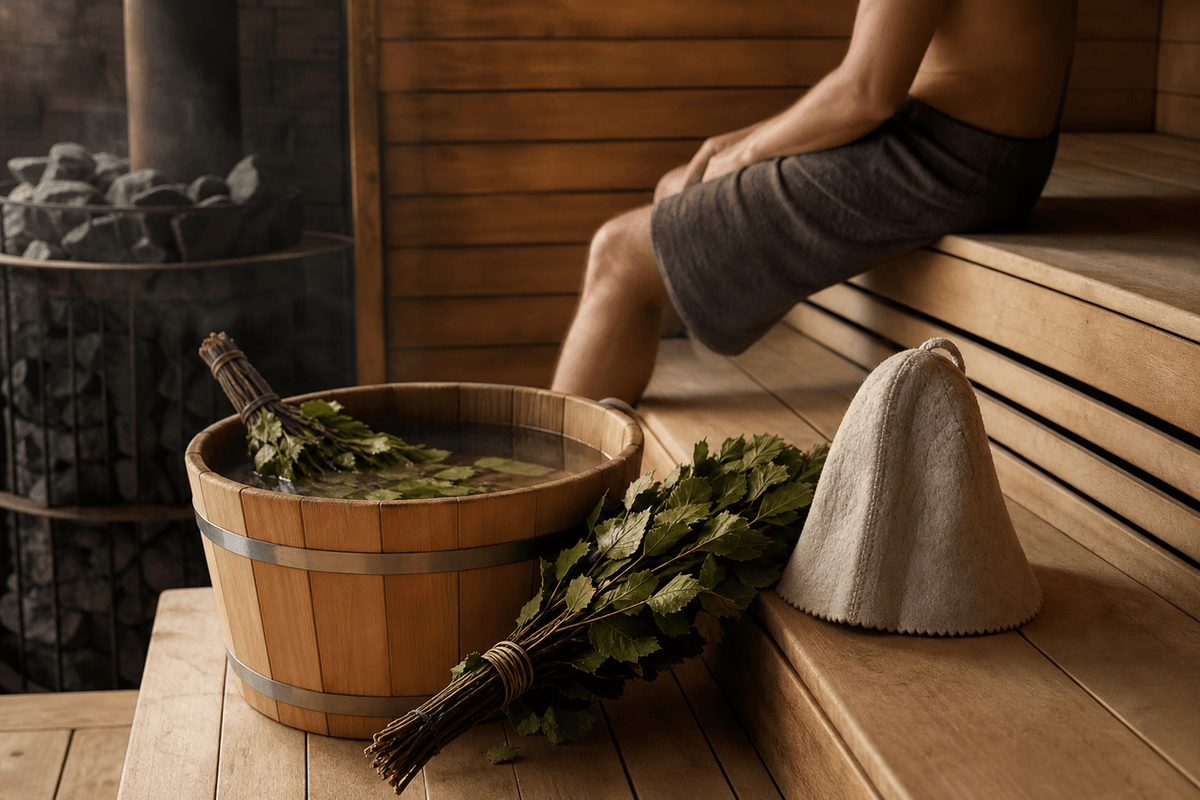
Your first banya: what to expect, including the venik
A banya runs hotter and wetter than a Finnish sauna, and the venik treatment uses soaked leafy branches to move heat against your skin. Wear the felt hat, take the lowest bench first, and treat the cold plunge as part of the cycle.
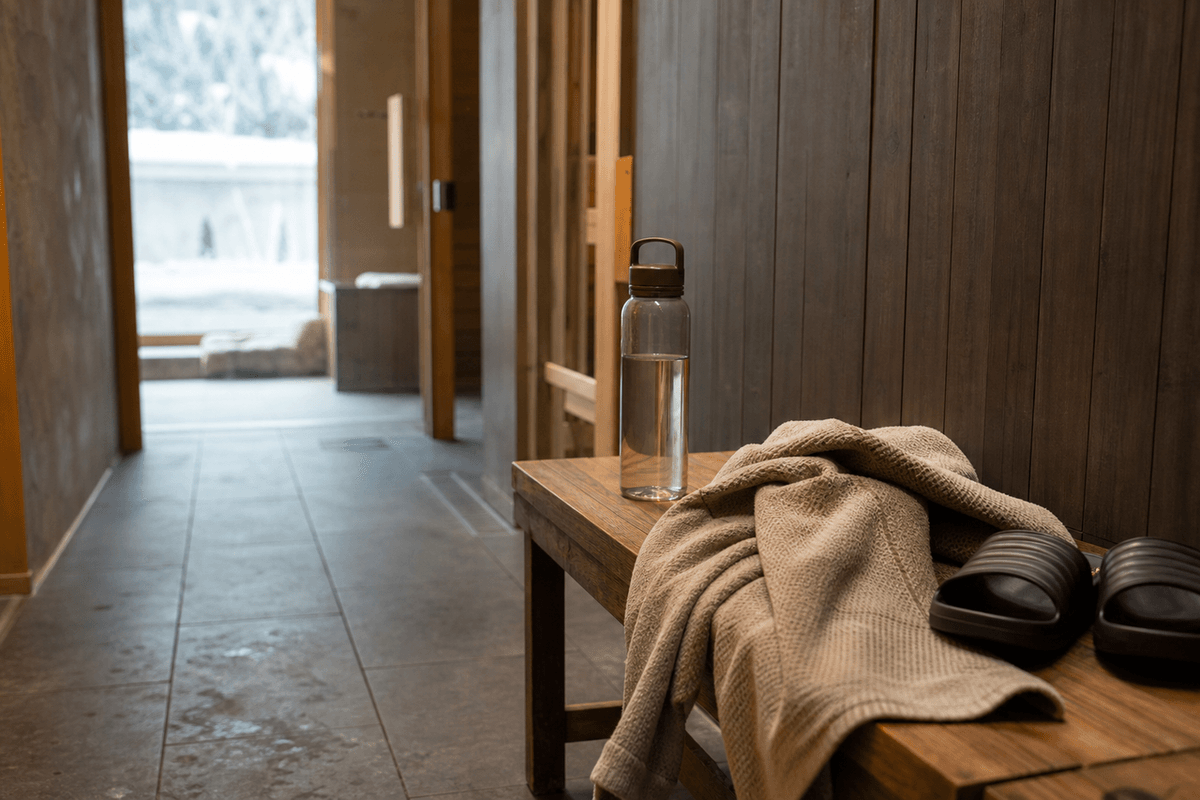
Sauna, cold and massage with diabetes: what's safe
Heat can lower blood glucose and speed insulin absorption, so hypoglycaemia is the main risk. Reduced foot sensation makes hot surfaces and communal floors a second one. Neither rules out wellness, but both change how you plan a session.
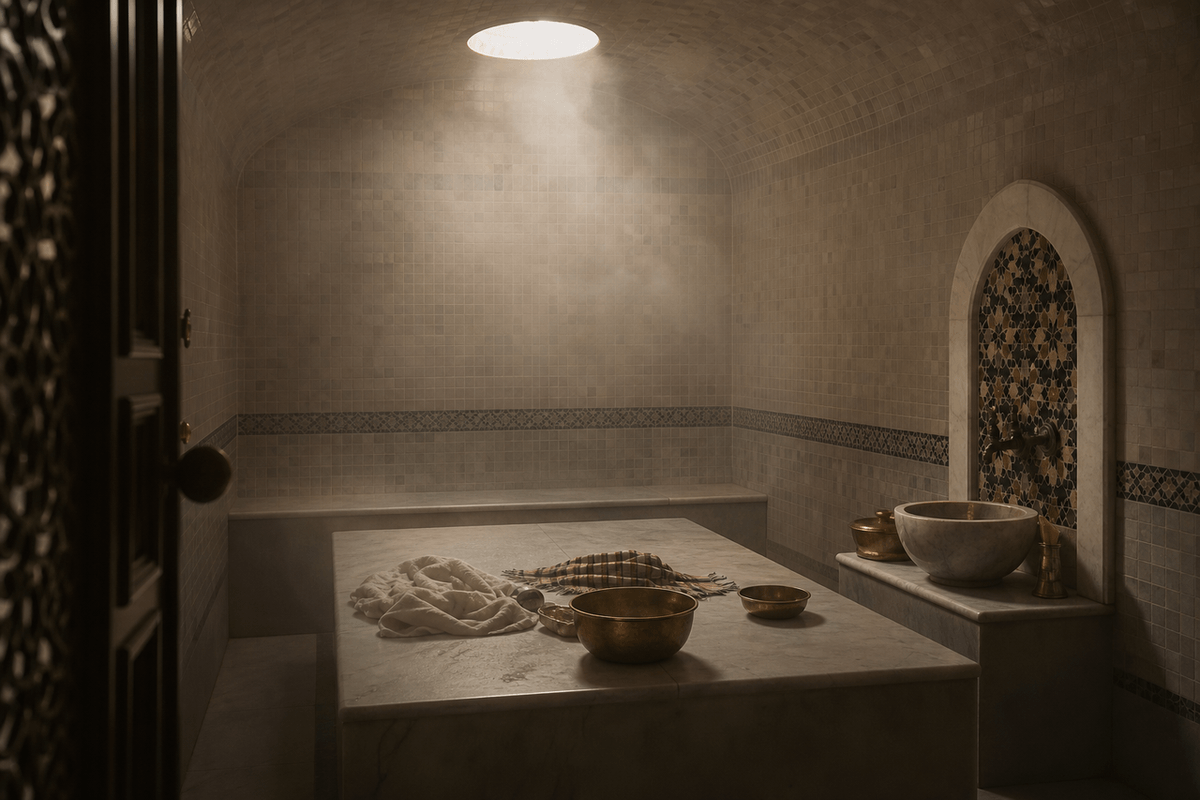
Your first hammam: what to expect
A hammam is a warm steamy room where you soften your skin, then get scrubbed with a coarse mitt and washed with foam. It is a service performed on you rather than a room you sit in, and it is milder in heat than a sauna.

Postpartum wellness: what's safe, and when
Six weeks is when you get assessed, not when everything becomes safe. Bleeding, healing tissue, a caesarean incision, and loosened joints each set their own timeline, and heat and shared water are the two things worth delaying longest.
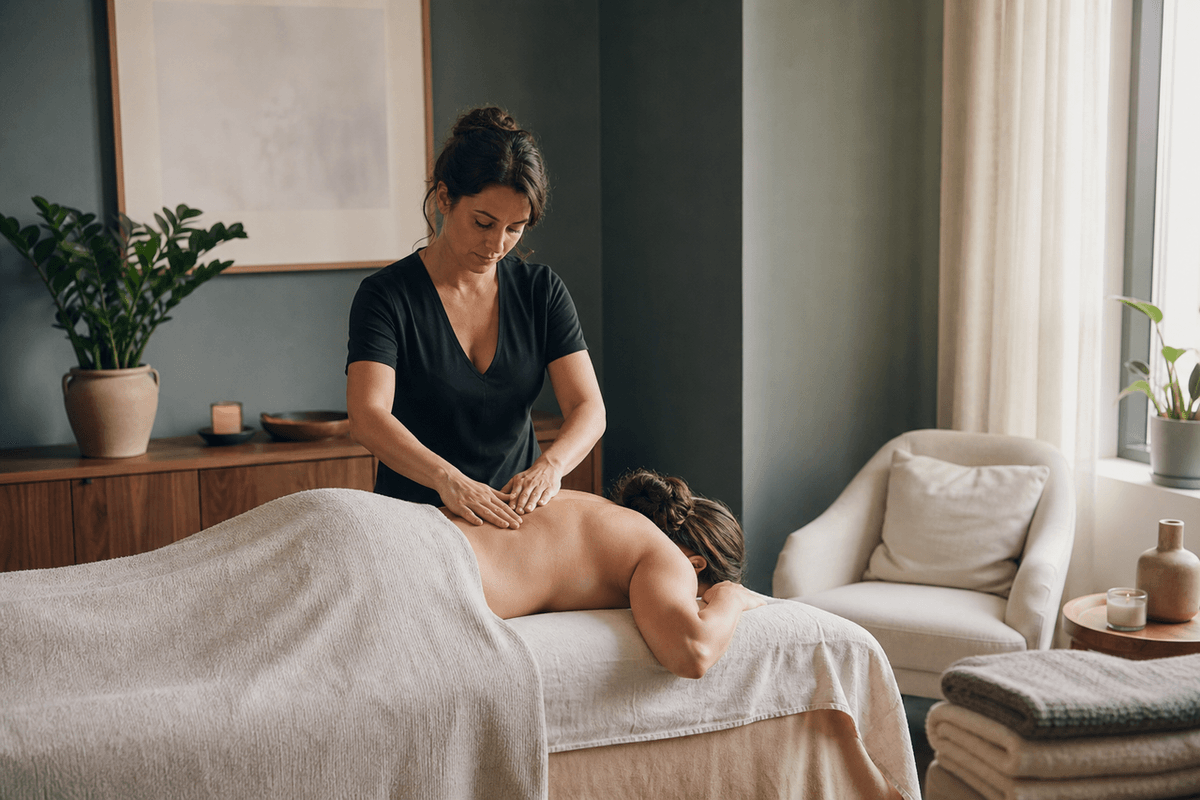
Massage during and after cancer treatment: what's safe
A study of over a thousand hospital patients found massage meaningfully reduced pain, anxiety, fatigue, and nausea. The old fear that it spreads cancer has been abandoned; the real precautions are about sites, pressure, timing, and blood counts.
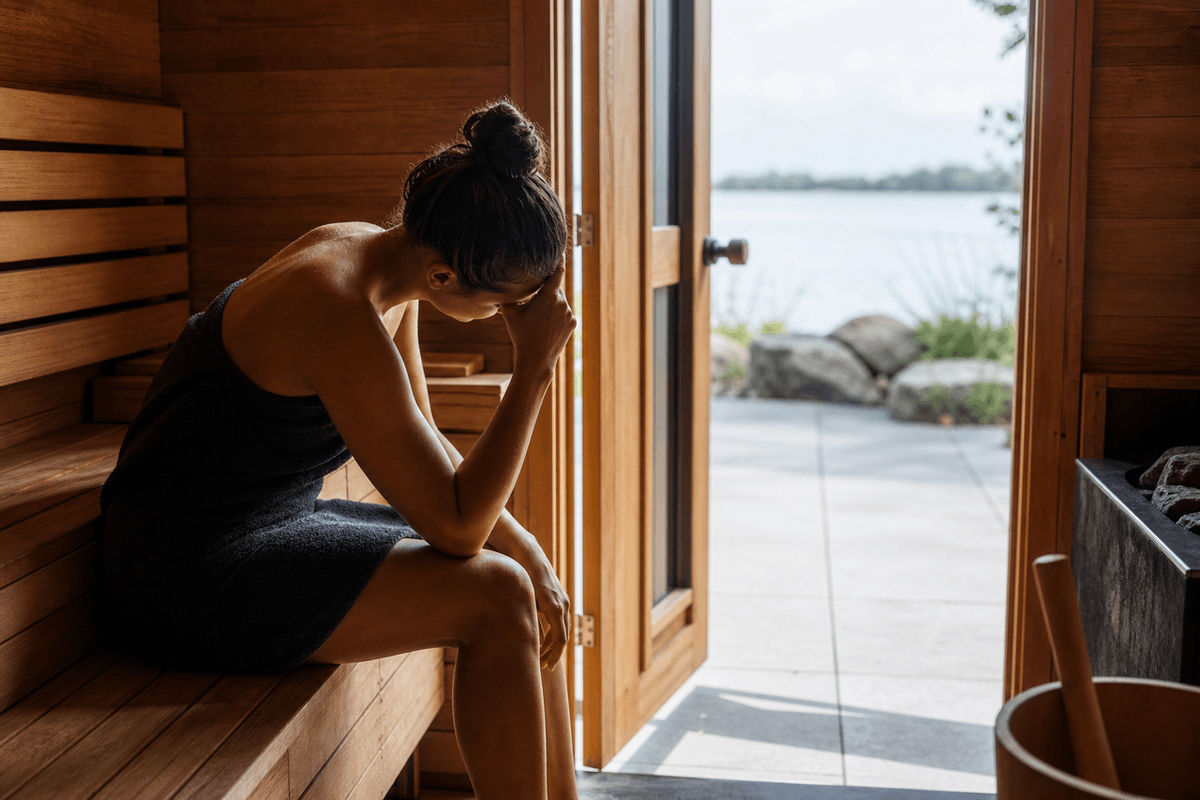
What to do if you feel faint in a sauna or cold plunge
Heat lowers your blood pressure and standing makes it worse, so sit or lie down on a lower bench first and get low before you get out. Recognise the early signs, and never lock a sauna door behind you when alone.
Recovery for runners: what actually helps after a long run
Massage came out on top for reducing soreness and fatigue in a meta-analysis of recovery methods, ahead of cold immersion and compression. Cold works for soreness but can blunt strength adaptations, so time it around what you are training for.
Wellness for desk workers: what helps a stiff neck and shoulders
A large pooled analysis found that around 60 to 75 minutes of daily moderate activity largely offset the mortality risk of prolonged sitting. For the neck and shoulders themselves, movement and load changes beat any single treatment.
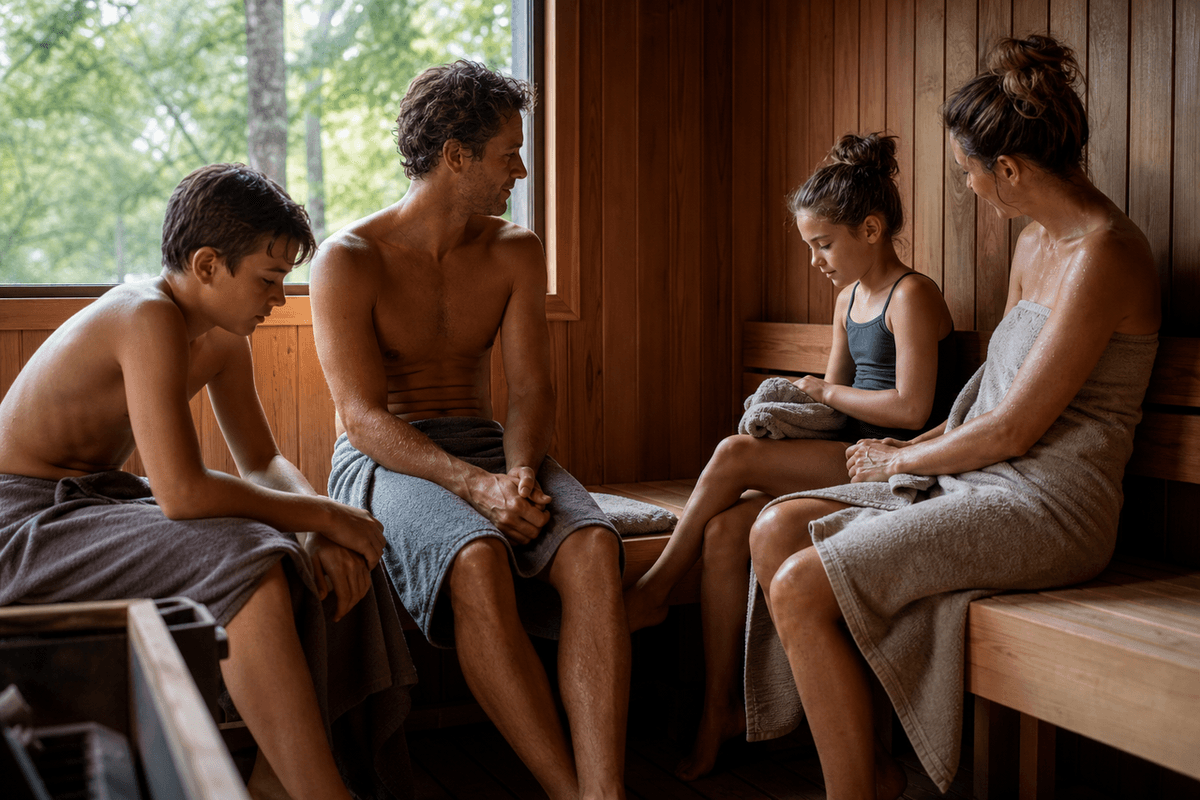
Sauna and cold plunge with kids and teens: what's actually safe
Short, cooler, lower-bench sauna sessions are widely practised with children in sauna cultures, but kids overheat faster and signal less clearly. Cold plunging has almost no evidence base in minors and is best left until later teens, if at all.
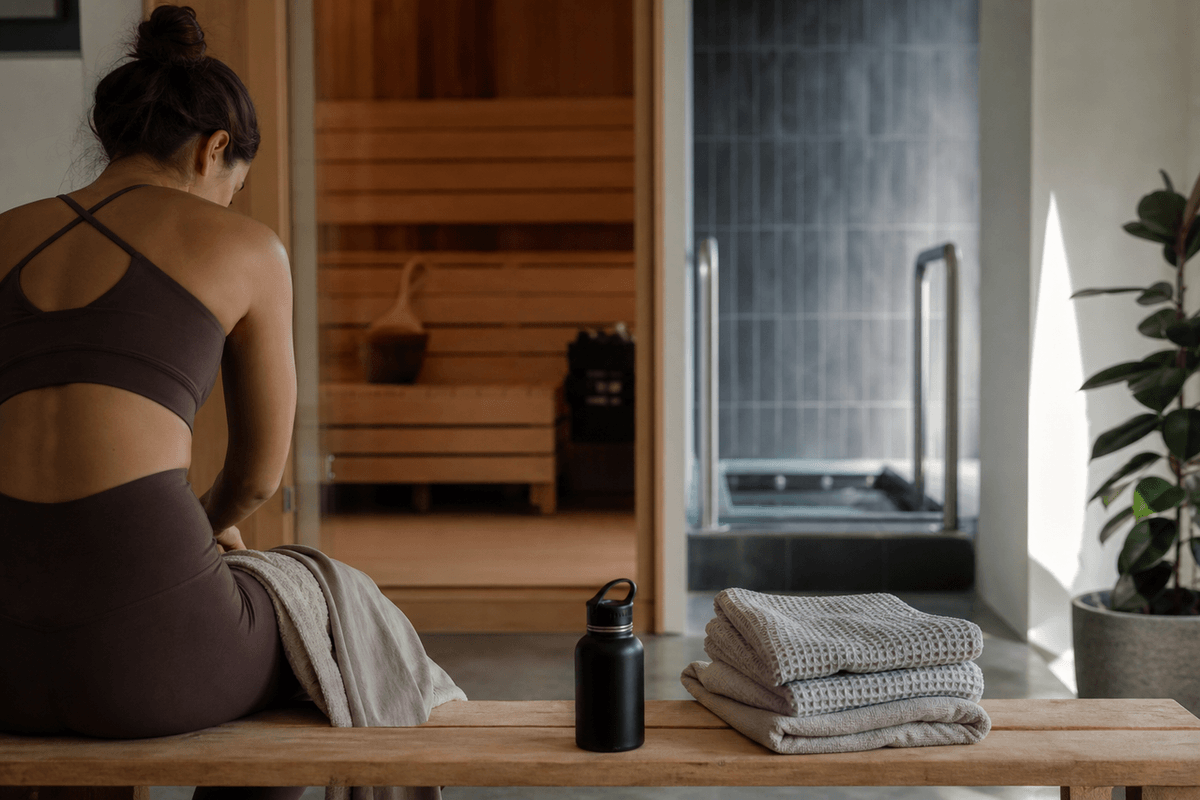
Sauna, cold plunge, and your menstrual cycle: what to know
Core temperature runs higher and heat-shedding starts later after ovulation, so saunas genuinely feel harder in the luteal phase. There is no evidence you should avoid heat or cold during your period, and studio hygiene is a practical question, not a medical one.
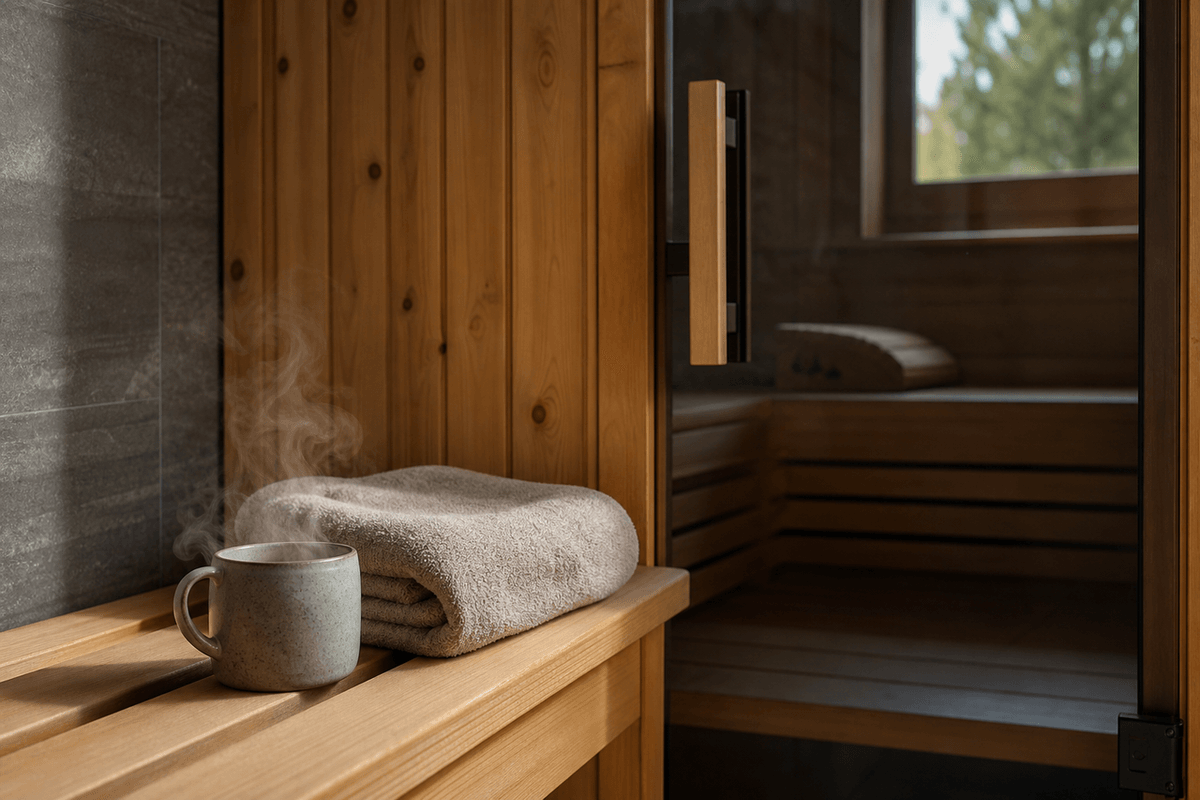
Should you use a sauna when you're sick?
If you have a fever, skip it, because heat on top of a raised core temperature is a real risk. With mild head-cold symptoms and no fever a short, cool session is usually fine, but it is comfort rather than treatment.
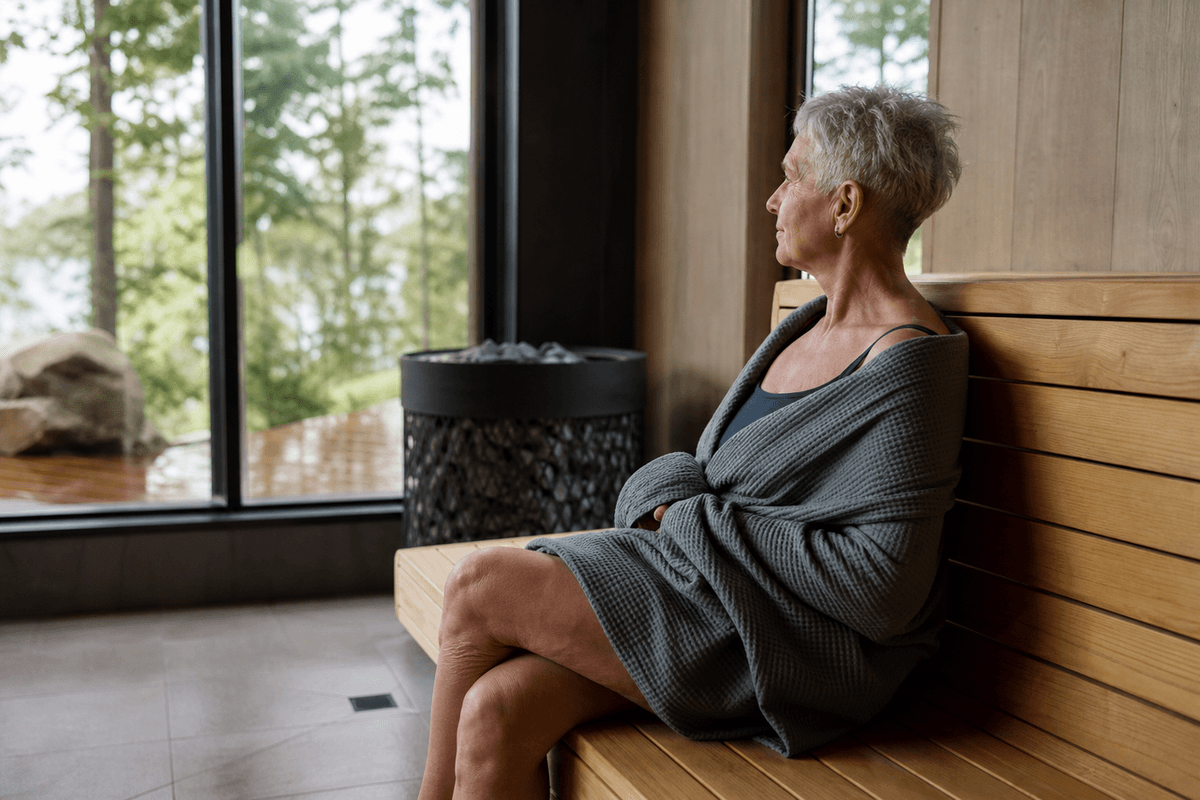
Wellness for older adults: starting sauna, cold, and movement safely
Later life is a good time to start gentle wellness, and much of the sauna evidence comes from older adults. Begin gently, get medical clearance, favour gentler heat and movement, and mind balance and hydration.
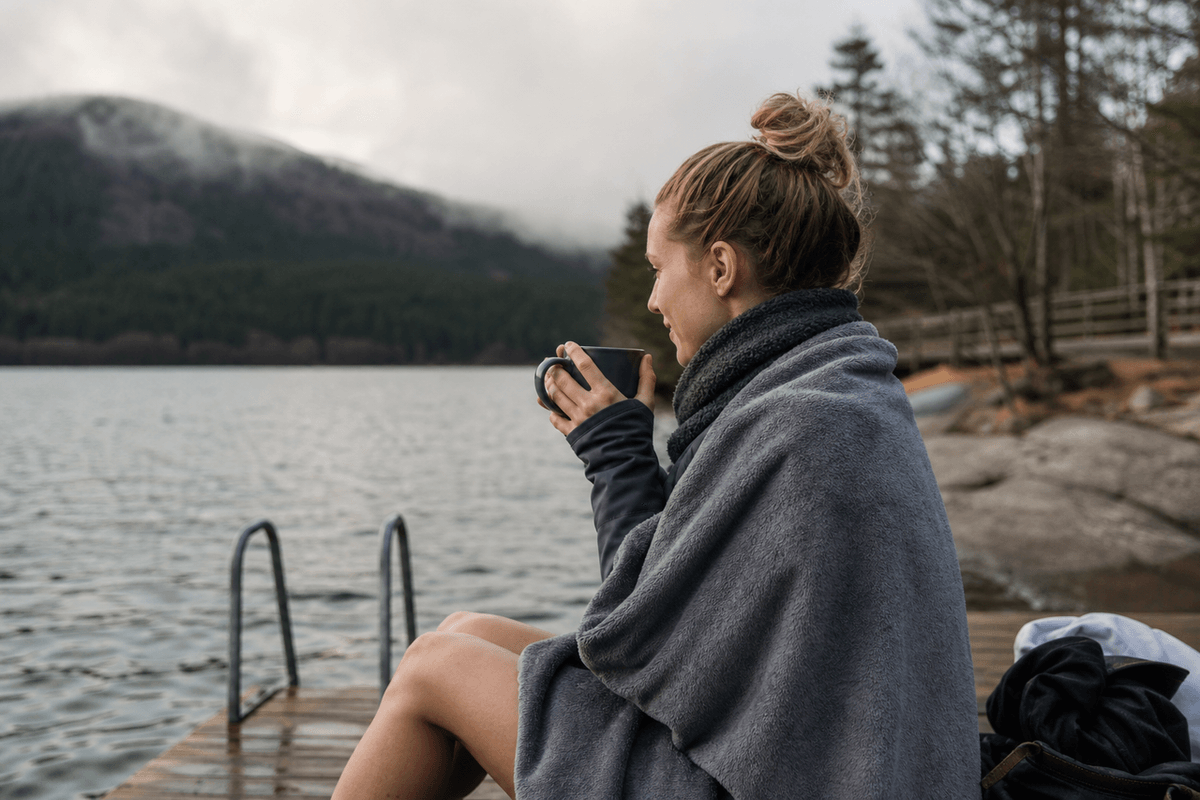
What to do after a cold plunge: rewarming, the afterdrop, and mistakes to avoid
You keep cooling for minutes after you get out, called the afterdrop, so rewarm gently with dry clothes and movement. Avoid jumping straight into a hot shower, and let your body warm from the inside.
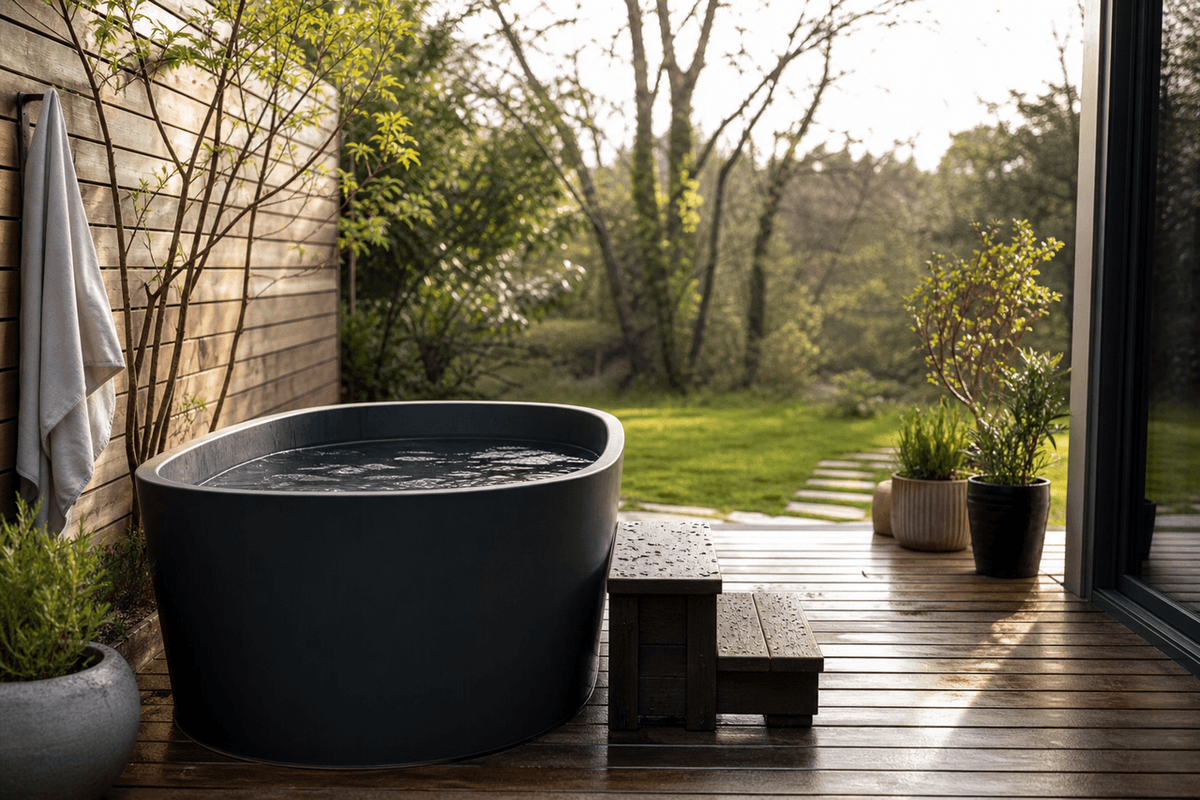
Your first cold plunge at home: how to start safely
Start warmer and shorter than you think, never do it alone at first, never hyperventilate before getting in, and keep the water clean. The setup is simple; the safety habits are what matter.
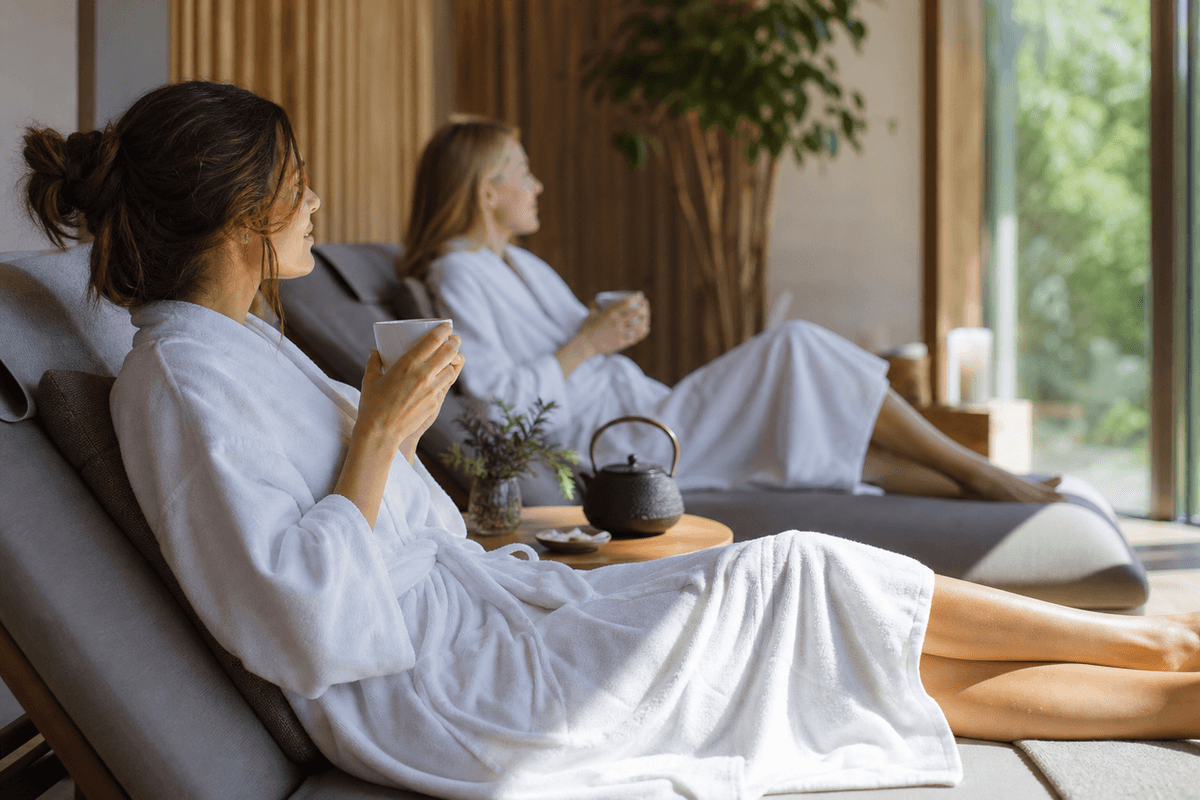
Your first day spa: what to expect and how to plan it
Arrive an hour early to use the facilities, book one or two treatments rather than filling the day, wear the robe they provide, and leave your afternoon open. The unhurried pace is the point.
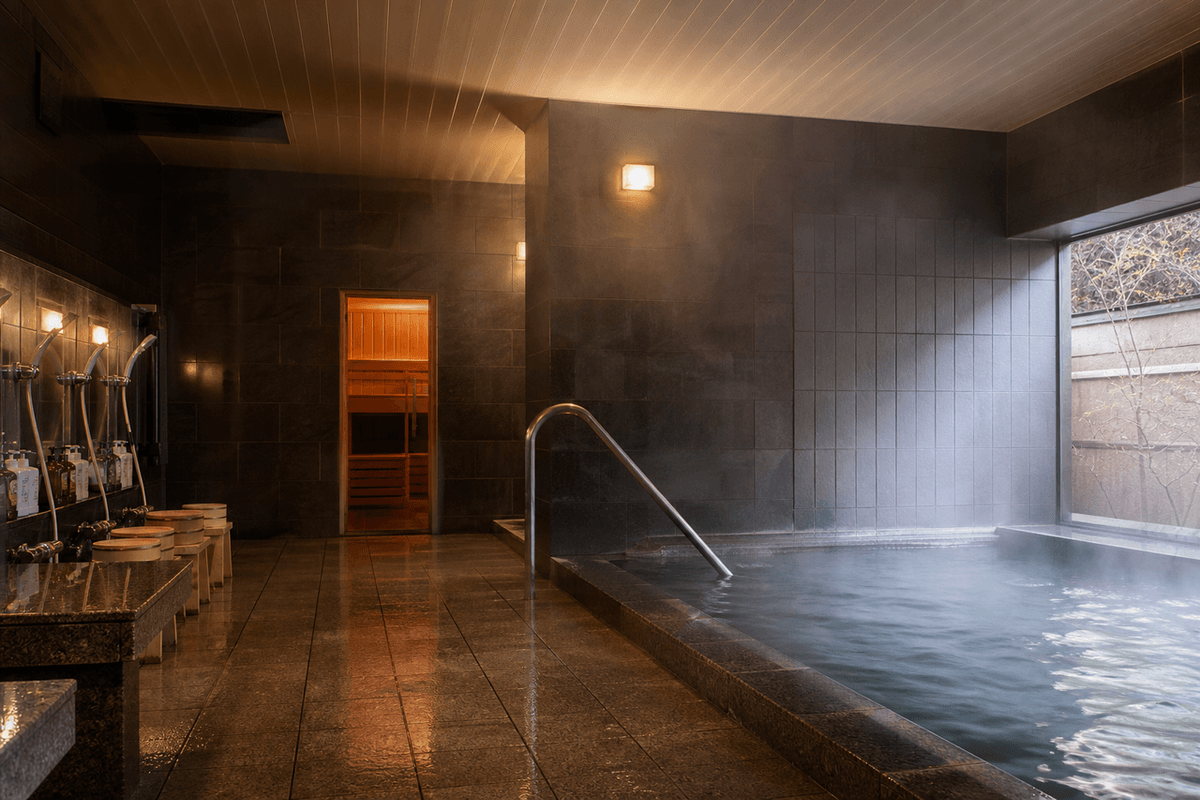
Your first bathhouse or Korean spa: what to expect
Expect nudity in the wet areas, a rhythm of hot rooms and cold plunges, and quiet etiquette. Shower before you soak, bring flip-flops, and give yourself two or three unhurried hours.
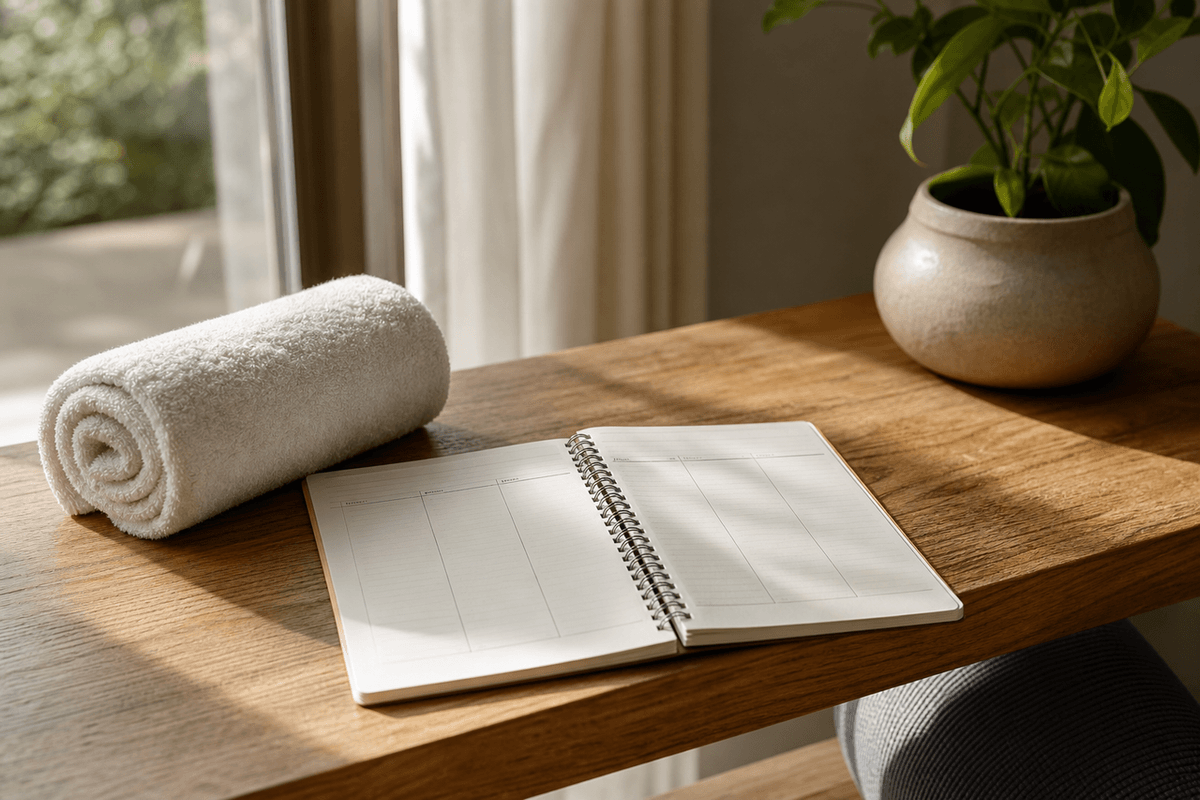
How to build a weekly recovery routine (without overdoing it)
Pick one or two anchor sessions you will actually keep, respect the timing rules (cold away from strength training, heat before bed), and remember that sleep and rest days outrank any modality.
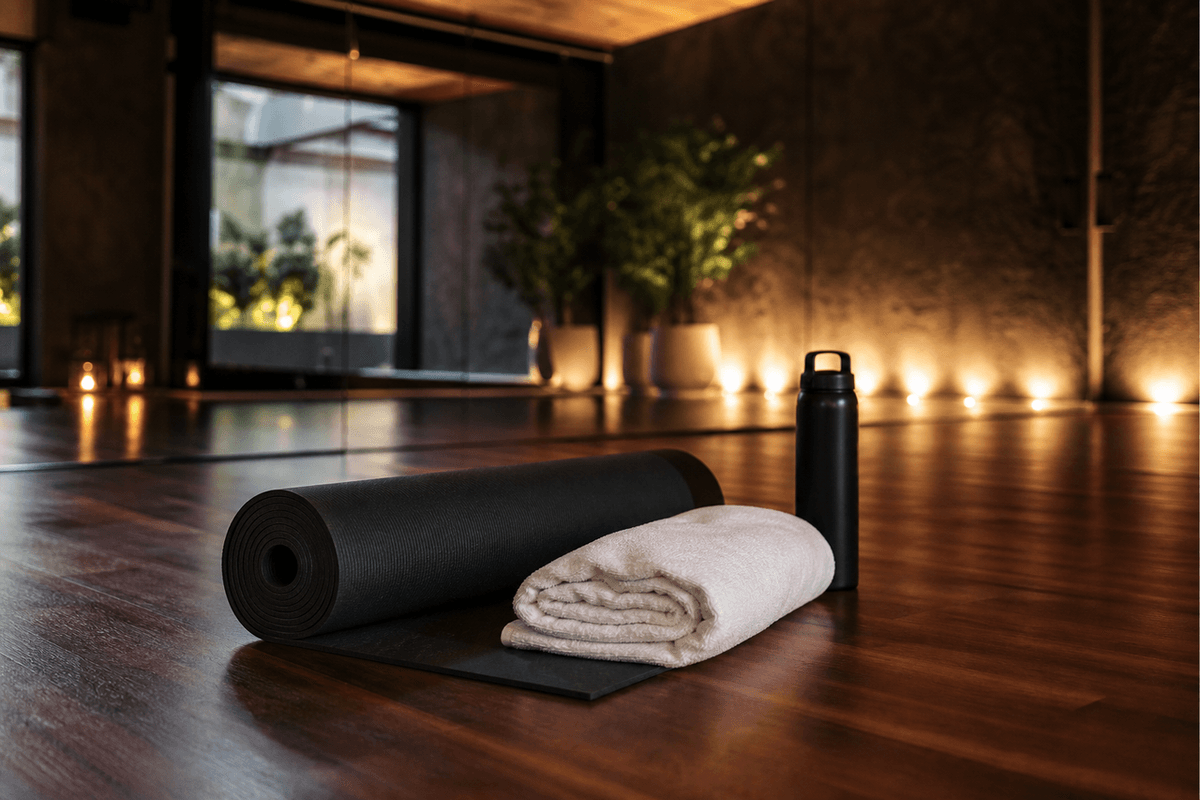
Your first hot yoga class: what to expect
Expect a room at 90 to 105 F, heavy sweating, and a first class that is mostly about staying calm and hydrated. Go easy, rest whenever you need to, and do not try to keep up.
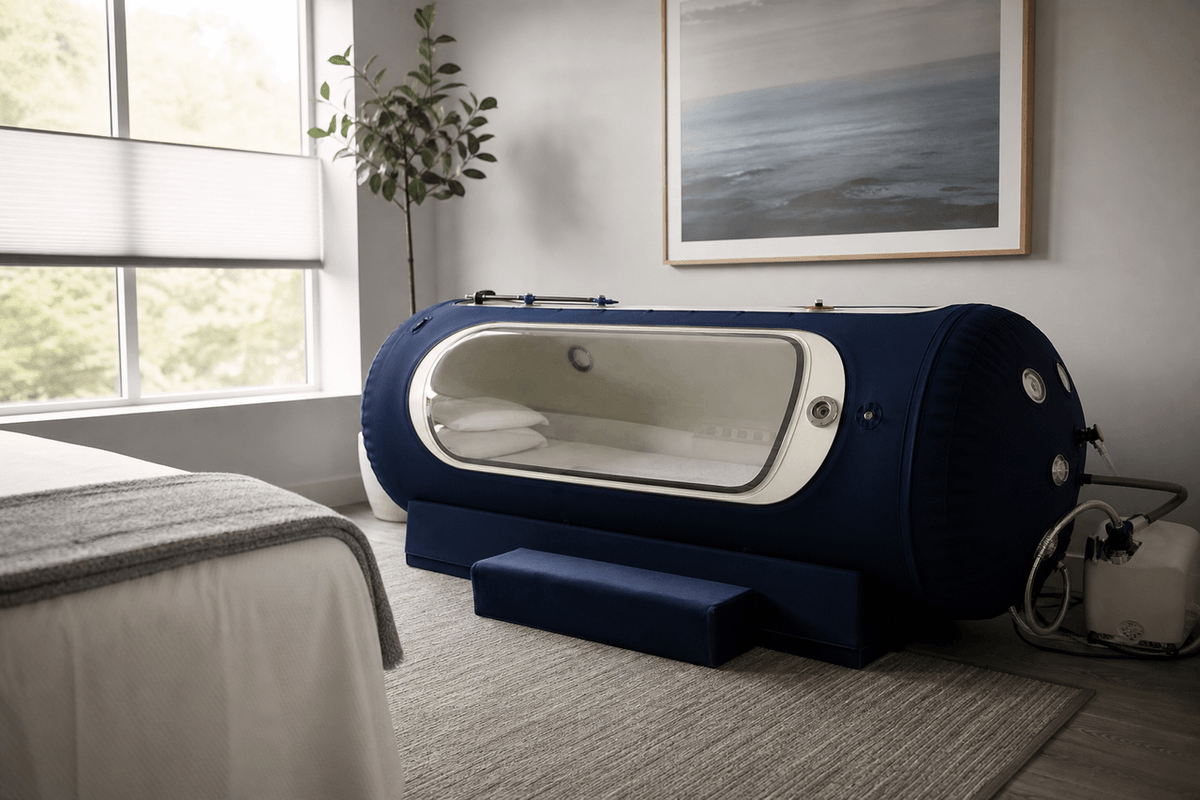
Your first hyperbaric oxygen session: what to expect
Expect 60 to 90 minutes lying in a sealed chamber, ear pressure like a plane descent, and no drama. Wellness clinics run far lower pressure than the medical protocols, which matters.
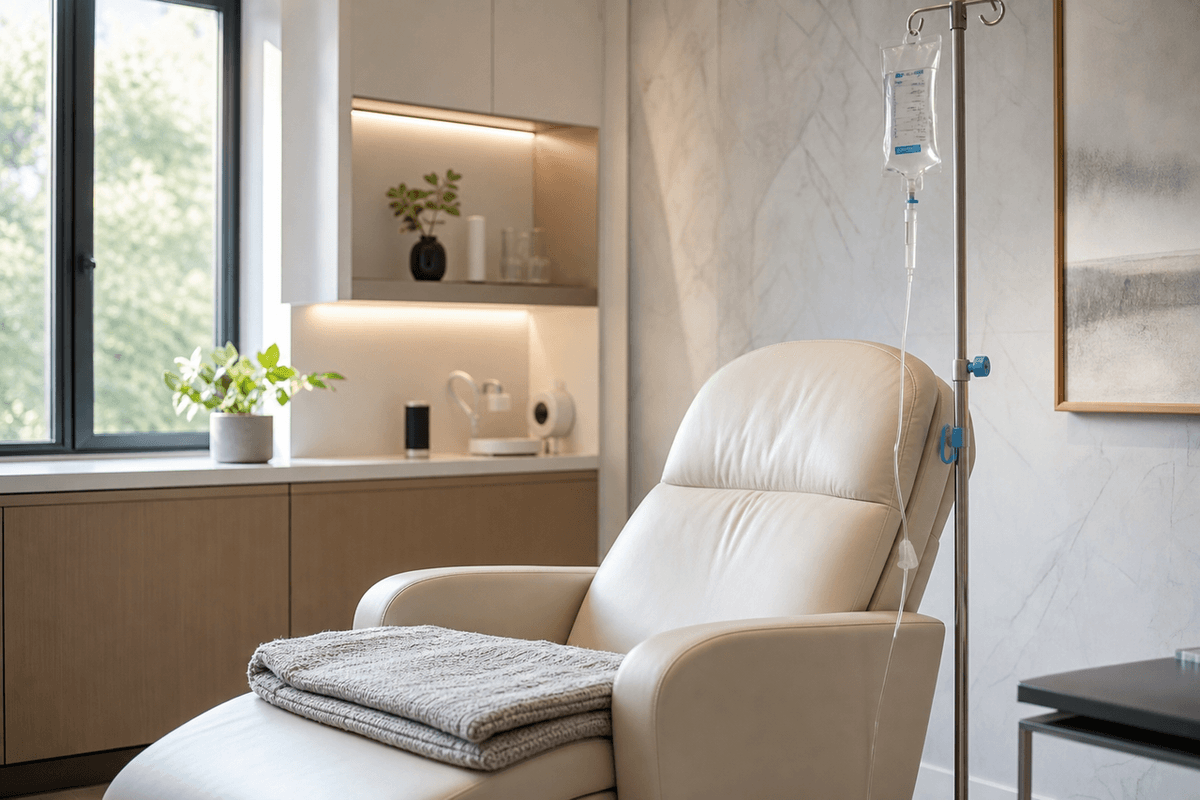
Your first IV therapy session: what to expect
Expect a cannula in your arm and 30 to 60 minutes in a chair. This is a medical procedure sold as wellness, so who administers it matters more than anything else on the menu.
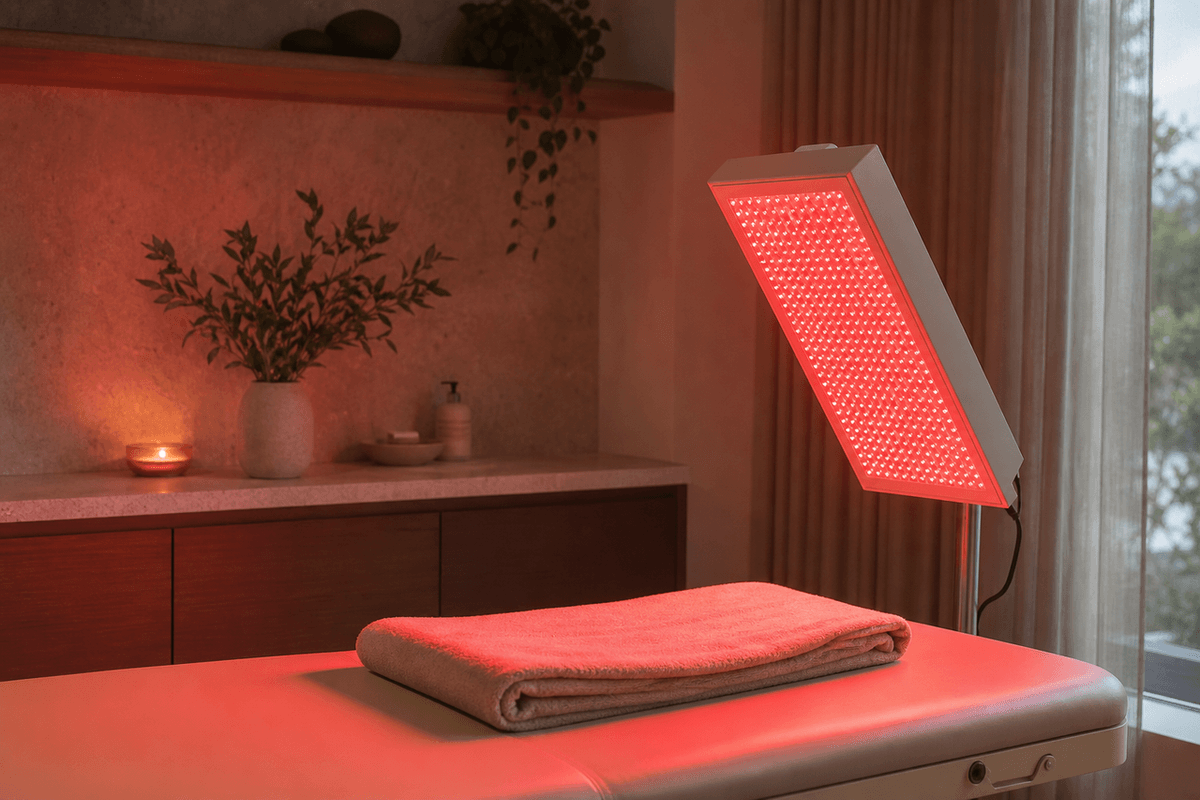
Your first red light therapy session: what to expect
Expect ten to twenty minutes in front of a bright panel, bare skin where you want the effect, eye protection, and almost no sensation. It is not a sauna and the heat is not the point.
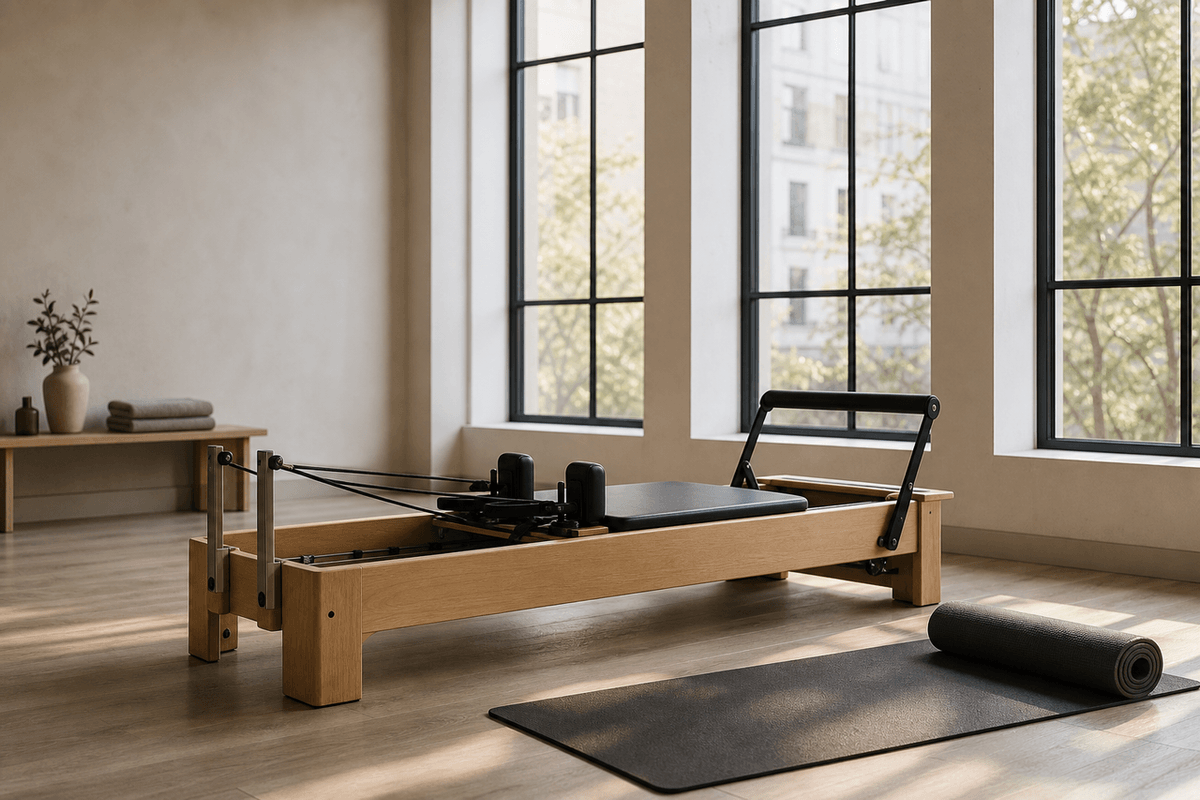
Your first Pilates class: what to expect
Book a beginner mat or intro reformer class, wear fitted clothes and grip socks, and expect small, controlled movements that are far harder than they look. You do not need to be flexible.
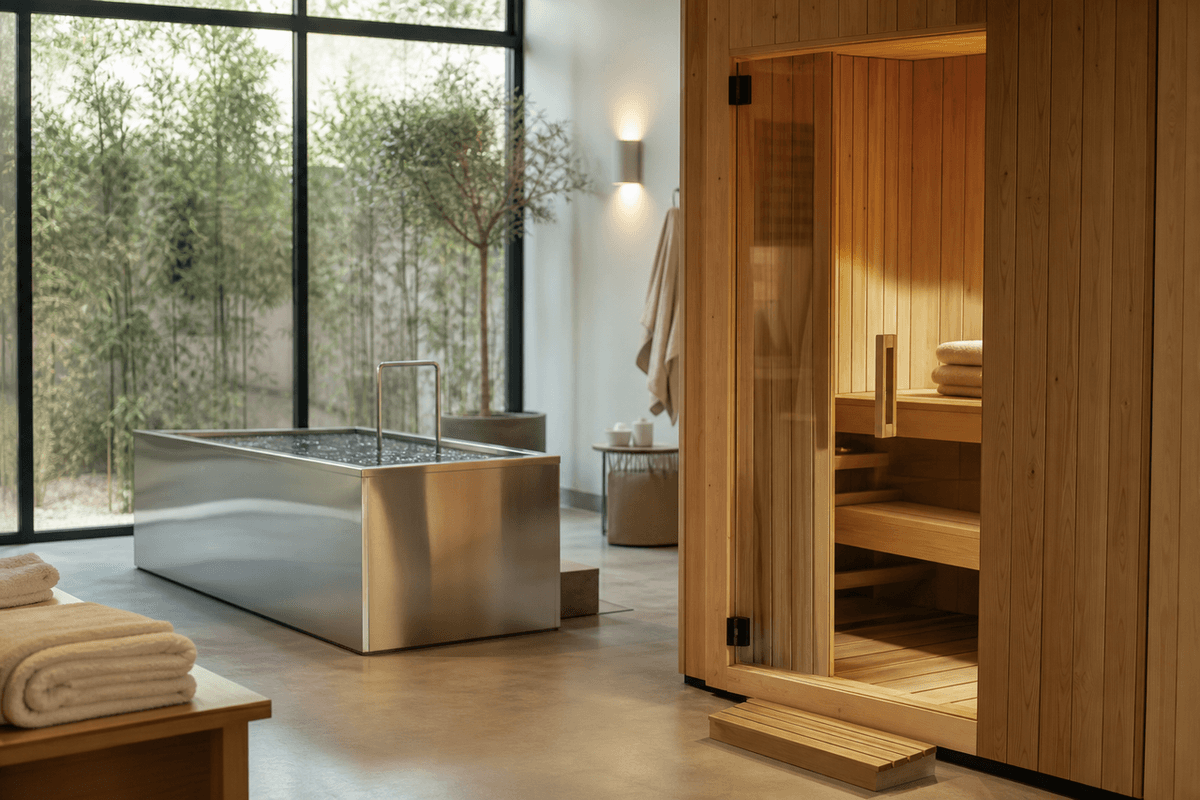
How to choose a sauna or cold plunge studio: a quality and hygiene checklist
Judge a studio on water hygiene, honest temperatures, and how it handles a first-timer, not on the mood lighting. Here are the questions that actually sort the good from the mediocre.
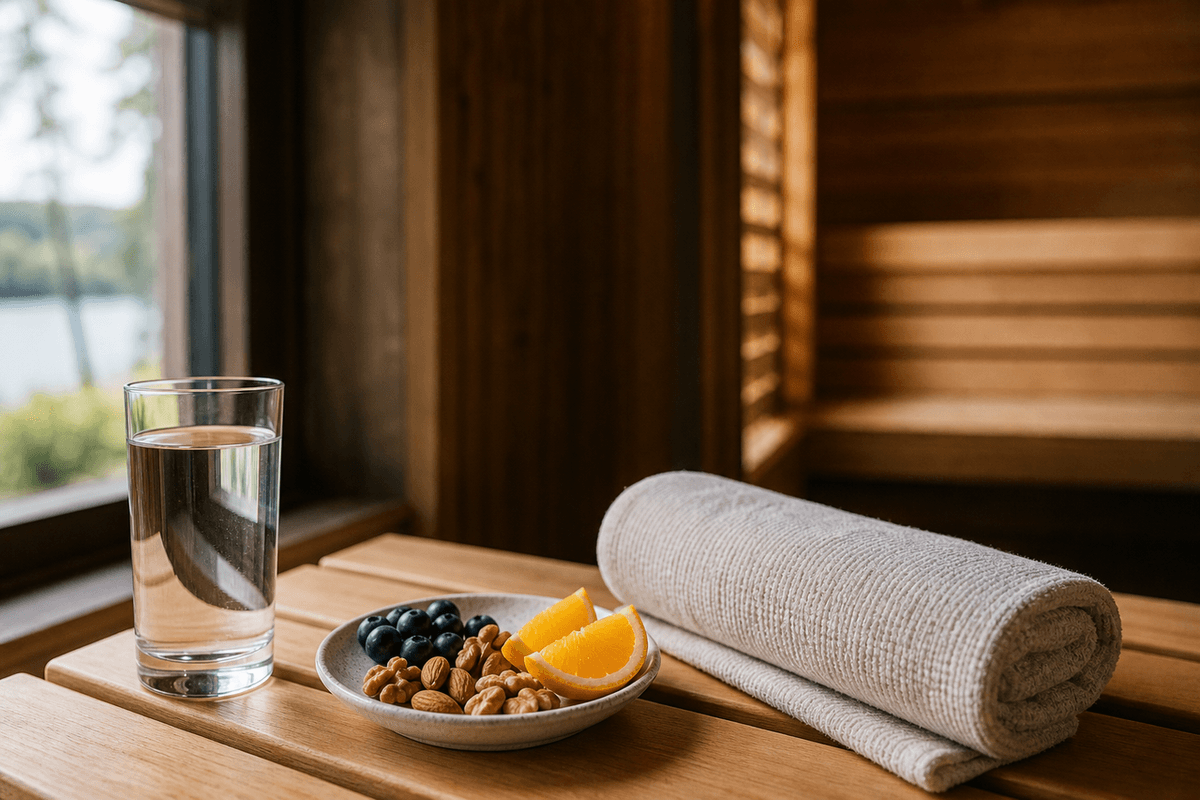
Should you eat before a sauna or cold plunge? Food, hydration, and timing
Do not go in hungry or overfull. A light snack an hour or two ahead and steady hydration is the sweet spot, and alcohol is the one thing to genuinely avoid.
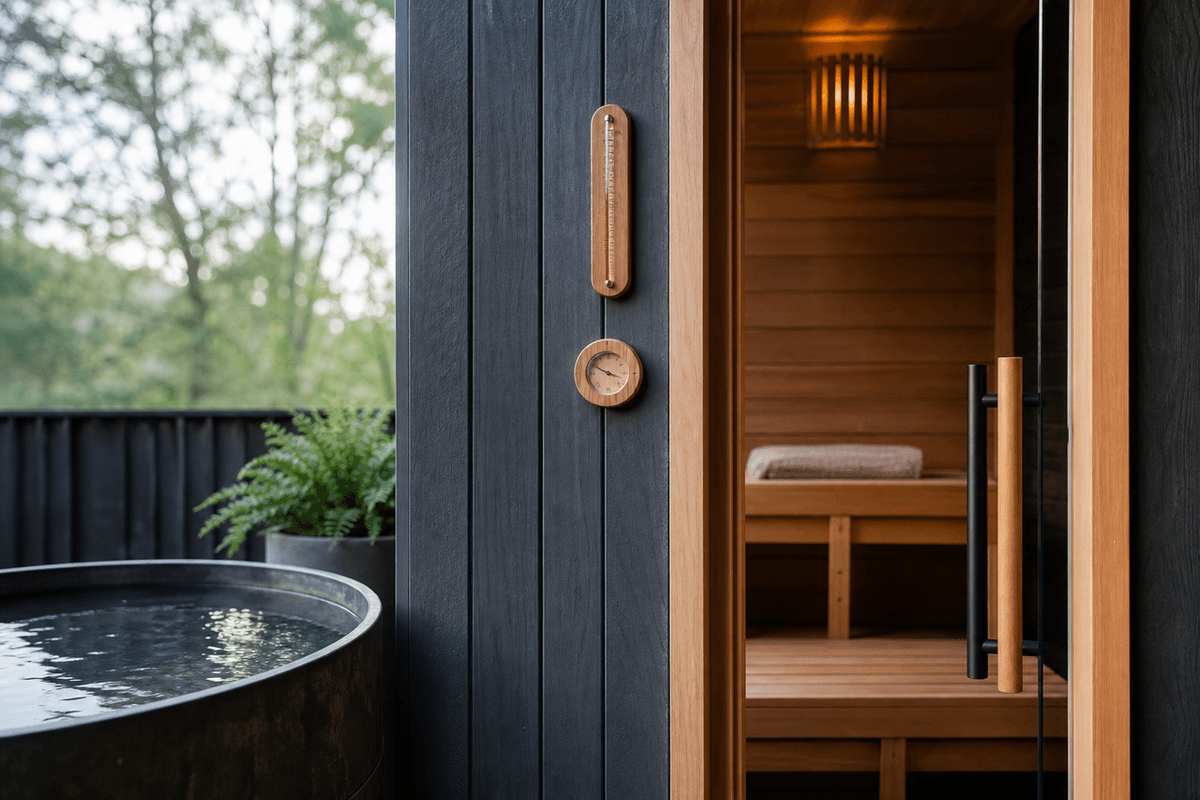
How cold, and for how long? Sauna and cold plunge temperature and time
Common practice is 50 to 59F for 2 to 5 minutes in a cold plunge, and 175 to 195F for 10 to 20 minutes in a sauna. Here is where those numbers come from and how to find your own.
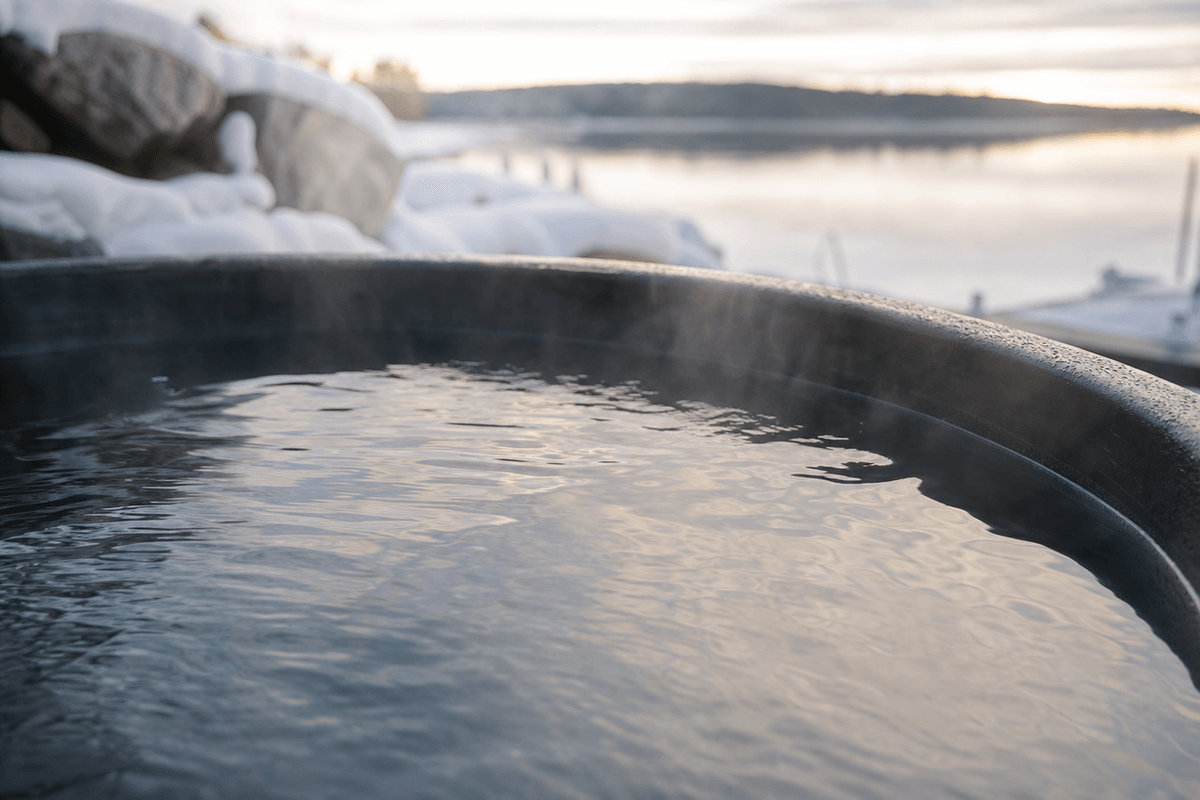
How to breathe during a cold plunge (and why it matters)
The breathing technique that makes a cold plunge controllable: slow long exhales through the cold-shock reflex. What to do, what to avoid, and the one safety rule that matters most.
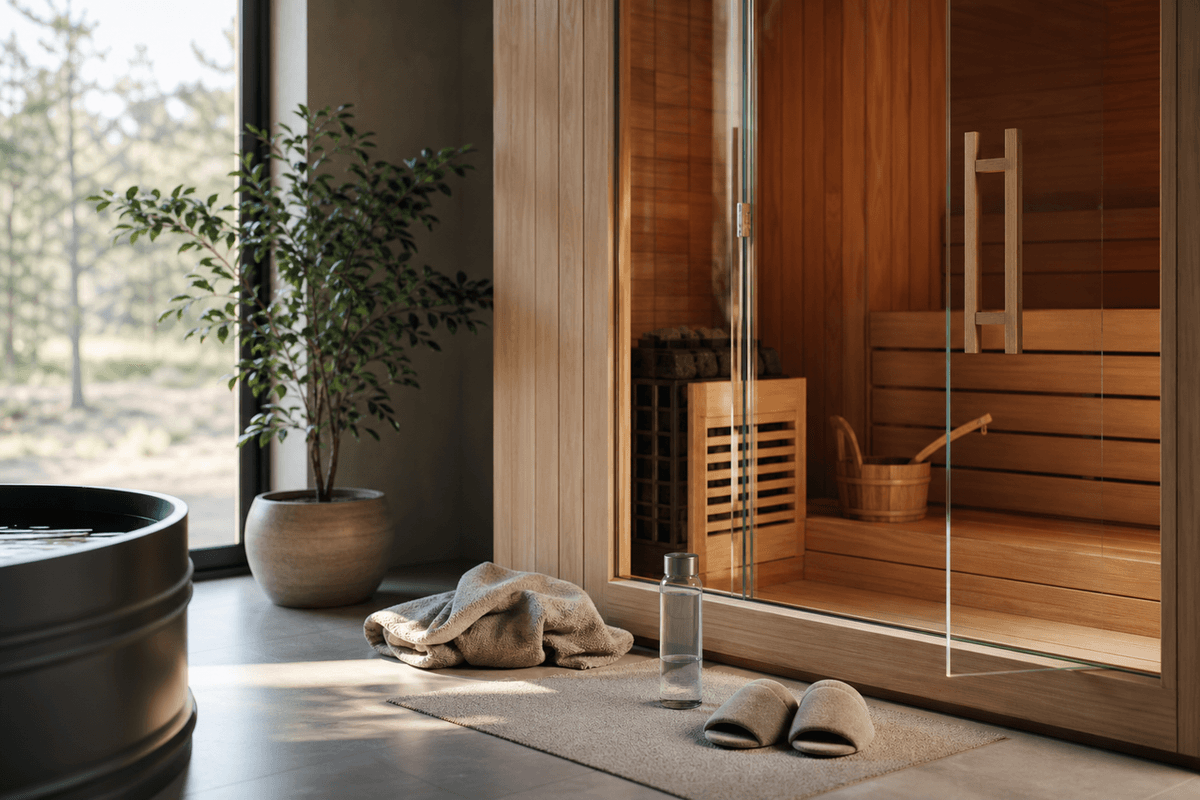
How to build a sauna and cold plunge habit that sticks
A practical guide to making a sauna and cold plunge habit stick: the realistic frequency, cutting friction, anchoring it to your week, and the honest expectations that keep you going.
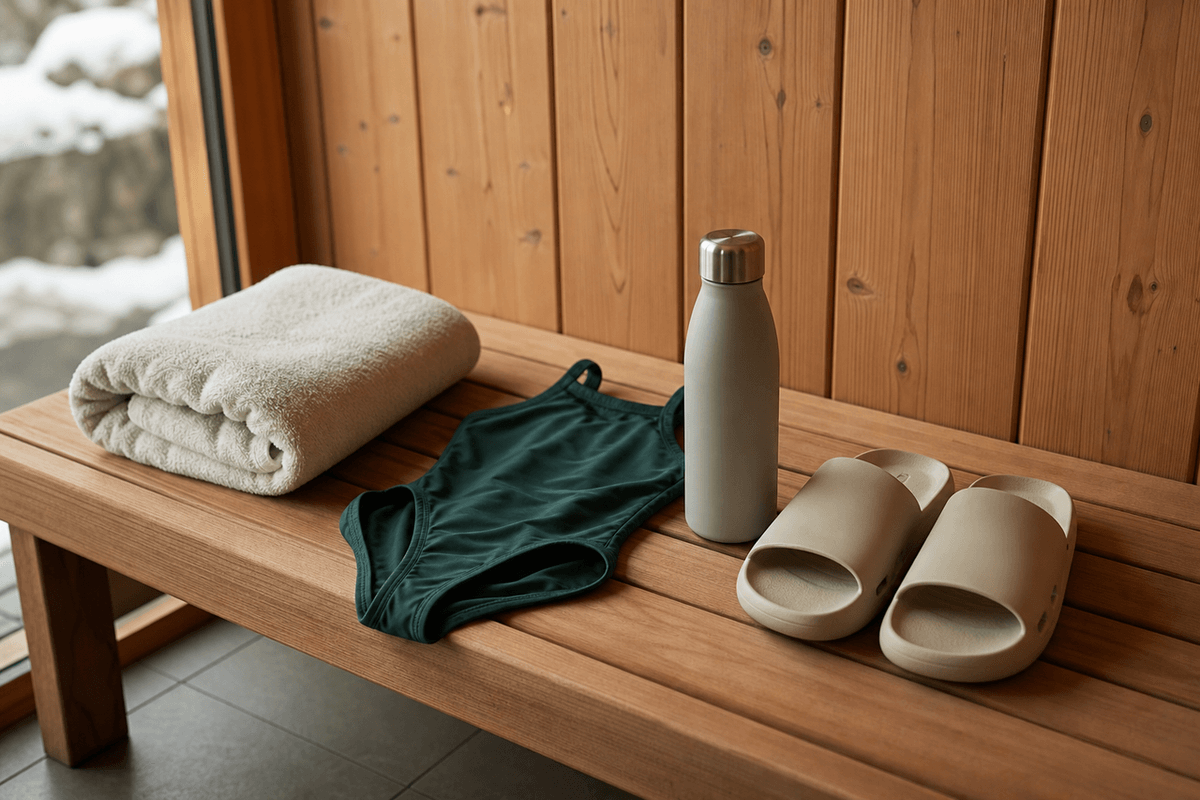
What to wear and bring to a sauna or cold plunge: a beginner's checklist
A practical beginner's checklist for a sauna or cold plunge: what to wear, what to bring, what to leave out, and the small etiquette rules that save the awkward first-visit moment.
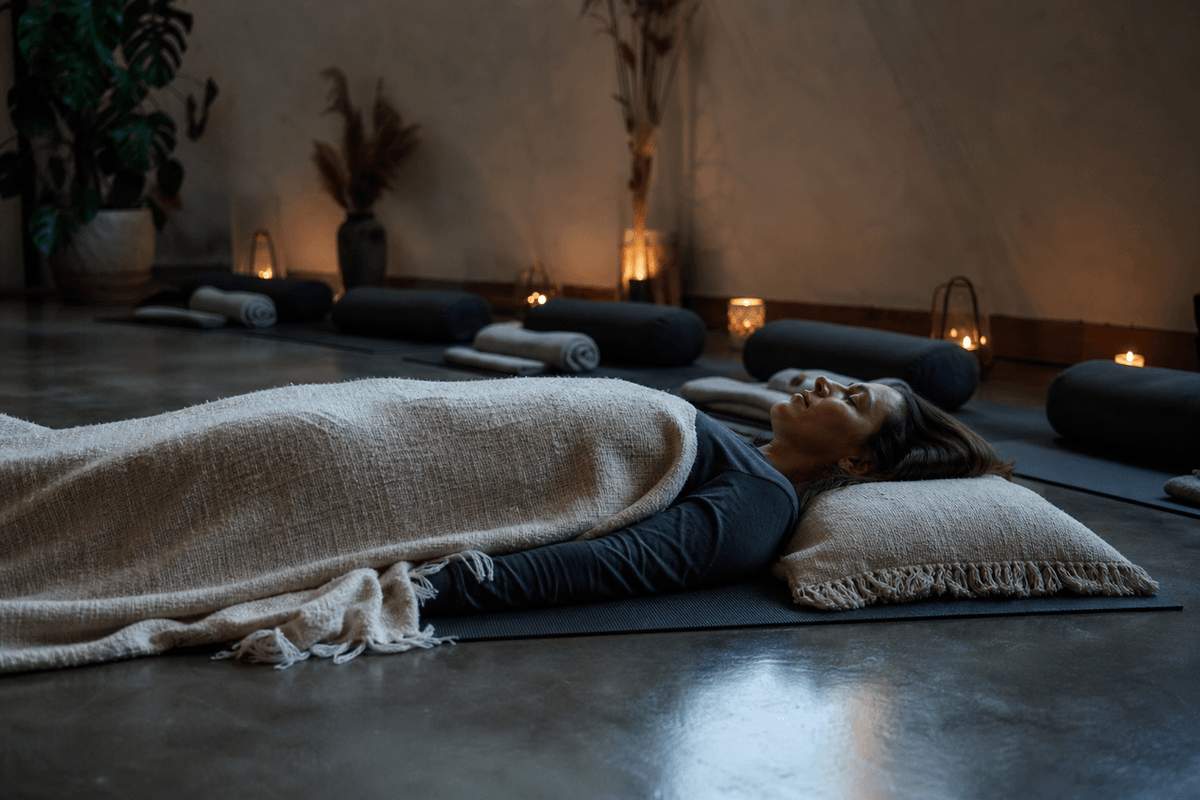
Your first breathwork session: what to expect
An honest guide to your first breathwork session: the difference between calming and intense styles, what the tingling and emotion mean, who should be cautious, and how to choose.
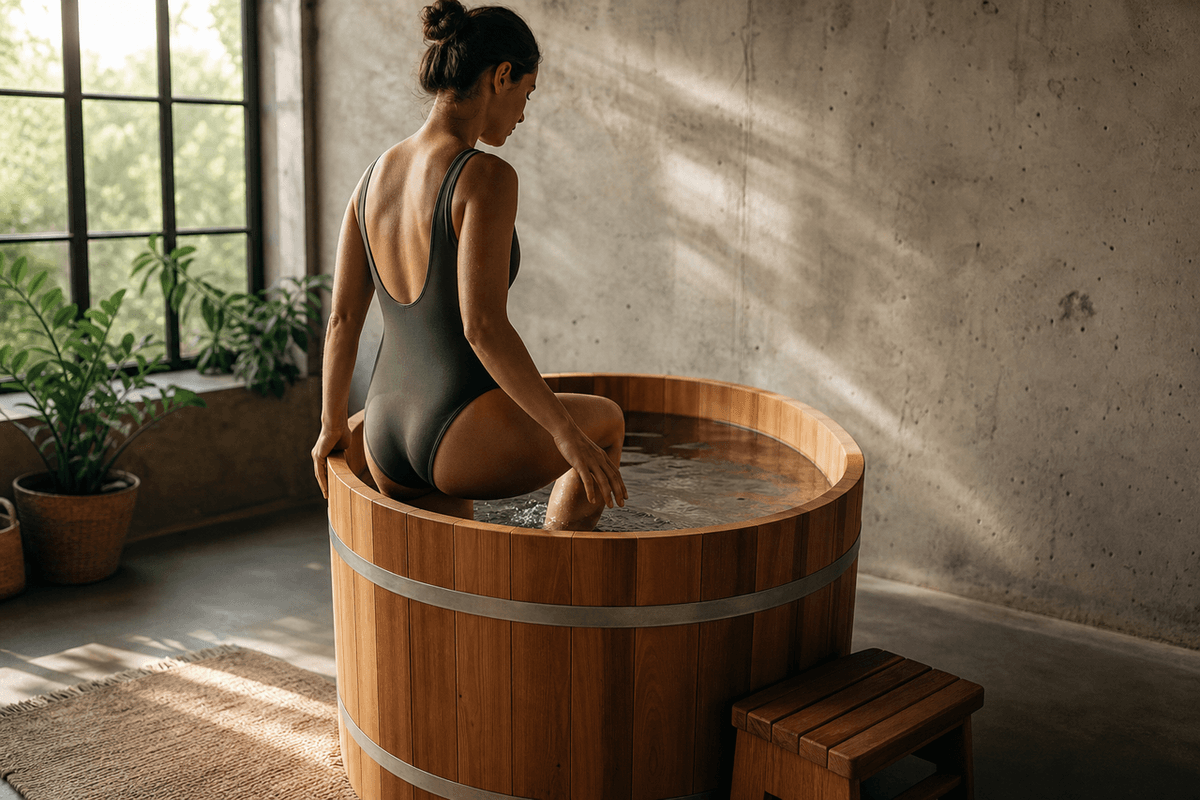
Your first cold plunge: a calm beginner's walkthrough
A calm, honest walkthrough of your first cold plunge: what the cold shock actually is, how to breathe through the first thirty seconds, how long to stay, and how to warm up after.
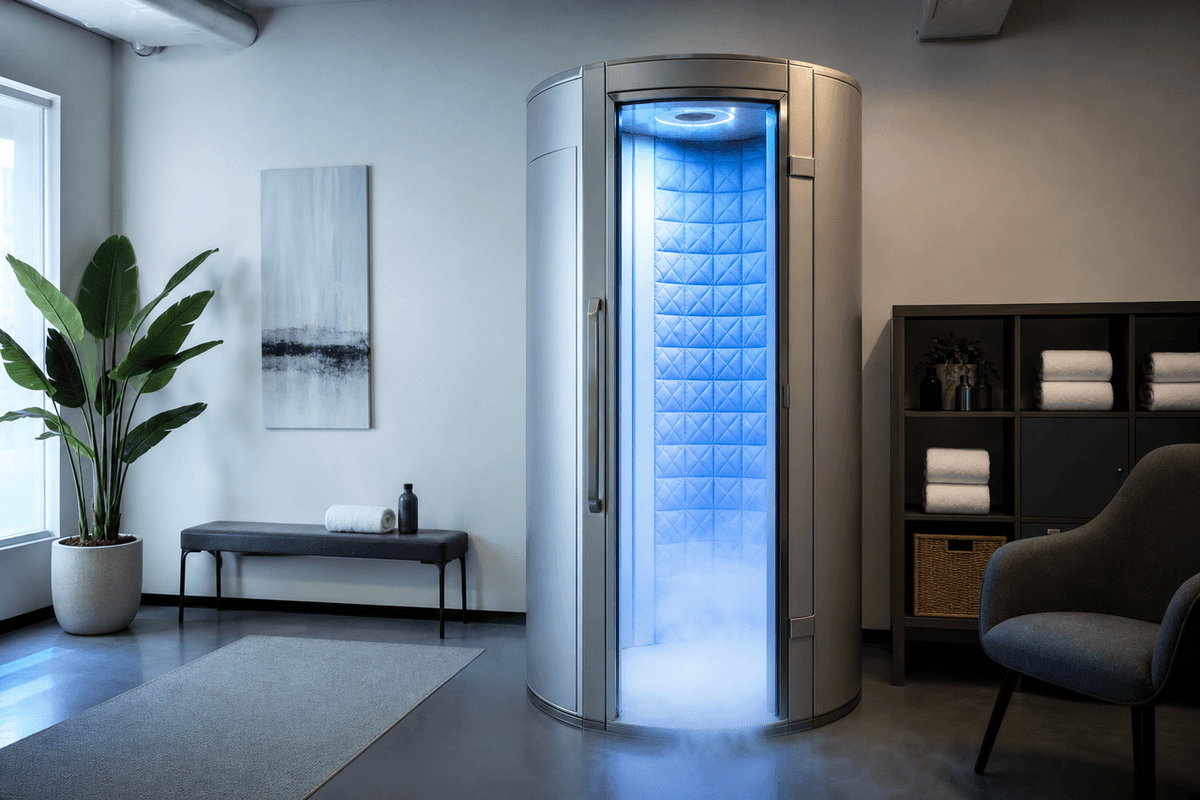
Your first cryotherapy session: what to expect
An honest guide to your first cryotherapy session: what happens in the chamber, what to wear, how it differs from a cold plunge, the safety rules, and what to actually expect from it.
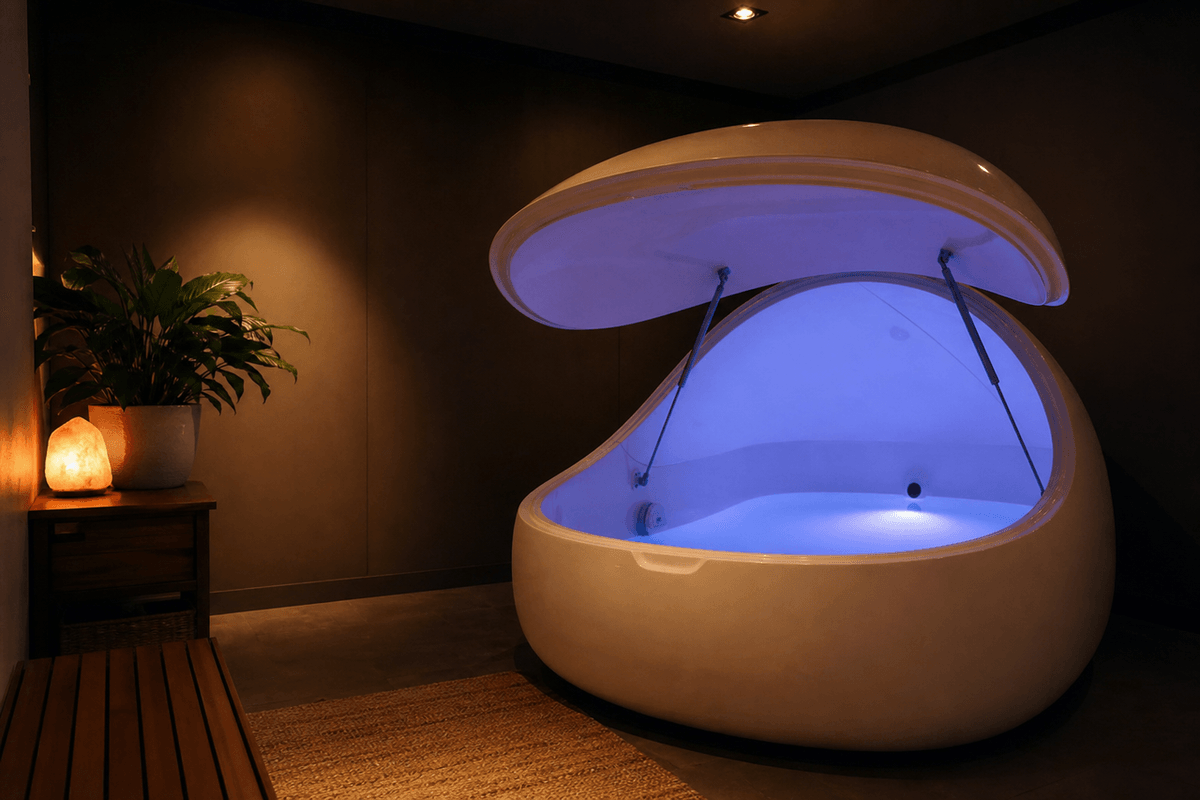
Your first float tank session: what to expect
An honest guide to your first float tank session: the warm salt water, the dark and quiet, the restless first ten minutes, practical tips for a good float, and who should be cautious.
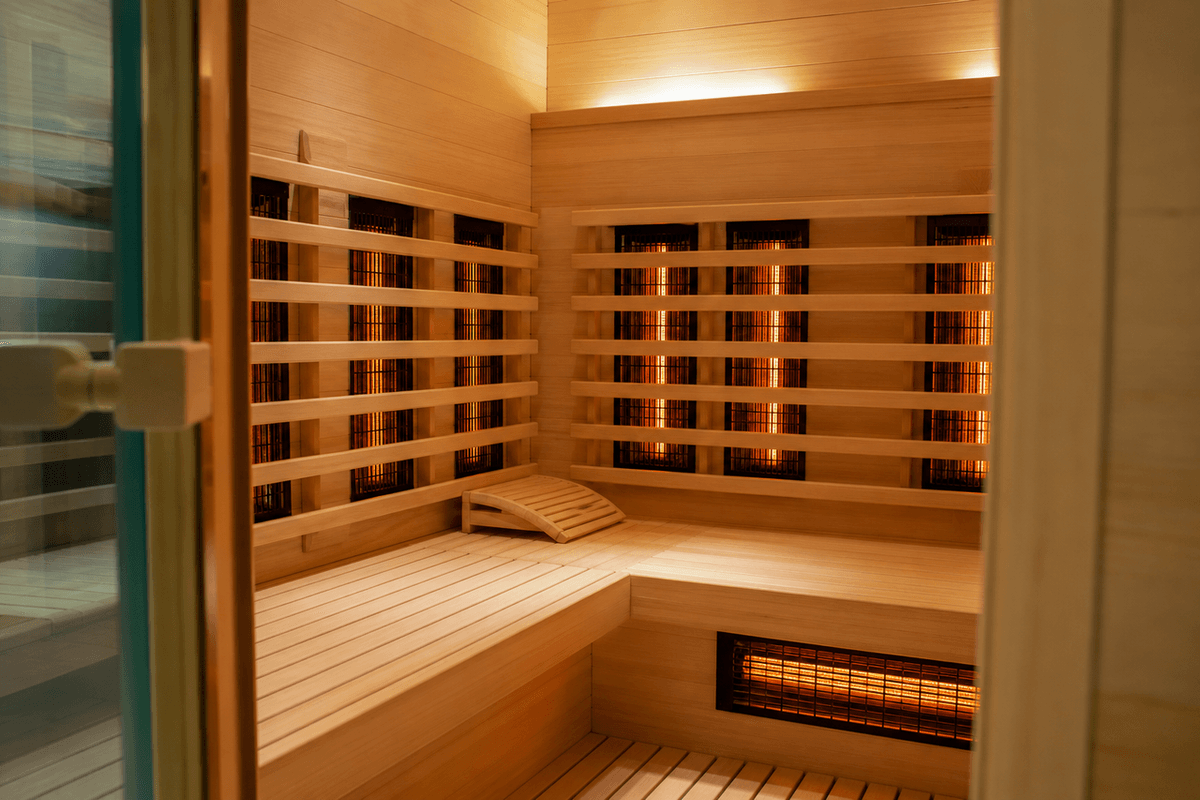
Your first infrared sauna session: what to expect
An honest guide to your first infrared sauna: how it feels different from a traditional sauna, how long to stay, what to wear and bring, and which benefits to actually expect.
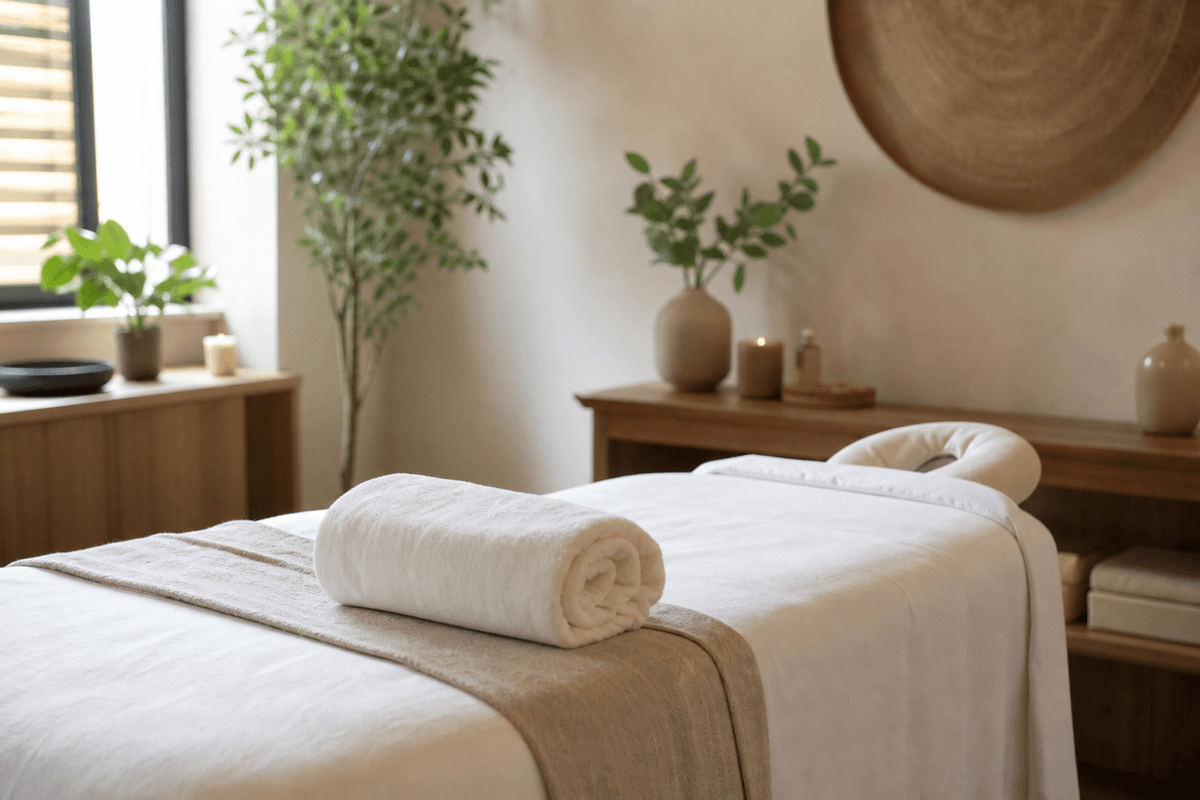
Your first massage: what to expect and how to ask for what you need
An honest guide to your first massage: what to wear, whether to talk, how to ask for the right pressure, what's normal and what's not, and how to get exactly the session you want.
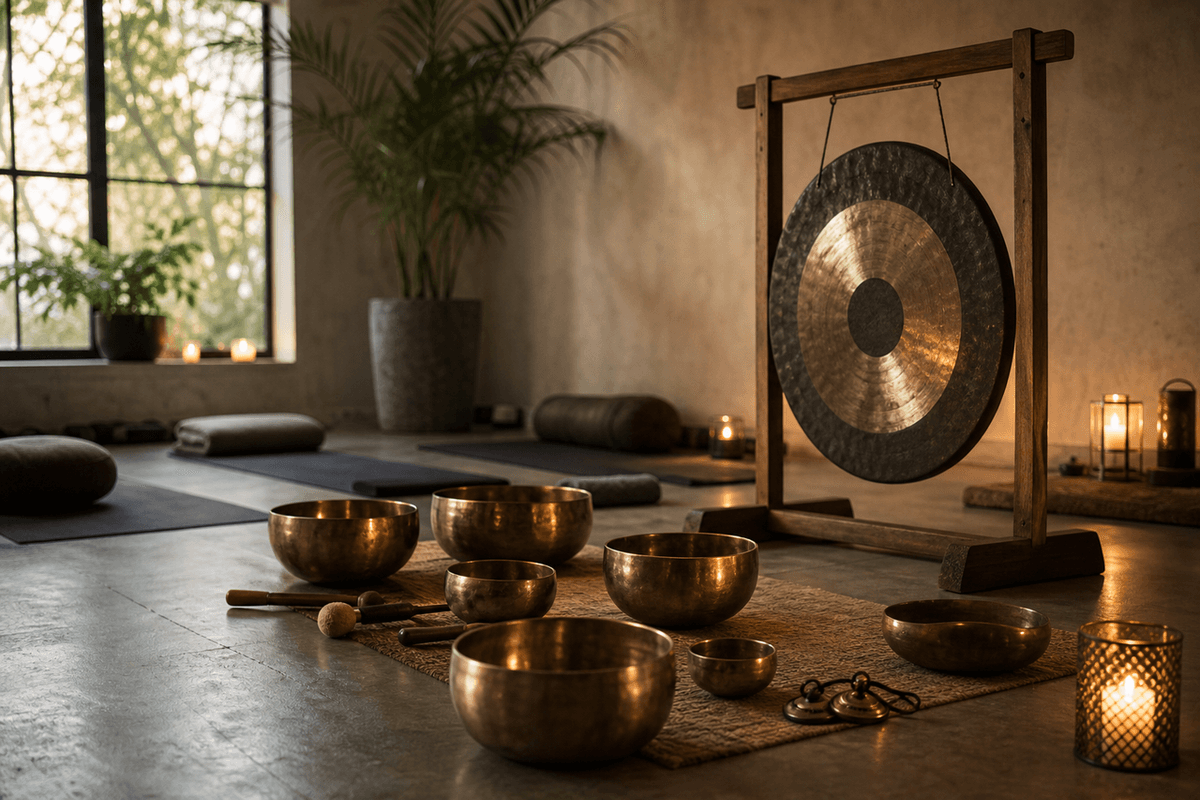
Your first sound bath: what to expect
An honest guide to your first sound bath: what happens, what to bring, why lying still and listening calms you, and how to get the most from it without the mysticism.
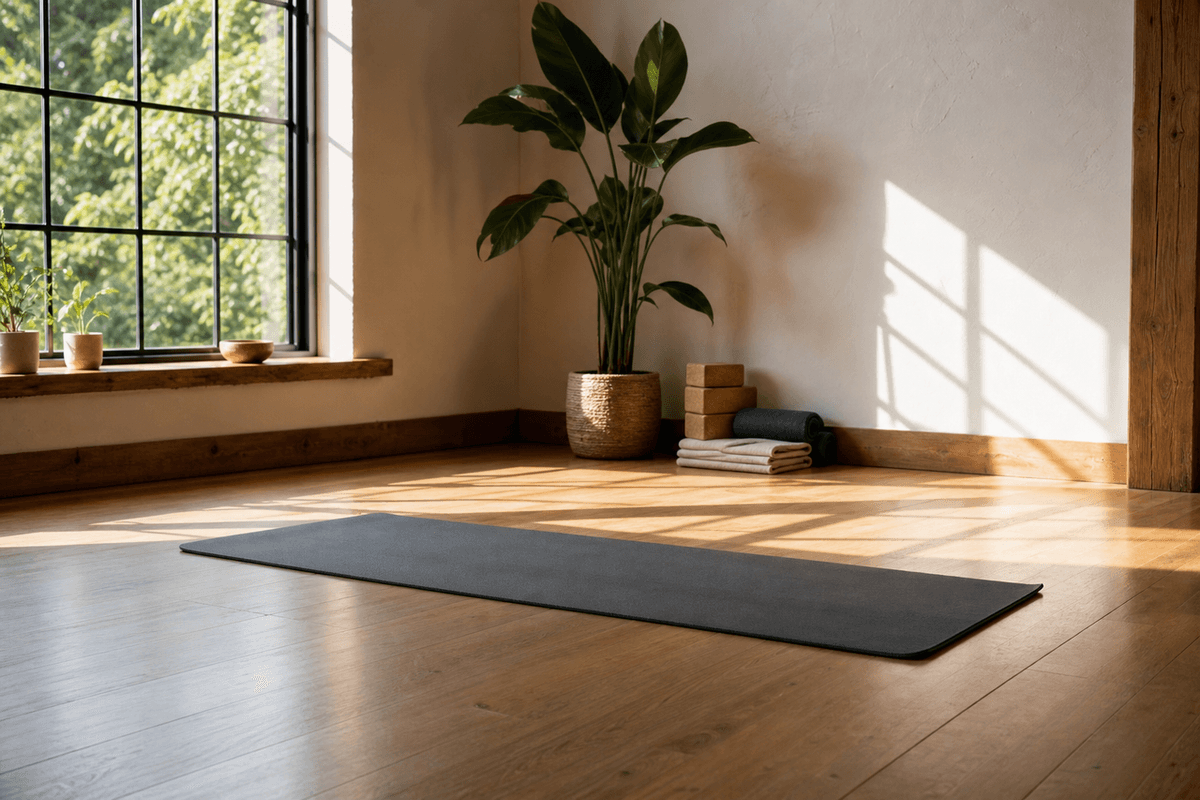
Your first yoga class: a beginner's guide to walking in
An honest beginner's guide to your first yoga class: which style to pick, what to bring, where to set up, what to do when you fall behind, and why flexibility is not the point.
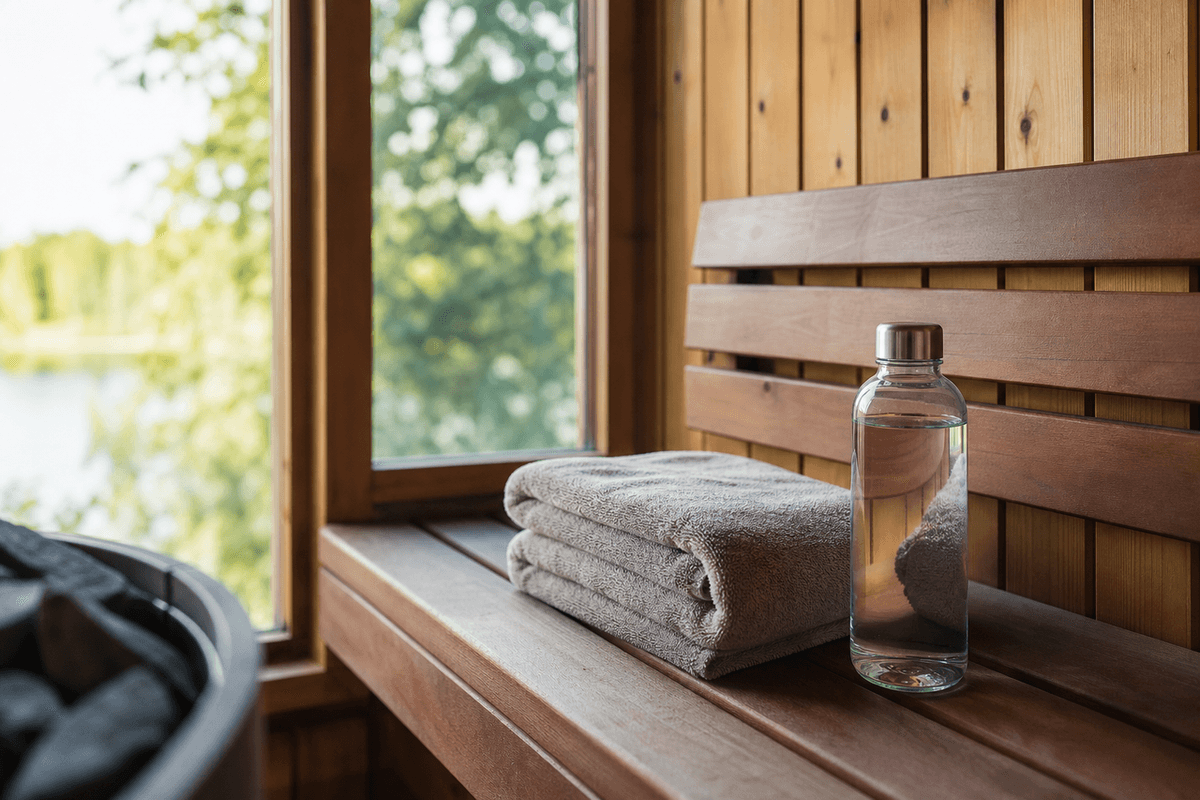
How often should you use a sauna or cold plunge? An honest guide
How often should you use a sauna or cold plunge? What the research actually used, a sensible weekly range for each, why more is not always better, and the athlete timing caveat.
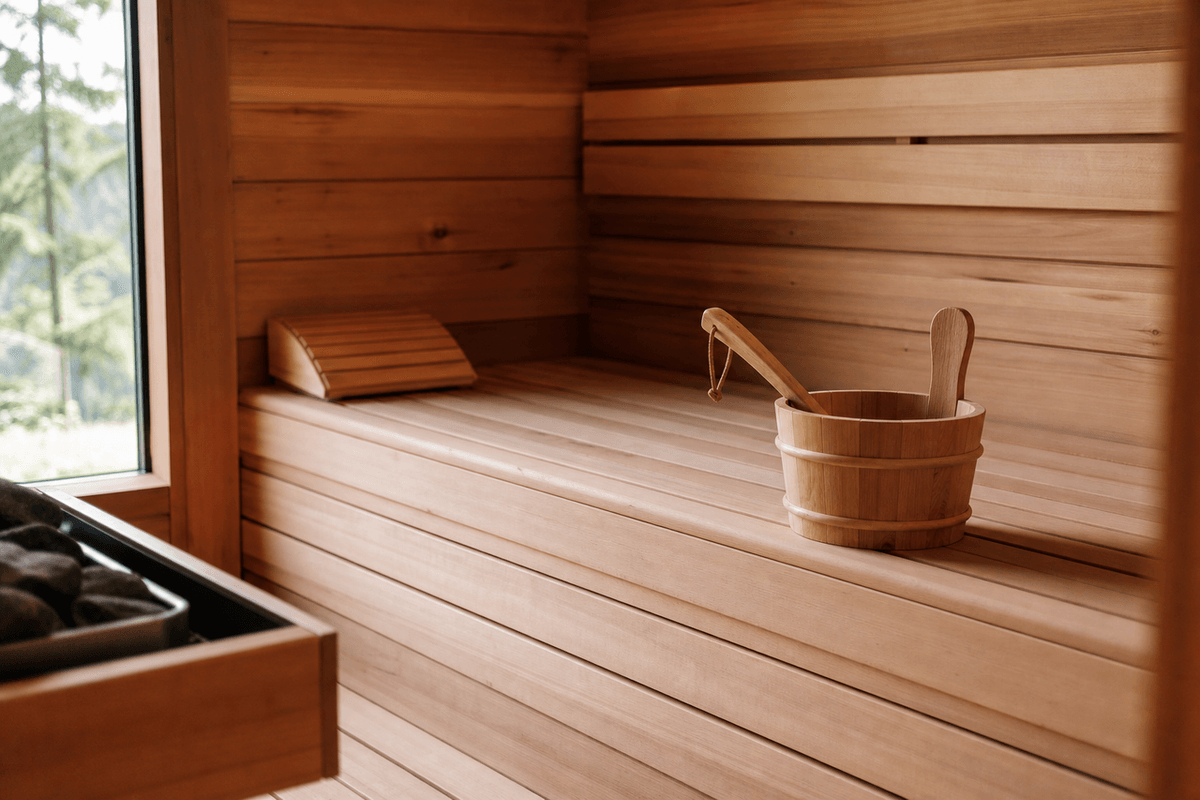
Your first sauna session: what to expect, etiquette, and how long to stay
A first-timer's honest guide to sauna: what to wear, how long to stay, the etiquette everyone assumes you know, safety basics, and how to build heat tolerance without misery.
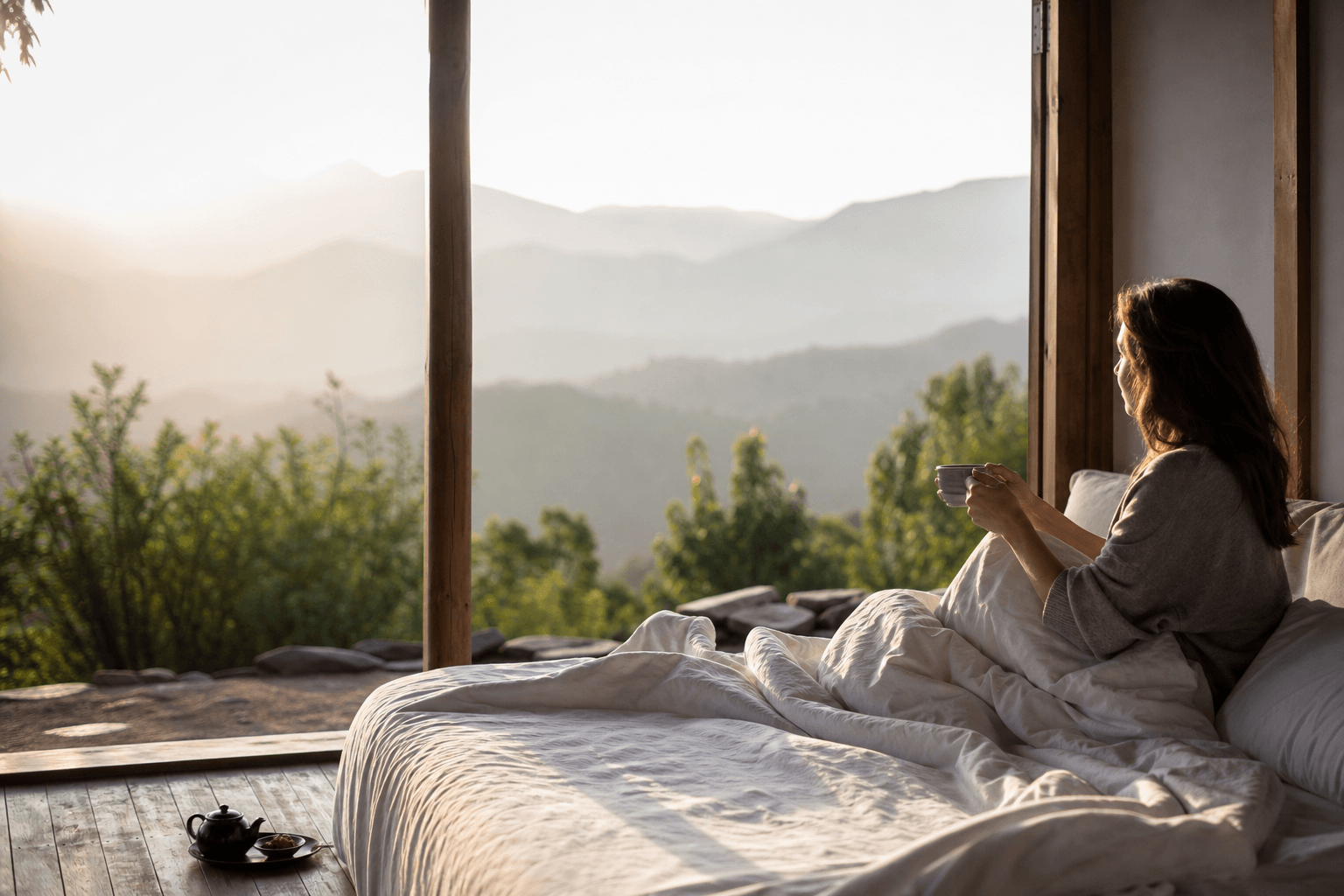
What to expect at a wellness retreat: a day-by-day walkthrough
Retreat days follow a predictable arc: a slightly awkward arrival evening, early mornings balanced with real downtime, an emotional dip around day two or three, then depth and a warmer goodbye than you'd expect. Knowing the shape ahead of time is what lets you relax into it.
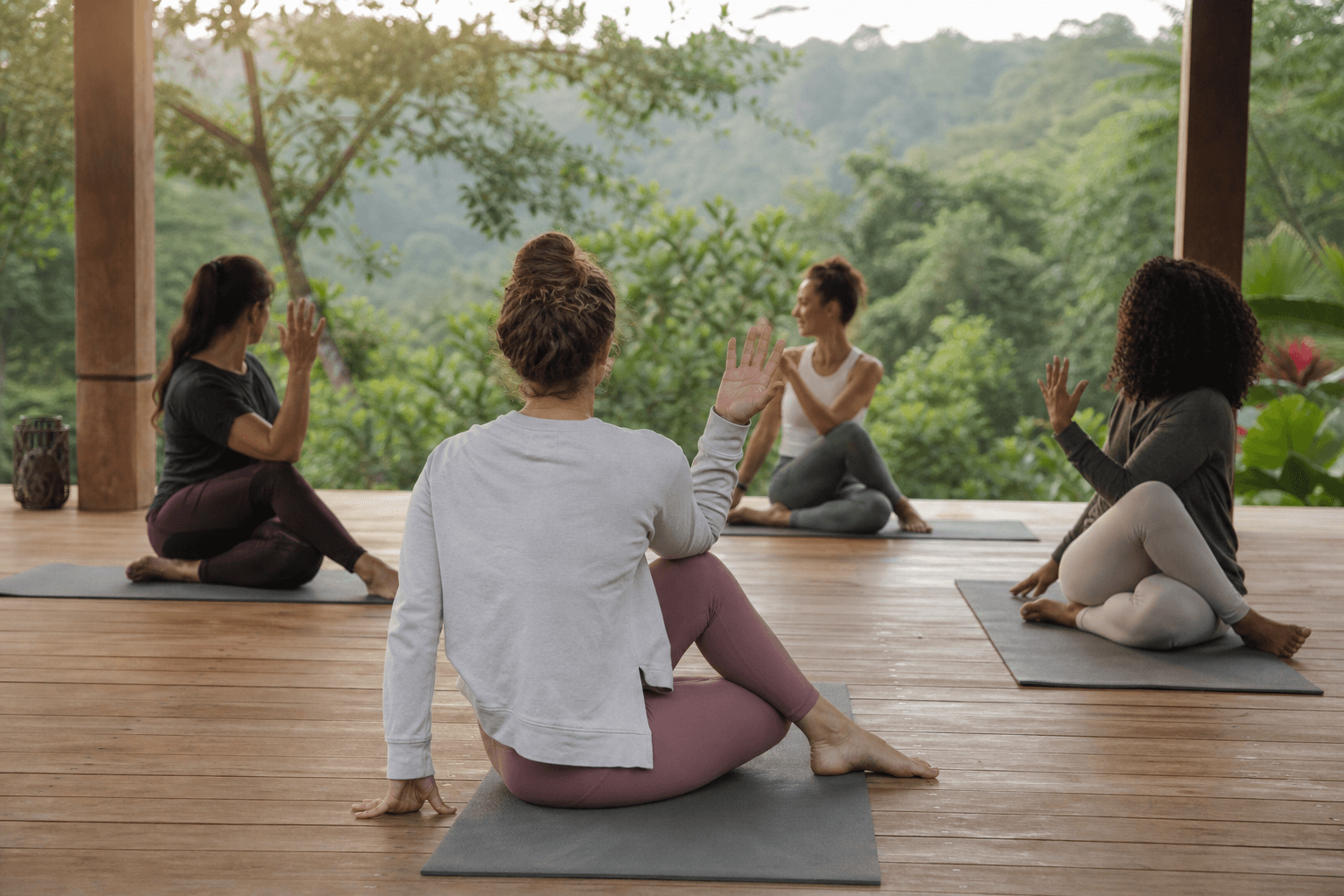
Yoga retreats for beginners: what to expect and how to choose
You do not need experience to go on a yoga retreat, you need the right one. Look for all levels wording, one or two practices a day with real downtime, and a hatha or yin leaning style. US weekends run roughly $400 to $900, a week $1,500 to $4,000.

Digital detox retreats: what they are and whether they work
A practical 2026 guide to digital detox retreats: what a few days offline actually does, what the evidence supports and what it doesn't, the four ways to unplug compared by cost and difficulty, and how to make the reset survive contact with home.
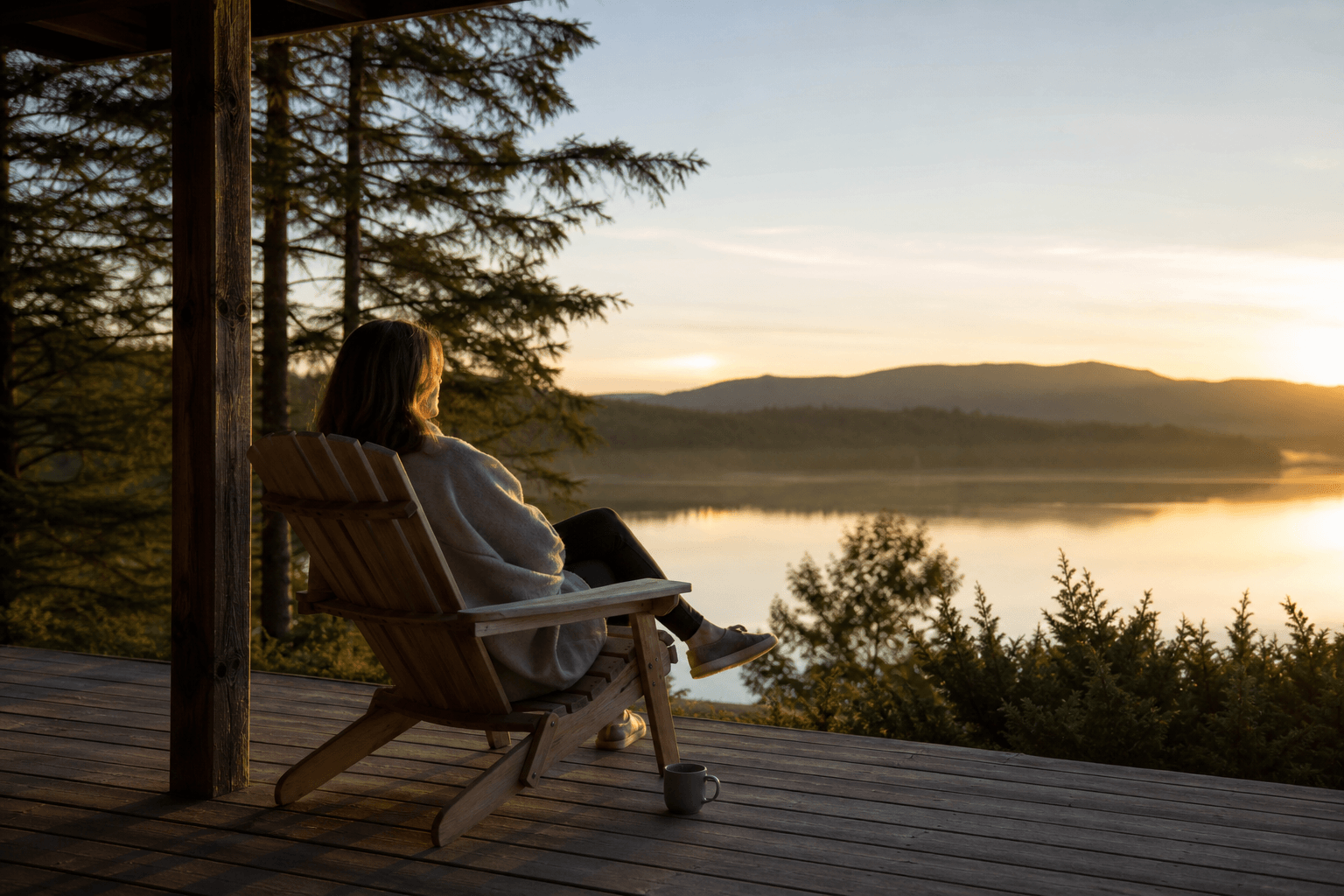
Solo wellness retreat: a guide to going alone in 2026
Going alone is often the best way to do a wellness retreat: no compromises, easier reflection, connection on your own terms. Here's how to pick a solo-friendly retreat, what single rooms really cost, how to stay safe, and how to get past the awkward first evening.
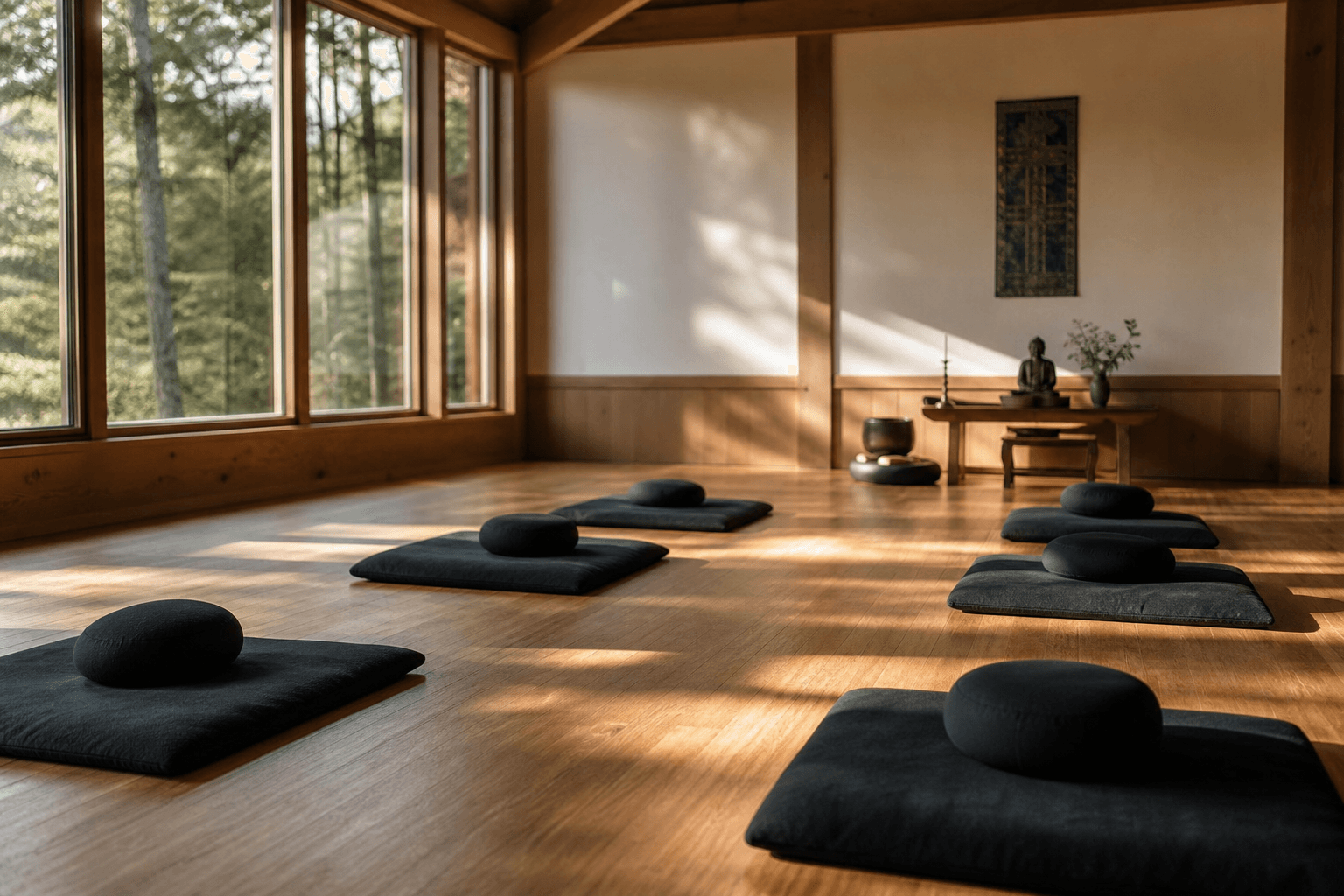
What is a silent retreat? What to expect before you go
A plain guide to silent retreats for 2026: what a silent retreat is, what a typical day looks like, the main types, who they suit, and how to prepare for your first one.
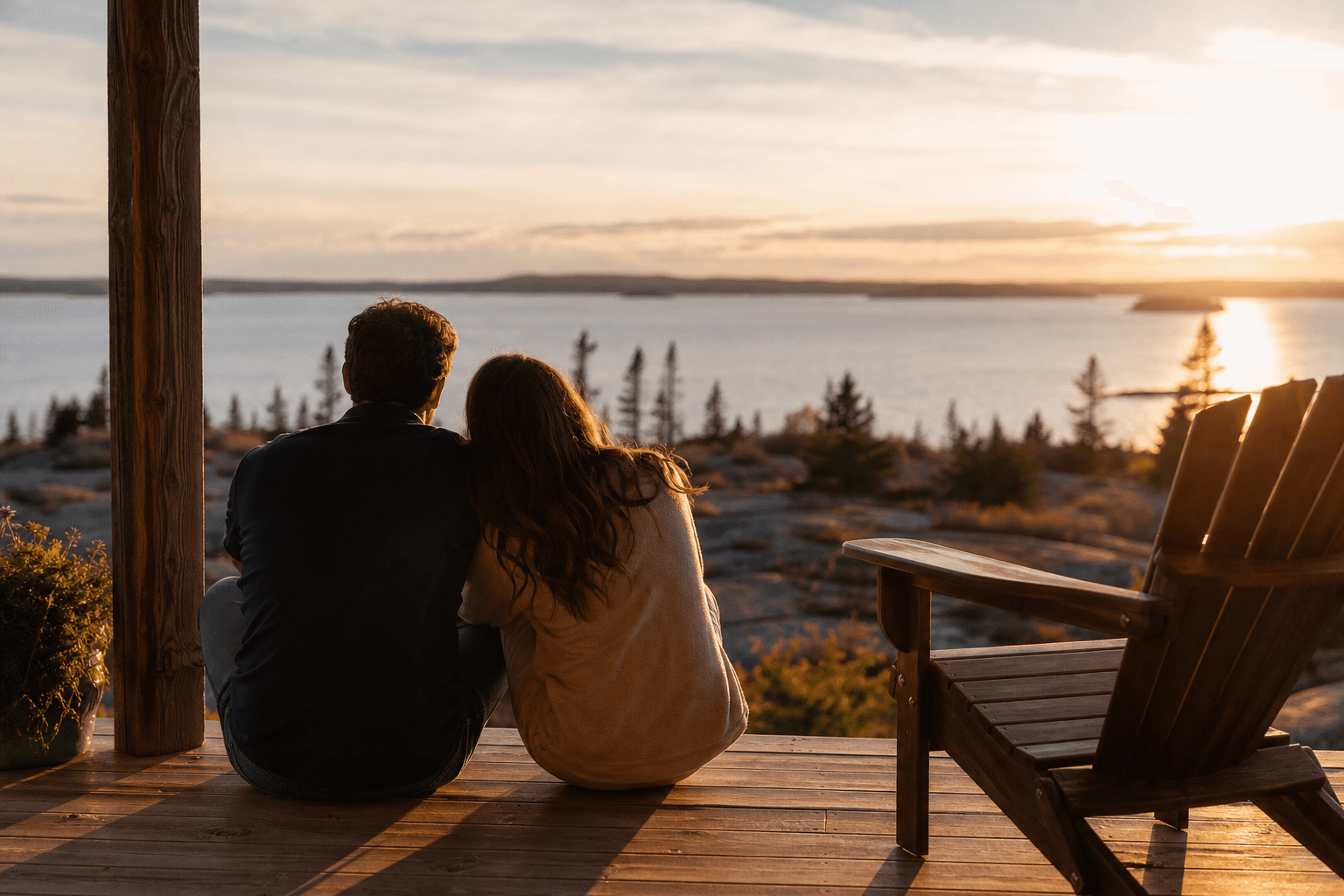
Couples wellness retreats: a guide to going together in 2026
A couples wellness retreat works when you both agree on the goal first: rest, reconnection, or real relationship work. This guide covers the four formats, what each honestly costs, how to vet facilitators for deeper work, and how to avoid the version that just adds pressure.
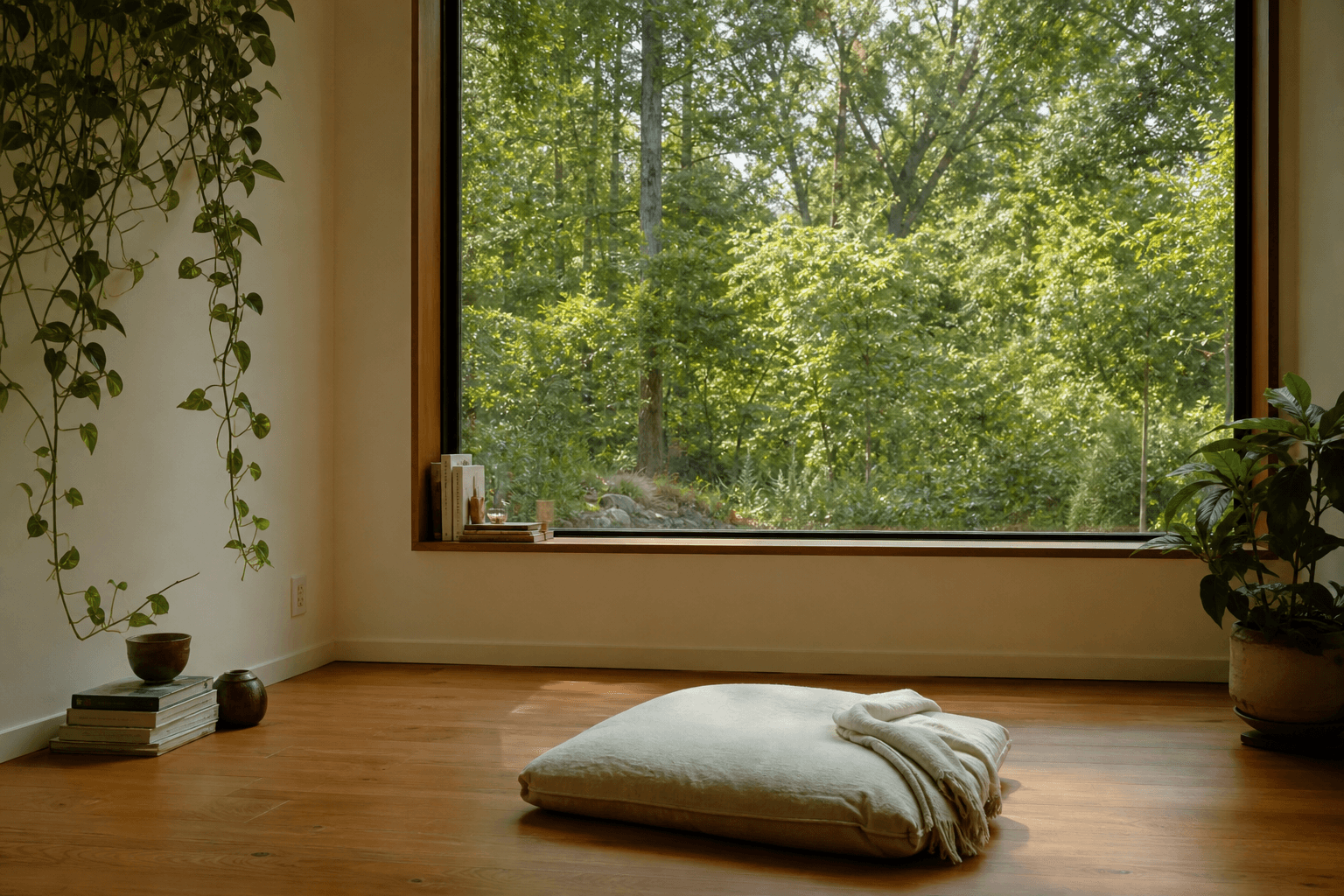
What is a wellness retreat? A plain guide for 2026
A wellness retreat is protected time, usually two to seven days, in a dedicated setting with some kind of program. The seven main types compared, what a day actually looks like, what it costs in the US, and how to tell a real retreat from a repackaged hotel stay.
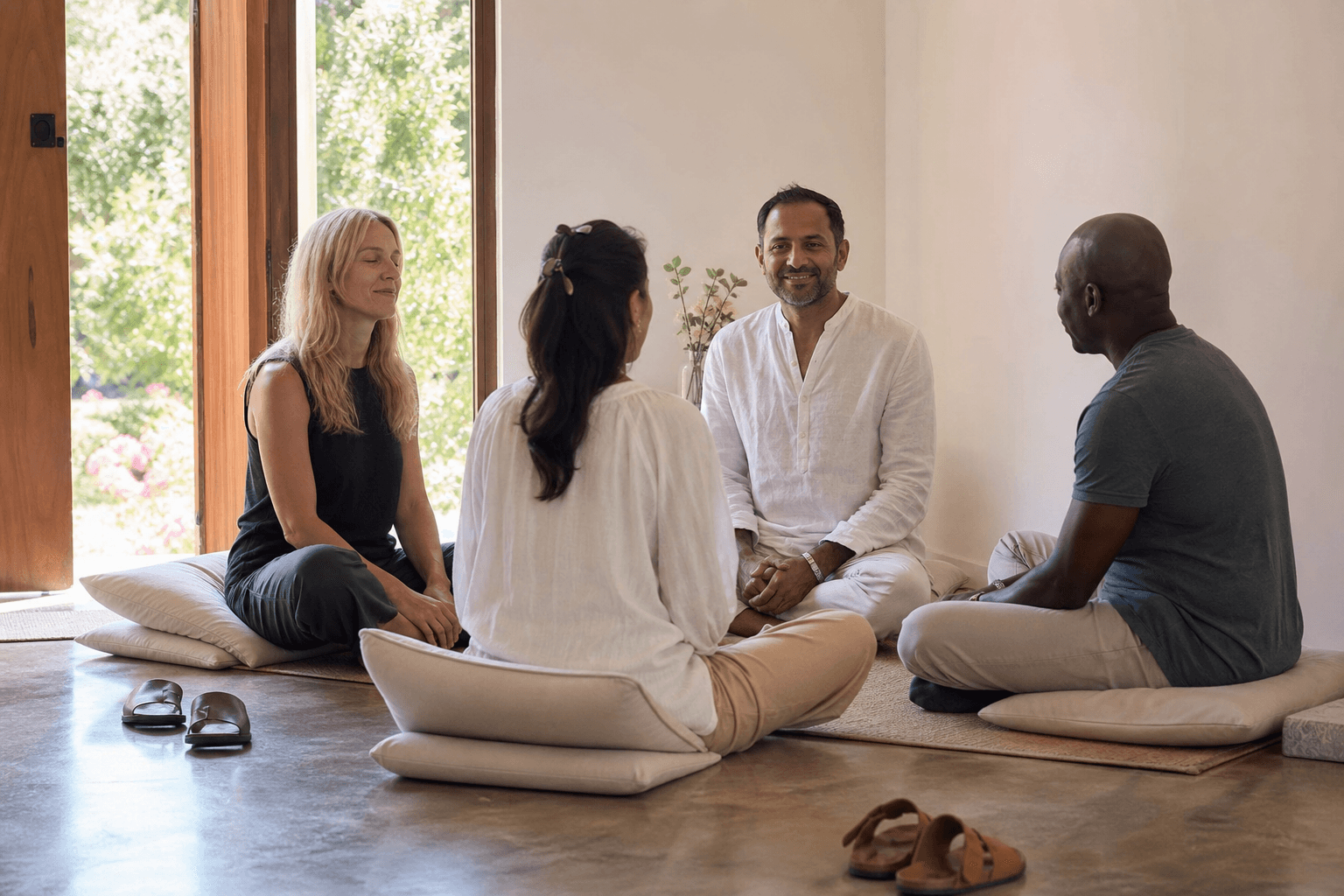
Wellness retreat etiquette: what to expect and how to be
A calm, honest guide to wellness retreat etiquette: phones, silence, group dynamics, opting out, and the few simple rules that help you and everyone else get more from the experience.
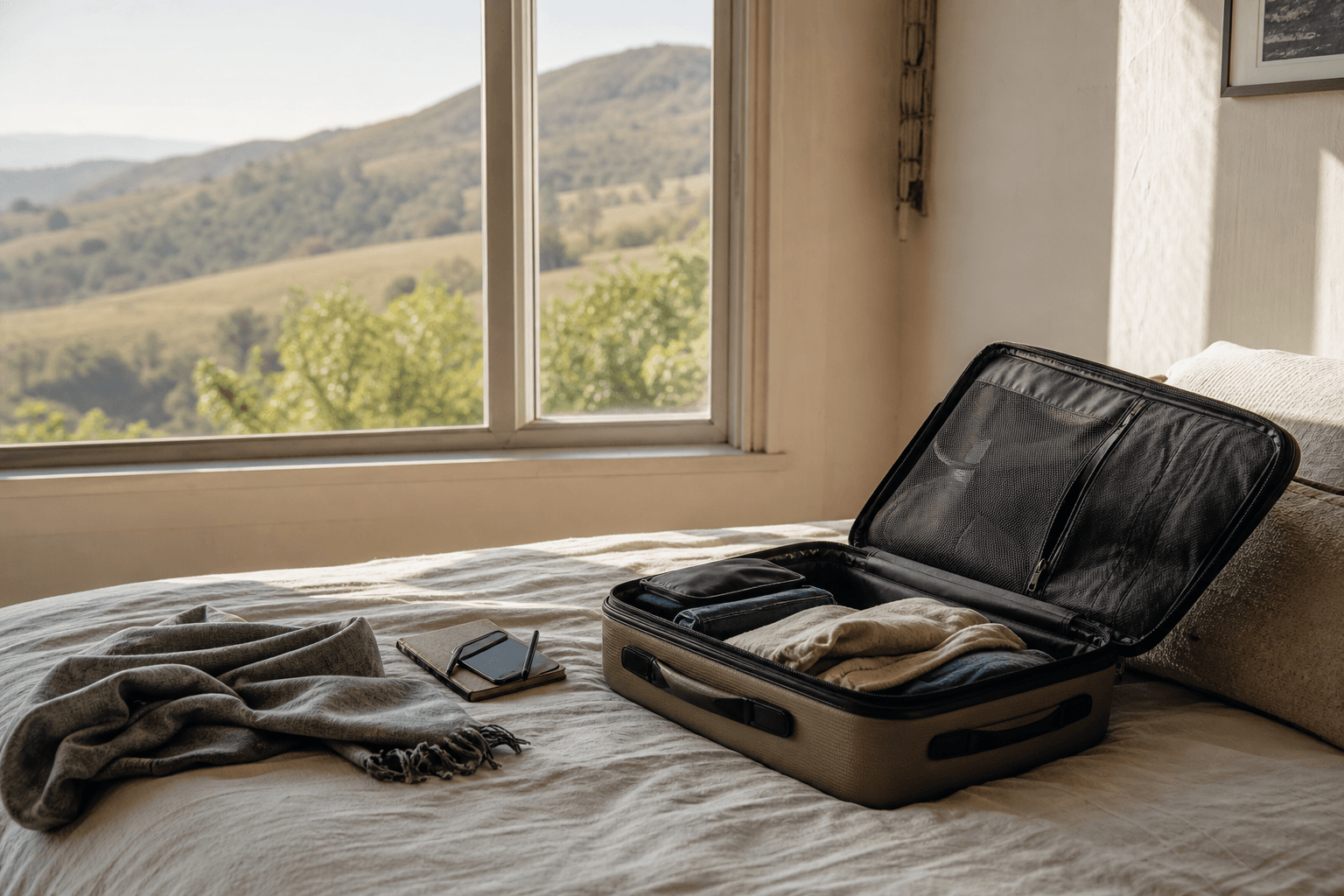
Your first wellness retreat: a calm, honest checklist for 2026
A first-timer's checklist for choosing a wellness retreat in 2026: how to pick the format, length, and budget that fit you, the questions to ask before booking, and the red flags that mean walk away.
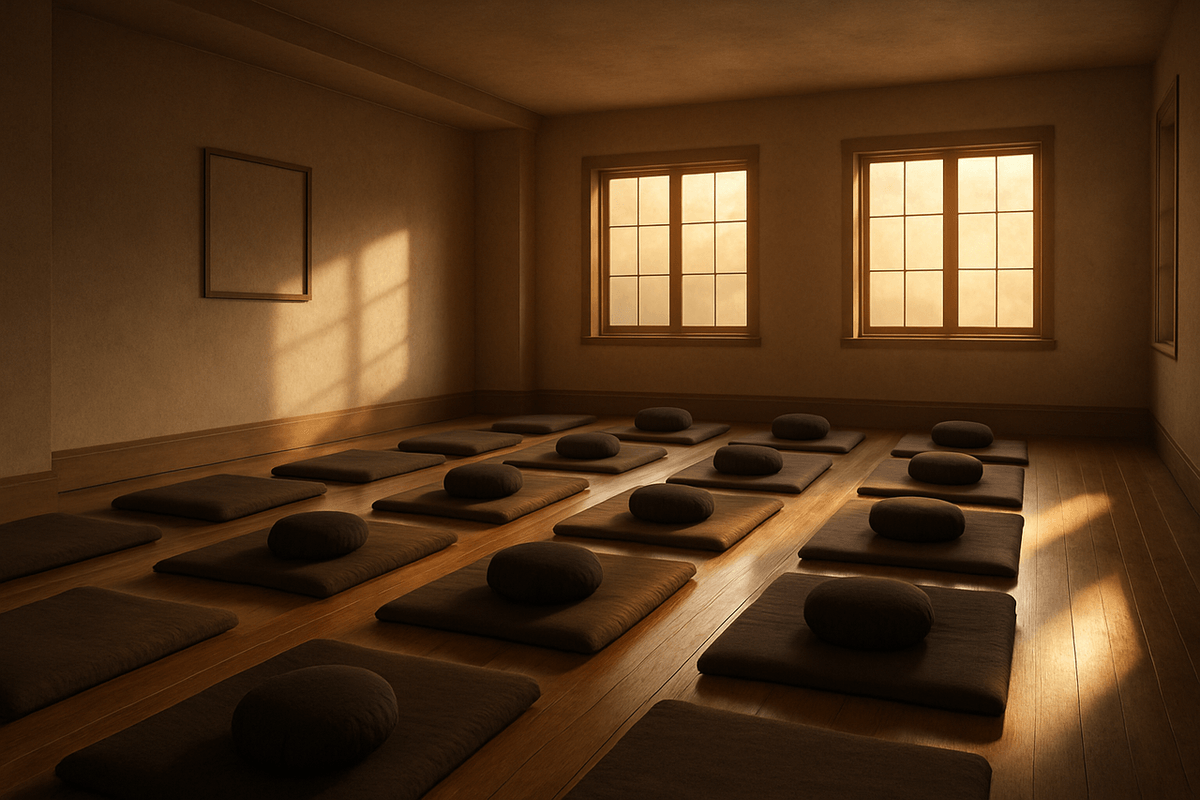
Your first silent retreat: what nobody tells you about day 2
If you're considering your first silent retreat, here's the honest map: what day 1 feels like, why day 2 is the hardest, and the four things to bring that nobody puts on the packing list.
Other topics in the Journal
Looking for somewhere to actually go?
Our city maps cover the sauna, cold plunge, breathwork and recovery venues in 34 US cities, with addresses and official sites.
Find wellness in your city